

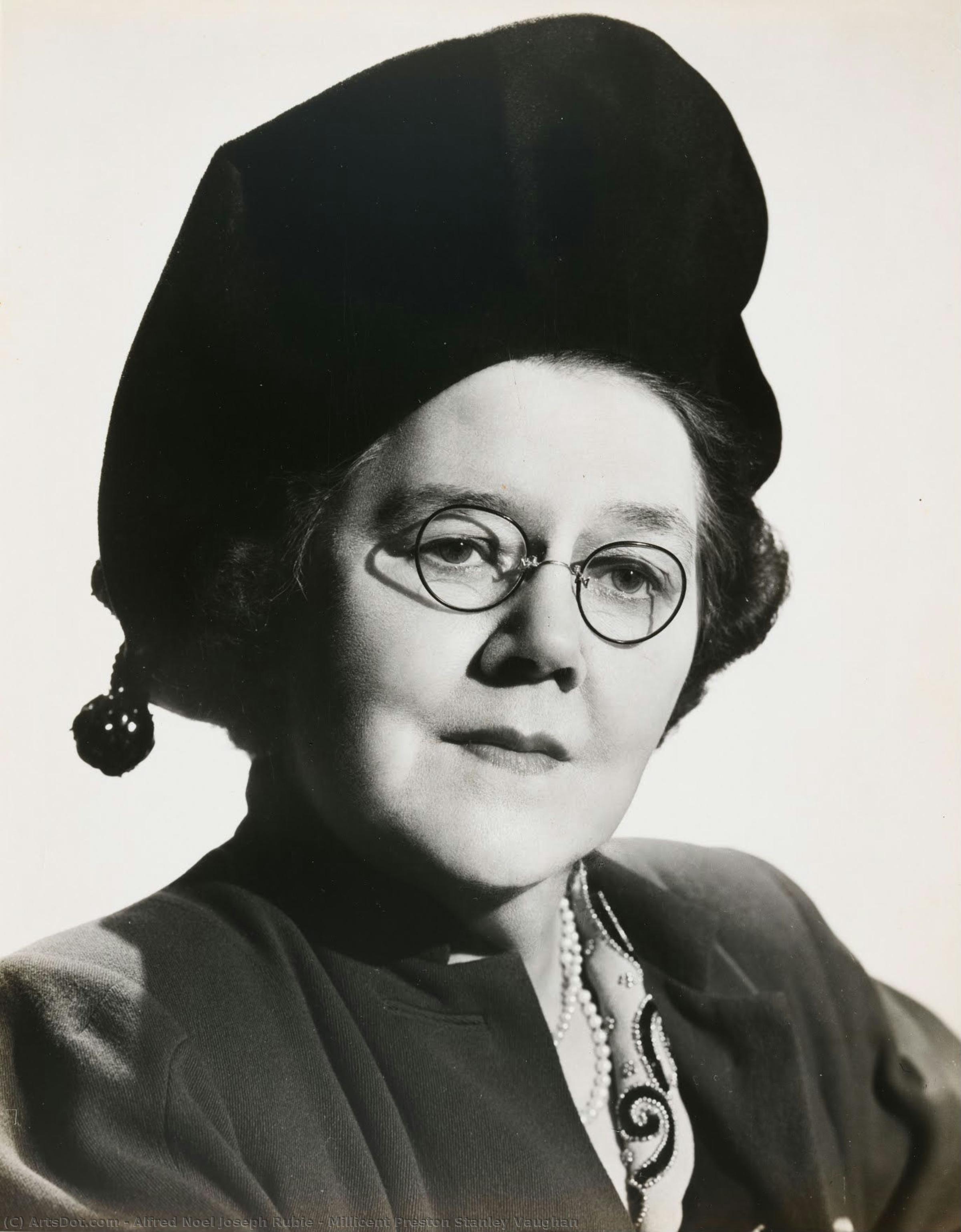
 プレビュー
プレビュー
 シェアする
シェアする シェアする
シェアする
 詳細を見る
詳細を見る

 ダウンロード
 似ている作品
 X線調査
X線調査 スライドショー
 統計情報
統計情報Millicent Preston Stanley Vaughan
 1945
1945 24.0 x 19.0 cm
 National Portrait Gallery
 詳細を見る
詳細を見る
オンラインプレビューをはるかに凌ぐ、高解像度で鮮明なデジタル画像をご購入いただけます。
各ファイルは、社内の専門家が高度なツールと熟練した手作業によるレタッチを用いて、細心の注意を払って準備されています。すべての画像において、卓越した鮮明度、正確な色彩再現性、そして繊細なディテールを保証いたします。
最終ファイルは、プロフェッショナルな編集・印刷環境ですぐにご利用いただけるよう最適化された状態で、72時間以内にメールにてお届けいたします。これは、一流のデザインスタジオ、出版社、ギャラリーから信頼されているものと同等の品質です。
デジタルアート
個人での鑑賞、印刷、クリエイティブなプロジェクト用に、高解像度ファイルをダウンロードできます。 ( プリント版に切り替え 手描きの絵画を購入)
デジタル画像のご注文に付随する特典
高品質なデジタル画像配信を、確かな品質で。
ArtsDot.com を選ぶことは、単に画像を手に入れることではありません。それは、プロの手によって精密に仕上げられ、満足保証が付いた高品質なデジタルアートワークを受け取ることを意味します。ご注文いただいた際に自動的に付随する内容は、以下の通りです:

メールですぐにお届け
ご注文から72時間以内に、高解像度のデジタル画像ファイルがメールでお手元に届きます。すぐにそのままご利用いただけます。

AI技術で最適化されたデジタルファイル
お客様の作品は、高度なAIツールと専門家による手作業の編集を組み合わせてプロフェッショナルに最適化されており、細部のディテール、鮮明さ、そして正確な色再現性を最大限に引き出しています。

一生涯無料の再送サービス
ファイルを誤って削除したり、紛失してしまったりしましたか?ご安心ください。いつでも無料で再送いたします。

輸入手数料は一切かかりません
関税や手数料、配送料を気にすることなく、お気に入りのアートワークをすぐにお楽しみいただけます。デジタルダウンロードは常に免税です。

色彩再現の保証
プロ仕様のツールとカラーマネジメント技術を用いることで、デジタル画像が元の色を最大限に忠実に再現することを保証いたします。

100日間満足保証
ご購入いただいたデジタル画像にご満足いただけない場合は、100日以内であれば、理由を問わず修正または100%の返金対応をさせていただきます。

100% 返金保証
ご満足いただけない場合は、デジタルファイルを受け取ってから100日以内であれば、理由を問わず全額返金いたします。

まとめ買い割引
3枚購入で10%OFF - 5枚購入で15%OFF - 10枚以上購入で20%OFF。クリエイティブなプロジェクト、ギャラリー、エージェンシーに最適です。
関連作品





作家の略歴
Henri de Toulouse-Lautrec: A Life Painted in Shadow and Light
Henri de Toulouse-Lautrec (1864–1901) remains one of the most captivating figures in late 19th-century art, a man inextricably linked to his own legend. More than just an artist, he was an aristocratic, alcoholic dwarf who navigated the vibrant and often seedy underbelly of Parisian nightlife with a keen eye and a uniquely expressive style. His life—marked by physical hardship, social ostracism, and a relentless pursuit of artistic recognition—became as much a part of his art as the subjects he depicted. Born into privilege in Albi, France, Lautrec’s early years were shaped by illness and a profound sense of difference, experiences that would profoundly influence his later work.
Lautrec's childhood was defined by physical challenges stemming from a genetic condition—a consequence of consanguineous marriage between his parents. This resulted in stunted growth and a permanently sloping posture, creating a visible disparity between his upper body and lower limbs. While his family’s wealth afforded him an education at the prestigious National Academy of Design in Paris, this privileged background also served as a constant reminder of his outsider status. He sought refuge in art, finding solace and a means of expression amidst the social barriers he faced. His early artistic training focused on academic techniques, but Lautrec quickly rejected these constraints, seeking a more personal and expressive approach.
The late 1880s witnessed a dramatic shift in Lautrec’s artistic trajectory. Influenced by Impressionism and Post-Impressionism, particularly the work of Vincent van Gogh, he began experimenting with looser brushwork, brighter colors, and a more subjective portrayal of reality. He frequented Montmartre, the bohemian heart of Paris, immersing himself in its vibrant nightlife—cabarets, dance halls, and gambling dens. This environment became his primary subject matter, providing him with a wealth of compelling characters and scenes. Lautrec’s art wasn't merely documentation; it was an intimate exploration of human experience, capturing the energy, desperation, and fleeting beauty of Parisian life.
The World of Montmartre: Portraits of a Bohemian Scene
Lautrec’s most celebrated works depict the inhabitants of Montmartre—a diverse cast of characters including dancers, prostitutes, musicians, artists, and patrons. He didn't shy away from portraying the marginalized and the dispossessed, offering a sympathetic gaze to those often overlooked by mainstream society. His portraits are not idealized representations; they are raw, honest depictions of individuals grappling with their own lives and circumstances. The Moulin Rouge, for example, became a recurring subject, providing him with endless opportunities to capture the frenetic energy of its performances and the allure of its dancers.
Lautrec’s technique evolved throughout his career. Initially influenced by academic painting, he gradually developed a distinctive style characterized by loose brushstrokes, flattened perspectives, and an emphasis on color and movement. He employed *peinture à l'essence*, or oil thinned with turpentine, which allowed for rapid application of paint and created a shimmering, almost ethereal effect. This technique contributed to the sense of immediacy and spontaneity that permeates his work. His use of color was particularly striking—bold reds, vibrant blues, and deep purples were often employed to heighten the emotional impact of his scenes.
His most famous posters are prime examples of this style. He designed advertisements for the Moulin Rouge, the cabaret run by Valentin Lebrun, and other establishments in Montmartre. These posters weren’t simply promotional materials; they were works of art in their own right, capturing the spirit of the era with a blend of elegance and sensuality. They are considered to be among the most important examples of graphic design from the late 19th century.
A Complex Legacy: Alcoholism, Illness, and Artistic Struggle
Despite his artistic success, Lautrec’s life was plagued by personal struggles. He battled chronic alcoholism and suffered from severe health problems exacerbated by his physical condition. His aristocratic background and dwarfism led to social isolation and a deep-seated sense of inadequacy. These challenges profoundly impacted his mental and emotional state, contributing to his self-destructive tendencies.
His relationship with Vincent van Gogh was particularly poignant. Lautrec admired Van Gogh’s artistic vision but also recognized the tragic nature of his life. The two artists shared a brief period of correspondence, during which they discussed art and life. However, their paths diverged, and Lautrec ultimately succumbed to his own demons.
Lautrec died in 1901 at the young age of thirty-six, leaving behind a remarkable body of work that continues to captivate audiences today. His legacy is complex—a testament to both his artistic genius and his personal struggles. He remains an enduring symbol of Parisian bohemianism, a master of capturing the essence of a vibrant era.
The Influence of Toulouse-Lautrec
Toulouse-Lautrec’s influence on subsequent generations of artists is undeniable. His innovative use of color, loose brushwork, and focus on everyday subjects paved the way for Expressionism and other modern art movements. Artists such as Henri Matisse, Pablo Picasso, and Max Beckmann were all deeply influenced by his work.
Beyond the realm of fine art, Lautrec’s posters have had a lasting impact on graphic design. His bold compositions, dynamic layouts, and evocative imagery continue to inspire designers today. The enduring appeal of his work lies in its ability to capture the spirit of a bygone era—a time of change, excitement, and social upheaval.
His legacy is not just one of artistic innovation but also of human empathy. Lautrec’s willingness to depict marginalized individuals with honesty and compassion has made him a beloved figure in art history, reminding us of the importance of seeing beyond appearances and recognizing the humanity in all people.
alfred noel joseph rubie
1901 - 1975 , Australia
プロフィール概要
- Artistic Movement Or Style: Post-Impressionism
- Artists Or Movements Influenced By This Artist:
- Post-Impressionism
- Art Nouveau
- Artists Who Influenced This Artist:
- Edgar Degas
- Vincent van Gogh
- Date Of Birth: December 29, 1864
- Date Of Death: October 27, 1901
- Full Name: Henri de Toulouse-Lautrec
- Nationality: French
- Notable Artworks:
- Moulin Rouge poster
- At the Moulin Rouge
- Jane Avril
- Place Of Birth: Montpellier, France