

 プリントを購入
 シェアする
シェアする シェアする
シェアする
 詳細を見る
詳細を見る

 ダウンロード
 似ている作品
 スライドショー
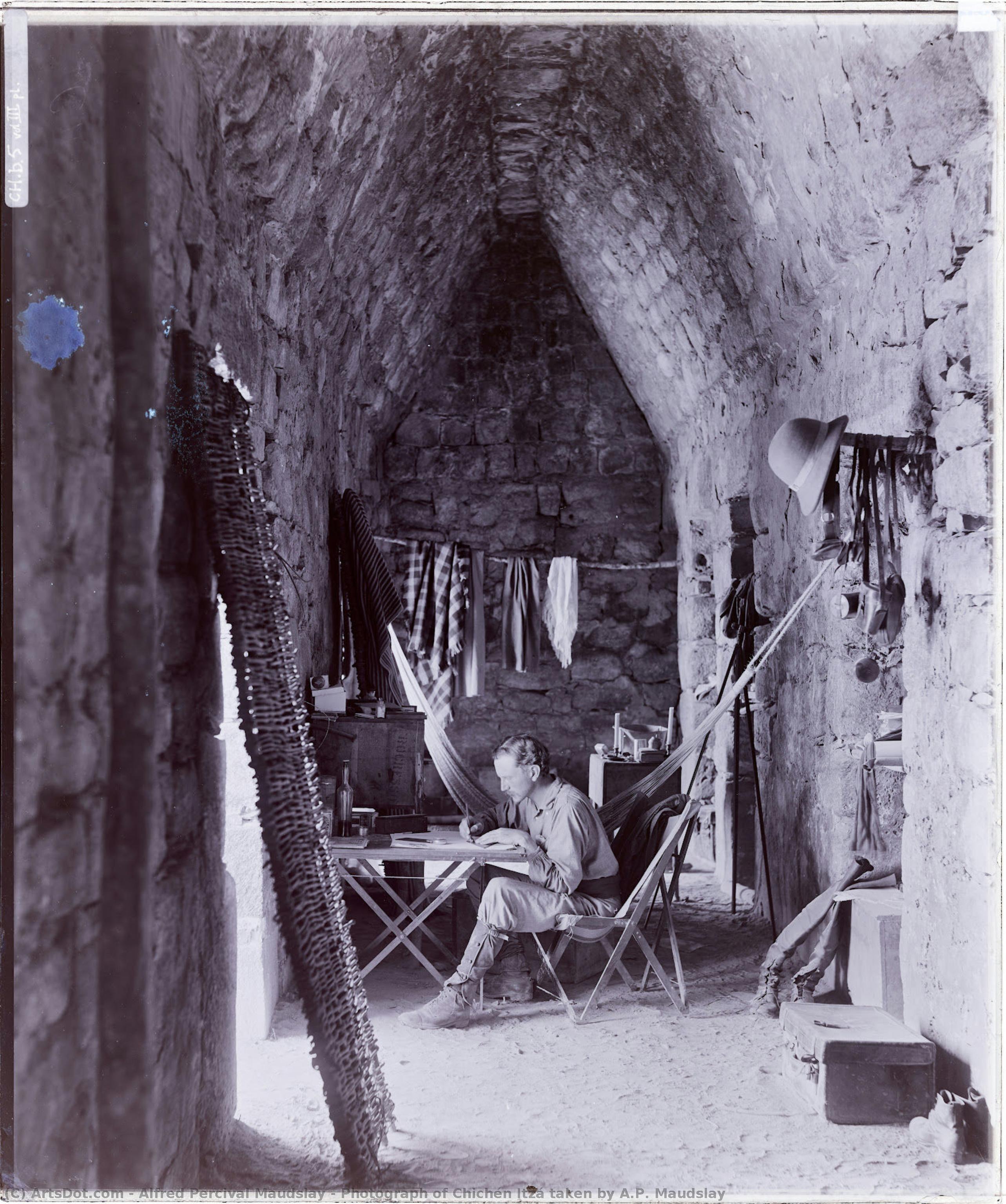
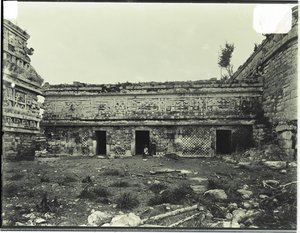
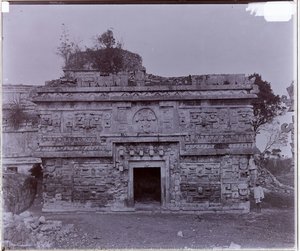
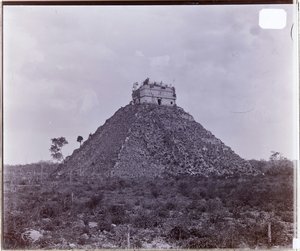
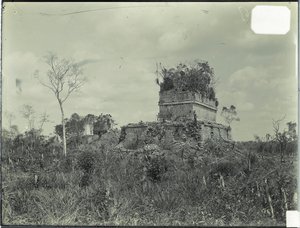
Photograph of Chichén Itzá taken by A.P. Maudslay
 Digital
- Digital
- Impressionistic Photography
 1894
1894- 19th Century
 25.0 x 30.0 cm
 大英博物館
大英博物館
 詳細を見る
詳細を見る




































作品のオリジナル比率に合わせた、当店の規定サイズからお選びください。

特定のフレームやスペースに合わせて、ご希望のサイズをご入力いただけます。選択されたサイズが元の画像の比率と異なる場合、アートワークをトリミングするか、手描きで要素を追加して絵画を拡張いたします。デジタルモックアップ を制作し、制作開始前にご確認(承認)をいただきます。
画面上のプレビューは、実際のトリミングや拡張を正確に反映しているものではありません。最終的な構図は、モックアップによってのみ正確にご確認いただけます。
カスタムサイズもご利用いただけますが、元の比率を維持するためには、あらかじめ用意されたリストからサイズを選択することをお勧めいたします。
ご注文後、ArtsDot.com チームより詳細な指示をお送りするとともに、仕上がりイメージ(モックアップ)をご提供いたします。


 ガラスオプションは、110cm未満のサイズでのみご利用いただけます。

Photograph of Chichén Itzá taken by A.P. Maudslay
複製技法
複製画のサイズ
-


合計金額
$ 263
Alfred Maudslay: Pioneer of Maya Archaeology and Photographic Documentation
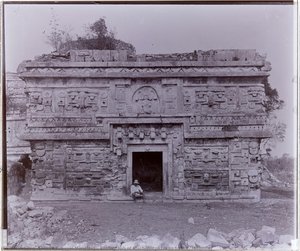
The photograph of Chichén Itzá taken by Alfred Percival Maudslay stands as an exceptional testament to the intersection of scientific inquiry and artistic observation during the late Victorian era. More than just a visual record of an ancient Mayan city, it embodies Maudslay’s groundbreaking approach to archaeological research—a meticulous blend of fieldwork, detailed documentation, and artistic interpretation that continues to inspire scholars and collectors alike. Captured in 1894, this monochrome print exemplifies the wet collodion process, a technique renowned for its remarkable ability to capture intricate textures and subtle tonal variations – qualities paramount to conveying the grandeur and complexity of Chichén Itzá’s monumental architecture.- Subject Matter & Style: Maudslay's photograph focuses squarely on the Great Ball Court—the heart of Chichén Itzá’s ceremonial center—and its towering Temple A, showcasing a dramatic interplay between light and shadow that highlights the weathered stone surfaces and architectural precision. The style is undeniably documentary photography; Maudslay sought not merely to depict the ruins but to meticulously record their form and scale, anticipating many of the techniques employed by modern archaeologists.
- Composition & Technique: The photograph’s central composition centers around a seated man at a folding table—a deliberate inclusion that underscores Maudslay's scholarly pursuits amidst the backdrop of Mayan history. The geometric lines of the stone walls converge towards a vanishing point, creating an illusion of depth and emphasizing the monumental scale of the temple complex. The wet collodion process ensured exceptional detail, allowing Maudslay to capture every nuance of texture—from the rough-hewn stone blocks to the subtle shading on the man’s face—resulting in an image that transcends mere representation.
- Color Palette & Lighting: Stripped bare of color, the photograph prioritizes textural richness and tonal gradation. Light enters from an unseen source on the left side, casting dramatic shadows that accentuate the uneven surfaces of the stone walls and contribute to a palpable sense of atmosphere. This careful manipulation of light—a hallmark of Victorian artistic sensibilities—elevates the image beyond a simple visual record, imbuing it with emotional resonance.
- Historical Context: Maudslay’s work occurred during a period of fervent exploration and scientific discovery—the “Age of Exploration”—characterized by an unwavering belief in empirical observation and systematic analysis. His meticulous documentation of Chichén Itzá represents a pivotal moment in the history of Maya archaeology, establishing precedents for future research endeavors and shaping our understanding of this ancient civilization.
- Symbolic Significance: The photograph’s stark monochrome palette evokes a sense of timelessness—a reminder that we are witnessing a glimpse into the past while simultaneously acknowledging the enduring legacy of Mayan culture. Maudslay's image encapsulates the spirit of intellectual curiosity and artistic endeavor, prompting viewers to contemplate the intersection between scientific observation and aesthetic appreciation.
関連作品
![Arles. Cloitre St. Trophime [north Gallery] — Édouard-denis Baldus, Romantic Realism](/media/artworks/images-thumb/53/c7/53c7ec3cc9c522a5f601e52bdc935d1a.jpg)
アーティストの略歴
生い立ちと教育
アルフレッド・パーシヴァル・モードスレーは、イギリスの植民地行政官であり考古学者でもありました。1850年3月18日、ロンドンの裕福な家庭に生を受けました。彼はケンブリッジ大学トリニティ・ホールにて自然科学を学び、1872年に学士号を取得しています。キャリアと旅路
モードスレーが当初描いていた医学への道は、兄と共に中米、メキシコ、そしてアメリカ合衆国の一部を巡る旅に出たことで、その計画を後にすることとなりました。この旅こそが、後の彼のレガシーとなる考古学への情熱に火をつけたのです。帰国後も、彼は1873年のアイスランドへの旅のために医学部進学を再び延期しました。その後、慢性的な気管支炎に見舞われた彼は、より温暖な気候を求めてジャマイカやトリニニダードへと渡り、やがて南太平洋の地へと辿り着きました。考古学への貢献
イギリス領太平洋植民地で過ごした日々は、彼の将来の考古学的探究の礎となりました。彼は民族誌資料の収集に深い関心を抱き、その活動は最終的にケンブリッジ大学考古学・民族学博物館の形成に寄与することになります。また、鳥類学者の友人であるオブサート・サルヴィンの後押しもあり、モードスレーはキリグアやコパンといったマヤ遺跡の探索へと踏み出していきました。輝かしい功績
- モードスレーは、ヤシュチラン遺跡を初めて詳細に記述した人物です。
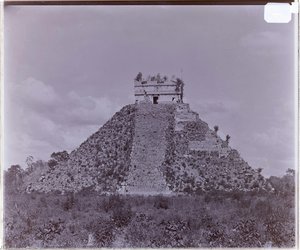
- 1880年代にはチチェン・イッツァを探索し、膨大な数の写真を残しました。
- 著書『ビオロギア・セントラル・アメリカナ』において、チチェン・イッツァに関する初の長編的な記述を出版しました。
- ベルナル・ディアス・デル・カスティロの『歴史』に対し、注釈を加えた完全な翻訳を行い、それは今なお標準的な英語版として親しまれています。
芸術的遺産
モードスレーが残した写真と著作は大切に保存され、19世紀の考古学の世界を垣間見ることができる唯一無二の窓となっています。彼の作品は様々な博物館で目にすることができ、大英博物館(イギリス、ロンドン)には、彼の貴重な写真の数々が収蔵されています。- A.P.モードスレーによるチチェン・イッツァの写真(16 x 21 cm、大英博物館、写真)
- A.P.モードスレーによるチチェン・イッツァの写真(25 x 30 cm、大英博物館、写真)
- A.P.モードスレーによるコパンの写真(31 x 25 cm、大英博物館、写真)
結び
アルフレッド・パーシヴァル・モードスレーの遺した足跡は、好奇心と探究心が持つ力の証です。植民地行政官としての初期の活動から、考古学者として晩年を捧げた日々まで、モードスレーの仕事は今もなお私たちにインスピレーションを与え、学びをもたらし続けています。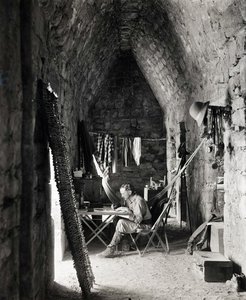
アルフレッド・パーシヴァル・モードスレー
1850 - 1931 , イギリス
基本情報
- Artistic Movement Or Style: 考古学/写真
- Date Of Birth: 1850年
- Date Of Death: 1931年
- Full Name: アルフレッド・パーシヴァル・モードスレー
- Nationality: イギリス
- Notable Artworks: ['チチェン・イッツァの写真']
- Place Of Birth: イギリス、ロンドン
関連記事

Giclée Prints: Archival Quality & Aesthetic Nuances for the Discerning Collector
Explore the world of giclée prints with ArtsDot. Learn about archival quality, aesthetic nuances & investment potential. Expert guidance for discerning art collectors seeking museum-quality reproductions and lasting value.

The Enduring Legacy of Fine Art Prints: Technique, History & Aesthetic Impact
Explore the rich history & techniques of fine art prints. Discover investment potential, assess authenticity, and learn how to preserve your collection with expert guidance. Trusted insights for discerning collectors.

Echoes of Time: Exploring the Enduring Appeal & Historical Context of Vintage Art Prints
Explore the captivating world of vintage art prints! Discover their history, collecting tips & enduring appeal. Expert insights on chromolithography and building a legacy collection with ArtsDot.
The Enduring Legacy of Printmaking: Techniques, Themes & Artistic Innovation Across Centuries
Explore the rich history of printmaking with ArtsDot. Discover techniques from intaglio to lithography, learn about collecting valuable prints & find museum-quality reproductions. Expert insights for art enthusiasts and collectors.
The Enduring Legacy of Woodblock Printmaking: Technique, History & Artistic Expression
Explore the rich history of woodblock printmaking – from ancient techniques to Ukiyo-e masterpieces. Discover expert insights on collecting, preserving & appreciating this enduring art form.

