

 プレビュー
プレビュー
 プリントを購入
 シェアする
シェアする シェアする
シェアする
 詳細を見る
詳細を見る

 ダウンロード
 似ている作品
 X線調査
X線調査 スライドショー
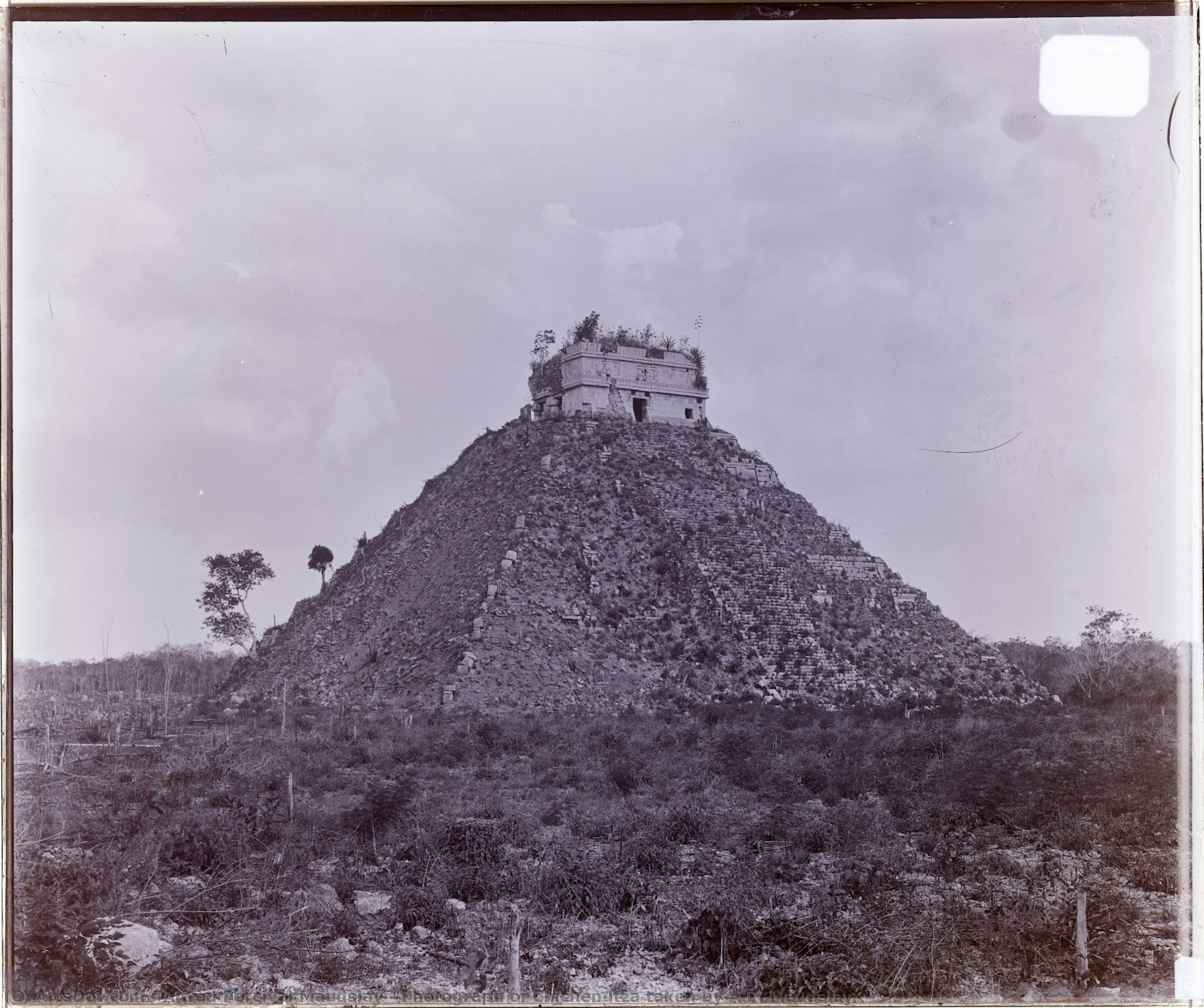
Photograph of Chichén Itzá taken by A.P. Maudslay
 Acrylic
- WallArt
- Documentary Photography
 1894
1894 25.0 x 30.0 cm
 大英博物館
大英博物館
 詳細を見る
詳細を見る




P118B $10

P118H $10

P118W $10

P438Z $10

P508JH $12

P508YH $12

P805H $10

P805Z $10

P919BZ $10

P919G $10

P919XJ $10

P959ZH $10

P968JZ $12

W106C $8

W218G $10

W218JH $8

W218Y $10

W307PJ $10

W316G $10

W316PJ $8

W316Y $10

W398PJ $8

W4111J $10

W500HY $15

W500JH $15

W692G $12

W849H $8

W940BG $15

W953PJ $8




作品のオリジナル比率に合わせた、当店の規定サイズからお選びください。

特定のフレームやスペースに合わせて、ご希望のサイズをご入力いただけます。選択されたサイズが元の画像の比率と異なる場合、アートワークをトリミングするか、手描きで要素を追加して絵画を拡張いたします。デジタルモックアップ を制作し、制作開始前にご確認(承認)をいただきます。
画面上のプレビューは、実際のトリミングや拡張を正確に反映しているものではありません。最終的な構図は、モックアップによってのみ正確にご確認いただけます。
カスタムサイズもご利用いただけますが、元の比率を維持するためには、あらかじめ用意されたリストからサイズを選択することをお勧めいたします。
ご注文後、ArtsDot.com チームより詳細な指示をお送りするとともに、仕上がりイメージ(モックアップ)をご提供いたします。


 ガラスオプションは、110cm未満のサイズでのみご利用いただけます。

Photograph of Chichén Itzá taken by A.P. Maudslay
複製技法
複製画のサイズ
-


合計金額
$ 263
A Window into the Ancient World: Alfred Percival Maudslay’s Vision of Chichén Itzá
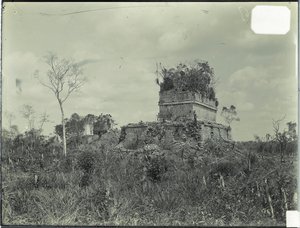
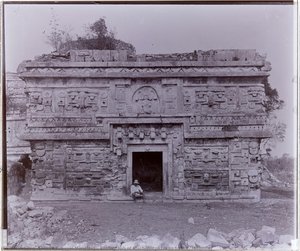
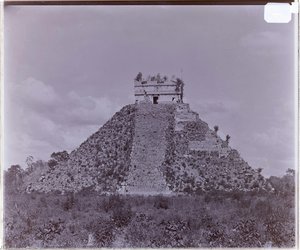
The image before you – “Photograph of Chichén Itzá taken by A.P. Maudslay” – is more than a simple depiction of an ancient Mayan city; it's a meticulously crafted portal into the late 19th century, a testament to the burgeoning field of archaeological exploration, and a poignant reminder of a civilization’s enduring legacy. Captured in stark black and white during 1894, this remarkable wet collodion photograph by British colonial administrator and archaeologist Alfred Percival Maudslay offers an extraordinarily detailed and evocative view of Chichén Itzá – the sprawling Mayan metropolis nestled within the Yucatán Peninsula of Mexico. The photograph immediately draws the eye to a monumental stone structure, likely a temple or fortress, dominating the frame with its weathered walls and subtly crumbling grandeur. This isn’t merely a snapshot; it's a carefully composed scene imbued with a palpable sense of history, decay, and the thrilling anticipation of discovery – a feeling that speaks volumes about Maudslay’s pioneering work.
The Pioneer: Alfred Percival Maudslay and His Method
Understanding the photograph requires appreciating the context of its creation. Alfred Percival Maudslay wasn't simply documenting ruins; he was fundamentally reshaping how they were studied. Born into a wealthy British family, Maudslay initially pursued a career in medicine but found himself increasingly drawn to the exotic and unexplored corners of Central America. His travels through the British Pacific colonies – Jamaica, Trinidad, Fiji, Tonga, and Samoa – instilled in him a deep respect for indigenous cultures and a methodical approach to observation. He wasn’t an artist in the traditional sense, yet his photographic eye was remarkably acute, capturing details with precision and a keen awareness of composition. Crucially, Maudslay pioneered the use of wet collodion photography—a demanding process requiring immediate development—allowing him to document the ruins with unprecedented clarity and detail. His meticulous approach involved hiring local laborers, employing plaster casts to preserve intricate carvings, and painstakingly recording inscriptions – techniques that would become cornerstones of modern archaeological documentation.
Decoding the Image: Symbolism and Composition
The photograph’s power lies not only in its technical brilliance but also in its carefully constructed symbolism. The horizontal format emphasizes the sheer scale and imposing presence of Chichén Itzá, immediately establishing a sense of awe and wonder. The central stone structure – likely the Temple of Kukulcán – is positioned with deliberate precision, anchoring the composition while simultaneously inviting the viewer to explore the surrounding landscape. Notice the subtle interplay of light and shadow, highlighting the textures of the weathered stones and creating a dramatic contrast between the solid architecture and the sparse vegetation. The inclusion of figures—likely local inhabitants or perhaps early tourists—adds a human element to the scene, reminding us that this was not just a collection of ancient ruins but a living landscape inhabited by people with their own stories.
A Legacy in Stone: Historical Context and Significance
“Photograph of Chichén Itzá taken by A.P. Maudslay” is more than just a historical artifact; it’s a crucial document in the development of archaeological science. Published as part of his monumental five-volume work, *Biologia Centrali-Americana: Archaeology*, the photograph played a vital role in raising awareness of Mayan culture and inspiring further research. Maudslay's detailed documentation provided invaluable insights into the city’s architecture, art, and religious practices – knowledge that continues to inform our understanding of this remarkable civilization today. The image stands as a testament to his dedication, his meticulous methods, and his profound respect for the past. It is a window into a world long gone, inviting us to contemplate the enduring legacy of the Mayan people.
関連作品
アーティストの略歴
生い立ちと教育
アルフレッド・パーシヴァル・モードスレーは、イギリスの植民地行政官であり考古学者でもありました。1850年3月18日、ロンドンの裕福な家庭に生を受けました。彼はケンブリッジ大学トリニティ・ホールにて自然科学を学び、1872年に学士号を取得しています。キャリアと旅路
モードスレーが当初描いていた医学への道は、兄と共に中米、メキシコ、そしてアメリカ合衆国の一部を巡る旅に出たことで、その計画を後にすることとなりました。この旅こそが、後の彼のレガシーとなる考古学への情熱に火をつけたのです。帰国後も、彼は1873年のアイスランドへの旅のために医学部進学を再び延期しました。その後、慢性的な気管支炎に見舞われた彼は、より温暖な気候を求めてジャマイカやトリニニダードへと渡り、やがて南太平洋の地へと辿り着きました。考古学への貢献
イギリス領太平洋植民地で過ごした日々は、彼の将来の考古学的探究の礎となりました。彼は民族誌資料の収集に深い関心を抱き、その活動は最終的にケンブリッジ大学考古学・民族学博物館の形成に寄与することになります。また、鳥類学者の友人であるオブサート・サルヴィンの後押しもあり、モードスレーはキリグアやコパンといったマヤ遺跡の探索へと踏み出していきました。輝かしい功績
- モードスレーは、ヤシュチラン遺跡を初めて詳細に記述した人物です。
- 1880年代にはチチェン・イッツァを探索し、膨大な数の写真を残しました。
- 著書『ビオロギア・セントラル・アメリカナ』において、チチェン・イッツァに関する初の長編的な記述を出版しました。
- ベルナル・ディアス・デル・カスティロの『歴史』に対し、注釈を加えた完全な翻訳を行い、それは今なお標準的な英語版として親しまれています。
芸術的遺産
モードスレーが残した写真と著作は大切に保存され、19世紀の考古学の世界を垣間見ることができる唯一無二の窓となっています。彼の作品は様々な博物館で目にすることができ、大英博物館(イギリス、ロンドン)には、彼の貴重な写真の数々が収蔵されています。- A.P.モードスレーによるチチェン・イッツァの写真(16 x 21 cm、大英博物館、写真)
- A.P.モードスレーによるチチェン・イッツァの写真(25 x 30 cm、大英博物館、写真)
- A.P.モードスレーによるコパンの写真(31 x 25 cm、大英博物館、写真)
結び
アルフレッド・パーシヴァル・モードスレーの遺した足跡は、好奇心と探究心が持つ力の証です。植民地行政官としての初期の活動から、考古学者として晩年を捧げた日々まで、モードスレーの仕事は今もなお私たちにインスピレーションを与え、学びをもたらし続けています。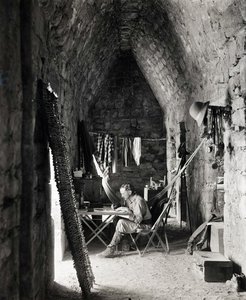
アルフレッド・パーシヴァル・モードスレー
1850 - 1931 , イギリス
基本情報
- Artistic Movement Or Style: 考古学/写真
- Date Of Birth: 1850年
- Date Of Death: 1931年
- Full Name: アルフレッド・パーシヴァル・モードスレー
- Nationality: イギリス
- Notable Artworks: ['チチェン・イッツァの写真']
- Place Of Birth: イギリス、ロンドン
関連記事

Sir Alfred Munnings' Masterpieces: 25 Paintings That Define Equine Art | ArtsDot
Explore 25 iconic Sir Alfred Munnings paintings! Discover the beauty of British Impressionism, equine art & rural England. Find museum-quality reproductions and elevate your home decor with ArtsDot. Explore the full collection online.
Hubert Robert: Picturing Ruins, Preserving Memory – A Study of Romantic Antiquarianism & Artistic Innovation
Explore the captivating world of Hubert Robert, master of Romantic landscape painting & 'capriccio' ruins. Discover his historical context, artistic innovations, and collecting insights with ArtsDot.
Alfred Stevens: Capturing Parisian Elegance & Fin-de-Siècle Intimacy
Discover the captivating world of Alfred Stevens, master of Parisian elegance & intimate portraiture. Explore his techniques, influences, and legacy – a prized collection for discerning art enthusiasts.
Alfred Wallis: Rediscovering the Naïve Visionary of Cornish Life
Discover the captivating world of Alfred Wallis, the self-taught Cornish painter championed by modernists. Explore his unique naive style, maritime scenes & lasting legacy with ArtsDot.
Alfred Henry Maurer: Reassessing the Pioneer of American Modernist Abstraction
Explore the groundbreaking work of Alfred Henry Maurer, a pivotal figure in American Modernism. Discover his Fauvist & Cubist paintings and understand his lasting influence on abstract art. Expert analysis for collectors.

