

 プリントを購入
 シェアする
シェアする シェアする
シェアする
 詳細を見る
詳細を見る

 ダウンロード
 似ている作品
 スライドショー
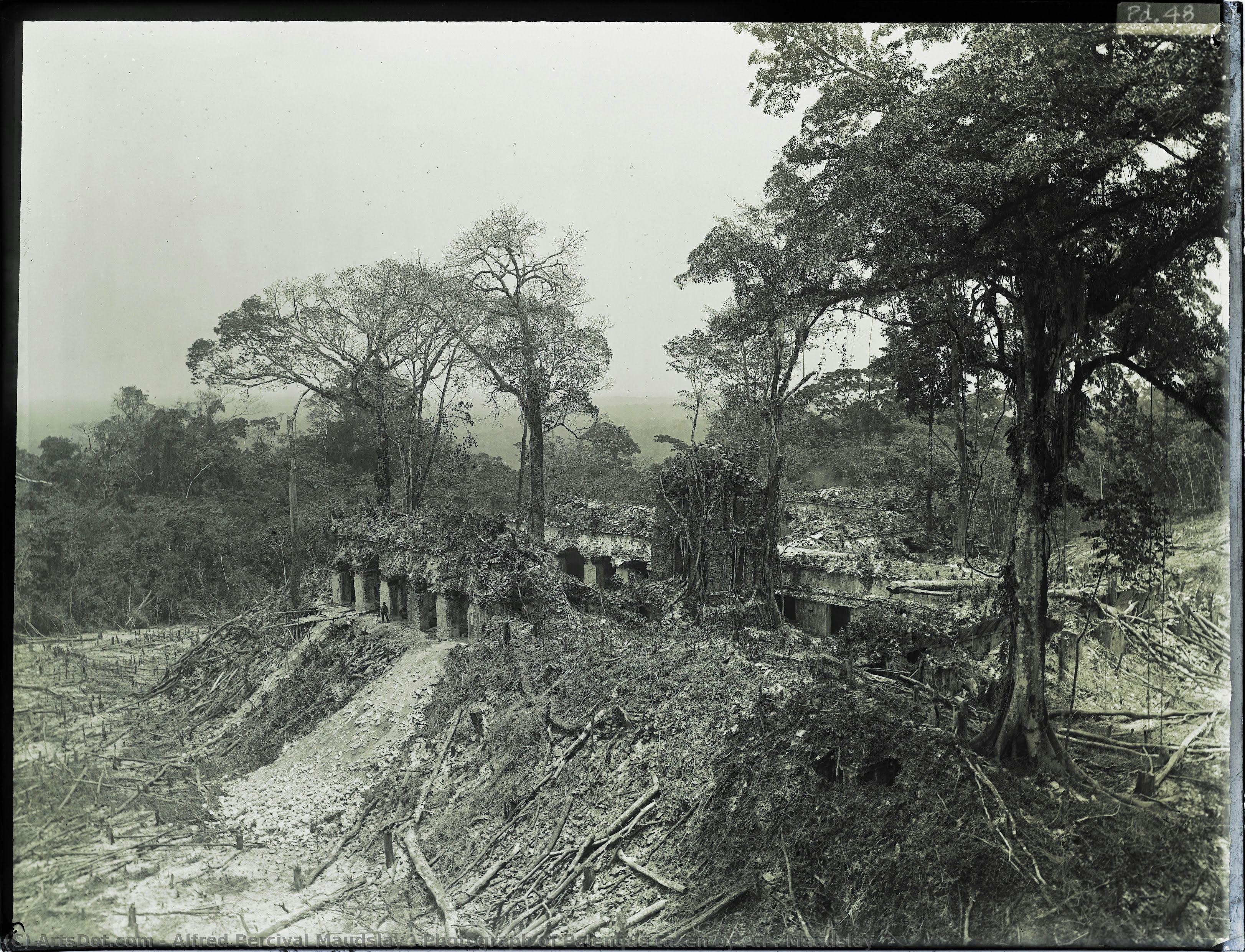
Photograph of Palenque taken by A.P. Maudslay
 Black and White Photography
- Photo
- Documentary Photography
 1894
1894- 19th Century
 16.0 x 21.0 cm
 大英博物館
大英博物館
 詳細を見る
詳細を見る




































作品のオリジナル比率に合わせた、当店の規定サイズからお選びください。

特定のフレームやスペースに合わせて、ご希望のサイズをご入力いただけます。選択されたサイズが元の画像の比率と異なる場合、アートワークをトリミングするか、手描きで要素を追加して絵画を拡張いたします。デジタルモックアップ を制作し、制作開始前にご確認(承認)をいただきます。
画面上のプレビューは、実際のトリミングや拡張を正確に反映しているものではありません。最終的な構図は、モックアップによってのみ正確にご確認いただけます。
カスタムサイズもご利用いただけますが、元の比率を維持するためには、あらかじめ用意されたリストからサイズを選択することをお勧めいたします。
ご注文後、ArtsDot.com チームより詳細な指示をお送りするとともに、仕上がりイメージ(モックアップ)をご提供いたします。


 ガラスオプションは、110cm未満のサイズでのみご利用いただけます。

Photograph of Palenque taken by A.P. Maudslay
複製技法
複製画のサイズ
-


合計金額
$ 288
A Window into the Past: The Lost World of Palenque
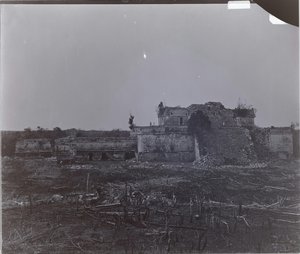
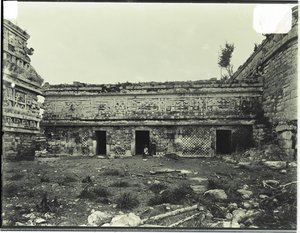
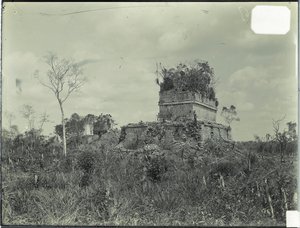
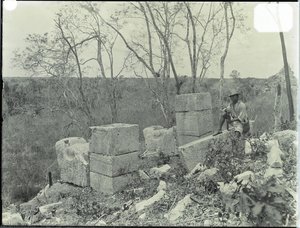
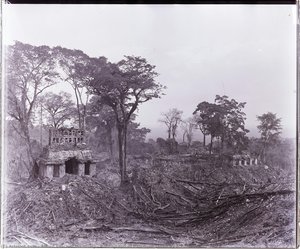
In this evocative monochrome photograph captured in 1894 by Alfred Percival Maudslay, we are transported to a moment where history and nature exist in a delicate, haunting embrace. The image presents the ancient ruins of Palenque not merely as archaeological specimens, but as silent protagonists in a drama of reclamation. Through the lens of late 19th-century documentary photography, the viewer is invited to witness the majestic stone structures of the Maya civilization as they are slowly being enveloped by the lush, untamed vegetation of the Mexican jungle. There is a profound sense of stillness in this composition, a quietude that speaks to the centuries of solitude these ruins endured before the eyes of the modern world found them.
The technical mastery of the wet collodion process—or similar era-specific photographic techniques—is evident in the rich, tonal depth of the grayscale palette. Maudslay utilizes a sophisticated interplay of light and shadow to breathe life into the inanimate stone. The lighting, soft and diffused as if filtered through an overcast jungle canopy, eliminates harsh contrasts, allowing for a subtle gradation of grays that defines the rugged textures of the ruins. One can almost feel the dampness of the air and the rough, weathered surfaces of the ancient masonry. The composition is expertly balanced; strong vertical lines from towering tree trunks provide a structural rhythm that contrasts beautifully with the horizontal, geometric remnants of human ambition, creating a visual tension between the permanence of stone and the ephemeral growth of the forest.
The Poetics of Decay and Discovery
Beyond its documentary value, this photograph serves as a poignant meditation on the passage of time and the inevitable cycle of life and decay. The way the organic shapes of the foliage overlap and obscure the man-made elements creates a sense of mystery and depth, suggesting that much of history remains hidden beneath the verdant shroud of the earth. For the collector or the interior designer, this piece offers more than just a historical record; it provides an emotional anchor for a space. The monochromatic tones lend a timeless elegance, making it a versatile choice for sophisticated environments that seek to evoke a sense of intellectual curiosity and melancholic beauty.
To possess a reproduction of this work is to hold a fragment of the Victorian era's great archaeological spirit. Maudslay, a man whose life was defined by exploration and the meticulous documentation of the unknown, captured here the very essence of discovery. The image resonates with the romanticism of the 19th-century explorer, yet it maintains an objective, scientific clarity that honors the integrity of the site. It is a piece that invites contemplation, prompting the viewer to reflect on the rise and fall of civilizations and the enduring power of the natural world to reclaim what was once lost.
関連作品
アーティストの略歴
生い立ちと教育
アルフレッド・パーシヴァル・モードスレーは、イギリスの植民地行政官であり考古学者でもありました。1850年3月18日、ロンドンの裕福な家庭に生を受けました。彼はケンブリッジ大学トリニティ・ホールにて自然科学を学び、1872年に学士号を取得しています。キャリアと旅路
モードスレーが当初描いていた医学への道は、兄と共に中米、メキシコ、そしてアメリカ合衆国の一部を巡る旅に出たことで、その計画を後にすることとなりました。この旅こそが、後の彼のレガシーとなる考古学への情熱に火をつけたのです。帰国後も、彼は1873年のアイスランドへの旅のために医学部進学を再び延期しました。その後、慢性的な気管支炎に見舞われた彼は、より温暖な気候を求めてジャマイカやトリニニダードへと渡り、やがて南太平洋の地へと辿り着きました。考古学への貢献
イギリス領太平洋植民地で過ごした日々は、彼の将来の考古学的探究の礎となりました。彼は民族誌資料の収集に深い関心を抱き、その活動は最終的にケンブリッジ大学考古学・民族学博物館の形成に寄与することになります。また、鳥類学者の友人であるオブサート・サルヴィンの後押しもあり、モードスレーはキリグアやコパンといったマヤ遺跡の探索へと踏み出していきました。輝かしい功績
- モードスレーは、ヤシュチラン遺跡を初めて詳細に記述した人物です。
- 1880年代にはチチェン・イッツァを探索し、膨大な数の写真を残しました。
- 著書『ビオロギア・セントラル・アメリカナ』において、チチェン・イッツァに関する初の長編的な記述を出版しました。
- ベルナル・ディアス・デル・カスティロの『歴史』に対し、注釈を加えた完全な翻訳を行い、それは今なお標準的な英語版として親しまれています。
芸術的遺産
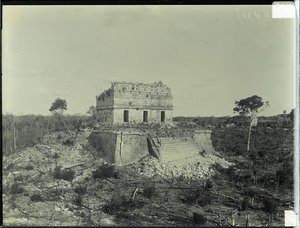
モードスレーが残した写真と著作は大切に保存され、19世紀の考古学の世界を垣間見ることができる唯一無二の窓となっています。彼の作品は様々な博物館で目にすることができ、大英博物館(イギリス、ロンドン)には、彼の貴重な写真の数々が収蔵されています。- A.P.モードスレーによるチチェン・イッツァの写真(16 x 21 cm、大英博物館、写真)
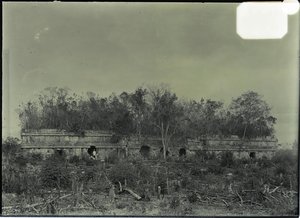
- A.P.モードスレーによるチチェン・イッツァの写真(25 x 30 cm、大英博物館、写真)
- A.P.モードスレーによるコパンの写真(31 x 25 cm、大英博物館、写真)
結び
アルフレッド・パーシヴァル・モードスレーの遺した足跡は、好奇心と探究心が持つ力の証です。植民地行政官としての初期の活動から、考古学者として晩年を捧げた日々まで、モードスレーの仕事は今もなお私たちにインスピレーションを与え、学びをもたらし続けています。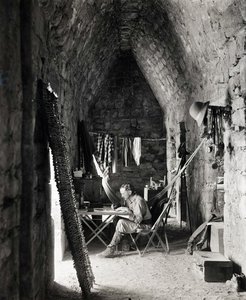
アルフレッド・パーシヴァル・モードスレー
1850 - 1931 , イギリス
基本情報
- Artistic Movement Or Style: 考古学/写真
- Date Of Birth: 1850年
- Date Of Death: 1931年
- Full Name: アルフレッド・パーシヴァル・モードスレー
- Nationality: イギリス
- Notable Artworks: ['チチェン・イッツァの写真']
- Place Of Birth: イギリス、ロンドン
関連記事

Monochrome Visions: Exploring the Aesthetic & Historical Significance of Black & White Photography
Explore the rich history & artistic power of black and white photography. From early techniques to iconic masters like Ansel Adams, discover why monochrome continues to captivate art lovers today. Expert insights for collectors.
Beyond the Lens: Photography's Enduring Influence on Modern & Contemporary Art
Explore photography's pivotal role in shaping modern & contemporary art. Discover key movements, influential artists like Stieglitz, and expert collecting advice from ArtsDot.
Pictorialism: A Search for Artistic Photography's Soul – Aesthetics, Techniques & Legacy
Explore the captivating world of Pictorialism – a pivotal movement that transformed photography into fine art. Discover key artists like Stieglitz & Käsebier, techniques, and collecting tips from experts.
Witnessing History Through Lens & Light: Documentary Photography's Enduring Legacy
Explore the powerful history of documentary photography – from its origins to contemporary masters like Gordon Parks & W. Eugene Smith. Discover how this art form shapes our understanding of society and witness pivotal moments in time.
Timeless & Chic: Elevating Your New Home with the Sophistication of Black and White Photography
Transform your new home with the timeless allure of black and white photography. ArtsDot.com specializes in elegant monochrome decor and custom hand-painted wedding portraits that turn cherished milestones into lasting, soulful masterpieces. Elevate your space with ease.