

 プレビュー
プレビュー
 シェアする
シェアする シェアする
シェアする
 詳細を見る
詳細を見る

 ダウンロード
 似ている作品
 X線調査
X線調査 スライドショー
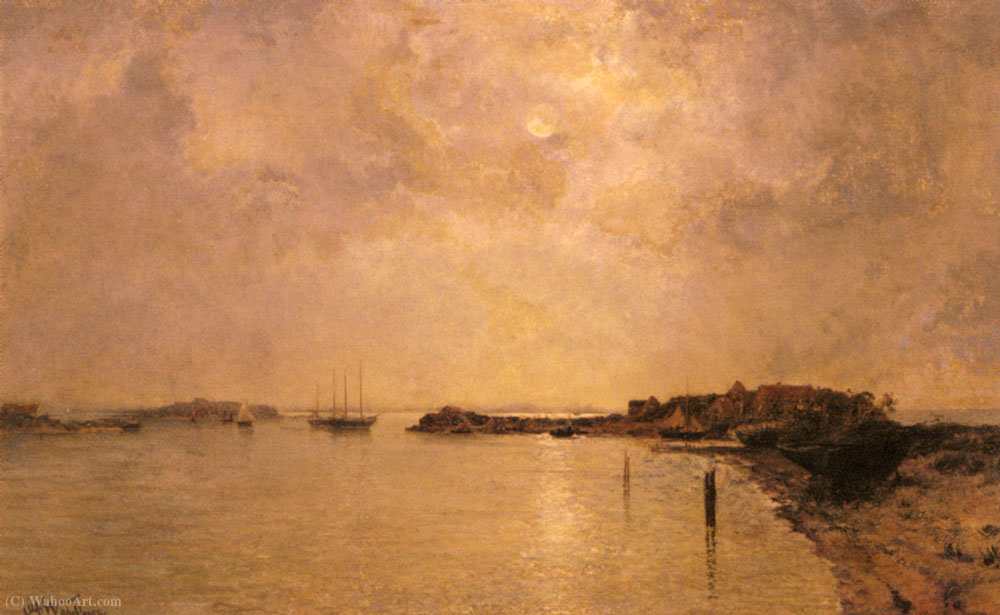
Coastal village by moonlight

 詳細を見る
詳細を見る
ジークレー/アートプリント
迅速な制作と多彩な仕上げオプションを備えた、ミュージアムクオリティのジークレーまたはキャンバスプリント。 ( 手描きの絵画を購入 画像を購入)




































作品のオリジナル比率に合わせた、当店の規定サイズからお選びください。

特定のフレームやスペースに合わせて、ご自身でサイズを指定することも可能です。選択されたサイズが元の画像の比率と一致しない場合、作品をトリミングするか、鏡面反射または単色での塗りつぶしによって画像を拡張いたします。制作を開始する前に、ご確認用のデジタルモックアップをお送りいたします。
画面上のプレビューには、実際のトリミングや拡張は反映されませんのでご注意ください。最終的な構図を正確に確認できるのは、モックアップのみとなります。
カスタムサイズも承っておりますが、元の比率を維持するためには、あらかじめ用意されたリストからサイズを選択することをお勧めいたします。


 ガラスオプションは、110cm未満のサイズでのみご利用いただけます。

Coastal village by moonlight
ジークレー/アートプリント
複製画のサイズ
-


合計金額
$ 62
関連作品

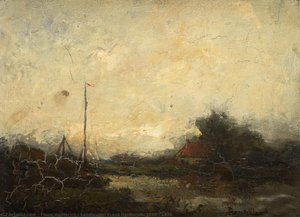
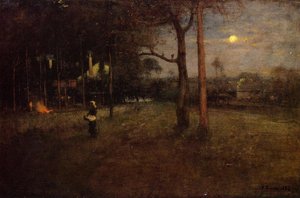
アーティストの略歴
The Enchanting World of Alfred Wahlberg: A Painter of Nordic Light
Alfred Wahlberg, a name synonymous with the evocative landscapes and tranquil scenes of Sweden, occupies a significant yet often understated position within Scandinavian painting. While biographical details remain somewhat sparse – a characteristic common to artists whose focus lay primarily on their craft rather than self-promotion – his work speaks volumes about a deep connection to the natural world and a masterful ability to capture its fleeting moods. Wahlberg’s art isn't merely a depiction of place; it is an emotional resonance with the spirit of the Nordic countryside, particularly the coastal regions and riverlands that so profoundly inspired him. He wasn’t simply *painting* Sweden; he was translating its soul onto canvas.Early Life and Artistic Development
Born in Sweden (the exact date remains undocumented), Alfred Wahlberg emerged during a period of burgeoning national romanticism, an artistic movement that celebrated the unique beauty and cultural identity of individual nations. This context proved formative for his aesthetic sensibilities. While formal training details are limited, it’s evident that Wahlberg possessed a keen observational eye and a natural aptitude for rendering light and atmosphere. His early works demonstrate a clear influence from the 19th-century landscape tradition, but he quickly moved beyond mere imitation, developing a distinctive style characterized by soft brushwork, muted color palettes, and an emphasis on capturing the subtle nuances of twilight and moonlight. He wasn’t drawn to dramatic vistas or grand narratives; instead, his focus rested on the quiet poetry of everyday life – a lone farmhouse nestled amongst trees, a river winding its way through fields, the gentle glow of a moonlit night.Themes and Techniques: A Symphony of Light and Shadow
Wahlberg’s oeuvre is dominated by scenes of Swedish coastal villages, serene riverscapes, and intimate depictions of rural life. He possessed an extraordinary talent for portraying water – its reflective qualities, its movement, its ability to absorb and refract light. His moonlit river scenes are particularly captivating, evoking a sense of stillness and mystery. The artist’s technique is marked by a delicate layering of paint, creating a soft, atmospheric effect that blurs the boundaries between reality and dream. He often employed a limited color palette – predominantly blues, greens, grays, and browns – to convey the cool, subdued tones of the Nordic landscape. This restraint wasn’t a limitation but rather a deliberate choice, allowing him to focus on capturing the subtle gradations of light and shadow that define his work. The use of *sfumato*, a technique popularized by Leonardo da Vinci involving soft, blurred outlines, is also evident in Wahlberg's paintings, contributing to their ethereal quality.Influence and Historical Significance
While not directly associated with any specific art school or movement, Alfred Wahlberg’s work resonates with the broader currents of Scandinavian romanticism and naturalism. His paintings share affinities with those of other Nordic landscape artists who sought to capture the unique beauty of their homelands. However, Wahlberg's distinctive style – his emphasis on atmosphere, his muted color palette, and his focus on capturing the quiet poetry of everyday life – sets him apart. He is considered a key figure in portraying the Swedish countryside during the 19th century, offering a glimpse into a way of life that was rapidly changing with industrialization and urbanization.- His work provides valuable insight into the cultural values and aesthetic sensibilities of the period.
- Wahlberg’s paintings continue to resonate with contemporary audiences seeking solace and beauty in the natural world.
- He represents a bridge between traditional landscape painting and more modern approaches to capturing atmosphere and emotion.
Legacy: A Lasting Impression of Nordic Beauty
Although Alfred Wahlberg’s life remains shrouded in some mystery, his artistic legacy is undeniable. His evocative paintings continue to captivate viewers with their serene beauty and emotional depth. He wasn't a painter of grand gestures or dramatic events; he was a master of capturing the quiet poetry of everyday life – the gentle glow of moonlight on water, the stillness of a forest, the warmth of a farmhouse hearth. Through his art, Wahlberg invites us to slow down, to appreciate the beauty that surrounds us, and to connect with the spirit of the Nordic countryside. His work serves as a timeless reminder of the power of nature to inspire and uplift the human soul, solidifying his place as an important voice in Scandinavian painting and a beloved interpreter of Sweden’s enduring charm.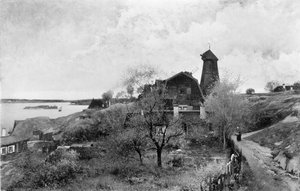
関連記事
Sir Alfred Munnings' Masterpieces: 25 Paintings That Define Equine Art | ArtsDot
Explore 25 iconic Sir Alfred Munnings paintings! Discover the beauty of British Impressionism, equine art & rural England. Find museum-quality reproductions and elevate your home decor with ArtsDot. Explore the full collection online.

ロマン派ランドスケープ:時代を彩る巨匠の10選|アートとインテリアの世界
ロマン派絵画の時代を彩る10選。巨匠たちの風景が織りなす感動の世界へ。ターナー、ルーベンスなど、名作の裏話と高精細複製でアートをお部屋に。ArtsDot.comで至福のアート体験を。

Evocations of Place: A Historical Journey Through Landscape Art
Explore the rich history of landscape art with ArtsDot. Discover renowned artists, movements like Impressionism & Romanticism, and expert guidance for collecting timeless pieces. Find your perfect serene escape today!
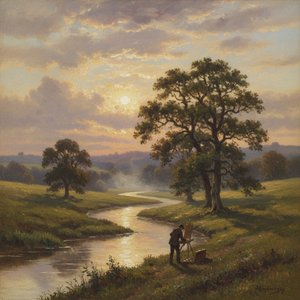
Alfred East: Pioneering Plein Air & Evoking Atmospheric Landscapes
Explore the life & work of Alfred East, a pioneer of British plein air painting. Discover his techniques for capturing atmospheric landscapes, Barbizon influences, and lasting legacy. Learn more at ArtsDot.
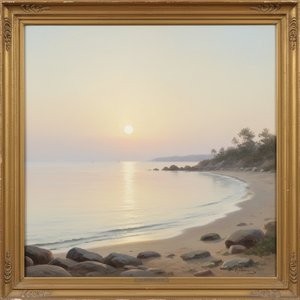
Alfred Thompson Bricher: Luminism & the American Landscape Tradition
Explore the luminous landscapes of Alfred Thompson Bricher (1837-1908), a key figure in American Luminism and the Hudson River School. Discover his masterful maritime paintings & legacy.

