

 プレビュー
プレビュー
 シェアする
シェアする シェアする
シェアする
 詳細を見る
詳細を見る

 ダウンロード
 似ている作品
 X線調査
X線調査 スライドショー
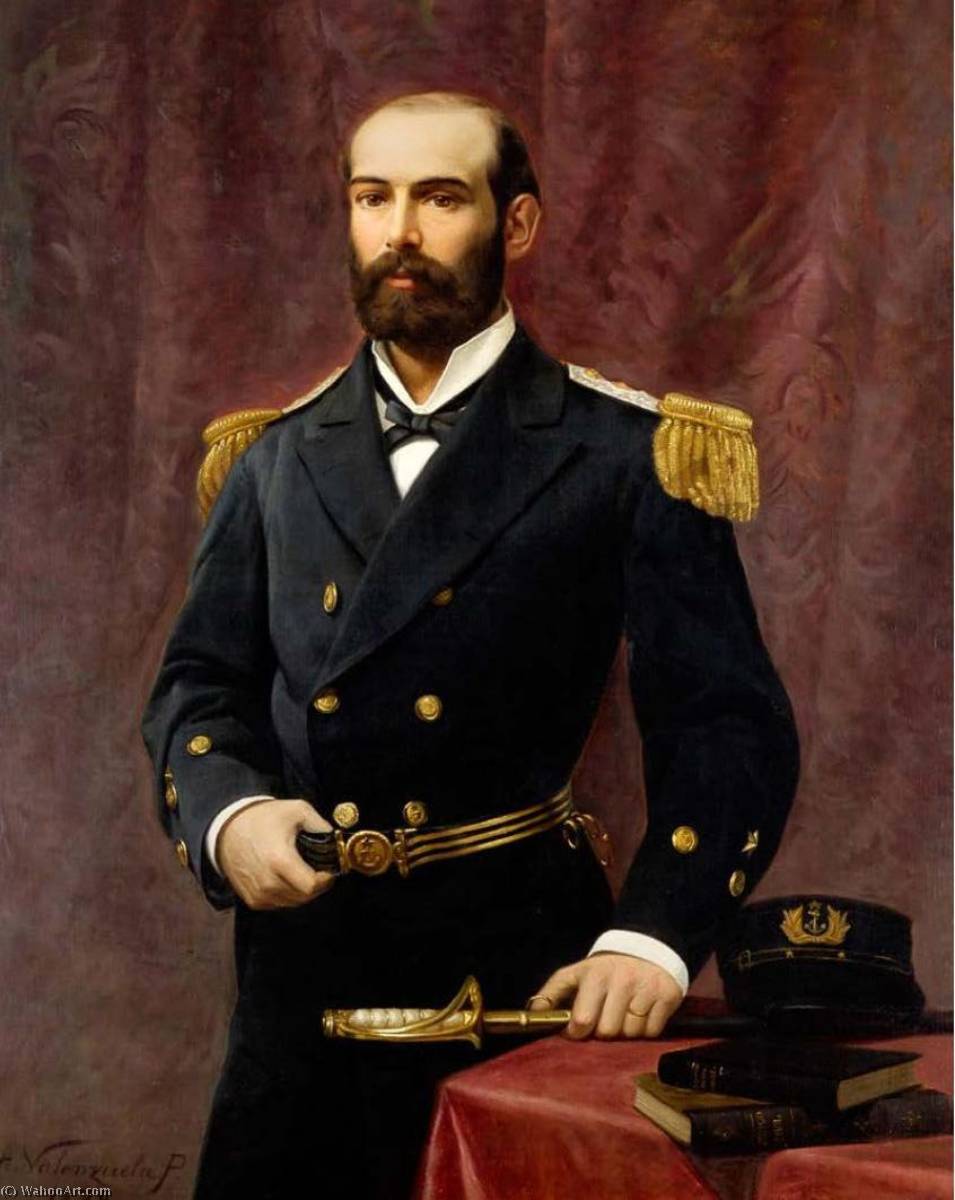
Untitled (AQRDHJ)

 詳細を見る
詳細を見る
ジークレー/アートプリント
迅速な制作と多彩な仕上げオプションを備えた、ミュージアムクオリティのジークレーまたはキャンバスプリント。 ( 手描きの絵画を購入 画像を購入)




































作品のオリジナル比率に合わせた、当店の規定サイズからお選びください。

特定のフレームやスペースに合わせて、ご自身でサイズを指定することも可能です。選択されたサイズが元の画像の比率と一致しない場合、作品をトリミングするか、鏡面反射または単色での塗りつぶしによって画像を拡張いたします。制作を開始する前に、ご確認用のデジタルモックアップをお送りいたします。
画面上のプレビューには、実際のトリミングや拡張は反映されませんのでご注意ください。最終的な構図を正確に確認できるのは、モックアップのみとなります。
カスタムサイズも承っておりますが、元の比率を維持するためには、あらかじめ用意されたリストからサイズを選択することをお勧めいたします。


 ガラスオプションは、110cm未満のサイズでのみご利用いただけます。

Untitled (AQRDHJ)
ジークレー/アートプリント
複製画のサイズ
-


合計金額
$ 62
関連作品








アーティストの略歴
A Chilean Master of Realism: The Life and Art of Alfredo Valenzuela Puelma
Alfredo Valenzuela Puelma, born in the vibrant port city of Valparaiso, Chile, in 1856, stands as a pivotal figure in the nation’s artistic heritage. His life was a compelling narrative woven with threads of academic rigor, Parisian influence, and a deeply personal struggle that ultimately shaped his distinctive artistic vision. From an early age, Valenzuela Puelma demonstrated a remarkable aptitude for drawing, prompting his enrollment at the Academy of Fine Arts in Santiago at just twelve years old, where he studied under the tutelage of Ernesto Kirchbach and Juan Mochi. This formal training was uniquely balanced with studies in medicine—a testament to his intellectual curiosity and breadth of interests that would subtly inform his artistic perspective. He wasn’t merely a painter; he was an observer of life, anatomy, and the human condition, all elements that found their way onto his canvases.Parisian Refinement and Artistic Development
A turning point in Valenzuela Puelma's career arrived in 1881 with a Chilean government scholarship that propelled him to Paris—the epicenter of the art world at the time. He entered the workshop of Benjamin Constant, immersing himself in the artistic currents of the era. Simultaneously, he pursued anatomical studies at the Sorbonne, exposing himself to emerging movements like those championed by the Manet School. While acknowledging these modern trends, Valenzuela Puelma found a deeper resonance in the Old Masters, spending countless hours copying Spanish masters at the Louvre. This deliberate engagement with the past profoundly shaped his stylistic development, instilling within him a reverence for technique and composition that would become hallmarks of his work. A second scholarship in 1887 allowed further refinement under Jean Paul Laurens, solidifying his academic foundation and honing his skills. It was during these formative years in Paris that Valenzuela Puelma began to forge the distinctive path that would set him apart as a leading Chilean Realist painter.A Diverse Oeuvre: Themes and Techniques
Upon returning to Chile, Valenzuela Puelma actively engaged with the burgeoning art scene, consistently submitting works to exhibitions and competitions in Santiago where he garnered consistent recognition. He also took on administrative roles at the Theater La Victoria and managed various art exhibitions in Valparaíso during the 1890s, demonstrating a commitment to fostering cultural life beyond his own artistic practice. His oeuvre is remarkably diverse, encompassing landscapes imbued with atmospheric light, intimate interiors revealing glimpses of domestic life, compelling portraits that capture the essence of his subjects, delicate still lifes, and notably, sensuous nudes that challenged conventional norms. A recurring motif in his work—a testament to Constant’s influence—is the incorporation of Arabic elements, adding an exotic allure to compositions like La Perla del Mercader (The Merchant's Pearl) and El Niño del Fez (Fez Boy). Valenzuela Puelma’s technique is characterized by a meticulous realism rooted in academic principles. He possessed a masterful command of light, shadow, and color, creating paintings that are both technically brilliant and emotionally resonant. Works such as La Sevillana, Saliendo de Caza (Going Hunting), and Niña con Vestido Amarillo (Girl in a Yellow Dress) exemplify his ability to capture fleeting moments with remarkable precision and grace.Legacy and Historical Significance
In 1907, Valenzuela Puelma embarked on a final journey to France, but tragically never returned to Chile. He battled persistent depression and mental illness, conditions that ultimately led to his untimely death in Villejuif in 1909 at the age of fifty-three. His remains were later repatriated to Chile with great ceremony and interred at the National Museum of Fine Arts—a fitting tribute to a master artist. Though he did not formally dedicate himself to teaching, Valenzuela Puelma mentored several promising painters, including Alfredo Helsby and Eucarpio Espinosa, passing on his knowledge and inspiring a new generation of Chilean artists. Art critic and historian Antonio Romera rightfully recognized his significant contribution by including him among the “Great Masters of Chilean Painting.” Valenzuela Puelma’s legacy rests upon his successful synthesis of academic training with a uniquely personal vision. He left behind a body of work that continues to be admired for its technical skill, diverse subject matter, and enduring beauty—a testament to the power of realism to capture the complexities and nuances of the human experience. His paintings remain vital windows into 19th-century Chile, offering glimpses into its society, culture, and artistic aspirations.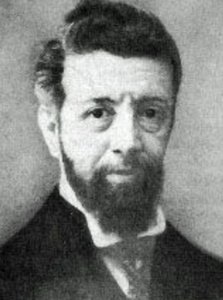
Alfredo Valenzuela Puelma
1856 - 1909 , Chile
基本情報
- Artistic Movement Or Style: Realism
- Artists Or Movements Influenced By This Artist:
- Alfredo Helsby
- Eucarpio Espinosa
- Artists Who Influenced This Artist:
- Benjamin Constant
- Jean Paul Laurens
- Date Of Birth: Feb 8, 1856
- Date Of Death: Oct 27, 1909
- Full Name: Alfredo Valenzuela Puelma
- Nationality: Chilean
- Notable Artworks:
- La Perla del Mercader
- El Niño del Fez
- Paisaje
- La Sevillana
- Saliendo de Caza
- Place Of Birth: Valparaiso, Chile

