

 プレビュー
プレビュー
 プリントを購入
 シェアする
シェアする シェアする
シェアする
 詳細を見る
詳細を見る

 ダウンロード
 似ている作品
 X線調査
X線調査 スライドショー
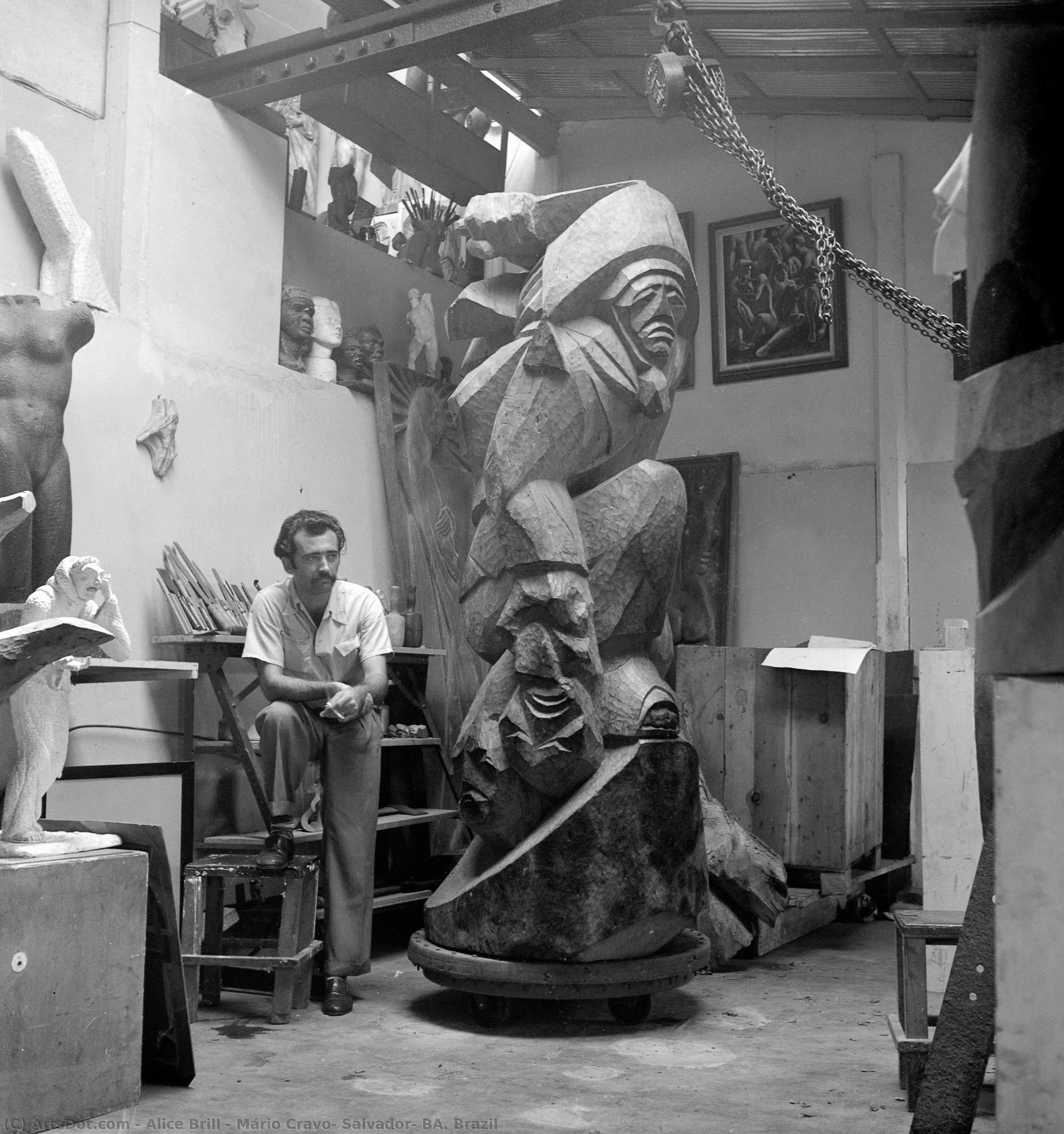
Mário Cravo, Salvador, BA. Brazil
 30.0 x 30.0 cm
 Instituto Moreira Salles
 詳細を見る
詳細を見る




































作品のオリジナル比率に合わせた、当店の規定サイズからお選びください。

特定のフレームやスペースに合わせて、ご希望のサイズをご入力いただけます。選択されたサイズが元の画像の比率と異なる場合、アートワークをトリミングするか、手描きで要素を追加して絵画を拡張いたします。デジタルモックアップ を制作し、制作開始前にご確認(承認)をいただきます。
画面上のプレビューは、実際のトリミングや拡張を正確に反映しているものではありません。最終的な構図は、モックアップによってのみ正確にご確認いただけます。
カスタムサイズもご利用いただけますが、元の比率を維持するためには、あらかじめ用意されたリストからサイズを選択することをお勧めいたします。
ご注文後、ArtsDot.com チームより詳細な指示をお送りするとともに、仕上がりイメージ(モックアップ)をご提供いたします。


 ガラスオプションは、110cm未満のサイズでのみご利用いただけます。

Mário Cravo, Salvador, BA. Brazil
複製技法
複製画のサイズ
-


合計金額
$ 263
作品解説
関連作品









アーティストの略歴
Alice Brill: A Brazilian Eye on the Everyday
Born in Cologne, Germany, in 1920 amidst the rising tide of Nazi oppression, Alice Brill’s life was a testament to resilience and artistic adaptation. Her early years were marked by displacement – fleeing with her family to Brazil in 1934, seeking refuge from a regime that threatened their very existence. This pivotal migration shaped not only her personal narrative but also profoundly influenced the trajectory of her art, imbuing it with a unique perspective rooted in both European heritage and Brazilian identity.
Brill’s artistic journey began within the vibrant milieu of São Paulo's Grupo Santa Helena, an influential collective of artists who championed experimentation and a rejection of academic traditions. This formative period exposed her to a diverse range of styles and techniques, laying the groundwork for her distinctive approach. She quickly developed a keen eye for capturing the nuances of everyday life – not through grand narratives or idealized representations, but by focusing on the often-overlooked details of ordinary people and their surroundings. Her early work was heavily influenced by the teachings of Paulo Rossi Osir, who encouraged her to explore painting as a means of expressing her observations.
The Photographic Revolution: From Habitat to MASP
Brill’s photographic career truly blossomed in the late 1940s and early 1950s. Initially working for Habitat magazine, she began documenting the rapidly changing landscape of São Paulo – a city undergoing dramatic modernization while simultaneously grappling with social inequalities. This period saw her shift from simply recording images to actively shaping them through composition and framing, employing techniques that drew inspiration from both documentary photography and avant-garde experimentation. Her photographs weren’t merely snapshots; they were carefully constructed narratives revealing the complexities of urban life.
A pivotal moment in her career arrived with an invitation from Pietro Maria Bardi, the director of the Museu de Arte de São Paulo Assis Chateaubriand (MASP). Bardi commissioned Brill to undertake a comprehensive photographic project documenting daily life within the city. This ambitious undertaking resulted in a series of powerful images that captured the essence of São Paulo’s diverse population – from laborers and street vendors to families and children. These photographs, imbued with empathy and honesty, became iconic representations of Brazilian urban culture.
Beyond the Snapshot: Painting and Philosophical Inquiry
While photography remained her primary medium, Brill never abandoned her artistic roots in painting. She continued to create oil paintings throughout her career, initially focusing on capturing the dynamism of São Paulo’s urban landscapes. Later, she explored abstraction, reflecting a deeper engagement with form and color. This dual practice – photography and painting – allowed her to explore different facets of reality, each informing and enriching the other.
In 1976, Brill further expanded her intellectual horizons by graduating in Philosophy from the Pontifical Catholic University of São Paulo (PUC/SP). This academic pursuit deepened her understanding of art history, theory, and critical analysis, providing a framework for interpreting her own work and engaging with the broader artistic landscape. She went on to earn master’s and doctoral degrees, solidifying her position as a respected scholar.
Legacy and Significance
Alice Brill's legacy extends far beyond her individual artworks. Her photographs offer invaluable insights into Brazilian society during a period of rapid transformation. She challenged conventional photographic practices by prioritizing authenticity and emotional resonance over idealized representations. Her willingness to document the lives of ordinary people – often marginalized or overlooked – elevated their stories and contributed to a more nuanced understanding of Brazilian culture.
A retrospective exhibition, “O Mundo de Alice Brill” (The World of Alice Brill), held in 2005 at the Instituto Moreira Salles (IMS) collection, served as a comprehensive celebration of her artistic achievements. The exhibition showcased a significant portion of her photographic production, highlighting her enduring influence on Brazilian art and photography. Brill’s work continues to be studied and admired for its honesty, empathy, and profound ability to capture the spirit of a nation.
alice brill
1920 - 2013 , Germany
基本情報
- Artistic Movement Or Style: Photography, Painting
- Artists Or Movements Influenced By This Artist:
- Grupo Santa Helena
- Modern Photography
- Artists Who Influenced This Artist:
- Erich Brill
- Paulo Rossi Osir
- Date Of Birth: December 13, 1920
- Date Of Death: June 29, 2013
- Full Name: Alice Brill Czapski
- Nationality: German-Brazilian
- Notable Artworks:
- Impressões ao rés do chão
- Urban Landscapes
- Abstract Paintings
- Place Of Birth: Berlin, Germany

