

 プレビュー
プレビュー
 シェアする
シェアする シェアする
シェアする
 詳細を見る
詳細を見る

 ダウンロード
 似ている作品
 X線調査
X線調査 スライドショー
 統計情報
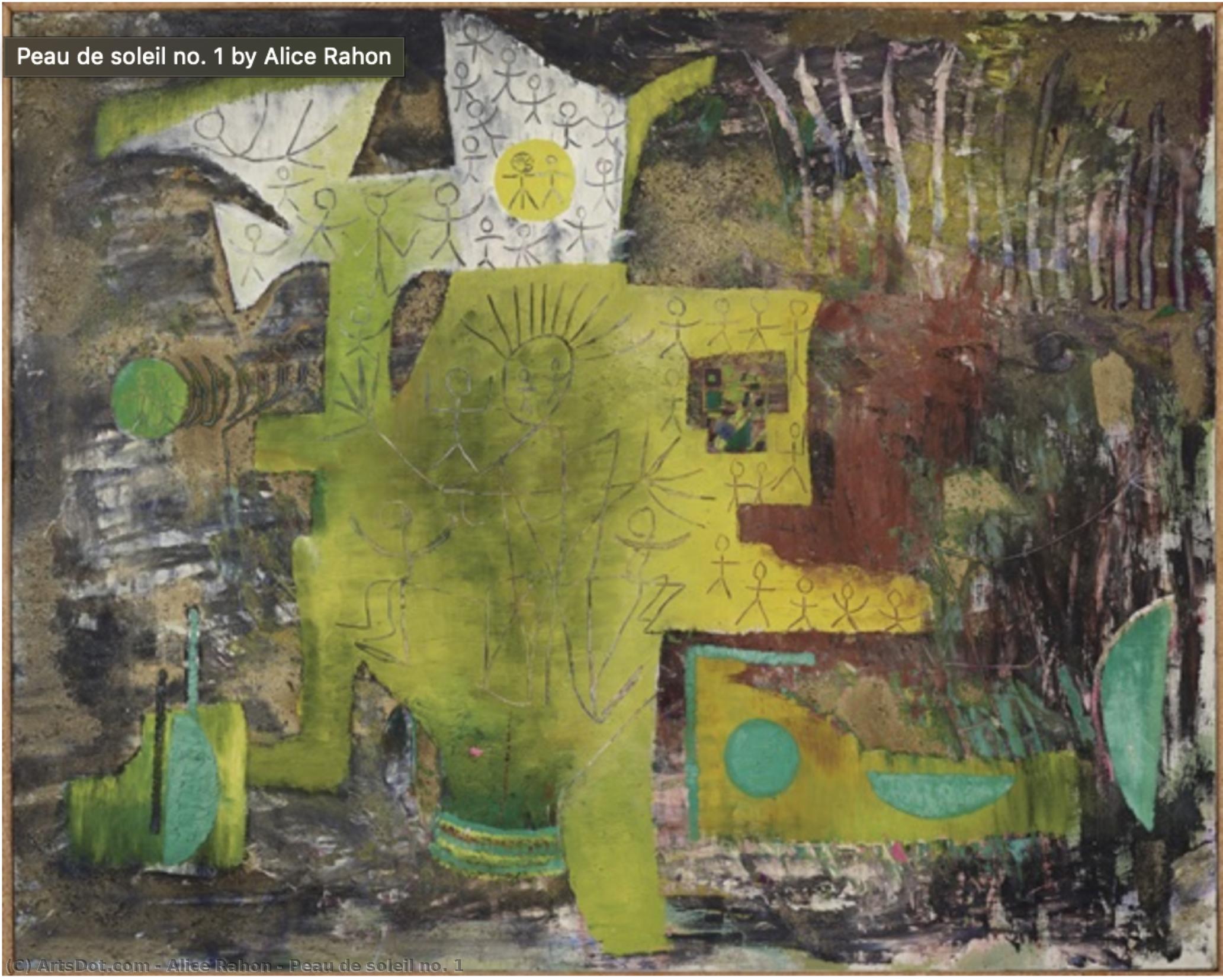
統計情報Peau de soleil no. 1
 Abstract Expressionism
 1944
1944 73.0 x 91.0 cm
Alice Rahon (1904-1987) was a French/Mexican Surrealist painter & poet who pioneered abstract expressionism in Mexico. Her textured works blend dreamlike imagery with pre-historic influences, incorporating natural materials and exploring themes of mythology and the unconscious.
 詳細を見る
詳細を見る
手描き油彩複製画
当社のアーティストが、お客様のご希望のサイズと額縁に合わせて、キャンバスに手描きで制作する油彩画です。 ( プリント版に切り替え デジタル画像販売へ切り替え)




































標準サイズ
オーダーメイド
CM
INCH
作品のオリジナル比率に合わせた、当店の規定サイズからお選びください。
Loading sizes...

幅
高さ
特定のフレームやスペースに合わせて、ご希望のサイズをご入力いただけます。選択されたサイズが元の画像の比率と異なる場合、アートワークをトリミングするか、手描きで要素を追加して絵画を拡張いたします。デジタルモックアップ を制作し、制作開始前にご確認(承認)をいただきます。
画面上のプレビューは、実際のトリミングや拡張を正確に反映しているものではありません。最終的な構図は、モックアップによってのみ正確にご確認いただけます。
カスタムサイズもご利用いただけますが、元の比率を維持するためには、あらかじめ用意されたリストからサイズを選択することをお勧めいたします。
カスタマイズの例:顔をお客様の写真に置き換える、ペットを追加する(例:猫を犬に変更)、背景に隠れたメッセージを入れる、背景の風景や要素を変更するなど。
ご注文後、ArtsDot.com チームより詳細な指示をお送りするとともに、仕上がりイメージ(モックアップ)をご提供いたします。
ご注文後、ArtsDot.com チームより詳細な指示をお送りするとともに、仕上がりイメージ(モックアップ)をご提供いたします。


 ガラスオプションは、110cm未満のサイズでのみご利用いただけます。

Peau de soleil no. 1
複製技法
複製画のサイズ
-


合計金額
$ 263
関連作品
アーティストの略歴
A Life Rooted in Surrealism: The Journey of Alice Rahon
Alice Rahon, born Alice Marie Yvonne Philippot in 1904 in Chenecey-Buillon, France, embarked on a remarkable artistic path that intertwined poetry and painting, ultimately becoming a pivotal figure in the development of abstract expressionism within Mexico’s vibrant art scene. Her early life was marked by physical fragility; childhood accidents confined her to periods of isolation, fostering an inner world rich with imagination—a space where reading, writing, and drawing became essential companions. This solitude proved formative, nurturing a sensitivity that would later permeate her artistic vision. Though initially drawn to the literary realm, Rahon quickly found herself immersed in the Parisian Surrealist movement during the 1930s, gaining recognition for her evocative poetry and earning an invitation from André Breton himself to join the group. Her early verses, dense with symbolism and personal reflection, resonated within these avant-garde circles, establishing a foundation for her later explorations of the subconscious.From Europe to Mexico: A New Artistic Landscape
A pivotal journey in 1939 alongside her husband, Austrian artist Wolfgang Paalen, and photographer Eva Sulzer, dramatically altered Rahon’s artistic trajectory. Traveling through the Pacific Northwest, she encountered the powerful imagery of totemic carvings, a profound experience that sparked a burgeoning interest in pre-historic art and its connection to primal forces. What began as an intended brief respite from the looming shadow of World War II evolved into a decades-long exile from Europe, leading the couple to Mexico City. It was here, amidst a thriving community of artists like Frida Kahlo and Diego Rivera, that Rahon fully embraced painting. Initially experimenting with leftover paints from Paalen’s palette, she quickly developed a distinctive style characterized by textured surfaces and dreamlike compositions. This relocation wasn't merely a geographical shift; it represented a profound artistic rebirth, allowing her to forge an independent identity and explore new creative avenues beyond poetry.The Alchemy of Texture: Technique and Symbolism
Rahon’s paintings are immediately recognizable for their unique materiality—a deliberate layering of natural elements such as black sand, ash, dried leaves, feathers, lapis lazuli, onyx, wood, and even butterfly wings onto the canvas. This incorporation of organic materials wasn't simply aesthetic; it was a conscious attempt to connect with ancient cosmologies and animistic beliefs. She would then incise these textured surfaces with a stylus, creating intricate networks of linear figures reminiscent of Paleolithic cave paintings—a direct homage to her fascination with humanity’s earliest artistic expressions. Her palette favored rich, earthy tones, often overlaid with cloud-like washes of raw pigment, evoking the subtle luster of sandpaper and the weathered beauty of the natural world. Animals held a particularly significant place in Rahon's iconography; she viewed them as sacred creatures embodying instinctual wisdom and representing a direct link to the unconscious mind—a core tenet of Surrealist thought.A Legacy of Conjuration: Influence and Historical Significance
Rahon’s work, deeply rooted in both European Surrealism and Mexican indigenous traditions, played a crucial role in bridging these artistic worlds. Her *tableau-poèmes*, blending text and image, demonstrated her commitment to interdisciplinary exploration. She established close friendships with many prominent modern artists, dedicating works like *Celestial Shadow* (to Giorgio de Chirico) and *The Ballad for Frida Kahlo* as tributes to her peers. She became a Mexican citizen in 1946, reclaiming her mother’s maiden name and solidifying her artistic independence. Rahon believed that painting possessed a “magical” power—a capacity to unlock the invisible realms of consciousness and connect with ancestral energies. This belief, inspired by her visit to the Altamira cave paintings in Spain, infused her work with an almost ritualistic quality. While she experienced periods of isolation later in life due to health challenges, Alice Rahon’s contribution to abstract expressionism remains significant, leaving behind a body of work that continues to captivate and inspire with its evocative symbolism, innovative techniques, and profound connection to the natural world.
基本情報
- Artistic Movement Or Style: Surrealism, Abstract Expressionism
- Artists Or Movements Influenced By This Artist: ['Mexican Avant-garde']
- Artists Who Influenced This Artist:
- André Breton
- Wolfgang Paalen
- Date Of Birth: June 8, 1904
- Date Of Death: September 1987
- Full Name: Alice Rahon
- Nationality: French/Mexican
- Notable Artworks:
- Celestial Shadow
- The Ballad for Frida Kahlo
- Peau de soleil
- Self-Portrait and Autobiography
- Place Of Birth: Chenecey-Buillon, France