

 プレビュー
プレビュー
 シェアする
シェアする シェアする
シェアする
 詳細を見る
詳細を見る

 ダウンロード
 似ている作品
 X線調査
X線調査 スライドショー
 Stats
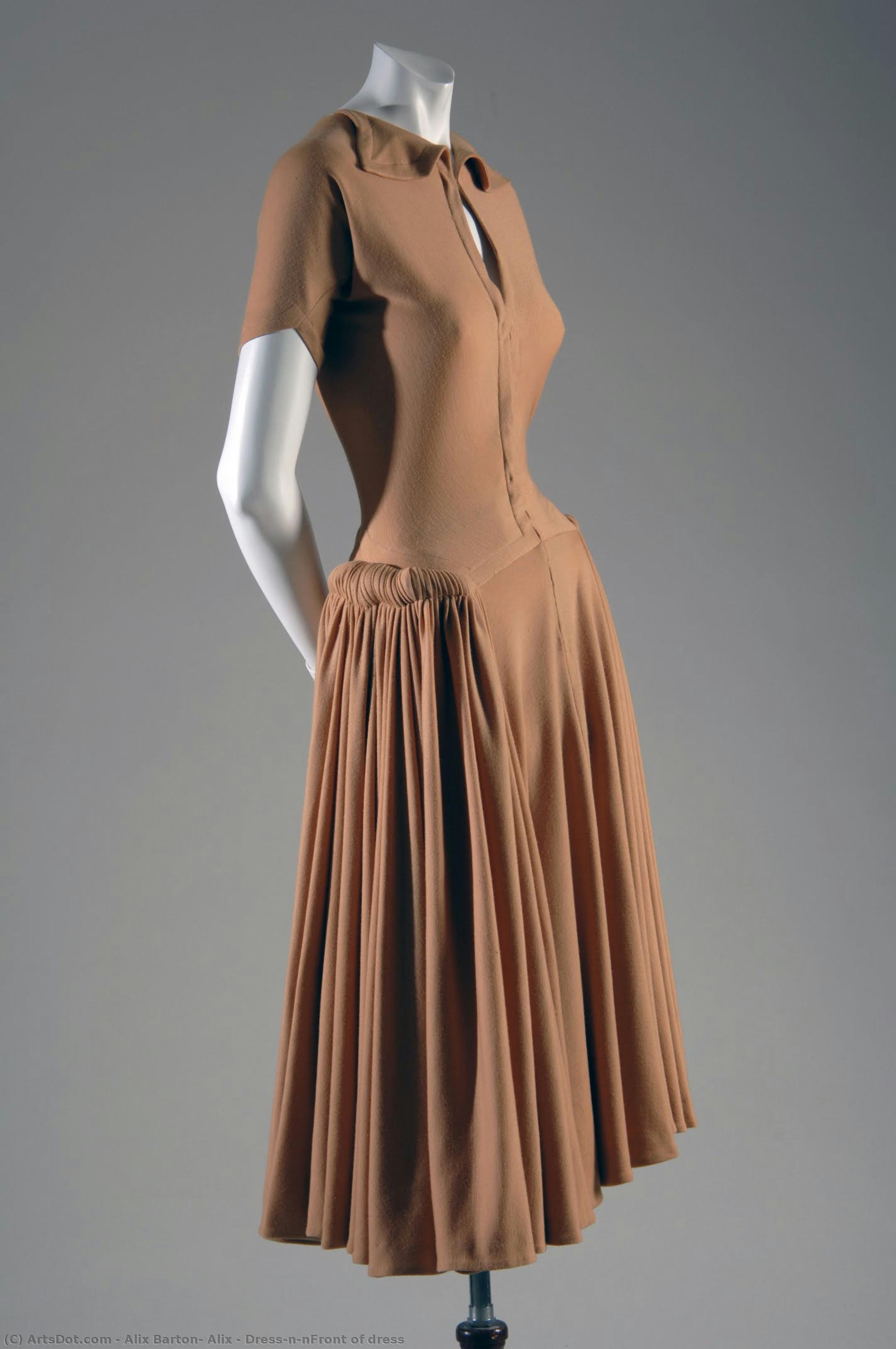
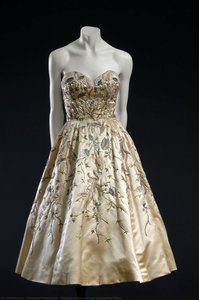
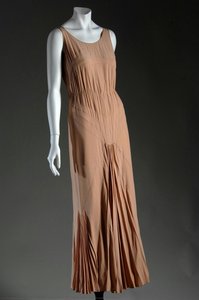
StatsDress\n\nFront of dress


 詳細を見る
詳細を見る
手描き油彩複製画
当社のアーティストが、お客様のご希望のサイズと額縁に合わせて、キャンバスに手描きで制作する油彩画です。 ( Switch to Print Switch to Digital Image)




































作品のオリジナル比率に合わせた、当店の規定サイズからお選びください。

特定のフレームやスペースに合わせて、ご希望のサイズをご入力いただけます。選択されたサイズが元の画像の比率と異なる場合、アートワークをトリミングするか、手描きで要素を追加して絵画を拡張いたします。デジタルモックアップ を制作し、制作開始前にご確認(承認)をいただきます。
画面上のプレビューは、実際のトリミングや拡張を正確に反映しているものではありません。最終的な構図は、モックアップによってのみ正確にご確認いただけます。
カスタムサイズもご利用いただけますが、元の比率を維持するためには、あらかじめ用意されたリストからサイズを選択することをお勧めいたします。
ご注文後、ArtsDot.com チームより詳細な指示をお送りするとともに、仕上がりイメージ(モックアップ)をご提供いたします。


 ガラスオプションは、110cm未満のサイズでのみご利用いただけます。

Dress\n\nFront of dress
複製技法
複製画のサイズ
-


合計金額
$ 263
関連作品
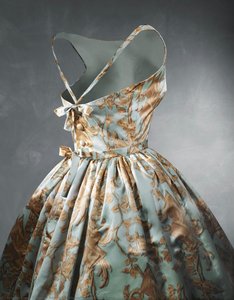

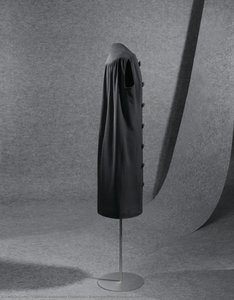
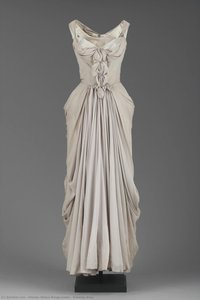
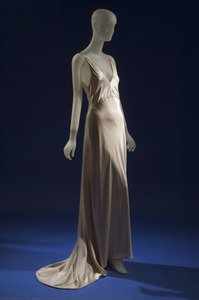
アーティストの略歴
A Life Sculpted in Silk: The Enigmatic World of Madame Grès
Germaine Émilie Krebs, the woman who would become known as Madame Grès, was born into a middle-class Parisian family in 1903. From an early age, her artistic inclinations leaned towards sculpture—a desire to mold and shape form that would ultimately define her legacy, though not through stone or bronze, but through the fluid medium of fabric. Her parents discouraged this path, steering her toward dressmaking, a more “suitable” vocation for a young woman of her time. This early redirection proved pivotal; it didn’t extinguish her sculptural ambitions, but rather channeled them into an entirely new realm. She began her career as a hat maker, honing her skills before transitioning to couture dressmaking at the esteemed Maison Premet, where exacting standards and meticulous technique were paramount. These formative years instilled in her a dedication to craftsmanship that would become her hallmark.The Birth of a Signature: From Alix to Madame Grès
The evolution of her professional identity—from Mademoiselle Alix to Alix Barton and finally to Madame Grès—mirrors a deliberate crafting of persona, as carefully considered as the garments she created. The name “Grès” itself emerged in 1942 with her marriage to Russian painter Serge Anatolievitch Czerefkow, an anagram of his first name. This period was marked by both personal and professional challenges. Despite the turmoil of wartime Paris, Grès refused to compromise her artistic vision, continuing to design elegant dresses that subtly echoed the colors of the French flag—a quiet act of defiance that led to the temporary closure of her fashion house under German occupation. It was during this time, however, that her signature style truly crystallized: floor-length gowns draped with an unparalleled mastery, evoking the grace and timelessness of classical Greek sculpture.Draping as Art: A Revolutionary Technique
Madame Grès wasn’t merely designing dresses; she was sculpting them onto the body. Unlike many of her contemporaries who relied on pattern making, Grès preferred to work directly on a mannequin, manipulating fabric—primarily silk jersey and paper taffeta—with an almost intuitive understanding of its properties. This process was famously laborious, often requiring up to 300 hours for a single gown. Each pleat, twist, and fold was meticulously crafted by hand, allowing the fabric to conform to the contours of the body rather than imposing a rigid structure upon it. She described this as a “battle” between designer and medium, a constant negotiation between her vision and the inherent qualities of the material. This dedication to draping elevated dressmaking to an art form, earning her the moniker "the Sphinx of Fashion" for her secretive nature and unwavering focus on her craft.A Lasting Influence: Inspiring Generations
Throughout the 1940s and 50s, Madame Grès dressed some of the most iconic women of the era—the Duchess of Windsor, Paloma Picasso, Grace Kelly, Marlene Dietrich, and Greta Garbo among them. Her designs were characterized by their simplicity, elegance, and respect for the female form. She eschewed overt embellishment, allowing the beauty of the fabric and the artistry of her draping to speak for themselves. Her influence extended beyond the realm of haute couture, inspiring a new generation of designers with her innovative techniques and minimalist aesthetic. Azzedine Alaïa, in particular, was deeply captivated by Grès’s work, amassing a significant collection of her garments—a testament to his admiration and a recognition of her enduring legacy.The Queen of Drapery: A Timeless Vision
Madame Grès' impact on the fashion world remains profound. Her pioneering approach to draping, her unwavering commitment to craftsmanship, and her ability to transform fabric into wearable sculpture continue to inspire designers today. She wasn’t interested in fleeting trends; she sought to create timeless garments that celebrated the beauty of the human body and the artistry of couture. Her work stands as a powerful reminder that fashion can be more than just clothing—it can be a form of art, a testament to skill, and an expression of enduring elegance. Her minimalistic draping techniques and her attention to and respect for the female body have had a lasting effect on the haute couture and fashion industry.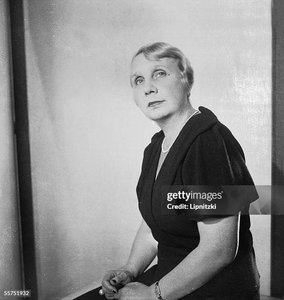
alix barton, alix
1903 - 1993 , France
基本情報
- Artistic Movement Or Style: Haute Couture, Draping
- Date Of Birth: November 30, 1903
- Date Of Death: November 24, 1993
- Full Name: Germaine Émilie Krebs
- Nationality: French
- Notable Artworks:
- Evening Dress
- Dress
- Two-piece Evening Gown
- Place Of Birth: Paris, France
関連記事

Cristóbal Balenciaga: Deconstructing Haute Couture's Architectural Legacy
Explore the revolutionary world of Cristóbal Balenciaga, the 'couturier's couturier'. Discover his architectural designs, lasting influence on haute couture, and guide to collecting rare pieces. A connoisseur’s resource.
Draped Narratives: Fashion as Symbol & Subject in Historical Art
Explore the fascinating history of fashion as a symbol of power & status in art! Discover masterpieces from Gainsborough to Tissot and learn how clothing shaped societal narratives. Find museum-quality reproductions at ArtsDot.

Crimson Threads of Narrative: Exploring Symbolism & Representation in Artworks Featuring the Red Dress
Explore the rich symbolism of the red dress in art history! From ancient power displays to iconic portraits like Cézanne’s 'Madame Cezanne', discover the cultural and artistic significance behind this captivating color. Expert analysis & insights.
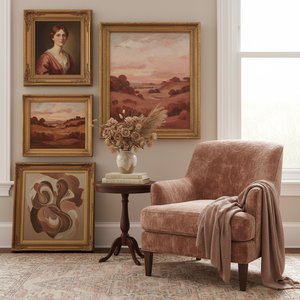
Rosy Brown Hues: 10 Master Paintings & Timeless Decor Ideas |
Explore 10 iconic paintings bathed in captivating rosy brown tones! From Rembrandt to Titian, discover the stories behind these masterpieces & their warm color palettes. Find museum-quality art reproductions and decor inspiration at .

Echoes of Time: Nostalgia, Technique & Cultural Significance in Vintage Paintings
Explore the captivating world of vintage paintings! Discover key styles, cultural significance & collecting tips from art experts at ArtsDot. Find authentic reproductions and elevate your home décor.