

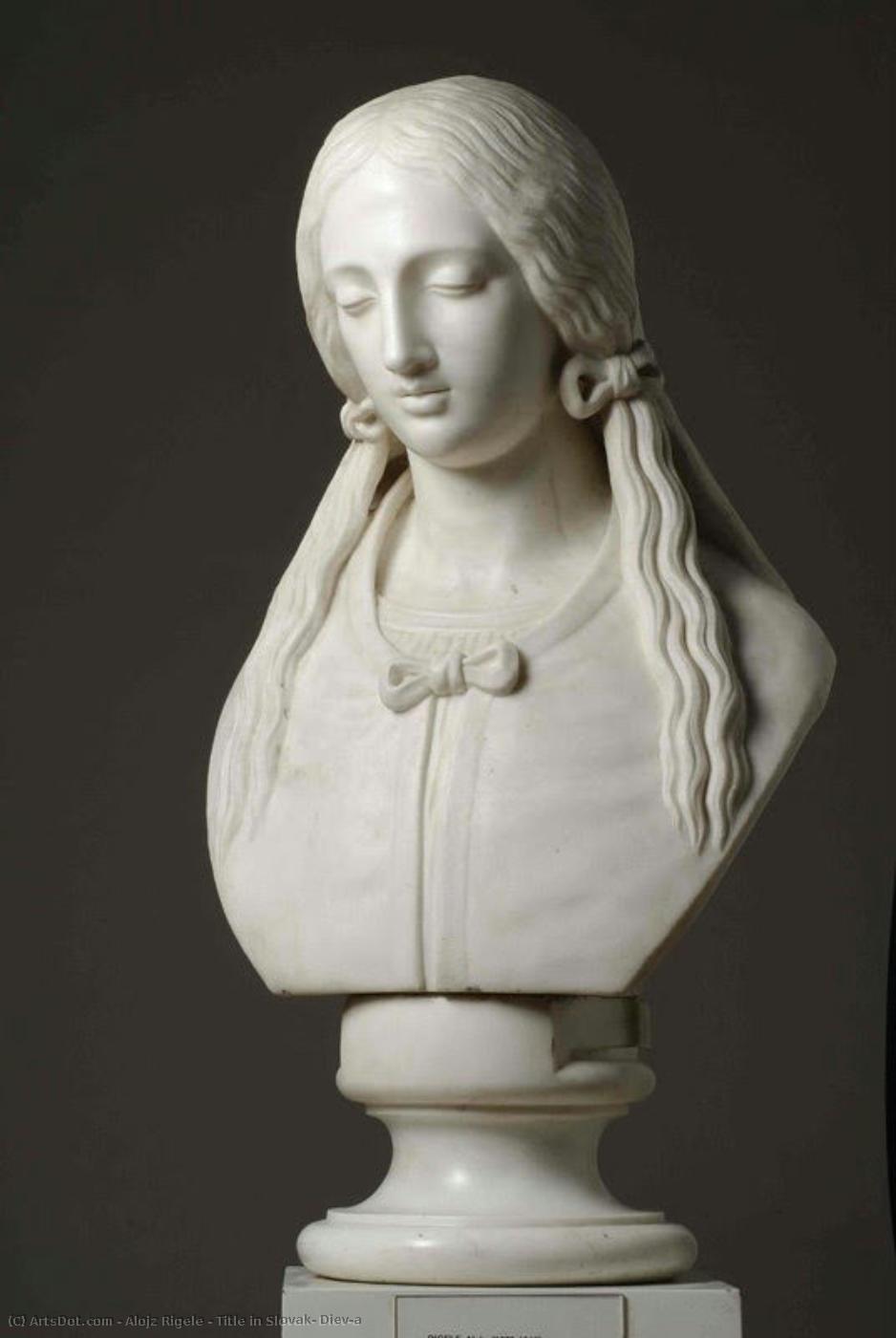
 プレビュー
プレビュー
 シェアする
シェアする シェアする
シェアする
 詳細を見る
詳細を見る

 ダウンロード
 似ている作品
 X線調査
X線調査 スライドショー
 統計情報
統計情報Title in Slovak: Dievča

 詳細を見る
詳細を見る
ジークレー/アートプリント
迅速な制作と多彩な仕上げオプションを備えた、ミュージアムクオリティのジークレーまたはキャンバスプリント。 ( 手描きの絵画を購入 デジタル画像販売へ切り替え)




































作品のオリジナル比率に合わせた、当店の規定サイズからお選びください。

特定のフレームやスペースに合わせて、ご自身でサイズを指定することも可能です。選択されたサイズが元の画像の比率と一致しない場合、作品をトリミングするか、鏡面反射または単色での塗りつぶしによって画像を拡張いたします。制作を開始する前に、ご確認用のデジタルモックアップをお送りいたします。
画面上のプレビューには、実際のトリミングや拡張は反映されませんのでご注意ください。最終的な構図を正確に確認できるのは、モックアップのみとなります。
カスタムサイズも承っておりますが、元の比率を維持するためには、あらかじめ用意されたリストからサイズを選択することをお勧めいたします。


 ガラスオプションは、110cm未満のサイズでのみご利用いただけます。

Title in Slovak: Dievča
ジークレー/アートプリント
複製画のサイズ
-


合計金額
$ 62
関連作品





アーティストの略歴
Alojz Rigele: Sculptor of Bratislava’s Soul
Alojz Rigele (8 February 1879 – 14 February 1940) stands as a pivotal figure in the artistic landscape of Bratislava, a city he profoundly shaped through his enduring sculptures and a deep connection to its historical narrative. Born in Pressburg (now Bratislava), Slovakia, Rigele’s life was inextricably linked to the evolving identity of his hometown, a relationship reflected powerfully in his prolific output. He wasn't merely a sculptor; he was an architect of Bratislava’s visual memory, imbuing public spaces with figures that continue to resonate today. His career spanned nearly five decades, witnessing significant shifts in artistic styles and political landscapes, yet maintaining a consistent dedication to portraying both historical events and the human condition through his masterful use of stone.Early Life and Artistic Training
Rigele’s early artistic inclinations were nurtured under the guidance of Adolf Messmer, a prominent Bratislava decorative sculptor, who served as his initial mentor. This foundational training instilled in him an appreciation for classical forms and techniques. Crucially, Rigele's formal education extended to the prestigious Academy of Fine Arts Vienna from 1901 to 1908. There, he studied under esteemed professors Jan Bitterlich and Edmund von Hellmer, broadening his artistic horizons and exposing him to diverse European influences – particularly Viennese Classicism and Italian Renaissance ideals. The opportunity to participate in the competition for Peter Pázmány’s epitaph in 1907 proved a watershed moment, securing him a prestigious scholarship to Rome, where he spent two formative years immersed in Roman artistic traditions. This period significantly influenced his style, introducing elements of dramatic realism and emotional depth into his work.A Master of Portraiture and Historical Themes
Rigele’s sculptural oeuvre is characterized by a remarkable versatility, encompassing portrait busts, monumental figures, and intricate reliefs. He was particularly renowned for his ability to capture the essence of individuals – both historical and contemporary – with striking accuracy and emotional sensitivity. His portraits weren't merely representations; they were attempts to convey character, personality, and inner life. However, Rigele’s work extended far beyond individual likenesses. He frequently engaged with broader historical themes, reflecting on Slovakian identity, commemorating significant events, and honoring civic figures. The Alchymist (circa 1920), a captivating bronze sculpture depicting a young man in contemplation, stands as perhaps his most celebrated achievement, embodying both intellectual curiosity and quiet introspection. His work often served as a visual dialogue with the city’s past, contributing to Bratislava's evolving sense of self.Collaboration and Artistic Circles
Rigele was not a solitary artist; he thrived within a vibrant artistic community in Bratislava. He collaborated closely with other prominent sculptors of his generation, including Robert Kühmayer, Jozef Arpád Murmann, and Alojz Stróbl – forming a collective that profoundly influenced the city’s architectural and artistic development. This group, often referred to as the “Bratislava School,” shared a commitment to creating public art that celebrated Slovakian heritage and civic pride. Rigele was also an active member of the Pressburger Kunstverein and the Bratislava Beautification Association, demonstrating his dedication to fostering cultural enrichment within the city. His connections extended beyond sculpture; he worked alongside stonemasons like Ján Koniarek and Vojtech Ihriský on projects such as the memorial for Pavol Országh Hviezdoslav, a testament to his collaborative spirit and technical skill.Legacy and Enduring Influence
Alojz Rigele’s impact on Bratislava is undeniable. His sculptures are ubiquitous throughout the city – adorning public squares, churches, fountains, and cemeteries. From the imposing figure of Cardinal Pázmány at Nitra Gallery to the poignant memorial to Heinrich Justi in Horský Park, his works offer a tangible connection to Bratislava's past and present. Even after his death in 1940, his legacy continued through the efforts of colleagues like Robert Kühmayer, who completed the fountain sculpture “Girl with a Deer” based on Rigele’s original design. Today, Alojz Rigele is remembered not only as a skilled sculptor but also as a cultural architect – an artist whose vision shaped the very soul of Bratislava and continues to inspire generations of artists and citizens alike. His studio, now a protected historical site, stands as a poignant reminder of his creative process and enduring contribution to Slovakian art and culture.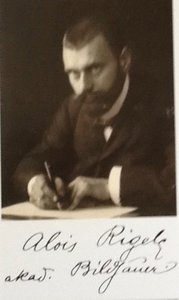
Alojz Rigele
1879 - 1940 , Slovakia
基本情報
- Artistic Movement Or Style: Portrait sculpture
- Artists Or Movements Influenced By This Artist:
- Vienna Classicism
- Italian Renaissance
- Artists Who Influenced This Artist:
- Robert Kühmayer
- Jozef Murmann
- Alojz Stróbl
- Date Of Birth: Feb 8, 1879
- Date Of Death: Feb 14, 1940
- Full Name: Alojz Rigele
- Nationality: Slovak
- Notable Artworks:
- Alchymist
- Cardinal Pázmány
- Queen Elisabeth (Sissi)
- Place Of Birth: Bratislava, Slovakia