

 プレビュー
プレビュー
 シェアする
シェアする シェアする
シェアする
 詳細を見る
詳細を見る

 ダウンロード
 似ている作品
 X線調査
X線調査 スライドショー
 統計情報
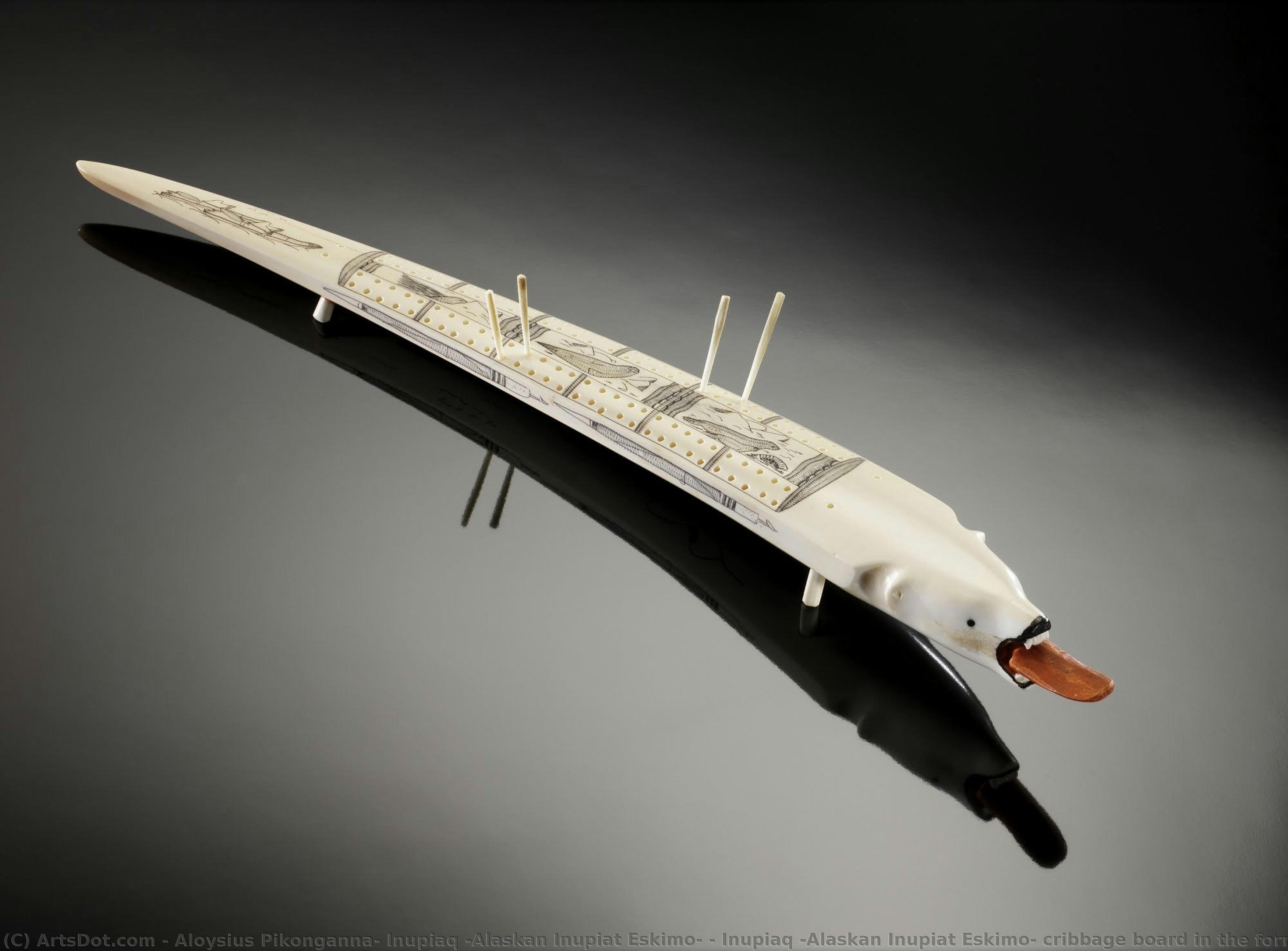
統計情報Inupiaq (Alaskan Inupiat Eskimo) cribbage board in the form of a polar bear
 1980
1980 38.0 x 6.0 cm
 National Museum of the American Indian
 詳細を見る
詳細を見る
ジークレー/アートプリント
迅速な制作と多彩な仕上げオプションを備えた、ミュージアムクオリティのジークレーまたはキャンバスプリント。 ( 手描きの絵画を購入 デジタル画像販売へ切り替え)




































作品のオリジナル比率に合わせた、当店の規定サイズからお選びください。

特定のフレームやスペースに合わせて、ご自身でサイズを指定することも可能です。選択されたサイズが元の画像の比率と一致しない場合、作品をトリミングするか、鏡面反射または単色での塗りつぶしによって画像を拡張いたします。制作を開始する前に、ご確認用のデジタルモックアップをお送りいたします。
画面上のプレビューには、実際のトリミングや拡張は反映されませんのでご注意ください。最終的な構図を正確に確認できるのは、モックアップのみとなります。
カスタムサイズも承っておりますが、元の比率を維持するためには、あらかじめ用意されたリストからサイズを選択することをお勧めいたします。


 ガラスオプションは、110cm未満のサイズでのみご利用いただけます。

Inupiaq (Alaskan Inupiat Eskimo) cribbage board in the form of a polar bear
ジークレー/アートプリント
複製画のサイズ
-


合計金額
$ 62
関連作品








アーティストの略歴
Aloysius Pikonganna: Echoes of the Alaskan Arctic
Aloysius Pikonganna (1909-1986) stands as a singular figure in Inupiaq art history, embodying not merely skill but a profound connection to his ancestral heritage. Born in Nome, Alaska—a town steeped in Inuit tradition and resilience—Pikonganna’s artistic journey unfolded against the backdrop of rapid Western encroachment upon Arctic lands.
- Early Life & Influences: Pikonganna's formative years were spent immersed in the rhythms of Inupiaq life, absorbing the lore passed down through generations. The harsh beauty of the Alaskan tundra—characterized by vast expanses of snow and ice punctuated by migrating caribou herds—served as an indelible inspiration for his artistic vision. While formal art training was scarce, Pikonganna honed his craft through observation and imitation of master Inuit artisans, inheriting a legacy of meticulous detail and symbolic representation.
- The Art of Cribbage Boards & Carvings: Pikonganna’s fame rests primarily on his exquisitely crafted cribbage boards—objects that transcend mere gamesmanship to become visual narratives of Inupiaq cosmology. These boards are adorned with intricate carvings depicting polar bears, walruses, seals, and other animals emblematic of the Alaskan Arctic ecosystem. Each animal carries specific spiritual significance within Inuit belief systems, representing strength, abundance, and connection to the natural world.
- Technique & Style: Pikonganna’s technique was characterized by painstaking patience and mastery of wood carving tools. He utilized traditional methods passed down through his family, employing knives honed over decades to sculpt remarkably realistic figures from ivory tusks—a material readily available in Alaska due to the prevalence of walrus hunting.
- Recognition & Legacy: Pikonganna’s work gained international acclaim throughout the latter half of the 20th century. Museums showcased his cribbage boards and carvings, attracting considerable attention from collectors and scholars alike. His pieces achieved impressive auction prices, validating the enduring value of Inuit artistic expression and demonstrating its ability to communicate profound cultural ideas.
- Historical Significance: Aloysius Pikonganna’s art serves as a poignant reminder of a disappearing way of life—a testament to the resilience of Inupiaq culture in the face of modernization. His cribbage boards are not simply decorative objects; they are tangible embodiments of Inuit spirituality and storytelling, offering invaluable insights into the worldview of Alaska's indigenous peoples.
aloysius pikonganna, inupiaq (alaskan inupiat eskimo)
1909 - 1986 , United States of America
基本情報
- Artistic Movement Or Style: Inupiaq Art
- Date Of Birth: 1909
- Full Name: Aloysius Pikonganna
- Nationality: American
- Notable Artworks: ['Polar Bear Cribbage Board']
- Place Of Birth: Nome, United States of America