

 プレビュー
プレビュー
 プリントを購入
 シェアする
シェアする シェアする
シェアする
 詳細を見る
詳細を見る

 ダウンロード
 似ている作品
 X線調査
X線調査 スライドショー
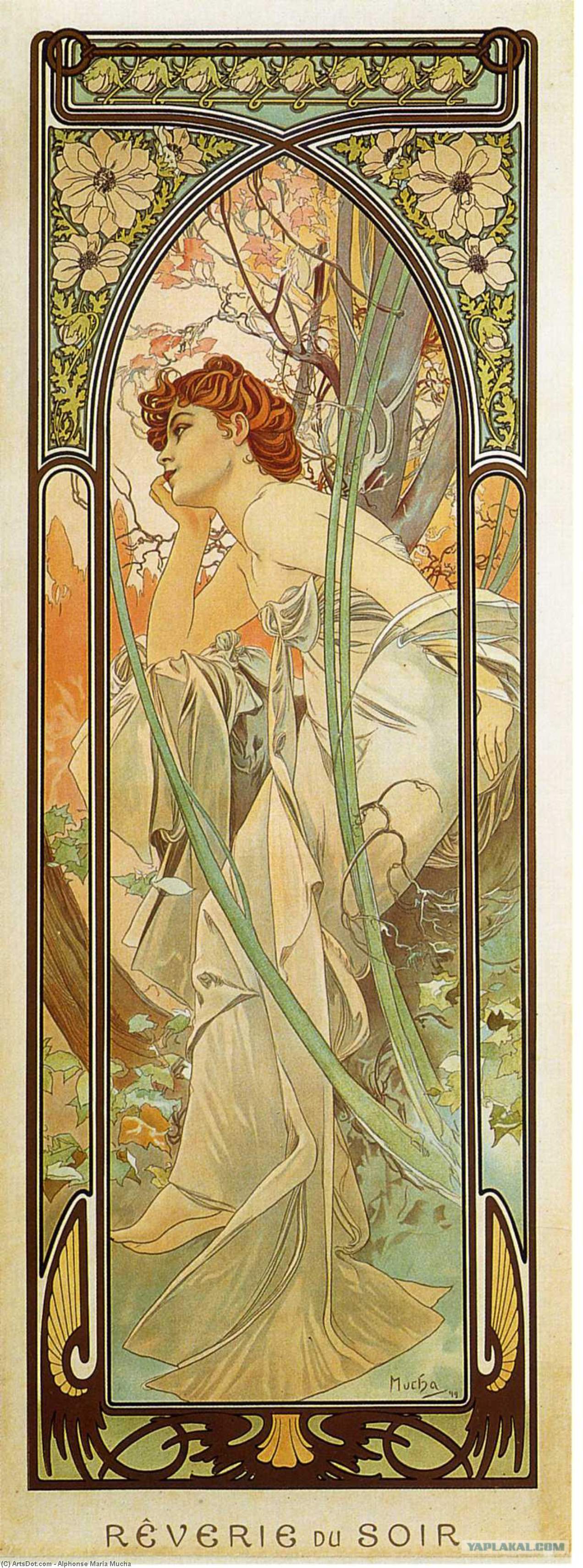
Evening Contemplation


 詳細を見る
詳細を見る




P118B $10

P118H $10

P118W $10

P438Z $10

P508JH $12

P508YH $12

P805H $10

P805Z $10

P919BZ $10

P919G $10

P919XJ $10

P959ZH $10

P968JZ $12

W106C $8

W218G $10

W218JH $8

W218Y $10

W307PJ $10

W316G $10

W316PJ $8

W316Y $10

W398PJ $8

W4111J $10

W500HY $15

W500JH $15

W692G $12

W849H $8

W940BG $15

W953PJ $8




作品のオリジナル比率に合わせた、当店の規定サイズからお選びください。

特定のフレームやスペースに合わせて、ご希望のサイズをご入力いただけます。選択されたサイズが元の画像の比率と異なる場合、アートワークをトリミングするか、手描きで要素を追加して絵画を拡張いたします。デジタルモックアップ を制作し、制作開始前にご確認(承認)をいただきます。
画面上のプレビューは、実際のトリミングや拡張を正確に反映しているものではありません。最終的な構図は、モックアップによってのみ正確にご確認いただけます。
カスタムサイズもご利用いただけますが、元の比率を維持するためには、あらかじめ用意されたリストからサイズを選択することをお勧めいたします。
ご注文後、ArtsDot.com チームより詳細な指示をお送りするとともに、仕上がりイメージ(モックアップ)をご提供いたします。


 ガラスオプションは、110cm未満のサイズでのみご利用いただけます。

Evening Contemplation
複製技法
複製画のサイズ
-


合計金額
$ 263
Evening Contemplation: A Study in Art Nouveau Elegance
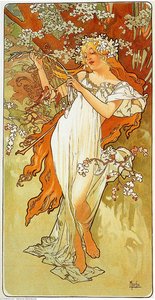
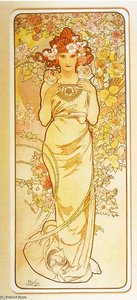
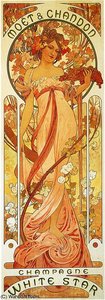
“Rêverie du Soir,” as this captivating illustration is known, transports the viewer to a realm of quiet beauty and introspective thought. Created in the style of Alphonse Mucha, a master of the Art Nouveau movement, this piece embodies the era’s fascination with organic forms, flowing lines, and a profound appreciation for nature's elegance. The image depicts a young woman seated beneath an arched window – a classic motif signifying knowledge, refuge, and connection to the divine – lost in a moment of serene contemplation.
- Subject Matter: The central figure, a young woman draped in flowing white fabric, is positioned with deliberate grace. Her gaze, directed slightly upwards and outwards, invites the viewer into her private world, suggesting a dreamy introspection that is characteristic of Art Nouveau’s focus on emotional expression.
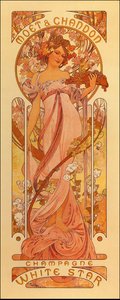
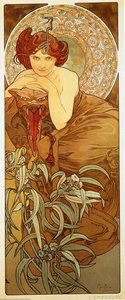
- Composition & Style: The artwork's symmetrical composition and vertical emphasis create a sense of height and formality, hallmarks of Mucha’s style. The intricate patterns of foliage, flowers, and geometric shapes in the background aren't merely decorative; they contribute to a layered depth that draws the eye into the scene.
Technique & Materials: A Delicate Dance of Watercolor and Ink
The artist’s meticulous attention to detail is immediately apparent in the rendering of textures and patterns. It's believed this piece was executed primarily with watercolor and ink on paper, a combination that lends itself beautifully to the luminous quality sought after by Mucha. The delicate washes of color – muted golds, browns, greens, and creams – create a soft, ethereal atmosphere. Evidence suggests the use of stippling or engraving techniques may have been employed to further enhance the intricate details within the foliage and patterns, adding to the overall richness and depth.
- Brushwork: The artist’s brushwork is remarkably fine, capturing the subtle nuances of light and shadow.
- Metallic Accents: Strategic use of gold leaf or metallic paint highlights key elements – perhaps the window frame or decorative motifs – adding a touch of opulence and drawing attention to areas of particular interest.
Symbolism & Historical Context: Echoes of a Romantic Era
Beyond its aesthetic beauty, “Evening Contemplation” is rich in symbolism. The flowers and foliage represent nature’s bounty and beauty, while the arched window symbolizes knowledge and spiritual connection. Created during Mucha's peak period (1890-1905), this artwork reflects the broader cultural trends of the late 19th century – a time of burgeoning artistic movements like Art Nouveau, alongside a renewed interest in classical ideals and romanticism. It’s a testament to Mucha’s ability to synthesize these influences into a uniquely personal style that continues to captivate audiences today.
- Art Nouveau Influence: The flowing lines, organic forms, and decorative details are quintessential characteristics of the Art Nouveau movement, which sought to create art that was both beautiful and functional.
- Mucha’s Legacy: Mucha's work profoundly influenced subsequent generations of artists and designers, shaping the visual language of advertising, illustration, and interior design for decades to come.
Emotional Impact & Artistic Merit
“Evening Contemplation” evokes a sense of romanticism, elegance, and tranquility. The soft lighting, serene subject matter, and meticulous execution combine to create an image that is both visually stunning and emotionally resonant. This reproduction offers a unique opportunity to own a piece of art history – a testament to Alphonse Mucha’s genius and the enduring appeal of Art Nouveau's timeless beauty.
アーティストの略歴
幼少期と教育
- 1860年7月15日、モラヴィア地方のイヴァニチツェ(現在のチェコ共和国)に生まれました。
- 幼い頃から芸術的な才能を示しました。
- プラハ美術アカデミーに入学しましたが、伝統的な手法に幻滅感を抱きました。
- 1887年にパリに移り住み、独自のスタイルを追求しました。
アール・ヌーヴォー様式と代表作
- 流れるような線、有機的なフォルム、躍動感を持つ独特のアール・ヌーヴォー様式で知られています。
- ピエール=オーギュスト・ルノワールやギュスターヴ・モローといった芸術家から影響を受けました。
- 代表作:
- スラヴの反乱 - 伝統的なチェコのモチーフとモダンなアール・ヌーヴォー要素を融合させた作品です。
- サロン・ド・サン
- ギュスターヴ・モローの『テスピオの娘たち』やピエロ・ドラツィオの『ゴベランの乱れ者たち』にインスパイアされた絵画。
- サー・ヒューバート・フォン・ヘルコマーの『亜麻を破る農夫たち』に基づいた挿絵。
- 流れるようなローブを身につけた理想化された女性を、豊かな花々に囲んで描くことがよくあります。
キャリアのハイライトと主要な依頼
- サラ・ベルナールとのコラボレーション: 1894年に『ジスムンダ』のポスターを制作し、女優サラ・ベルナールのためにポスターやデザインを手がけ、キャリアをスタートさせました。
- パリ万国博覧会(1900年): この博覧会でアール・ヌーヴォー様式が国際的に認められました。ボスニア・ヘルツェゴビナ館の装飾を担当し、オーストリア館にも協力しました。
- チャールズ・リチャード・クレーンからのパトロン: チャールズ・リチャード・クレーンの支援を受け、記念碑的なシリーズ『スラヴ叙事詩』(1912-30) を制作することができました。
- 独立後のチェコスロバキア: 新しいチェコスロバキアのために切手、紙幣、政府の文書をデザインしました。
影響と遺産
- チェコの芸術的伝統とヨーロッパ近代美術の影響を受けています。
- 彼のユニークなスタイルは、アール・ヌーヴォーやセセッション運動の次世代のアーティストへの道を開きました。
- エヴァ・プロコプツォヴァのような他のアーティストに影響を与えました。
- 彼の遺産は芸術作品を超えてデザインと美学にまで及びます。スラヴ叙事詩 は、チェコの国民的アイデンティティを表現する重要な役割を果たしました。
晩年と死
- 1906年にマルシュカ(マリー/マリア)ヒティロヴァと結婚しました。
- 娘のヤロスラヴァが生まれた1906年から1910年までアメリカを訪問しました。
- 1939年7月14日、チェコスロバキアのプラハで亡くなりました。
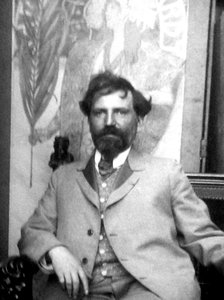
アルフォンス・ミュシャ
1860 - 1939 , チェコ共和国
基本情報
- Artistic Movement Or Style: アール・ヌーヴォー
- Artists Or Movements Influenced By This Artist: ['エヴァ・プロコプツォーヴァ']
- Artists Who Influenced This Artist:
- ピエール=オーギュスト・ルノワール
- ギュスターヴ・モロー
- Date Of Birth: 1860年7月15日
- Date Of Death: 1939年
- Full Name: アルフォンス・マリア・ミュシャ
- Nationality: チェコ人
- Notable Artworks (List Of Titles):
- スラヴの台頭
- サロン・ド・サン
- テスピオの娘たち
- Place Of Birth (City And Country): チェコ共和国、ブルノ
関連記事
Alphonse Mucha: A Comprehensive Exploration of Art Nouveau's Master of Decorative Symbolism
Explore the life & art of Alphonse Mucha, master of Art Nouveau! Discover his iconic posters, stunning illustrations, and the monumental Slav Epic. A comprehensive guide for collectors & enthusiasts.
アール・ヌーヴォーを彩る至宝:10の傑作が語る芸術と装飾の世界
アール・ヌーヴォーの魅力を再発見!ムンロ、ドレ、ガウディ…10の傑作が織りなす曲線美の世界。芸術と装飾が融合した至高のアートをArtsDotで堪能し、お部屋に新たな彩りを。コレクションをオンラインで探索しましょう。
The Flowing Line & Flourishing Form: Exploring Art Nouveau's Aesthetic Legacy
Explore the captivating world of Art Nouveau! Discover its origins, key artists like Horta & Mucha, regional styles, innovative techniques, and lasting influence on architecture & design. A comprehensive guide for art enthusiasts.
Echoes of Time: Nostalgia, Technique & Cultural Significance in Vintage Paintings
Explore the captivating world of vintage paintings! Discover key styles, cultural significance & collecting tips from art experts at ArtsDot. Find authentic reproductions and elevate your home décor.
Echoes of Time: Exploring the Enduring Appeal of Vintage Artwork
Explore the captivating world of vintage art! Discover its history, enduring appeal, & how to build your own collection. Expert advice, custom reproductions & museum-quality prints at ArtsDot.

