

 プレビュー
プレビュー
 プリントを購入
 シェアする
シェアする シェアする
シェアする
 詳細を見る
詳細を見る

 ダウンロード
 似ている作品
 X線調査
X線調査 スライドショー
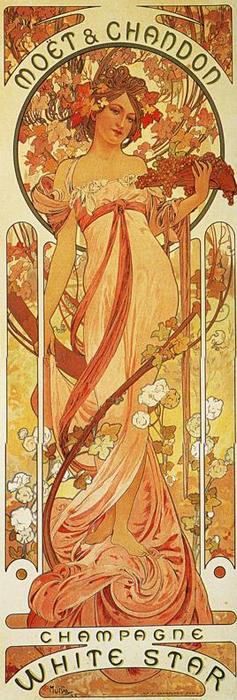
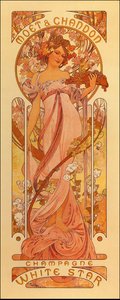
Moet And Chandon White Star


 詳細を見る
詳細を見る




P118B $10

P118H $10

P118W $10

P438Z $10

P508JH $12

P508YH $12

P805H $10

P805Z $10

P919BZ $10

P919G $10

P919XJ $10

P959ZH $10

P968JZ $12

W106C $8

W218G $10

W218JH $8

W218Y $10

W307PJ $10

W316G $10

W316PJ $8

W316Y $10

W398PJ $8

W4111J $10

W500HY $15

W500JH $15

W692G $12

W849H $8

W940BG $15

W953PJ $8




作品のオリジナル比率に合わせた、当店の規定サイズからお選びください。

特定のフレームやスペースに合わせて、ご希望のサイズをご入力いただけます。選択されたサイズが元の画像の比率と異なる場合、アートワークをトリミングするか、手描きで要素を追加して絵画を拡張いたします。デジタルモックアップ を制作し、制作開始前にご確認(承認)をいただきます。
画面上のプレビューは、実際のトリミングや拡張を正確に反映しているものではありません。最終的な構図は、モックアップによってのみ正確にご確認いただけます。
カスタムサイズもご利用いただけますが、元の比率を維持するためには、あらかじめ用意されたリストからサイズを選択することをお勧めいたします。
ご注文後、ArtsDot.com チームより詳細な指示をお送りするとともに、仕上がりイメージ(モックアップ)をご提供いたします。


 ガラスオプションは、110cm未満のサイズでのみご利用いただけます。

Moet And Chandon White Star
複製技法
複製画のサイズ
-


合計金額
$ 263
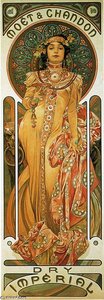
Moet & Chandon White Star: A Symphony of Art Nouveau Luxury
Alphonse Mucha’s “Moët & Chandon White Star” is more than just an advertising poster; it's a crystallized moment of the Art Nouveau movement, a testament to elegance, and a captivating exploration of feminine beauty. Created in approximately 1896-1897, this iconic piece perfectly encapsulates Mucha’s signature style – a world of flowing lines, organic forms, and an almost dreamlike quality that continues to enchant viewers today. The poster's enduring appeal lies not just in its subject matter—the promise of exquisite champagne—but in the masterful execution of Mucha’s artistic vision.
Composition & Style: A Central Figure in a Decorative World
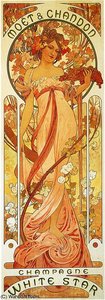
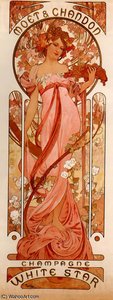
The composition immediately draws the eye to the central female figure, a quintessential Mucha muse. She stands with a graceful turn of the head and body, enveloped in a flowing gown that seems to ripple with movement. This deliberate asymmetry, combined with the symmetrical arrangement of the floral motifs above and below, creates a dynamic balance – a hallmark of Art Nouveau design. The poster’s vertical orientation further emphasizes this sense of upward flow, mirroring the aspiration for luxury and refinement associated with Moët & Chandon. Mucha's use of curvilinear lines is utterly dominant; they dictate every element, from the delicate folds of the woman’s dress to the intricate patterns of the surrounding foliage. This deliberate rejection of hard angles in favor of organic shapes was a radical departure from prevailing artistic trends and firmly established Mucha as a leading figure of the Art Nouveau movement.
Color & Technique: Warmth and Delicate Detail
The color palette is deliberately rich and inviting, dominated by warm tones – creams, golds, peaches, and soft browns – that evoke feelings of comfort and indulgence. Strategic accents of red and green within the floral arrangements add pops of vibrancy, preventing the overall effect from becoming overly muted. Mucha’s meticulous attention to detail is evident in the shading used to create a sense of volume and depth, particularly in the fabric of the gown and the petals of the flowers. It's highly likely this poster was produced using lithography, a technique favored for its ability to reproduce intricate details and vibrant colors with precision. The artist would have meticulously crafted stone or metal plates, transferring the image onto paper through multiple impressions – a process that demanded both artistic skill and technical expertise.
Symbolism & Legacy: More Than Just Champagne
Beyond its promotional purpose, “Moët & Chandon White Star” is laden with symbolic meaning. The idealized female figure represents not just beauty but also grace, sophistication, and the allure of luxury. The abundant floral motifs – lilies, roses, and other blossoms – symbolize abundance, natural elegance, and the celebratory spirit associated with champagne. Mucha’s work frequently featured women in flowing robes, a deliberate choice that reinforced the association between femininity and opulence. The poster's impact extends far beyond its initial purpose; it became one of Mucha’s most recognizable works, solidifying his reputation as a master of Art Nouveau and influencing generations of artists and designers. Today, reproductions like those offered by ArtsDot.com allow us to appreciate the enduring beauty and artistic brilliance of this remarkable piece.
アーティストの略歴
幼少期と教育
- 1860年7月15日、モラヴィア地方のイヴァニチツェ(現在のチェコ共和国)に生まれました。
- 幼い頃から芸術的な才能を示しました。
- プラハ美術アカデミーに入学しましたが、伝統的な手法に幻滅感を抱きました。
- 1887年にパリに移り住み、独自のスタイルを追求しました。
アール・ヌーヴォー様式と代表作
- 流れるような線、有機的なフォルム、躍動感を持つ独特のアール・ヌーヴォー様式で知られています。
- ピエール=オーギュスト・ルノワールやギュスターヴ・モローといった芸術家から影響を受けました。
- 代表作:
- スラヴの反乱 - 伝統的なチェコのモチーフとモダンなアール・ヌーヴォー要素を融合させた作品です。
- サロン・ド・サン
- ギュスターヴ・モローの『テスピオの娘たち』やピエロ・ドラツィオの『ゴベランの乱れ者たち』にインスパイアされた絵画。
- サー・ヒューバート・フォン・ヘルコマーの『亜麻を破る農夫たち』に基づいた挿絵。
- 流れるようなローブを身につけた理想化された女性を、豊かな花々に囲んで描くことがよくあります。
キャリアのハイライトと主要な依頼
- サラ・ベルナールとのコラボレーション: 1894年に『ジスムンダ』のポスターを制作し、女優サラ・ベルナールのためにポスターやデザインを手がけ、キャリアをスタートさせました。
- パリ万国博覧会(1900年): この博覧会でアール・ヌーヴォー様式が国際的に認められました。ボスニア・ヘルツェゴビナ館の装飾を担当し、オーストリア館にも協力しました。
- チャールズ・リチャード・クレーンからのパトロン: チャールズ・リチャード・クレーンの支援を受け、記念碑的なシリーズ『スラヴ叙事詩』(1912-30) を制作することができました。
- 独立後のチェコスロバキア: 新しいチェコスロバキアのために切手、紙幣、政府の文書をデザインしました。
影響と遺産
- チェコの芸術的伝統とヨーロッパ近代美術の影響を受けています。
- 彼のユニークなスタイルは、アール・ヌーヴォーやセセッション運動の次世代のアーティストへの道を開きました。
- エヴァ・プロコプツォヴァのような他のアーティストに影響を与えました。
- 彼の遺産は芸術作品を超えてデザインと美学にまで及びます。スラヴ叙事詩 は、チェコの国民的アイデンティティを表現する重要な役割を果たしました。
晩年と死
- 1906年にマルシュカ(マリー/マリア)ヒティロヴァと結婚しました。
- 娘のヤロスラヴァが生まれた1906年から1910年までアメリカを訪問しました。
- 1939年7月14日、チェコスロバキアのプラハで亡くなりました。
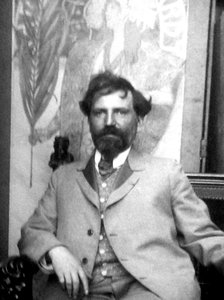
アルフォンス・ミュシャ
1860 - 1939 , チェコ共和国
基本情報
- Artistic Movement Or Style: アール・ヌーヴォー
- Artists Or Movements Influenced By This Artist: ['エヴァ・プロコプツォーヴァ']
- Artists Who Influenced This Artist:
- ピエール=オーギュスト・ルノワール
- ギュスターヴ・モロー
- Date Of Birth: 1860年7月15日
- Date Of Death: 1939年
- Full Name: アルフォンス・マリア・ミュシャ
- Nationality: チェコ人
- Notable Artworks (List Of Titles):
- スラヴの台頭
- サロン・ド・サン
- テスピオの娘たち
- Place Of Birth (City And Country): チェコ共和国、ブルノ

