

 プレビュー
プレビュー
 プリントを購入
 シェアする
シェアする シェアする
シェアする
 詳細を見る
詳細を見る

 ダウンロード
 似ている作品
 X線調査
X線調査 スライドショー
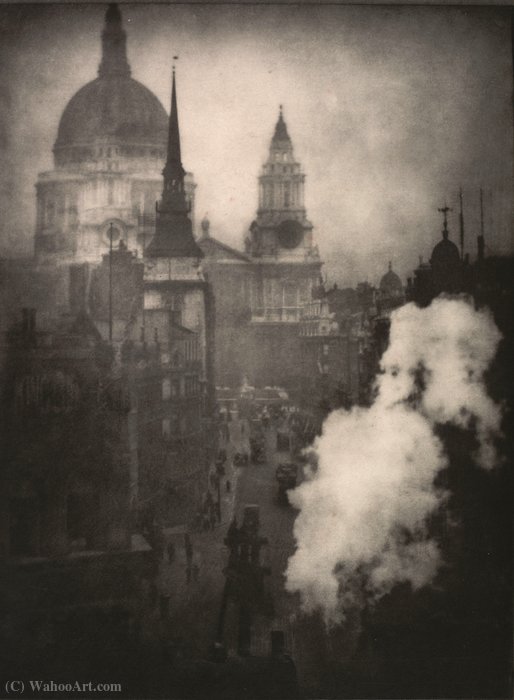
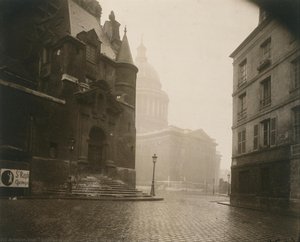
St. Paul's and Other Spires

 詳細を見る
詳細を見る




































作品のオリジナル比率に合わせた、当店の規定サイズからお選びください。

特定のフレームやスペースに合わせて、ご希望のサイズをご入力いただけます。選択されたサイズが元の画像の比率と異なる場合、アートワークをトリミングするか、手描きで要素を追加して絵画を拡張いたします。デジタルモックアップ を制作し、制作開始前にご確認(承認)をいただきます。
画面上のプレビューは、実際のトリミングや拡張を正確に反映しているものではありません。最終的な構図は、モックアップによってのみ正確にご確認いただけます。
カスタムサイズもご利用いただけますが、元の比率を維持するためには、あらかじめ用意されたリストからサイズを選択することをお勧めいたします。
ご注文後、ArtsDot.com チームより詳細な指示をお送りするとともに、仕上がりイメージ(モックアップ)をご提供いたします。


 ガラスオプションは、110cm未満のサイズでのみご利用いただけます。

St. Paul's and Other Spires
複製技法
複製画のサイズ
-


合計金額
$ 263
関連作品
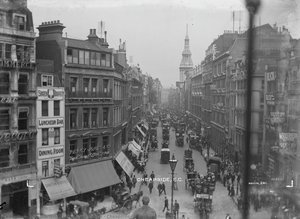
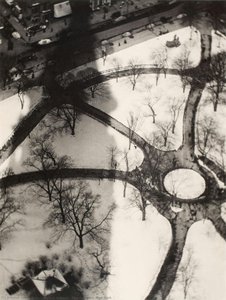
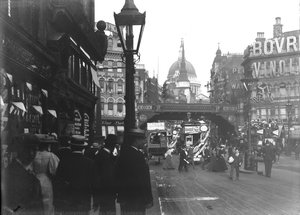
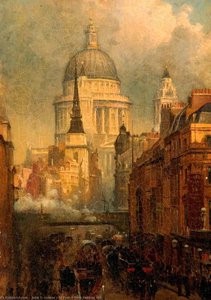

アーティストの略歴
Early Life and the Seeds of Vision
Alvin Langdon Coburn, born in Boston in 1882, emerged into a world rapidly embracing new technologies and artistic expressions. His upbringing, initially secure within a middle-class family—his father establishing the successful shirtmaking firm of Coburn & Whitman—was irrevocably altered by loss when he was just seven years old. The death of his father cast a long shadow, with his mother, Fannie, becoming the central, often dominating, force in his life. Yet, within this shifting familial landscape, a passion ignited that would define his destiny: photography. A 4 x 5 Kodak camera, gifted during a visit to Los Angeles in 1890, wasn’t merely a toy; it was a portal to a new way of seeing, a means of capturing and interpreting the world around him. This nascent talent quickly blossomed under the guidance of his cousin, F. Holland Day, a renowned photographer who recognized Coburn's exceptional aptitude and encouraged his pursuit of photography as more than just a hobby—but as a vocation. Day’s mentorship proved crucial, opening doors to exhibitions and introducing young Coburn to the burgeoning artistic circles of the time.From Pictorialism to the Vanguard
The year 1900 marked a pivotal moment in Coburn's trajectory. A relocation to London with his mother and Day propelled him into the heart of the European art scene. His photographs were swiftly recognized, gaining inclusion in exhibitions at the prestigious Royal Photographic Society and securing an invitation to exhibit with The Linked Ring – a highly selective association of artistic photographers dedicated to elevating photography to the status of fine art. This acceptance solidified Coburn’s position amongst the elite photographic circles of the era. Further honing his skills through studies with Edward Steichen and Robert Demachy in Paris during 1901, he absorbed diverse techniques and perspectives. His involvement with Alfred Stieglitz and the Photo-Secession in America further amplified his reputation, with his work frequently appearing in the influential journal *Camera Work*. Coburn’s early photographs were deeply rooted in Pictorialism, an artistic movement that emphasized subjective expression and sought to emulate the aesthetic qualities of painting—particularly the atmospheric tonal nuances favored by James McNeill Whistler. Images of London landmarks and landscapes characterized this period, showcasing a delicate balance between technical mastery and artistic vision.Abstraction Takes Form: Vortography and Beyond
Coburn’s artistic evolution took a dramatic turn in the following decade, leading him towards groundbreaking experimentation with abstraction. The iconic photograph *The Octopus, New York* (1912), taken from atop the city's soaring skyscrapers, stands as a watershed moment—a pivotal work signaling photography’s departure from representational accuracy. By eliminating the horizon line and flattening perspective, Coburn transformed the urban landscape into a dynamic interplay of geometric forms, foreshadowing modernist aesthetics. This exploration culminated in the invention of Vortography – a revolutionary technique utilizing mirrors to create kaleidoscopic abstract images. These “vortographs” are widely recognized as some of the first completely non-objective photographs ever created, pushing the boundaries of the medium and challenging conventional notions of photographic representation. His association with Vorticist artists like Wyndham Lewis and Ezra Pound further fueled this experimentation, immersing him in a vibrant intellectual environment that embraced radical innovation.A Shifting Focus and Enduring Legacy
The 1920s witnessed a significant shift in Coburn’s interests. A growing fascination with mysticism led to a gradual decline in his photographic output as he pursued spiritual exploration. In 1932, he embraced British citizenship and settled in Wales, seeking tranquility and further immersing himself in esoteric studies. Despite this reduced activity, Alvin Langdon Coburn's historical significance remains profound. He is now celebrated as a crucial figure bridging the gap between Pictorialism and Modern photography—a pioneer who fearlessly challenged conventions and expanded the artistic possibilities of the medium. His groundbreaking work in abstraction, particularly *The Octopus* and his vortographs, profoundly impacted the development of photographic art, influencing generations of artists to come. Moreover, Coburn’s early emphasis on elevated viewpoints – a perspective largely unexplored at the time – added another layer of innovation to his already remarkable body of work. He was also a master craftsman, meticulously controlling the photogravure printing process to achieve rich tones and subtle effects, considering these prints “original” works of art. His legacy endures not only through his captivating images but also through his unwavering commitment to artistic exploration and his enduring contribution to the evolution of photography as a recognized fine art form. London 1909 and New York 1912, published with exquisite photogravure prints, stand as testaments to his dedication and artistry.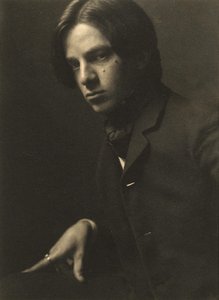
Alvin Langdon Coburn
1882 - 1966 , United States of America
基本情報
- Artistic Movement Or Style: Pictorialism, Vortography
- Artists Or Movements Influenced By This Artist: Modern photography
- Artists Who Influenced This Artist:
- F. Holland Day
- Alfred Stieglitz
- James Whistler
- Date Of Birth: June 11, 1882
- Date Of Death: November 23, 1966
- Full Name: Alvin Langdon Coburn
- Nationality: American/British
- Notable Artworks:
- St. Paul’s and Other Spires
- The Octopus, New York
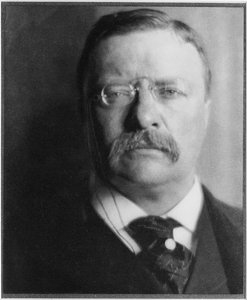
- Theodore Roosevelt
- Place Of Birth: Boston, USA
関連記事

Monochrome Visions: Exploring the Aesthetic & Historical Significance of Black & White Photography
Explore the rich history & artistic power of black and white photography. From early techniques to iconic masters like Ansel Adams, discover why monochrome continues to captivate art lovers today. Expert insights for collectors.
Beyond the Lens: Photography's Enduring Influence on Modern & Contemporary Art
Explore photography's pivotal role in shaping modern & contemporary art. Discover key movements, influential artists like Stieglitz, and expert collecting advice from ArtsDot.

Pictorialism: A Search for Artistic Photography's Soul – Aesthetics, Techniques & Legacy
Explore the captivating world of Pictorialism – a pivotal movement that transformed photography into fine art. Discover key artists like Stieglitz & Käsebier, techniques, and collecting tips from experts.
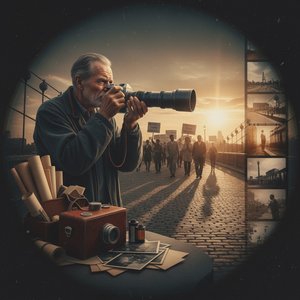
Witnessing History Through Lens & Light: Documentary Photography's Enduring Legacy
Explore the powerful history of documentary photography – from its origins to contemporary masters like Gordon Parks & W. Eugene Smith. Discover how this art form shapes our understanding of society and witness pivotal moments in time.

Documentary Photography's Defining Moments: 10 Masterpieces for Your Home |
Explore 10 defining documentary photography masterpieces – from Dorothea Lange to Robert Capa. Discover powerful stories, iconic images & timeless art for your home. Museum-quality prints at .