

 プレビュー
プレビュー
 プリントを購入
 シェアする
シェアする シェアする
シェアする
 詳細を見る
詳細を見る

 ダウンロード
 似ている作品
 X線調査
X線調査 スライドショー
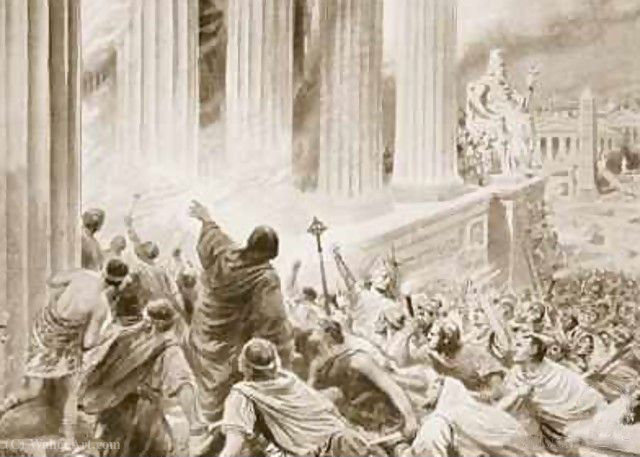
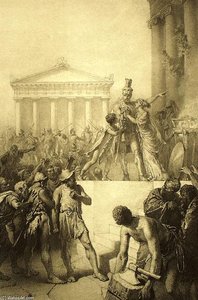
The Burning of the Library at Alexandria in 391 AD
 詳細を見る
詳細を見る
オンラインプレビューをはるかに凌ぐ、高解像度で鮮明なデジタル画像をご購入いただけます。
各ファイルは、社内の専門家が高度なツールと熟練した手作業によるレタッチを用いて、細心の注意を払って準備されています。すべての画像において、卓越した鮮明度、正確な色彩再現性、そして繊細なディテールを保証いたします。
最終ファイルは、プロフェッショナルな編集・印刷環境ですぐにご利用いただけるよう最適化された状態で、72時間以内にメールにてお届けいたします。これは、一流のデザインスタジオ、出版社、ギャラリーから信頼されているものと同等の品質です。
デジタル画像のご注文に付随する特典
高品質なデジタル画像配信を、確かな品質で。
ArtsDot.com を選ぶことは、単に画像を手に入れることではありません。それは、プロの手によって精密に仕上げられ、満足保証が付いた高品質なデジタルアートワークを受け取ることを意味します。ご注文いただいた際に自動的に付随する内容は、以下の通りです:

メールですぐにお届け
ご注文から72時間以内に、高解像度のデジタル画像ファイルがメールでお手元に届きます。すぐにそのままご利用いただけます。

AI技術で最適化されたデジタルファイル
お客様の作品は、高度なAIツールと専門家による手作業の編集を組み合わせてプロフェッショナルに最適化されており、細部のディテール、鮮明さ、そして正確な色再現性を最大限に引き出しています。

一生涯無料の再送サービス
ファイルを誤って削除したり、紛失してしまったりしましたか?ご安心ください。いつでも無料で再送いたします。

輸入手数料は一切かかりません
関税や手数料、配送料を気にすることなく、お気に入りのアートワークをすぐにお楽しみいただけます。デジタルダウンロードは常に免税です。

色彩再現の保証
プロ仕様のツールとカラーマネジメント技術を用いることで、デジタル画像が元の色を最大限に忠実に再現することを保証いたします。

60日間満足保証
ご購入いただいたデジタル画像にご満足いただけない場合は、60日以内であれば、修正または100%の返金(理由を問う必要はありません)をさせていただきます。

100% 返金保証
ご満足いただけない場合は、デジタルファイルを受け取ってから60日以内であれば、理由を問わず全額返金いたします。

まとめ買い割引
3枚購入で10%OFF - 5枚購入で15%OFF - 10枚以上購入で20%OFF。クリエイティブなプロジェクト、ギャラリー、エージェンシーに最適です。
関連作品

作家の略歴
Pierre Bonnard: A Painter of Intimate Light
Born in Fontenay-aux-Roses, a suburb just outside Paris, on October 3rd, 1867, Pierre Bonnard was not initially destined for the art world. His father, Eugène Bonnard, held a position within the French Ministry of War, and young Pierre was steered towards a legal career – he even earned a license in law. However, a deep-seated passion for drawing and watercolor, nurtured during his childhood and further encouraged by his family’s appreciation for artistic pursuits, ultimately led him to abandon his legal aspirations and embrace painting as his true vocation. This shift wasn't immediate; Bonnard spent several years working as a typesetter and decorator before dedicating himself fully to art in the late 1880s.
Early influences on Bonnard’s work were profoundly shaped by the Impressionists, particularly Claude Monet and Camille Pissarro. He initially sought to emulate their techniques of capturing fleeting moments of light and color, evident in his early landscapes and scenes of Parisian life. Yet, he quickly moved beyond mere imitation, developing a distinctive style characterized by bold, flattened forms, vibrant yet muted colors, and an emphasis on the subjective experience of perception rather than objective reality. This trajectory was significantly influenced by Paul Gauguin’s exploration of symbolism and emotional intensity in his paintings, as well as the decorative prints of Hokusai, whose masterful use of line and color captivated Bonnard's imagination.
The Nabis and a Revolutionary Palette
Bonnard’s artistic journey truly took shape with his involvement in the *Nabis* (meaning “prophets”), a group of avant-garde painters formed in 1888. The Nabis, including figures like Édouard Vuillard and Suzanne Valadon, sought to create a new form of art that transcended mere representation, aiming instead for an evocative expression of mood and feeling. They drew inspiration from Japanese prints, particularly the bold compositions and flattened perspectives of Hiroshige and Hokusai, incorporating these elements into their own work. Bonnard’s membership in the Nabis marked a crucial turning point, solidifying his commitment to exploring subjective experience and pushing the boundaries of traditional painting techniques.
A defining characteristic of Bonnard's style was his masterful manipulation of color. He eschewed the conventional use of complementary colors, instead employing a carefully orchestrated palette of muted tones—ochres, blues, greens, and pinks—to create a sense of atmosphere and intimacy. His paintings often depict domestic scenes – interiors filled with furniture, bathers, and family members – rendered in a dreamlike quality where background elements frequently dominate the foreground, creating a layered and complex visual experience. He wasn’t interested in depicting reality as it appeared; instead, he sought to capture the *feeling* of a space or moment.
Themes of Domesticity and Intimacy
Bonnard's oeuvre is overwhelmingly focused on intimate subjects—domestic interiors, portraits of family members, and scenes of everyday life. He frequently depicted his wife, Marthe, and their children in a series of paintings that offer glimpses into the quiet rhythms of their lives. These works are not characterized by grand narratives or dramatic events; rather, they capture fleeting moments of tenderness, humor, and shared experience. His approach was deeply personal, reflecting his own observations and emotions. He famously stated, "I paint what I see—not necessarily what is there.”
Despite the seemingly simple subject matter, Bonnard’s paintings are imbued with a remarkable sense of subtlety and nuance. His use of light and shadow creates a luminous quality that enhances the emotional impact of each scene. He often employed a technique known as *décomposition*, breaking down forms into their constituent parts and rearranging them in unexpected ways, creating a sense of disorientation and ambiguity. This approach challenged traditional notions of perspective and spatial representation, paving the way for later developments in modern art.
Legacy and Influence
Pierre Bonnard’s influence on 20th-century painting is considerable. His innovative use of color, his exploration of subjective experience, and his rejection of academic conventions paved the way for movements such as Fauvism and Expressionism. Artists like Henri Matisse and André Derain were deeply influenced by Bonnard's bold palette and expressive brushwork. His work continues to be celebrated for its beauty, intimacy, and profound emotional resonance.
Bonnard died in La Route de Serra Capeou on January 23rd, 1947, at the age of 79. His paintings remain a testament to his unique artistic vision—a celebration of light, color, and the quiet joys of everyday life. His legacy endures as one of the most important and beloved figures in French art.
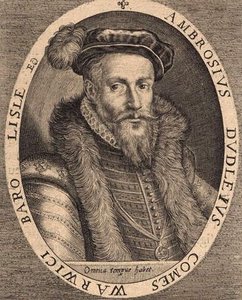
ambrose dudley
1867 - 1951 , United Kingdom
プロフィール概要
- Artistic Movement Or Style: Post-Impressionism, Nabis
- Artists Or Movements Influenced By This Artist:
- Henri Matisse
- Modernism
- Artists Who Influenced This Artist:
- Paul Gauguin
- Hokusai
- Date Of Birth: 1867-10-03
- Date Of Death: 1947-01-23
- Full Name: Pierre Bonnard
- Nationality: French
- Notable Artworks:
- La Route de Serra Capeou
- Mont Sainte-Victoire
- The Large Format
- Place Of Birth: Fontenay-aux-Roses, France

