

 プレビュー
プレビュー
 プリントを購入
 シェアする
シェアする シェアする
シェアする
 詳細を見る
詳細を見る

 ダウンロード
 似ている作品
 X線調査
X線調査 スライドショー
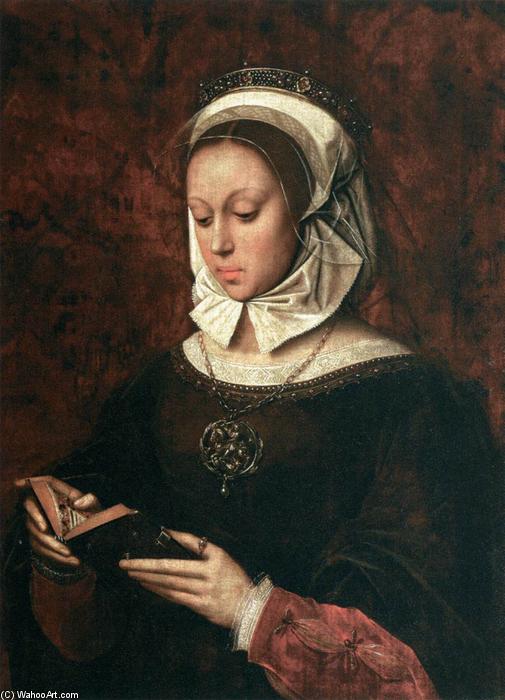
Young Woman in Orison Reading a Book of Hours
 Oil On Canvas
- WallArt
- Northern Renaissance
 1520
1520- Renaissance
 75.0 x 55.0 cm
 ルーブル美術館
 詳細を見る
詳細を見る




P118B $10

P118H $10

P118W $10

P438Z $10

P508JH $12

P508YH $12

P805H $10

P805Z $10

P919BZ $10

P919G $10

P919XJ $10

P959ZH $10

P968JZ $12

W106C $8

W218G $10

W218JH $8

W218Y $10

W307PJ $10

W316G $10

W316PJ $8

W316Y $10

W398PJ $8

W4111J $10

W500HY $15

W500JH $15

W692G $12

W849H $8

W940BG $15

W953PJ $8




作品のオリジナル比率に合わせた、当店の規定サイズからお選びください。

特定のフレームやスペースに合わせて、ご希望のサイズをご入力いただけます。選択されたサイズが元の画像の比率と異なる場合、アートワークをトリミングするか、手描きで要素を追加して絵画を拡張いたします。デジタルモックアップ を制作し、制作開始前にご確認(承認)をいただきます。
画面上のプレビューは、実際のトリミングや拡張を正確に反映しているものではありません。最終的な構図は、モックアップによってのみ正確にご確認いただけます。
カスタムサイズもご利用いただけますが、元の比率を維持するためには、あらかじめ用意されたリストからサイズを選択することをお勧めいたします。
ご注文後、ArtsDot.com チームより詳細な指示をお送りするとともに、仕上がりイメージ(モックアップ)をご提供いたします。


 ガラスオプションは、110cm未満のサイズでのみご利用いただけます。

Young Woman in Orison Reading a Book of Hours
複製技法
複製画のサイズ
-


合計金額
$ 263
A Moment Suspended in Devotion
Gazing upon this depiction of a Young Woman in Orison Reading a Book of Hours, one is immediately drawn into an atmosphere of profound quietude and scholarly devotion. The scene captures a private ritual, the intimate act of study set against a backdrop that seems to absorb all extraneous noise. The subject, elegantly dressed and adorned with a pristine white headdress, holds a book—a tangible portal to worlds of scripture or poetry. Her focus is absolute; every line etched upon her face, every delicate gesture of her hands as they rest near the open pages, speaks to an unwavering concentration. It is more than just a portrait; it is an immersion into the contemplative life of the early Renaissance patron.
Mastery of Flemish Detail and Lombard Grace
The hand that painted this work, Ambrosius Benson, masterfully bridges geographical styles. While his roots are firmly planted in the vibrant artistic currents of Lombardy, his technique bears the unmistakable hallmark of the Flemish school—a meticulous dedication to surface detail rarely matched. Observe the intricate brushwork; it lends an almost palpable texture to the rich folds of her red gown and the aged quality of the book itself. The artist has achieved a remarkable verisimilitude, making the painted moment feel startlingly immediate. This technical brilliance allows the viewer not only to see the woman but to sense the weight of the vellum and the coolness of the air in the room.
Symbolism Woven into Crimson Walls
The choice of setting is as significant as the figure herself. The deep, enveloping red of the background wall does more than simply frame the subject; it acts as a dramatic counterpoint to the purity suggested by her white headwear and the pale skin tones. In Renaissance art, such saturated color often symbolizes passion, earthly life, or even divine presence. Coupled with the Book of Hours—an object central to devotional practice—the painting becomes a rich tapestry of spiritual commitment. The act of reading itself is symbolic: it represents education, piety, and the enduring connection between humanity and sacred knowledge.
An Echo of Renaissance Intimacy for Modern Spaces
For the collector or designer seeking an artwork that speaks to history while elevating contemporary interiors, this piece offers unparalleled depth. The size, 75 x 55 cm, allows it to function as a commanding yet intimate focal point in a drawing-room, library, or private study. Reproducing Benson’s delicate handling of light and shadow brings the quiet drama of the 16th century into the modern day. It invites contemplation, suggesting that even amidst the clamor of contemporary life, there remains profound beauty in moments dedicated to reflection and enduring art.
CLASSIFICATION: Art Reproduction関連作品
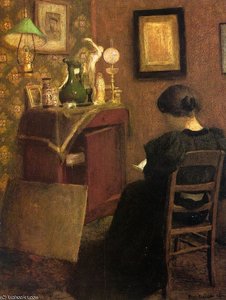
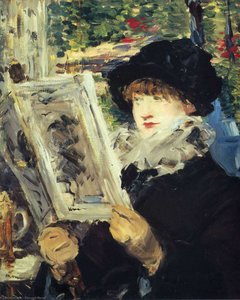
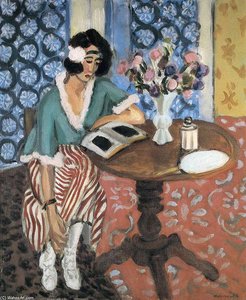
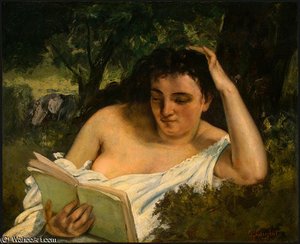
アーティストの略歴
Ambrosius Benson: A Flemish Echo in Lombardy’s Renaissance
Ambrosius Benson, born Ambrogio Benzone around 1484 in Ferrera (modern Brescia), Italy, stands as a fascinating figure within the burgeoning Northern Renaissance. Despite leaving scant biographical traces—records offer little beyond his birthplace and approximate date of birth—scholars recognize him unequivocally as a painter deeply rooted in the Flemish tradition, albeit originating from Lombardy. This paradoxical blend of influences speaks volumes about the interconnected artistic landscape of the era and cemented his place as one of the most prolific and influential artists of his time.- Early Life & Apprenticeship: Little is known definitively about Benson’s formative years, but he honed his craft under the tutelage of Gerard David in Bruges circa 1515. This pivotal apprenticeship instilled within him the stylistic hallmarks of the Flemish school—a meticulous attention to detail, a masterful use of oil paint, and an embrace of naturalism—characteristics that would permeate his subsequent oeuvre.
- Bruges & Guild Membership: Recognizing Bruges as a hub for artistic innovation and patronage, Benson established himself there permanently. He secured citizenship and ascended through the ranks of the guild of painters and saddle makers, demonstrating not only artistic talent but also civic engagement. His roles as Dean and Governor underscored his leadership within the community and solidified his reputation as a respected figure.
A Painter’s Journey: From Journeyman to Master
Before achieving mastery, Benson embarked on a traditional journeyman’s path—a common practice for aspiring artists during the Renaissance—allowing him to broaden his artistic horizons and absorb diverse influences. This period fostered experimentation with techniques and styles, preparing him for the responsibilities of directing his own workshop and producing works destined for international acclaim. His marriage to Anna Ghyselin brought stability to his life, resulting in two sons who followed in his footsteps as painters—Jan and Willem—further enriching the artistic heritage of Bruges.Style & Technique: Classical Influences & Flemish Mastery
Benson’s artistic style exemplifies a harmonious fusion of Lombardy’s humanist sensibilities with the refined aesthetics of Flanders. He skillfully incorporated classical motifs into his paintings, often depicting figures in contemporary domestic settings or reimagining mythological narratives within modern dress—a technique that distinguished him from many of his contemporaries. His meticulous brushwork and masterful use of chiaroscuro—the dramatic interplay of light and shadow—were hallmarks of the Flemish tradition, mirroring David’s influence and elevating his compositions to levels of artistic sophistication.Notable Works & Legacy: The Magdalene Cycle & Beyond
Benson achieved considerable renown during his lifetime thanks to commissions from wealthy patrons across Europe, particularly in Spain. However, it is perhaps his reproductions of the Magdalene—particularly variations inspired by Gerard David—that secured his enduring fame. These paintings captivated audiences and served as models for subsequent artists, establishing Benson as a cornerstone of the “Benson School.” His prolific output ensured that he would be remembered as one of the most important painters of the sixteenth century, leaving behind a legacy characterized by artistic excellence and an indelible mark on Flemish art history.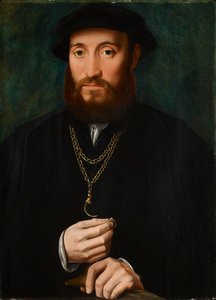
Ambrosius Benson
1497 - 1550 , Italy
基本情報
- Artistic Movement Or Style: Flemish School
- Artists Or Movements Influenced By This Artist: ['Followers of Benson']
- Artists Who Influenced This Artist: ['Gerard David']
- Date Of Birth: ca. 1484
- Date Of Death: 1550
- Full Name: Ambrosius Benson
- Nationality: Italian
- Notable Artworks:
- The Magdalen Reading
- Portrait of an Unknown Gentleman
- The Holy Family
- Place Of Birth: Ferrera, Italy
関連記事

Oil on Canvas: A Historical & Technical Exploration of a Timeless Artistic Medium
Explore the rich history & enduring techniques of oil painting on canvas. Discover the science behind its longevity, conservation practices, and contemporary relevance. Expert insights for art enthusiasts.

The Enduring Legacy of Oil on Canvas: Technique, History & Aesthetic Impact
Explore the rich history & techniques of oil painting – from Renaissance masters to Impressionism. Discover pigments, layering methods, and why this timeless medium endures. Expert insights for artists & art enthusiasts.
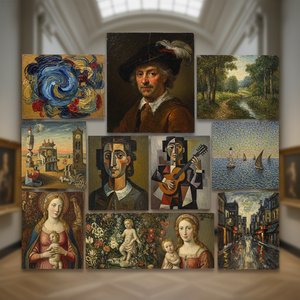
Oil on Board Masters: 10 Paintings That Redefined Art | ArtsDot
Explore 10 legendary 'Oil on Board' masterpieces by Van Gogh, Monet & more! Discover art history, iconic styles like Impressionism, and find museum-quality reproductions to elevate your home decor. Explore the full collection online at ArtsDot.com.

The Enduring Power of Painting: A Historical & Contemporary Exploration of Form and Emotion
Explore the rich history & enduring techniques of oil painting with ArtsDot. Discover masterpieces, learn about art collecting, and find authentic handmade reproductions crafted by skilled artists.

グスタフ・クリムト傑作25選:華麗なる装飾性と象徴が織りなす世界 | ArtsDot
グスタフ・クリムトの傑作25選。華麗なる装飾性と象徴が織りなす世界を紐解きます。キス、ポートレートなど、美術史に残る名画の物語と技法をArtsDotで。高品質複製画やインテリアアートも豊富に。今すぐコレクションをご覧ください。