

 プレビュー
プレビュー
 シェアする
シェアする シェアする
シェアする
 詳細を見る
詳細を見る

 ダウンロード
 似ている作品
 X線調査
X線調査 スライドショー
 統計情報
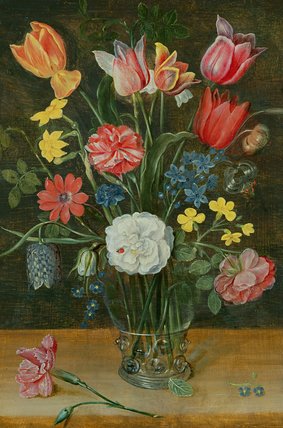
統計情報Still Life With Spring Flowers
 詳細を見る
詳細を見る
ジークレー/アートプリント
迅速な制作と多彩な仕上げオプションを備えた、ミュージアムクオリティのジークレーまたはキャンバスプリント。 ( 手描きの絵画を購入 デジタル画像販売へ切り替え)




































作品のオリジナル比率に合わせた、当店の規定サイズからお選びください。

特定のフレームやスペースに合わせて、ご自身でサイズを指定することも可能です。選択されたサイズが元の画像の比率と一致しない場合、作品をトリミングするか、鏡面反射または単色での塗りつぶしによって画像を拡張いたします。制作を開始する前に、ご確認用のデジタルモックアップをお送りいたします。
画面上のプレビューには、実際のトリミングや拡張は反映されませんのでご注意ください。最終的な構図を正確に確認できるのは、モックアップのみとなります。
カスタムサイズも承っておりますが、元の比率を維持するためには、あらかじめ用意されたリストからサイズを選択することをお勧めいたします。


 ガラスオプションは、110cm未満のサイズでのみご利用いただけます。

Still Life With Spring Flowers
ジークレー/アートプリント
複製画のサイズ
-


合計金額
$ 62
関連作品
アーティストの略歴
Ambrosius Brueghel: A Flemish Landscape Visionary
Ambrosius Brueghel (1617-1675) stands as a pivotal figure in the artistic landscape of Antwerp and the broader Dutch Golden Age, renowned for his masterful depictions of rural life—particularly landscapes infused with meticulous detail and imbued with a profound understanding of atmospheric perspective. Unlike many of his contemporaries who focused on portraiture or mythological subjects, Brueghel dedicated himself to capturing the essence of the Flemish countryside, elevating genre painting to new heights of artistic sophistication.- Early Life & Training: Born in Antwerp, Brueghel’s formative years coincided with a period of significant artistic ferment within the city—a legacy of Pieter Bruegel the Elder, his father, who established a formidable tradition of landscape painting. Ambrosius apprenticed under Jan Brueghel III and Peter Paul Rubens, absorbing influences from both masters that would profoundly shape his stylistic trajectory. Rubens’s dynamic compositions and masterful use of color instilled in Brueghel a desire for grandeur and expressive dynamism.
- Style & Technique: Brueghel's distinctive style is characterized by an unparalleled attention to topographical accuracy—he painstakingly researched locations, creating landscapes that resemble miniature maps. His canvases are populated with figures engaged in everyday activities—farmers tending their fields, hunters pursuing game—presented within richly textured environments. Crucially, he employed atmospheric perspective—a technique pioneered by Rubens—to convey depth and realism, utilizing subtle gradations of color and tonal variation to simulate the effects of distance.
Landscapes That Speak Volumes: Themes & Symbolism
Brueghel’s landscapes transcend mere visual representation; they serve as vehicles for conveying moral and philosophical commentary. Recurring motifs—such as crows, windmills, and skeletons—are laden with symbolic significance, reflecting anxieties about mortality and the precariousness of human existence. His scenes often depict seasonal cycles—the arrival of spring, the ripening of harvests—highlighting the rhythms of nature and reminding viewers of the cyclical patterns of life and death. These images weren’t simply beautiful; they were designed to provoke contemplation on the human condition.- Notable Works: Among Brueghel's celebrated paintings are “The Hunters in Paradise,” a monumental depiction of a hunting party amidst an idyllic landscape populated by fantastical creatures, and “Peasant Wedding,” which portrays a lively celebration accompanied by musical instruments and dancing figures. His still lifes—particularly those featuring flowers—are equally impressive for their meticulous detail and luminous color palettes.
- Influence & Legacy: Brueghel’s influence extended far beyond his own lifetime, inspiring subsequent generations of landscape painters. He established a distinct artistic lineage that persisted into the eighteenth century, cementing his place as one of the most important figures in Flemish Baroque art. His pioneering use of atmospheric perspective continues to resonate with artists today, demonstrating the enduring power of observation and skillful technique.
A Reflection of the Dutch Golden Age Aesthetic
Brueghel’s artistic vision aligns seamlessly with the broader aesthetic sensibilities of the Dutch Golden Age—a period marked by intellectual curiosity, humanist ideals, and a fervent embrace of naturalism. Like Rubens and Rembrandt, he sought to capture the grandeur and complexity of the human experience, utilizing innovative techniques to convey both beauty and moral seriousness. His landscapes stand as testament to this era’s commitment to portraying the world with unflinching honesty and profound artistic insight.Historical Significance
Ambrosius Brueghel's contribution to art history is undeniable. He wasn’t merely documenting rural life; he was elevating it to a level of artistic contemplation rarely achieved before him. His paintings offer invaluable glimpses into the worldview of seventeenth-century Flanders, reflecting anxieties about mortality and celebrating the beauty of the natural world—themes that continue to resonate with audiences today. Through his meticulous observation and masterful execution, Brueghel secured his legacy as a true innovator and a cornerstone of Baroque landscape painting.
Ambrosius Brueghel
1617 - 1675 , Belgium
基本情報
- Artistic Movement Or Style: Baroque Landscape Painting
- Artists Who Influenced This Artist:
- Peter Paul Rubens
- Jan Bruegel the Elder
- Date Of Birth: 1617 Antwerp Belgium
- Date Of Death: 1675
- Full Name: Ambrosius Brueghel
- Nationality: Flemish
- Notable Artworks:
- Holy Virgin and Child
- Still Life With Spring Flowers
- Mixed Flowers On A Ledge
- Place Of Birth: Antwerp Belgium