

 プレビュー
プレビュー
 シェアする
シェアする シェアする
シェアする
 詳細を見る
詳細を見る

 ダウンロード
 似ている作品
 X線調査
X線調査 スライドショー
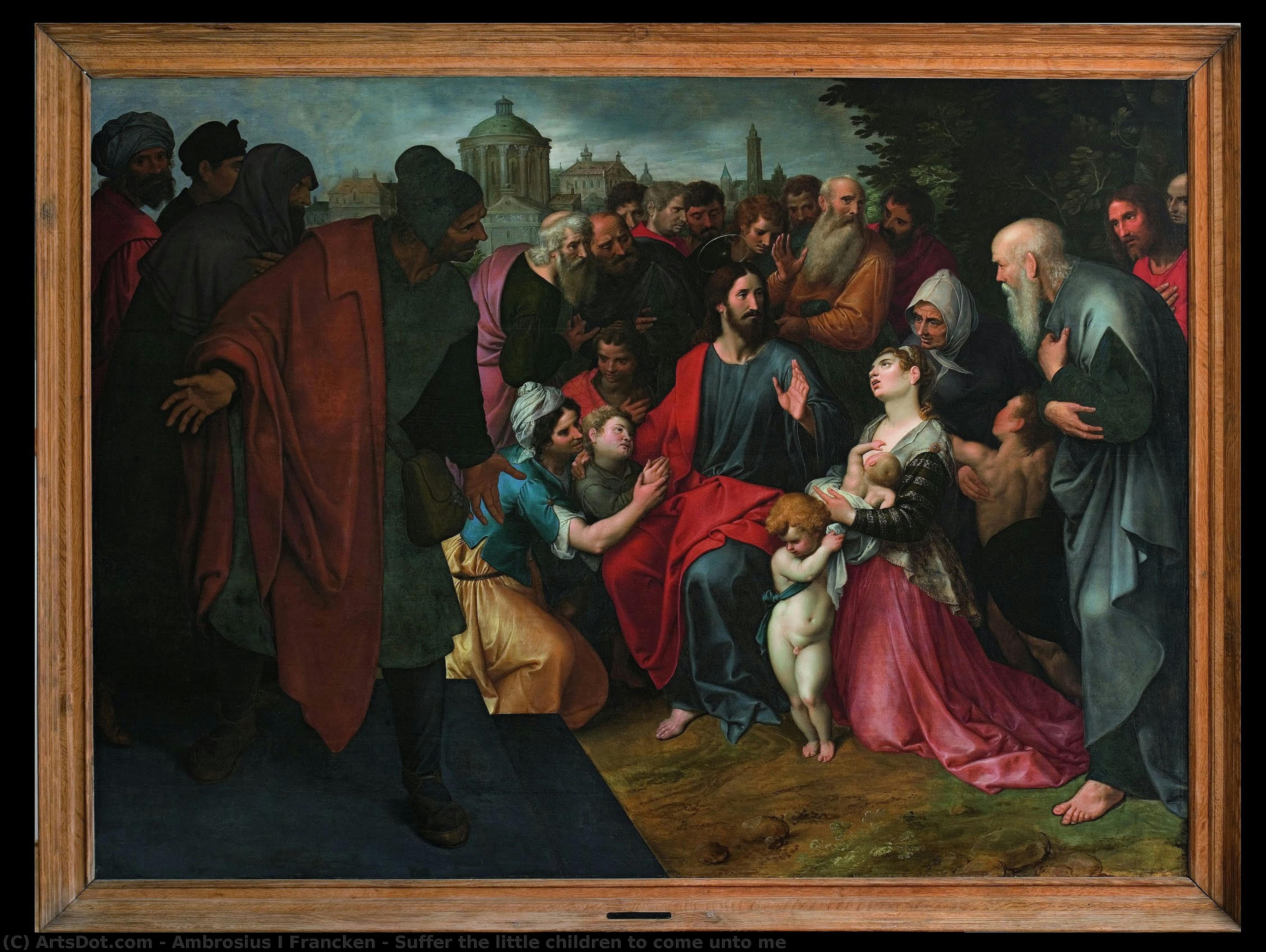
Suffer the little children to come unto me
 Acrylic On Canvas
- WallArt
- Northern Renaissance Revival
 1600
1600 179.0 x 236.0 cm
 ボンネファンテン美術館
 詳細を見る
詳細を見る
ジークレー/アートプリント
迅速な制作と多彩な仕上げオプションを備えた、ミュージアムクオリティのジークレーまたはキャンバスプリント。 ( 手描きの絵画を購入 画像を購入)




P118B $10

P118H $10

P118W $10

P438Z $10

P508JH $12

P508YH $12

P805H $10

P805Z $10

P919BZ $10

P919G $10

P919XJ $10

P959ZH $10

P968JZ $12

W106C $8

W218G $10

W218JH $8

W218Y $10

W307PJ $10

W316G $10

W316PJ $8

W316Y $10

W398PJ $8

W4111J $10

W500HY $15

W500JH $15

W692G $12

W849H $8

W940BG $15

W953PJ $8




作品のオリジナル比率に合わせた、当店の規定サイズからお選びください。

特定のフレームやスペースに合わせて、ご自身でサイズを指定することも可能です。選択されたサイズが元の画像の比率と一致しない場合、作品をトリミングするか、鏡面反射または単色での塗りつぶしによって画像を拡張いたします。制作を開始する前に、ご確認用のデジタルモックアップをお送りいたします。
画面上のプレビューには、実際のトリミングや拡張は反映されませんのでご注意ください。最終的な構図を正確に確認できるのは、モックアップのみとなります。
カスタムサイズも承っておりますが、元の比率を維持するためには、あらかじめ用意されたリストからサイズを選択することをお勧めいたします。


 ガラスオプションは、110cm未満のサイズでのみご利用いただけます。

Suffer the little children to come unto me
ジークレー/アートプリント
複製画のサイズ
-


合計金額
$ 62
A Window Into Faith and Renaissance Influence
The painting “Suffer the little children to come unto me,” attributed to Ambrosius Francken I (1545 – 1618), stands as a testament to the artistic fervor of Antwerp during the early Baroque period. Painted in 1600, this monumental oil on panel transcends mere depiction; it embodies a complex tapestry of religious devotion interwoven with echoes of Italian Renaissance grandeur. Francken’s masterful execution captures not just visual beauty but also profound spiritual contemplation—a characteristic deeply rooted in the intellectual currents shaping Europe at the time.- Subject Matter and Composition: At its core, the artwork portrays Jesus Christ seated centrally amidst a congregation of adults, notably mothers accompanied by their children. This deliberate arrangement underscores the importance of innocence and vulnerability within Christian faith—a theme prevalent throughout biblical narratives and powerfully conveyed through Francken’s careful composition. The figures are positioned in front of a classical temple reminiscent of Bramante's Tempietto in Rome, symbolizing spiritual aspiration and harking back to humanist ideals championed by Renaissance thinkers.
- Style and Technique: Francken’s style aligns seamlessly with the prevailing Baroque aesthetic—characterized by dramatic lighting, rich color palettes, and a heightened sense of realism. He skillfully employs chiaroscuro – the interplay between light and shadow – to sculpt form and imbue the scene with palpable emotion. The meticulous brushwork reveals an unwavering dedication to capturing nuanced textures and conveying depth of feeling.
Renaissance Echoes: Inspiration from Raphael and Michelangelo
Francken’s artistic vision wasn't born in isolation; it drew inspiration from luminaries of the Italian Renaissance. Specifically, Raphael’s celebrated tapestry depicting “The Miraculous Draught of Fishes,” from the series Acts of the Apostles, served as a significant catalyst for stylistic choices—particularly concerning spatial perspective and decorative ornamentation. Similarly, Michelangelo’s monumental statue “Madonna of Bruges,” which Francken undoubtedly observed during his travels, instilled in him an understanding of sculptural grandeur and emotive expression. These influences are subtly reflected in the temple architecture and the overall dynamism of the painting.- Symbolism: The inclusion of Jewish rabbis—identified by Hebrew text on their hats—represents a deliberate acknowledgment of religious diversity within Antwerp’s multicultural society. Isaiah, the prophet revered throughout Judaism and Christianity, underscores the universality of spiritual faith. Furthermore, the temple itself symbolizes divine presence and serves as a conduit for prayerful contemplation.
- Emotional Impact: “Suffer the little children to come unto me” succeeds in eliciting profound empathy and reverence. The tender depiction of mothers caring for their offspring evokes feelings of compassion and familial devotion—themes central to Christian morality. Francken’s masterful use of color and light amplifies these emotions, transporting viewers into a realm of spiritual serenity.
A Legacy of Flemish Artistry
Ambrosius Francken I's contribution to Flemish art is undeniable. As part of the prolific Francken dynasty—alongside his brothers Frans and Hieronymus—he established himself as one of Antwerp’s foremost painters, securing a prominent place in artistic history. His ability to synthesize humanist ideals with religious fervor exemplifies the spirit of the Baroque era and solidifies “Suffer the little children to come unto me” as an enduring masterpiece—a captivating portrayal of faith, compassion, and artistic brilliance.関連作品

関連記事

ラファエロ傑作25選:ルネサンス巨匠の物語と芸術の世界 | ArtsDot
ラファエロの傑作25選🎨 ルネサンス巨匠の物語と芸術の世界を紐解きます。美しい絵画複製や壁掛けアートで、お部屋に名画の彩りを。ArtsDot.comで、美術史に残る作品群をご覧ください✨

ミケランジェロ傑作25選:美術史を彩る巨匠の魂と革新 - ArtsDot
ミケランジェロの傑作25選。ルネサンスを代表する芸術家の魂が宿る絵画、彫刻の世界へ。ダビデ像やピエタなど、美術史に残る名作の物語と技法を紐解きます。ArtsDotで高品質な複製画とインテリアアートを見つけましょう。
The Renaissance Titans: A Comparative Study of Leonardo, Michelangelo, and Raphael
Explore the genius of the High Renaissance. Compare the legendary works of Leonardo, Michelangelo, and Raphael through an expert art-historical lens. Discover how these titans shaped human creativity and learn to bring their timeless beauty into your modern home.
Michelangelo Buonarroti: A Renaissance Titan – Life, Works & Enduring Legacy
Explore the life, works & enduring legacy of Michelangelo Buonarroti, a Renaissance titan. Discover his iconic sculptures, frescoes, and architectural achievements. Expert art consultation & high-quality reproductions at ArtsDot.

ウフィツィ美術館の至宝25選:ルネサンス巨匠たちの傑作とアートデコレーション
ウフィツィ美術館の至宝25選:ボッティチェリ、レオナルド・ダ・ヴィンチ…ルネサンス巨匠たちの傑作と感動的な物語を紐解きます。高品質な絵画複製やアートプリントで、お部屋に名画の輝きを。ArtsDot.comで芸術の世界へ。

