

 プレビュー
プレビュー
 プリントを購入
 シェアする
シェアする シェアする
シェアする
 詳細を見る
詳細を見る

 ダウンロード
 似ている作品
 X線調査
X線調査 スライドショー
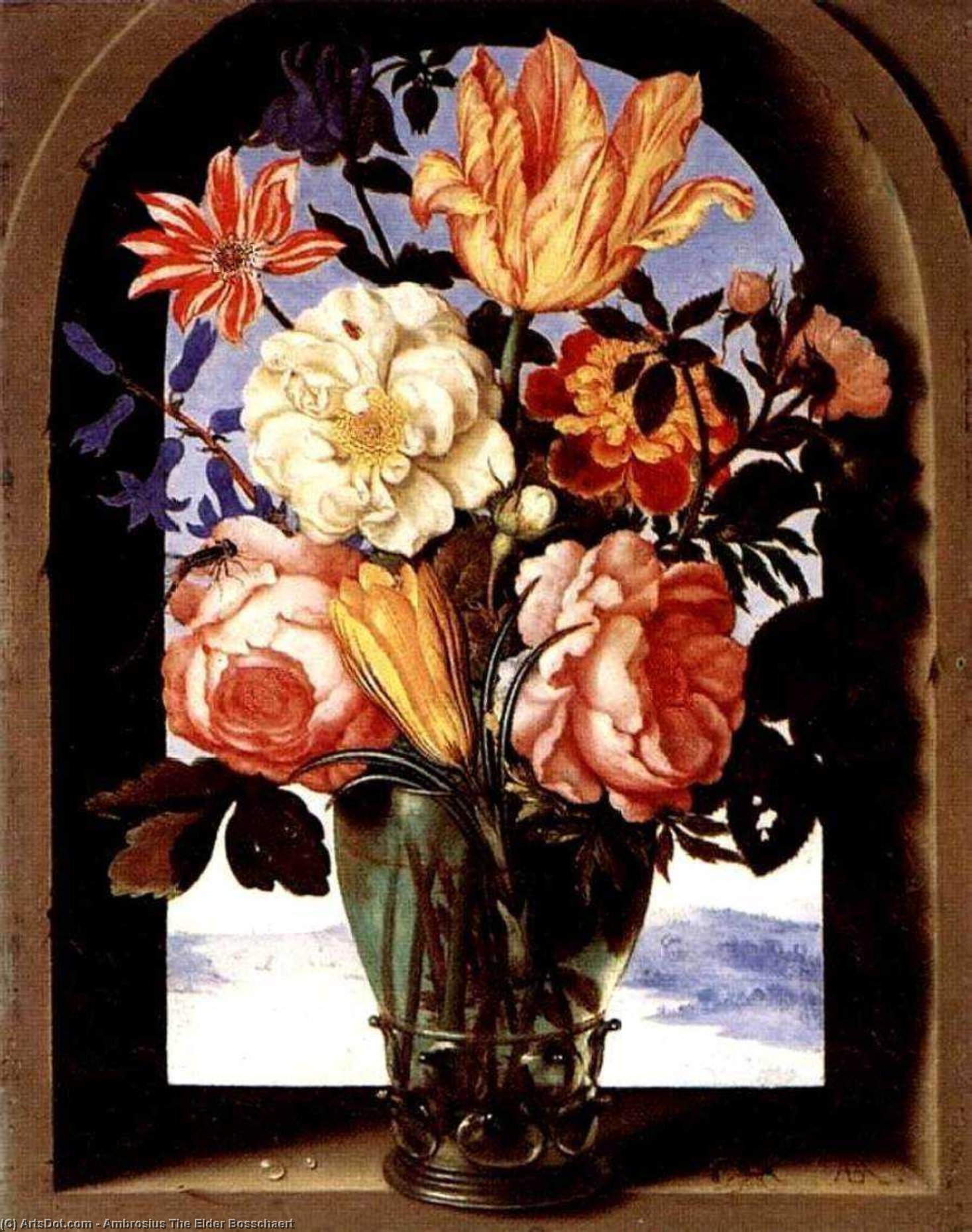
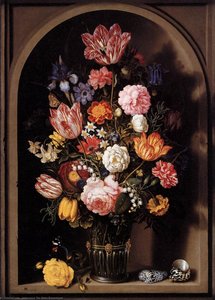
Bouquet of Flowers
 Baroque Still Life
 1620
1620 23.0 x 17.0 cm
 ルーブル美術館
 詳細を見る
詳細を見る
オンラインプレビューをはるかに凌ぐ、高解像度で鮮明なデジタル画像をご購入いただけます。
各ファイルは、社内の専門家が高度なツールと熟練した手作業によるレタッチを用いて、細心の注意を払って準備されています。すべての画像において、卓越した鮮明度、正確な色彩再現性、そして繊細なディテールを保証いたします。
最終ファイルは、プロフェッショナルな編集・印刷環境ですぐにご利用いただけるよう最適化された状態で、72時間以内にメールにてお届けいたします。これは、一流のデザインスタジオ、出版社、ギャラリーから信頼されているものと同等の品質です。
デジタル画像のご注文に付随する特典
高品質なデジタル画像配信を、確かな品質で。
ArtsDot.com を選ぶことは、単に画像を手に入れることではありません。それは、プロの手によって精密に仕上げられ、満足保証が付いた高品質なデジタルアートワークを受け取ることを意味します。ご注文いただいた際に自動的に付随する内容は、以下の通りです:

メールですぐにお届け
ご注文から72時間以内に、高解像度のデジタル画像ファイルがメールでお手元に届きます。すぐにそのままご利用いただけます。

AI技術で最適化されたデジタルファイル
お客様の作品は、高度なAIツールと専門家による手作業の編集を組み合わせてプロフェッショナルに最適化されており、細部のディテール、鮮明さ、そして正確な色再現性を最大限に引き出しています。

一生涯無料の再送サービス
ファイルを誤って削除したり、紛失してしまったりしましたか?ご安心ください。いつでも無料で再送いたします。

輸入手数料は一切かかりません
関税や手数料、配送料を気にすることなく、お気に入りのアートワークをすぐにお楽しみいただけます。デジタルダウンロードは常に免税です。

色彩再現の保証
プロ仕様のツールとカラーマネジメント技術を用いることで、デジタル画像が元の色を最大限に忠実に再現することを保証いたします。

60日間満足保証
ご購入いただいたデジタル画像にご満足いただけない場合は、60日以内であれば、修正または100%の返金(理由を問う必要はありません)をさせていただきます。

100% 返金保証
ご満足いただけない場合は、デジタルファイルを受け取ってから60日以内であれば、理由を問わず全額返金いたします。

まとめ買い割引
3枚購入で10%OFF - 5枚購入で15%OFF - 10枚以上購入で20%OFF。クリエイティブなプロジェクト、ギャラリー、エージェンシーに最適です。
作品の詳細
A Symphony of Color and Form: Ambrosius Bosschaert’s “Bouquet of Flowers”
Ambrosius Bosschaert the Elder's "Bouquet of Flowers," painted around 1620, is more than just a still life; it’s a meticulously crafted meditation on beauty, abundance, and the fleeting nature of time. This exquisite work, measuring a modest 23 x 17 cm, transports the viewer to a world saturated with color and detail – a testament to Bosschaert's pioneering role in establishing the Dutch floral still life as a distinct and highly valued genre. The painting captures a vibrant bouquet arranged within a simple, green vase, its composition radiating an almost palpable sense of freshness and delight.
Bosschaert’s mastery lies not merely in his technical skill but in his profound understanding of the subject matter. He wasn't simply depicting flowers; he was exploring their inherent qualities – their textures, their hues, and their delicate forms. The arrangement is remarkably balanced, a carefully orchestrated dance of shapes and colors that draws the eye through each individual bloom. Notice how the artist has rendered each petal with astonishing precision, capturing the subtle variations in tone and texture that distinguish one flower from another. The inclusion of thirteen distinct species – tulips, roses, hyacinths, fritillaries, and more – speaks to Bosschaert’s deep knowledge of botany and his desire to showcase the diversity of nature's bounty.
The Golden Age of Dutch Art and Floral Symbolism
To fully appreciate “Bouquet of Flowers,” it’s essential to understand its historical context. The painting emerged during the height of the Dutch Golden Age, a period of unprecedented prosperity, artistic innovation, and cultural flourishing. During this era, the Netherlands became a major center for trade, particularly in tulips – flowers that had arrived from Turkey and quickly captivated the nation's imagination. Their rarity and exquisite beauty fueled an intense market speculation, transforming them into symbols of wealth and status.
Floral still lifes were immensely popular during this time, not just as decorative objects but also as expressions of social standing and philosophical ideas. They often contained symbolic meanings – roses representing love and beauty, lilies symbolizing purity, and tulips embodying prosperity (and, ironically, the dangers of unchecked speculation). Bosschaert’s bouquet subtly hints at these associations, inviting contemplation on themes of life, death, and the ephemeral nature of earthly pleasures.
A Pioneer in Technique: Copper and Oil
Bosschaert's choice of medium – oil paint applied to copper – was crucial to achieving the painting’s remarkable luminosity and detail. Copper offered a smooth, reflective surface that allowed for layering and glazing techniques, creating subtle gradations of color and depth. The use of thin glazes, built up over time, gives the flowers an almost three-dimensional quality, as if they are poised to bloom before our very eyes.
Furthermore, Bosschaert’s meticulous attention to detail is evident in his rendering of light and shadow. He skillfully captures the way sunlight illuminates each flower, creating highlights that accentuate their form and texture. The inclusion of a window in the background adds another layer of complexity, suggesting a connection between the interior world of the bouquet and the natural world outside.
An Echo of Beauty: Emotional Resonance
Beyond its technical brilliance, “Bouquet of Flowers” possesses a profound emotional resonance. It evokes a sense of tranquility, joy, and appreciation for the beauty of the natural world. The vibrant colors and intricate details create a feast for the eyes, while the carefully balanced composition invites contemplation and reflection. The painting’s enduring appeal lies in its ability to transport us to a moment of serene beauty – a reminder that even in the midst of a bustling world, there is always time to pause and appreciate the simple pleasures of life.
Reproductions of this masterpiece offer an exceptional opportunity to bring this exquisite work into your home or office. The rich colors and intricate details are faithfully reproduced, capturing the essence of Bosschaert’s original vision. Whether as a statement piece in a formal living room or a charming addition to a study, “Bouquet of Flowers” is sure to be a treasured possession for years to come.
関連作品
作家の略歴
Ambrosius Bosschaert the Elder: Pioneer of Dutch Floral Still Life
Born in Antwerp in 1573, Ambrosius Bosschaert the Elder emerged as a pivotal figure in the burgeoning world of Dutch art during the Golden Age. Initially trained within the established artistic circles of his birthplace, he soon found himself drawn to a distinctive and revolutionary genre: the meticulously rendered floral still life. His journey wasn’t merely one of stylistic innovation; it was intertwined with personal circumstance – a relocation driven by religious persecution that ultimately shaped his career and legacy in Middelburg, where he would become a dominant force for decades.
Early life in Antwerp laid the foundation for Bosschaert's artistic sensibilities. He joined the city’s Guild of Saint Luke at the young age of twenty-one, demonstrating an early commitment to his craft and establishing himself within the established art community. However, it was the threat of religious upheaval that propelled him eastward, leading to a period of residence in Middelburg from 1587 until 1613. This move proved transformative, providing him with both refuge and fertile ground for developing his unique style. It’s during this time that he began to specialize in painting intricate bouquets – a genre previously less explored as an independent subject matter.
The Rise of the Floral Still Life
Bosschaert is widely recognized as one of the earliest artists to elevate the floral still life into a distinct and respected artistic category. Prior to his work, flower paintings were often integrated within broader compositions or served primarily as decorative elements. Bosschaert, however, treated flowers with an unprecedented level of detail, scientific accuracy, and compositional symmetry. His bouquets, frequently executed on copper panels, weren’t merely arrangements; they were carefully constructed narratives, imbued with symbolic meaning and a profound appreciation for the natural world.
His technique was remarkably precise. He meticulously depicted each petal, leaf, and stem, often incorporating elements of botanical illustration – a testament to his keen observation skills. The bouquets he created weren’t haphazard collections; they were carefully balanced arrangements, reflecting an understanding of both artistic principles and the inherent beauty of the flowers themselves. Tulips and roses became staples in his work, mirroring their growing popularity and symbolic significance within Dutch society at the time – a reflection of the nation's burgeoning trade with the East.
Style and Symbolism
Bosschaert’s style was characterized by its meticulous detail, symmetrical composition, and scientific approach. He wasn’t simply painting flowers; he was documenting them, studying their forms, and capturing their essence with remarkable fidelity. His works often included symbolic elements – a deliberate choice that elevated the still life beyond mere representation. Flowers were frequently associated with religious themes, conveying messages of faith, hope, and remembrance. The arrangement itself held significance, mirroring the principles of harmony and balance found in classical art.
Despite his considerable skill and popularity, Bosschaert never achieved the same level of widespread fame as artists like Jan Brueghel the Elder, who was equally influential in the floral genre. However, his impact on the development of Dutch flower painting is undeniable. He established a tradition that would be continued by his sons and numerous pupils, solidifying Middelburg’s position as the leading center for this specialized art form within the Dutch Republic.
Legacy and Influence
Ambrosius Bosschaert's legacy extends far beyond his individual works. He fundamentally shifted the perception of still life painting, transforming it from a secondary genre into a respected artistic pursuit. His meticulous approach to floral representation influenced generations of artists, including Jan Fyt (Joannes Fijt) and Rachel Ruysch, who both specialized in still life painting and built upon his foundations.
His works are now housed in prestigious collections such as the St. Joriskerk Museum in Amersfoor, a testament to their enduring artistic value. The meticulous detail and scientific observation evident in Bosschaert’s paintings continue to captivate viewers today, offering a glimpse into the vibrant world of 17th-century Dutch art and the profound appreciation for nature that characterized the era.
ambrosius the elder bosschaert
1573 - 1621
プロフィール概要
- Artistic Movement Or Style: Dutch Golden Age, Floral Still Life
- Artists Or Movements Influenced By This Artist:
- Jan Fyt
- Rachel Ruysch
- Artists Who Influenced This Artist: ['Jan Brueghel the Elder']
- Date Of Birth: 1573-01-18
- Date Of Death: 1621-01-16
- Full Name: Ambrosius Bosschaert the Elder
- Nationality: Flemish, Dutch
- Notable Artworks:
- Bouquet in an Arched Window
- Bouquet of Flowers in a Vase
- Place Of Birth: Antwerp, Belgium

