

 プレビュー
プレビュー
 シェアする
シェアする シェアする
シェアする
 詳細を見る
詳細を見る

 ダウンロード
 似ている作品
 X線調査
X線調査 スライドショー
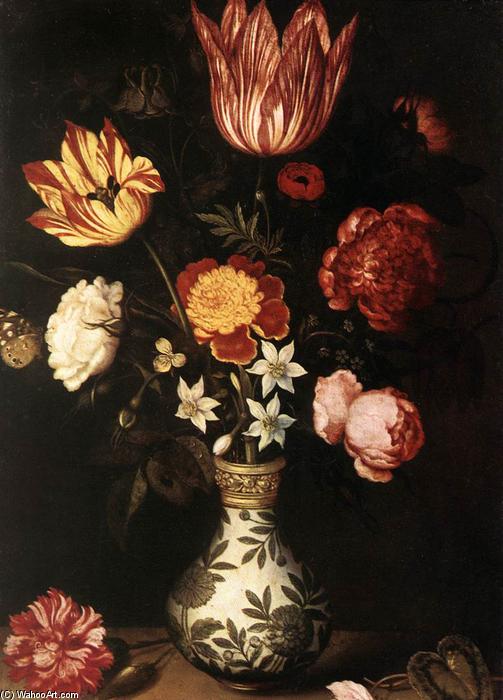
Still-Life with Flowers in a Wan-Li vase
 Oil On Copper
- Dutch Golden Age
 1619
1619 31.0 x 23.0 cm
 国立美術館 (Rijksmuseum)
 詳細を見る
詳細を見る
ジークレー/アートプリント
迅速な制作と多彩な仕上げオプションを備えた、ミュージアムクオリティのジークレーまたはキャンバスプリント。 ( 手描きの絵画を購入 画像を購入)




P118B $10

P118H $10

P118W $10

P438Z $10

P508JH $12

P508YH $12

P805H $10

P805Z $10

P919BZ $10

P919G $10

P919XJ $10

P959ZH $10

P968JZ $12

W106C $8

W218G $10

W218JH $8

W218Y $10

W307PJ $10

W316G $10

W316PJ $8

W316Y $10

W398PJ $8

W4111J $10

W500HY $15

W500JH $15

W692G $12

W849H $8

W940BG $15

W953PJ $8




作品のオリジナル比率に合わせた、当店の規定サイズからお選びください。

特定のフレームやスペースに合わせて、ご自身でサイズを指定することも可能です。選択されたサイズが元の画像の比率と一致しない場合、作品をトリミングするか、鏡面反射または単色での塗りつぶしによって画像を拡張いたします。制作を開始する前に、ご確認用のデジタルモックアップをお送りいたします。
画面上のプレビューには、実際のトリミングや拡張は反映されませんのでご注意ください。最終的な構図を正確に確認できるのは、モックアップのみとなります。
カスタムサイズも承っておりますが、元の比率を維持するためには、あらかじめ用意されたリストからサイズを選択することをお勧めいたします。


 ガラスオプションは、110cm未満のサイズでのみご利用いただけます。

Still-Life with Flowers in a Wan-Li vase
ジークレー/アートプリント
複製画のサイズ
-


合計金額
$ 62
作品詳細説明
A Symphony in Crimson and Gold: Ambrosius Bosschaert’s “Still-Life with Flowers in a Wan-Li Vase”
Ambrosius Bosschaert the Elder's "Still-Life with Flowers in a Wan-Li Vase," painted in 1609-10, is more than just a depiction of floral beauty; it’s a meticulously crafted window into the burgeoning world of Dutch art and the evolving fascination with nature. This exquisite piece, now housed at The National Gallery in London, exemplifies the pinnacle of the “flower painting” genre that emerged during the Golden Age of the Netherlands – a period defined by an unprecedented appreciation for detail, scientific observation, and the luxurious display of wealth through carefully arranged compositions.
The scene unfolds within a dark, almost theatrical setting, drawing immediate attention to the vibrant bouquet dominating the foreground. Roses in shades of deep crimson—a color associated with passion, beauty, and even mortality – are intertwined with delicate daisies, carnations, and other blooms, all nestled within a Wan-Li vase, a prized porcelain form imported from China during this era. The vase itself, with its subtle gold trim, hints at the considerable expense involved in acquiring such exotic objects, reflecting the status of the patron who commissioned the work. Bosschaert’s masterful use of light and shadow creates a sense of depth and realism, as if one could almost smell the fragrance of the flowers themselves.
The Dawn of a New Artistic Genre
Prior to Bosschaert's pioneering efforts, still life paintings were often relegated to simple depictions of fruit or vegetables. However, he elevated this genre by focusing exclusively on floral arrangements – a deliberate choice that marked a significant shift in artistic priorities. He wasn’t merely illustrating flowers; he was creating miniature worlds, capturing their fleeting beauty and intricate details with astonishing precision. This focus on the ephemeral nature of flowers resonated deeply with contemporary sensibilities, reflecting a broader cultural interest in the transient pleasures of life.
Bosschaert's approach was profoundly influenced by scientific advancements during this period. The Dutch were at the forefront of botanical exploration and classification, driven by a desire to understand and document the natural world. Bosschaert’s meticulous rendering of each petal, leaf, and stem demonstrates an almost obsessive attention to detail – a characteristic that aligns with the growing emphasis on observation and empirical knowledge in 17th-century Europe. He wasn't simply painting what he saw; he was meticulously reconstructing it, striving for an unparalleled level of accuracy.
Technique and Symbolism
Bosschaert’s technique is characterized by a remarkable mastery of oil paint, utilizing layering and glazing to achieve astonishing depth and luminosity. The subtle variations in color—the velvety texture of the roses, the delicate translucence of the petals—are achieved through countless thin layers of paint applied over time. The composition itself is carefully balanced, employing principles of symmetry and perspective to create a harmonious and visually engaging arrangement. Note the slightly tilted table, a technique that forces the viewer to engage with the scene from an active, almost voyeuristic position.
Beyond their aesthetic appeal, the flowers themselves carry symbolic weight. Red roses often represent love and passion, while daisies symbolize innocence and purity. The inclusion of various blooms suggests a complex interplay of emotions and ideas – perhaps reflecting the multifaceted nature of human experience. The presence of the Wan-Li vase, an emblem of wealth and foreign luxury, further underscores the themes of status, beauty, and the pursuit of pleasure.
A Legacy of Floral Elegance
Ambrosius Bosschaert’s “Still-Life with Flowers in a Wan-Li Vase” stands as a pivotal work in the history of art. It not only established the flower painting genre but also set a new standard for artistic detail and realism. His influence can be seen in the subsequent works of his sons, Johannes and Abraham Bosschaert, who continued to build upon his legacy. Today, this captivating masterpiece continues to inspire artists and collectors alike, offering a timeless testament to the enduring beauty of nature and the artistry of the Dutch Golden Age.
関連作品
アーティストの略歴
Ambrosius Bosschaert the Elder: Pioneer of Dutch Floral Still Life
Born in Antwerp in 1573, Ambrosius Bosschaert the Elder emerged as a pivotal figure in the burgeoning world of Dutch art during the Golden Age. Initially trained within the established artistic circles of his birthplace, he soon found himself drawn to a distinctive and revolutionary genre: the meticulously rendered floral still life. His journey wasn’t merely one of stylistic innovation; it was intertwined with personal circumstance – a relocation driven by religious persecution that ultimately shaped his career and legacy in Middelburg, where he would become a dominant force for decades.
Early life in Antwerp laid the foundation for Bosschaert's artistic sensibilities. He joined the city’s Guild of Saint Luke at the young age of twenty-one, demonstrating an early commitment to his craft and establishing himself within the established art community. However, it was the threat of religious upheaval that propelled him eastward, leading to a period of residence in Middelburg from 1587 until 1613. This move proved transformative, providing him with both refuge and fertile ground for developing his unique style. It’s during this time that he began to specialize in painting intricate bouquets – a genre previously less explored as an independent subject matter.
The Rise of the Floral Still Life
Bosschaert is widely recognized as one of the earliest artists to elevate the floral still life into a distinct and respected artistic category. Prior to his work, flower paintings were often integrated within broader compositions or served primarily as decorative elements. Bosschaert, however, treated flowers with an unprecedented level of detail, scientific accuracy, and compositional symmetry. His bouquets, frequently executed on copper panels, weren’t merely arrangements; they were carefully constructed narratives, imbued with symbolic meaning and a profound appreciation for the natural world.
His technique was remarkably precise. He meticulously depicted each petal, leaf, and stem, often incorporating elements of botanical illustration – a testament to his keen observation skills. The bouquets he created weren’t haphazard collections; they were carefully balanced arrangements, reflecting an understanding of both artistic principles and the inherent beauty of the flowers themselves. Tulips and roses became staples in his work, mirroring their growing popularity and symbolic significance within Dutch society at the time – a reflection of the nation's burgeoning trade with the East.
Style and Symbolism
Bosschaert’s style was characterized by its meticulous detail, symmetrical composition, and scientific approach. He wasn’t simply painting flowers; he was documenting them, studying their forms, and capturing their essence with remarkable fidelity. His works often included symbolic elements – a deliberate choice that elevated the still life beyond mere representation. Flowers were frequently associated with religious themes, conveying messages of faith, hope, and remembrance. The arrangement itself held significance, mirroring the principles of harmony and balance found in classical art.
Despite his considerable skill and popularity, Bosschaert never achieved the same level of widespread fame as artists like Jan Brueghel the Elder, who was equally influential in the floral genre. However, his impact on the development of Dutch flower painting is undeniable. He established a tradition that would be continued by his sons and numerous pupils, solidifying Middelburg’s position as the leading center for this specialized art form within the Dutch Republic.
Legacy and Influence
Ambrosius Bosschaert's legacy extends far beyond his individual works. He fundamentally shifted the perception of still life painting, transforming it from a secondary genre into a respected artistic pursuit. His meticulous approach to floral representation influenced generations of artists, including Jan Fyt (Joannes Fijt) and Rachel Ruysch, who both specialized in still life painting and built upon his foundations.
His works are now housed in prestigious collections such as the St. Joriskerk Museum in Amersfoor, a testament to their enduring artistic value. The meticulous detail and scientific observation evident in Bosschaert’s paintings continue to captivate viewers today, offering a glimpse into the vibrant world of 17th-century Dutch art and the profound appreciation for nature that characterized the era.
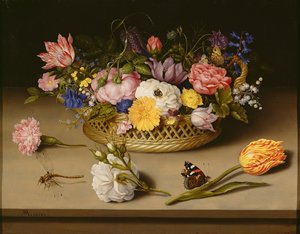
ambrosius the elder bosschaert
1573 - 1621
基本情報
- Artistic Movement Or Style: Dutch Golden Age, Floral Still Life
- Artists Or Movements Influenced By This Artist:
- Jan Fyt
- Rachel Ruysch
- Artists Who Influenced This Artist: ['Jan Brueghel the Elder']
- Date Of Birth: 1573-01-18
- Date Of Death: 1621-01-16
- Full Name: Ambrosius Bosschaert the Elder
- Nationality: Flemish, Dutch
- Notable Artworks:
- Bouquet in an Arched Window
- Bouquet of Flowers in a Vase
- Place Of Birth: Antwerp, Belgium
関連記事
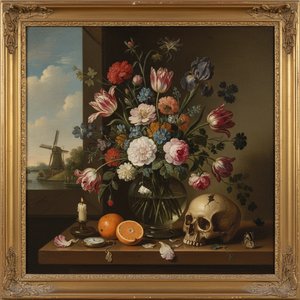
Jan Jansz Wijnants: A Study in Dutch Golden Age Still Life & Floral Transience
Explore the captivating world of Jan Wijnants and Dutch Golden Age still life painting. Discover symbolism, masterful techniques & lasting influence on floral art history. Learn more!
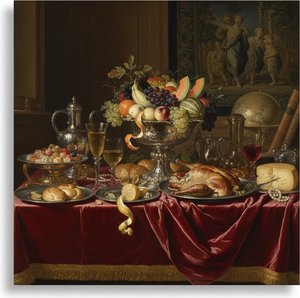
Abraham Hendricksz van Beyeren: Pioneering Dutch Still Life & the Banquet Tradition
Explore the captivating world of Dutch Golden Age still life with Abraham van Beyeren. Discover his innovative techniques, symbolic banquet scenes & lasting influence on art history. Learn about collecting these masterpieces.
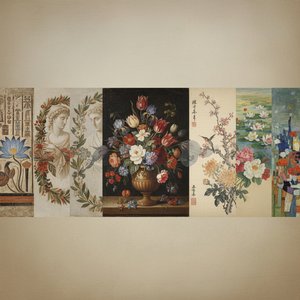
Blossoms of Time: A Historical & Aesthetic Exploration of Floral Painting Across Cultures
Explore the rich history of floral painting! Discover symbolism, techniques & masterpieces from Van Huysum to O'Keeffe. Expert insights for art lovers & collectors at ArtsDot.
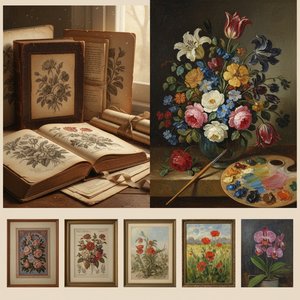
Blossoms of Time: A Historical Journey Through Flower Painting
Explore the captivating history of flower painting! Discover Dutch masters, symbolic meanings, & botanical art. Expert insights & high-quality reproductions at ArtsDot.
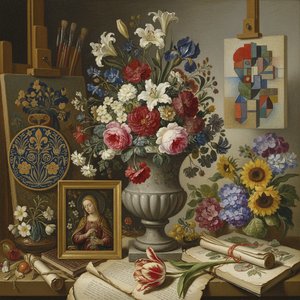
Blossoming Symbolism: A Historical Journey Through Flowers in Western Painting
Explore the rich history of flower symbolism in Western painting! Discover how artists from the Renaissance to Modernism used blossoms to convey meaning, emotion & beauty. Learn about iconic artworks and movements.

