 プレビュー
プレビュー
 プリントを購入
 シェアする
シェアする シェアする
シェアする
 詳細を見る
詳細を見る

 ダウンロード
 似ている作品
 X線調査
X線調査 スライドショー
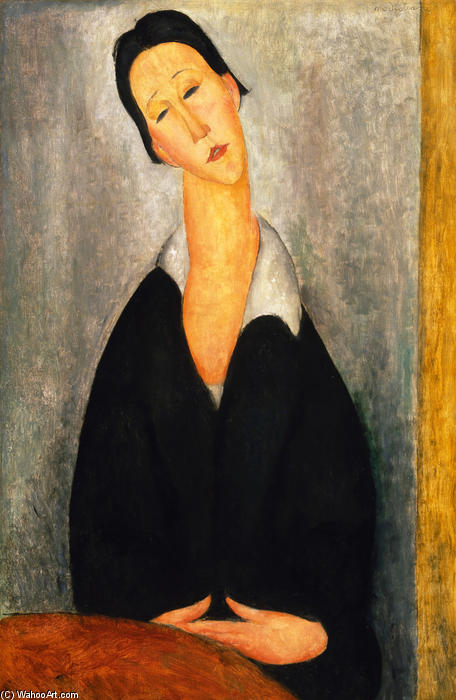
Portrait of a Polish Woman

 詳細を見る
詳細を見る




P118B $10

P118H $10

P118W $10

P438Z $10

P508JH $12

P508YH $12

P805H $10

P805Z $10

P919BZ $10

P919G $10

P919XJ $10

P959ZH $10

P968JZ $12

W106C $8

W218G $10

W218JH $8

W218Y $10

W307PJ $10

W316G $10

W316PJ $8

W316Y $10

W398PJ $8

W4111J $10

W500HY $15

W500JH $15

W692G $12

W849H $8

W940BG $15

W953PJ $8




作品のオリジナル比率に合わせた、当店の規定サイズからお選びください。

特定のフレームやスペースに合わせて、ご希望のサイズをご入力いただけます。選択されたサイズが元の画像の比率と異なる場合、アートワークをトリミングするか、手描きで要素を追加して絵画を拡張いたします。デジタルモックアップ を制作し、制作開始前にご確認(承認)をいただきます。
画面上のプレビューは、実際のトリミングや拡張を正確に反映しているものではありません。最終的な構図は、モックアップによってのみ正確にご確認いただけます。
カスタムサイズもご利用いただけますが、元の比率を維持するためには、あらかじめ用意されたリストからサイズを選択することをお勧めいたします。
ご注文後、ArtsDot.com チームより詳細な指示をお送りするとともに、仕上がりイメージ(モックアップ)をご提供いたします。


 ガラスオプションは、110cm未満のサイズでのみご利用いただけます。

Portrait of a Polish Woman
複製技法
複製画のサイズ
-


合計金額
$ 263
作品解説
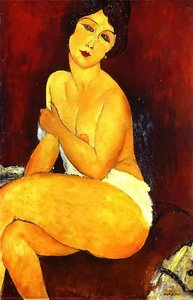
A Haunting Beauty: Unveiling Amedeo Modigliani’s “Portrait of a Polish Woman”
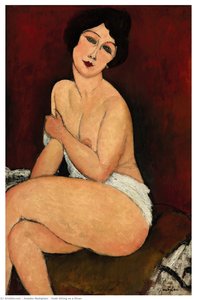
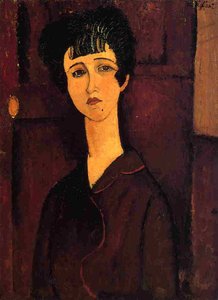
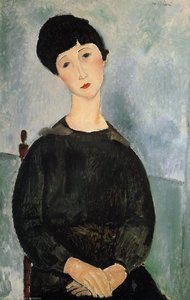
Amedeo Clemente Modigliani's "Portrait of a Polish Woman," a captivating study in elongated form and melancholic intensity, stands as a poignant testament to the artist’s unique vision. Painted circa 1917-18, during his most prolific Parisian period, this work transcends mere portraiture, offering a glimpse into the soul of its subject – a woman shrouded in mystery yet radiating an undeniable sense of quiet contemplation. The painting immediately draws the eye with its stark contrast: the dark, enveloping dress against the warm, ochre backdrop, punctuated by the sharp, almost unsettling geometry of Modigliani’s signature elongated features.
The style is undeniably Expressionist, a movement characterized by an intense focus on subjective emotion and distorted forms. However, Modigliani's approach diverges from the raw, visceral nature often associated with Expressionism. Here, the distortions are subtly controlled, creating a sense of elegant unease rather than outright anguish. The face, particularly the nose – a prominent feature that has led to much speculation about its symbolic significance – is elongated and refined, almost sculpted, while the eyes hold a distant, introspective gaze. This deliberate manipulation of proportion contributes significantly to the portrait’s haunting quality, suggesting an inner life far exceeding what is immediately visible.
The Woman Within: Symbolism and Context
While the sitter's identity remains unknown – hence the evocative “Polish Woman” – her appearance hints at a certain aristocratic bearing. The rich fabric of her dress, combined with the subtle jewelry (though not explicitly depicted), suggests a woman of means and status. However, it’s the expression itself that truly captivates. She isn't smiling; there is no overt joy or warmth in her gaze. Instead, she appears lost in thought, perhaps grappling with personal sorrows or simply observing the world with quiet detachment. This ambiguity invites viewers to project their own emotions and interpretations onto the portrait.
Considering Modigliani’s life – marked by illness, poverty, and unrequited love – it's not surprising that his portraits often carry a profound sense of melancholy. His work frequently explores themes of loneliness, longing, and the ephemeral nature of beauty. The “Portrait of a Polish Woman” can be viewed as an embodiment of these recurring motifs, reflecting Modigliani’s own struggles with isolation and his deep-seated awareness of mortality.
Technique and Artistic Influence
Modigliani's technique is characterized by loose, expressive brushstrokes and a deliberate avoidance of meticulous detail. He favored a palette of muted earth tones – ochres, browns, and grays – which contribute to the painting’s somber mood. The use of thin washes of paint allows the canvas to peek through, creating a sense of transparency and vulnerability. Notably, Modigliani was deeply influenced by African sculpture, particularly the stylized features and elongated forms found in tribal art. This influence is evident in the portrait's simplified shapes and the emphasis on the face as the primary focal point.
Furthermore, his work reflects a growing interest in Cubism, though he never fully embraced its rigid geometric principles. He retained a degree of fluidity and organic quality, blending elements of both styles to create a distinctly personal aesthetic. The portrait’s composition—a single figure dominating the space—is reminiscent of early Cubist explorations of form and perspective.
A Timeless Masterpiece: Reproduction and Beyond
"Portrait of a Polish Woman" is more than just a painting; it's an experience. Its haunting beauty and profound emotional depth continue to resonate with viewers over a century after its creation. ArtsDot offers meticulously crafted, hand-painted reproductions that faithfully capture the essence of this iconic work. Each reproduction is created by skilled artists using traditional techniques, ensuring exceptional detail and color accuracy. Whether you’re an art enthusiast, a collector seeking a unique addition to your collection, or simply someone drawn to Modigliani's evocative style, a ArtsDot reproduction of “Portrait of a Polish Woman” provides a stunning way to bring this timeless masterpiece into your home or office.
Explore our selection and discover the perfect reproduction to suit your taste and space. View this artwork here
関連作品
アーティストの略歴
モディリアーニ:憂いを帯びた美の探求者
アメデオ・モディリアーニ。その名は、憂いを帯びた美しさと、魂を揺さぶるような静謐さを想起させる。1884年、イタリアのリヴォルノに生まれ、わずか35年の短い生涯で、20世紀美術史に消えることのない足跡を残した画家であり彫刻家である。彼の作品は、単なる肖像画や裸婦像ではなく、人間の内面を深く掘り下げ、普遍的な感情と精神性を表現しようとした試みの結晶と言えるだろう。
モディリアーニの幼少期は、裕福な家庭で始まったものの、父親の事業の失敗により貧困に転落する。病との闘いも長く、結核や肺炎を患い、その体には常に影が付きまとった。しかし、そのような境遇の中でこそ、彼は内面世界を深く探求し、芸術への情熱を燃やしていった。リヴォルノの美術学校で基礎を学んだ後、1906年、新たな創造の地を求めパリへと旅立つ。そこで出会ったのは、ピカソやブランキュシーといった時代の最先端を走る芸術家たちとの交流であり、彼らの影響を受けつつも、独自の表現を模索していくことになる。
キュビスムからの脱却と、個性の確立
当初、モディリアーニはキュビスムの影響を受けていたが、その幾何学的な硬直性には馴染めず、自身の内なる感情を自由に表現できるスタイルを求めていた。彼は、アフリカ彫刻の持つ原始的な力強さや、ルネサンス期のイタリア美術における古典美に魅了され、それらを融合させることで、独自の芸術様式を確立していく。彼の肖像画は、その典型である。長く細い首、大きく丸みを帯びた顔、そして瞳のない眼窩…それは、現実の人物を単純化し、内面的な精神性を強調した表現と言えるだろう。モデルの個性や感情を捉えながらも、普遍的な美しさを追求するモディリアーニの手腕は、見る者の心を深く揺さぶる。
また、モディリアーニの裸婦像は、単なる肉体の描写にとどまらず、人間の存在そのものを象徴している。静かで瞑想的な表情、優雅なポーズ…それは、生と死、喜びと悲しみといった、人間の根源的な感情を表現しようとした試みである。彼の作品には、常に憂いが漂っているが、それは決して絶望ではなく、むしろ人生の儚さや美しさを深く理解した上で見出すことのできる、静謐な肯定感と言えるだろう。
彫刻への挑戦と、時代の評価
モディリアーニは画家であるだけでなく、彫刻家としても才能を発揮した。彼の彫刻作品は、アフリカ美術やブランキュシーの影響を受け、簡潔で抽象的なフォルムが特徴的である。しかし、その初期の彫刻作品は、当時の美術界からは必ずしも高く評価されず、批判も少なくなかった。それでも彼は、自身の芸術信条を曲げることなく、絵画と彫刻の両分野で独自の表現を追求し続けた。
生前、モディリアーニは経済的な苦難に直面し、その才能が十分に認められることはなかった。しかし、彼の死後、作品の価値が見直され、今日では世界中の美術館に収蔵されるほどの名声を得ている。彼の作品は、時代を超えて多くの人々に感動を与え続けており、20世紀美術における重要な遺産として、高く評価されている。
モディリアーニが残した芸術的遺産
モディリアーニの作品は、その独特なスタイルと表現力によって、後世の多くの芸術家に影響を与えた。彼の肖像画に見られる、長く細い首や瞳のない眼窩といった特徴的な要素は、様々なアーティストに模倣され、独自の表現へと昇華されていった。また、彼の彫刻作品は、抽象彫刻の発展に貢献し、現代美術における重要な先駆けとなった。
モディリアーニの芸術的遺産は、単なる絵画や彫刻作品にとどまらず、人間の内面を深く探求する姿勢、そして普遍的な美を追求する精神という点においても、私たちに多くの示唆を与えてくれる。彼の作品を通して、私たちは人生の儚さや美しさを再認識し、自身の内面世界と向き合うことができるだろう。
主要な作品
- ヌード・ブスト
- 横たわる裸婦
- 座る裸婦像
- ジャンヌ・エビュテルヌの肖像
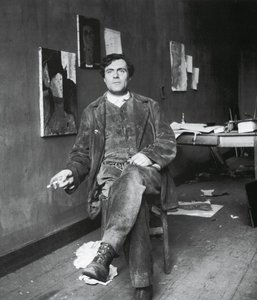
モディリアーニ
1884 - 1920 , イタリア
基本情報
- フルネーム: アメデオ・モディリアーニ
- 主な作品:
- ヌード・バスト
- 横たわる裸婦
- 座る女性像
- ジャンヌ・エビュテルヌの肖像
- 出生地: イタリア、リヴォルノ
- 国籍: イタリア系ユダヤ人
- 影響を与えた芸術家または運動:
- 表現主義
- モダニズム
- 影響を受けたアーティスト:
- パブロ・ピカソ
- コンスタンティン・ブランクシ
- 死亡年月日: 1920年1月24日
- 生年月日: 1884年7月12日
- 芸術運動またはスタイル: 表現主義
関連記事
モディリアーニ傑作25選:魂を揺さぶる肖像画とヌードの世界 | ArtsDot
モディリアーニの傑作25選。魂を揺さぶる肖像画、ヌード、パリ派絵画の世界へ。ArtsDotで高品質な美術品複製やインテリアアートをお楽しみください。アメデオ・モディリアーニの芸術をご堪能あれ。今すぐコレクションをご覧ください。
Cubist Expressionism's 10 Defining Masterpieces | Art for Your Home
Explore 10 defining Cubist Expressionism masterpieces by Picasso, Braque & more. Discover the stories behind these bold, geometric paintings and bring museum-quality art to your home with ArtsDot.com. Explore the full collection online.

Stanisław Wyspiański: Symbolism, National Identity & the Polish Secession
Explore the life & work of Stanisław Wyspiański, a pivotal figure in Polish Symbolism and the Young Poland movement. Discover his iconic paintings, dramas, and stained glass designs reflecting national identity & artistic innovation.
The Gilded Age Reimagined: Exploring the Aesthetic Principles & Enduring Legacy of Art Deco
Explore the captivating world of Art Deco! Discover its origins, defining features, cultural impact & enduring legacy. Expert insights for collectors and design enthusiasts. Shop handmade reproductions at ArtsDot.
Unlocking Emotion: A Beginner's Guide to the Raw Power of Symbolic Expressionism Art
Discover the raw emotion of Symbolic Expressionism. Our expert guide explores how masters like Munch use color and form to convey inner feelings, offering inspiration for collectors looking to bring powerful, soulful art into their modern homes.