 プレビュー
プレビュー
 プリントを購入
 シェアする
シェアする シェアする
シェアする
 詳細を見る
詳細を見る

 ダウンロード
 似ている作品
 X線調査
X線調査 スライドショー
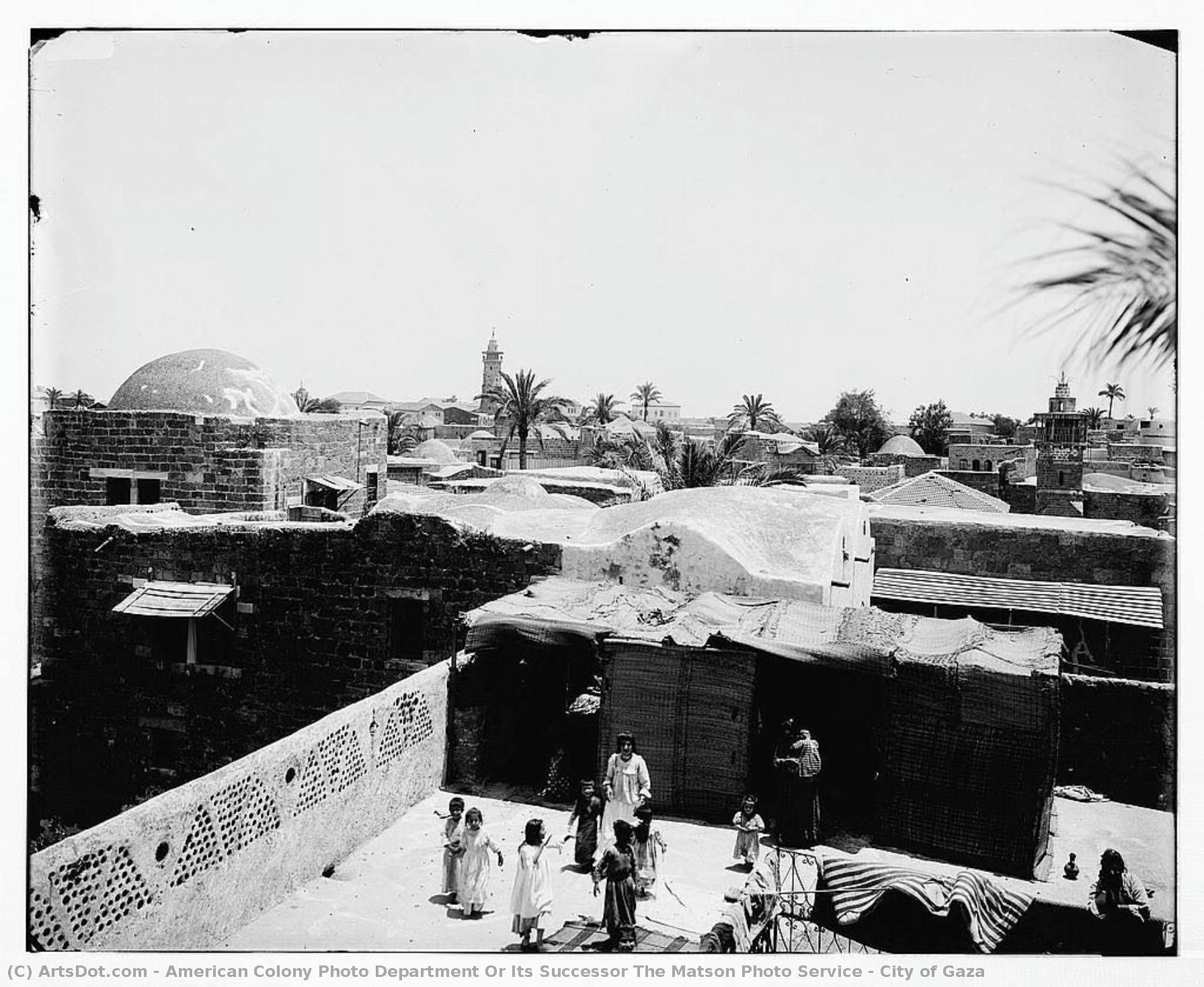
City of Gaza


 詳細を見る
詳細を見る




































作品のオリジナル比率に合わせた、当店の規定サイズからお選びください。

特定のフレームやスペースに合わせて、ご希望のサイズをご入力いただけます。選択されたサイズが元の画像の比率と異なる場合、アートワークをトリミングするか、手描きで要素を追加して絵画を拡張いたします。デジタルモックアップ を制作し、制作開始前にご確認(承認)をいただきます。
画面上のプレビューは、実際のトリミングや拡張を正確に反映しているものではありません。最終的な構図は、モックアップによってのみ正確にご確認いただけます。
カスタムサイズもご利用いただけますが、元の比率を維持するためには、あらかじめ用意されたリストからサイズを選択することをお勧めいたします。
ご注文後、ArtsDot.com チームより詳細な指示をお送りするとともに、仕上がりイメージ(モックアップ)をご提供いたします。


 ガラスオプションは、110cm未満のサイズでのみご利用いただけます。

City of Gaza
複製技法
複製画のサイズ
-


合計金額
$ 263
関連作品





アーティストの略歴
A Visual Legacy of the Levant
The history of the Middle East is etched into the silver gelatin and glass negatives of a photographic lineage that transcends mere documentation, becoming instead a profound artistic testament to a vanishing era. The American Colony Photo Department, and its illustrious successor, the Matson Photo Service, emerged not merely as a commercial enterprise but as a window into the soul of a region in transition. Born from the utopian spirit of the American Colony in Jerusalem—a community established by religious pilgrims from the United States and Sweden—this photographic endeavor was deeply intertwined with the philanthropic and cultural fabric of Palestine, Jordan, Lebanon, Syria, Iraq, Egypt, and Turkey.
To look upon these works is to witness a delicate dance between light and history. The photographers, most notably G. Eric Matson and his wife Edith, possessed an uncanny ability to capture the ephemeral beauty of landscapes and the dignified resilience of people. Their lens did not merely record faces and architecture; it captured the very atmosphere of the Levant at the turn of the century. Through their eyes, we see the bustling streets of Jerusalem, the quiet majesty of ancient ruins, and the intimate daily rituals of communities that would soon be forever altered by the tides of political upheaval and modern conflict.
The Artistry of the Matson Archive
The technical mastery displayed within the Matson Photo Service collection is nothing short of extraordinary. Spanning a vast period from the late nineteenth century through the mid-twentieth century, the archive contains over 23,000 negatives, transparencies, and prints that serve as a cornerstone of Middle Eastern visual history. The development of their work was characterized by a meticulous attention to detail, utilizing various formats including glass plate negatives that allowed for an incredible depth of clarity and tonal range.
The influence of the American Colony’s unique philosophy—one of coexistence and charitable service—is palpable in the composition of their images. There is a profound respect for the subject matter, an absence of the colonial gaze that often plagued contemporary photography. Instead, the work feels deeply embedded in the local landscape. The artistry lies in the following elements:
- Compositional Harmony: A seamless integration of human figures within their natural and architectural environments.
- Luminous Detail: An exquisite use of light that brings texture to stone, fabric, and skin.
- Historical Continuity: The ability to document the evolution of cities like Gaza and Jerusalem through a consistent, empathetic perspective.
A Monumental Historical Significance
The enduring importance of this photographic body of work cannot be overstated. As much as it is an artistic achievement, it serves as an irreplaceable primary source for historians, archaeologists, and anthropologists. The collection, much of which was gifted to the Library of Congress, provides a visual bridge to a period of immense cultural complexity. It captures the nuances of life in Palestine (encompassing present-day Israel, the West Bank, and the Gaza Strip) during the years leading up to and following the transformative shifts of the early 20th century.
The legacy of the American Colony Photo Department lives on through the preservation of these moments. Each photograph is a fragment of a larger mosaic, offering a way to revisit the textures of history with stunning accuracy. In an age of fleeting digital imagery, the work of the Matson archive stands as a permanent, tactile connection to the past, ensuring that the faces, places, and stories of the Levant remain vibrantly alive in our collective memory.