 プレビュー
プレビュー
 プリントを購入
 シェアする
シェアする シェアする
シェアする
 詳細を見る
詳細を見る

 ダウンロード
 似ている作品
 X線調査
X線調査 スライドショー
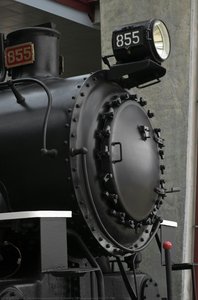
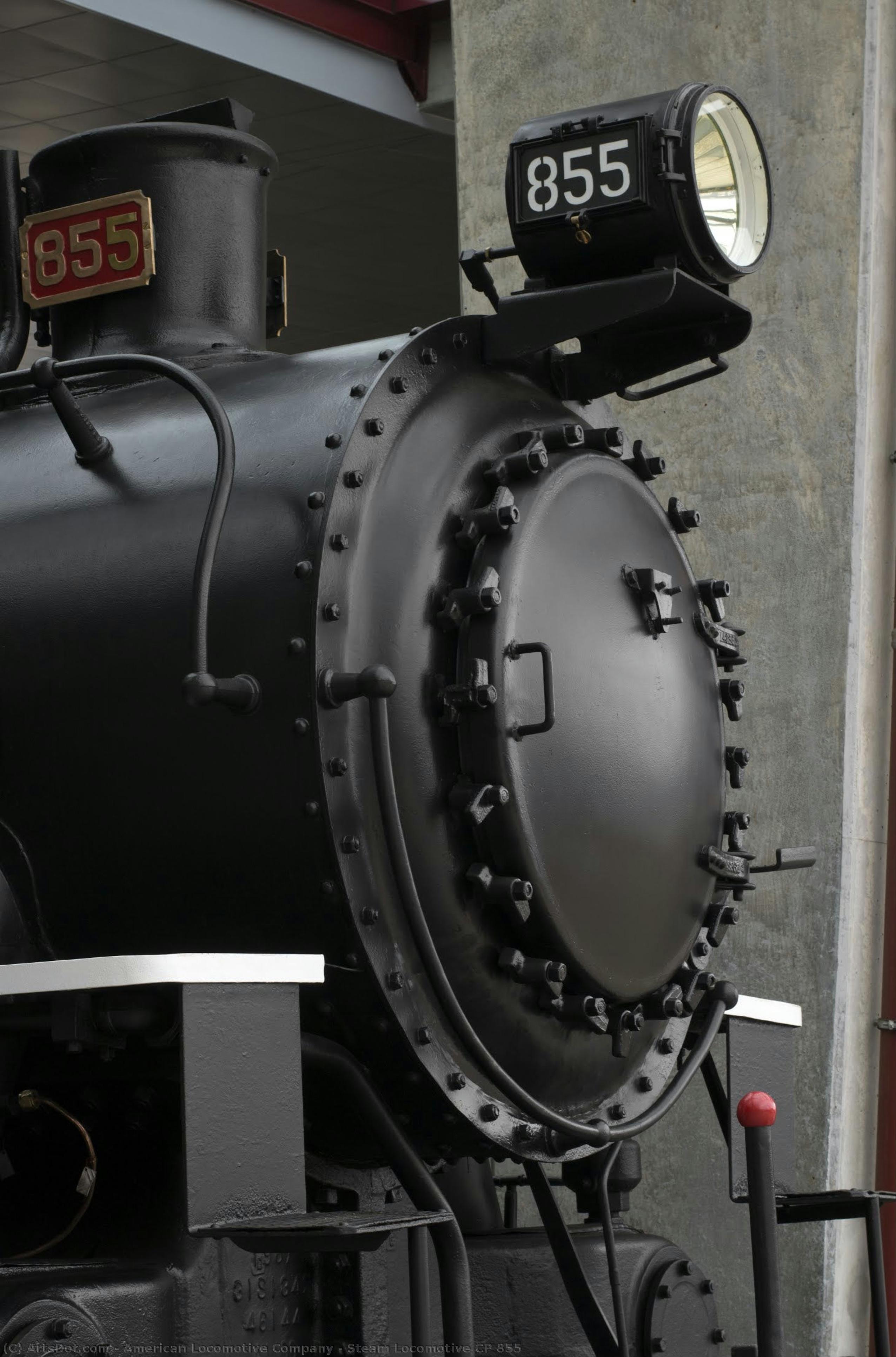
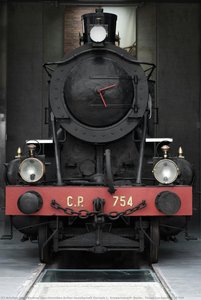
Steam Locomotive CP 855


 詳細を見る
詳細を見る




































標準サイズ
オーダーメイド
CM
INCH
作品のオリジナル比率に合わせた、当店の規定サイズからお選びください。
Loading sizes...

幅
高さ
特定のフレームやスペースに合わせて、ご希望のサイズをご入力いただけます。選択されたサイズが元の画像の比率と異なる場合、アートワークをトリミングするか、手描きで要素を追加して絵画を拡張いたします。デジタルモックアップ を制作し、制作開始前にご確認(承認)をいただきます。
画面上のプレビューは、実際のトリミングや拡張を正確に反映しているものではありません。最終的な構図は、モックアップによってのみ正確にご確認いただけます。
カスタムサイズもご利用いただけますが、元の比率を維持するためには、あらかじめ用意されたリストからサイズを選択することをお勧めいたします。
カスタマイズの例:顔をお客様の写真に置き換える、ペットを追加する(例:猫を犬に変更)、背景に隠れたメッセージを入れる、背景の風景や要素を変更するなど。
ご注文後、ArtsDot.com チームより詳細な指示をお送りするとともに、仕上がりイメージ(モックアップ)をご提供いたします。
ご注文後、ArtsDot.com チームより詳細な指示をお送りするとともに、仕上がりイメージ(モックアップ)をご提供いたします。


 ガラスオプションは、110cm未満のサイズでのみご利用いただけます。

Steam Locomotive CP 855
複製技法
複製画のサイズ
-


合計金額
$ 263
In the context of the Second World War and with no access to European industry in order to acquire new locomotives, the Companhia dos Caminhos de Ferro Portugueses, Companhia dos Caminhos de Ferro do Estado and Companhia da Beira Alta ordered several units from the American Locomotive Company (ALCO). They arrived in Portugal on board cargo ships during 1945. They were assembled at the company
関連作品







アーティストの略歴
The Iron Horses of Progress: American Locomotive Company
The American Locomotive Company (ALCO), though not a name typically associated with fine art, represents a fascinating intersection of industrial might, engineering innovation, and the very spirit of American progress. Founded in 1901 through the merger of several established locomotive manufacturers – including Cooke Locomotive & Machine Works, Dickson Manufacturing Company, Pittsburgh Locomotive & Car Works, and Swiss Steel Works – ALCO quickly became one of the largest and most influential builders of steam locomotives in the world. To consider ALCO solely as a producer of machinery overlooks its profound impact on shaping landscapes, economies, and even the cultural imagination of the late 19th and early 20th centuries. Their creations weren't merely functional; they were symbols of power, speed, and the relentless drive to connect a burgeoning nation.From Industrial Consolidation to Railroad Dominance
The genesis of ALCO wasn’t about artistic vision in the traditional sense, but rather about survival in an increasingly competitive market. The late 1800s saw intense consolidation within American industry, and the locomotive building sector was no exception. By uniting these key players, ALCO aimed to streamline production, reduce costs, and better compete with rivals like Baldwin Locomotive Works. This strategic move proved remarkably successful. ALCO locomotives became ubiquitous across North America, powering everything from freight trains hauling vital resources to passenger lines whisking travelers across vast distances. The company’s early designs drew heavily on established engineering principles, but ALCO quickly distinguished itself through a commitment to research and development. They weren't content with simply replicating existing models; they sought continuous improvement in efficiency, power, and reliability. This dedication led to innovations in boiler design, valve gear mechanisms, and the use of new materials – all contributing to locomotives that were both more powerful and more economical to operate.Engineering as Art: The Aesthetics of Function
While ALCO engineers weren’t explicitly focused on aesthetics, their locomotives possessed a distinct visual character that resonated with the public. The sheer scale and imposing presence of these machines commanded attention. The elegant curves of the boiler, the gleaming brass fittings, the powerful driving wheels – all contributed to an impression of robust strength and technological mastery. The company’s designers often incorporated decorative elements into their locomotives, such as polished copper pipes, ornate nameplates, and carefully crafted paint schemes. These details weren't merely superficial; they reflected a sense of pride in craftsmanship and a desire to create machines that were not only functional but also visually appealing. The “Hudson” type locomotive, for example, became renowned for its streamlined appearance and powerful performance. It represented the pinnacle of steam locomotive design, embodying both form and function in perfect harmony.Beyond Steam: Diversification and Legacy
As diesel-electric technology emerged in the mid-20th century, ALCO recognized the inevitable shift away from steam power. The company diversified its operations, venturing into the production of diesel locomotives, industrial equipment, and even military vehicles during World War II. However, despite these efforts, ALCO struggled to regain its former dominance. The transition to diesel proved challenging, and competition from established players like General Motors’ Electro-Motive Division was fierce. In 1964, the company ceased locomotive production altogether. Despite this decline, ALCO's legacy endures.- Its locomotives played a pivotal role in shaping the American railroad system.
- The engineering innovations pioneered by ALCO continue to influence modern transportation technology.
- And perhaps most importantly, its creations remain potent symbols of an era defined by industrial ambition and relentless progress.