

 プレビュー
プレビュー
 プリントを購入
 シェアする
シェアする シェアする
シェアする
 詳細を見る
詳細を見る

 ダウンロード
 似ている作品
 X線調査
X線調査 スライドショー
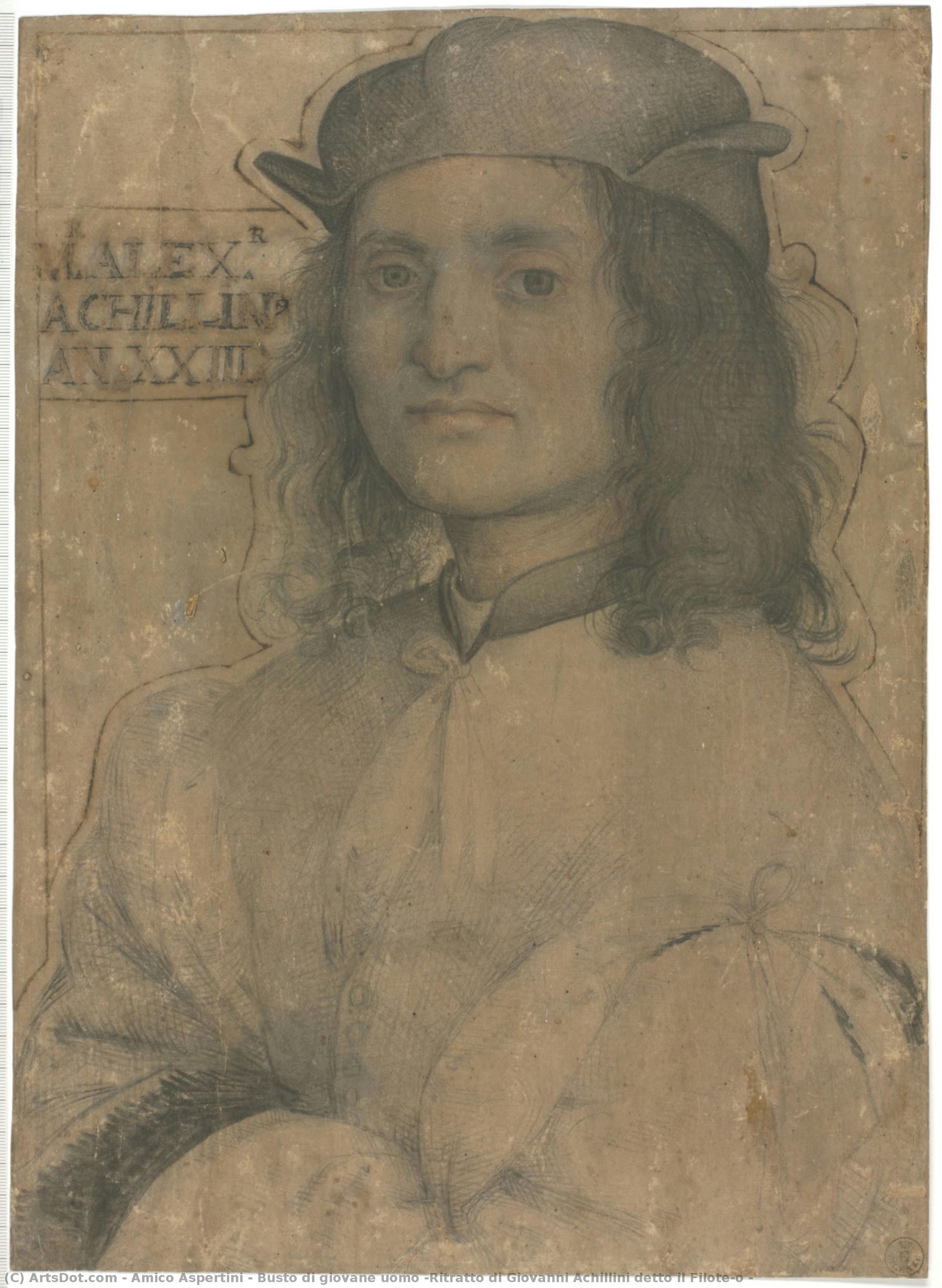
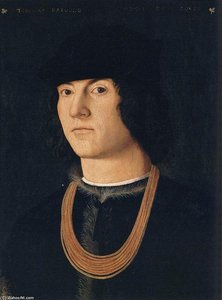
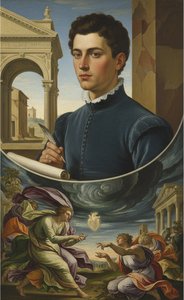
Busto di giovane uomo (Ritratto di Giovanni Achillini detto il Filotèo )


 詳細を見る
詳細を見る




P118B $10

P118H $10

P118W $10

P438Z $10

P508JH $12

P508YH $12

P805H $10

P805Z $10

P919BZ $10

P919G $10

P919XJ $10

P959ZH $10

P968JZ $12

W106C $8

W218G $10

W218JH $8

W218Y $10

W307PJ $10

W316G $10

W316PJ $8

W316Y $10

W398PJ $8

W4111J $10

W500HY $15

W500JH $15

W692G $12

W849H $8

W940BG $15

W953PJ $8




作品のオリジナル比率に合わせた、当店の規定サイズからお選びください。

特定のフレームやスペースに合わせて、ご希望のサイズをご入力いただけます。選択されたサイズが元の画像の比率と異なる場合、アートワークをトリミングするか、手描きで要素を追加して絵画を拡張いたします。デジタルモックアップ を制作し、制作開始前にご確認(承認)をいただきます。
画面上のプレビューは、実際のトリミングや拡張を正確に反映しているものではありません。最終的な構図は、モックアップによってのみ正確にご確認いただけます。
カスタムサイズもご利用いただけますが、元の比率を維持するためには、あらかじめ用意されたリストからサイズを選択することをお勧めいたします。
ご注文後、ArtsDot.com チームより詳細な指示をお送りするとともに、仕上がりイメージ(モックアップ)をご提供いたします。


 ガラスオプションは、110cm未満のサイズでのみご利用いただけます。

Busto di giovane uomo (Ritratto di Giovanni Achillini detto il Filotèo )
複製技法
複製画のサイズ
-


合計金額
$ 263
作品解説
Amico Aspertini: A Pioneer of Mannerist Eclecticism
Amico Aspertini (circa 1473/75 – Bologna, 1552) stands as a fascinating figure within the Italian Renaissance—a painter who simultaneously anticipated and defied prevailing artistic trends. Often described as eccentric and possessing an almost unsettling intensity, Aspertini’s legacy lies not just in individual works but in his unique synthesis of styles, making him a pivotal precursor to Mannerism and a compelling example of Bolognese painting's evolving identity. His life was deeply intertwined with the artistic milieu of Bologna, a city renowned for its vibrant workshop culture and its connection to both Florentine innovation and Venetian sensuality. He began his training within this environment, absorbing influences from masters like Francia and Costa, yet quickly forged his own distinctive path, one characterized by an almost feverish energy and a willingness to embrace seemingly contradictory elements. This approach distinguishes him from many of his contemporaries who adhered rigidly to established conventions—a characteristic that would become emblematic of the Mannerist movement itself.Early Influences and Bolognese Artistic Landscape
Aspertini’s formative years were spent in Bologna, a city brimming with artistic dynamism during the early sixteenth century. The humanist spirit flourished here, fueled by the University's intellectual fervor, and this ethos permeated the visual arts. Artists like Lorenzo Costa and Francesco Francia exerted considerable influence on Aspertini’s stylistic development, demonstrating a masterful command of perspective and realism—techniques that were nevertheless infused with expressive distortions and heightened emotional intensity. Notably, Giorgio Vasari’s biographical account portrays Aspertini as an artist consumed by passion and driven by an almost obsessive desire to capture the essence of his subjects. This portrayal underscores the importance of psychological depth within Aspertini's oeuvre, a quality that would become increasingly prominent in Bolognese painting during this period. The stylistic dialogues between Francia and Costa—particularly Costa’s embrace of Filippino Lippi’s expressive style—provided Aspertini with invaluable models for exploring innovative visual vocabularies.Distinctive Style and Technique
Aspertini's artistic signature is characterized by a remarkable blend of stylistic elements, reflecting his profound engagement with diverse artistic traditions. He skillfully combined techniques derived from Florentine perspective with the luminous color palettes favored by Venetian painters—a juxtaposition that exemplifies the broader cultural exchange occurring across Italy at the time. His use of hatching and chiaroscuro—particularly in works like “The Battle of the Amazons”—demonstrates a meticulous attention to detail and an ability to convey profound emotional resonance. Vasari famously described Aspertini’s method as dividing chiaroscuro between his hands, highlighting his unparalleled technical virtuosity. Furthermore, Aspertini's penchant for incorporating symbolic imagery—evident in paintings such as “Domus Aurea” and “Saint Sebastian”—reveals a deep understanding of humanist intellectual currents and a desire to imbue his art with moral significance.Symbolism and Emotional Intensity
Beyond mere technical prowess, Aspertini’s paintings resonate with powerful emotional undertones—a hallmark of Mannerist aesthetics. His compositions often depict figures caught in moments of dramatic tension or psychological turmoil, conveying feelings of anguish, ecstasy, and spiritual contemplation. The Pietà he painted inside San Petronio Basilica exemplifies this expressive impulse, presenting a scene imbued with an otherworldly luminescence that transcends mere realism. Critics have noted Aspertini’s unsettling gaze—a characteristic feature of many portraits—suggesting an artist who sought to penetrate the inner recesses of human experience. This preoccupation with psychological complexity distinguishes him from artists who prioritized idealized beauty and harmonious balance—a deliberate departure from Renaissance conventions that solidified Mannerism's position as a revolutionary artistic movement.Legacy and Influence
Amico Aspertini’s contribution to Bolognese painting is undeniable, establishing him as one of the foremost innovators of his era. His stylistic eclecticism—his willingness to synthesize disparate influences—served as a catalyst for the development of Mannerism, shaping the artistic landscape of Bologna and influencing subsequent generations of painters. He remains an enduring symbol of artistic eccentricity and intellectual curiosity—a testament to the transformative potential of challenging established norms and pursuing personal vision with unwavering conviction. His work continues to inspire artists and scholars alike, ensuring that Amico Aspertini’s legacy endures as a cornerstone of Renaissance art history.関連作品
アーティストの略歴
アミコ・アスペルティーニ:マニエリスム的折衷主義の先駆者
1474年頃にボローニャで生まれ、1552年にその生涯を閉じたアミコ・アスペルティーニは、イタリア・ルネサンス史において極めて魅力的な人物として君臨しています。彼は、当時の主流であった芸術的潮流を予見しながらも、同時にそれらに抗った画家でした。しばしば「風変わり」と評され、見る者を圧倒するような、どこか不安をかき立てるほどの強烈な情熱を宿した彼の遺産は、単なる個々の作品に留まりません。それは、様式を独自の解釈で融合させた比類なき統合の力にあります。彼はマニエリスムの重要な先駆者であり、進化し続けるボローニャ絵画のアイデンティティを示す象徴的な存在なのです。彼の人生は、活気ある工房文化と、フィレンツェの革新性、そしてヴェネツィアの官能性が交差する都市、ボローニャの芸術的環境と深く結びついていました。フランチャやコスタといった巨匠たちの影響を吸収しながら、彼は熱狂的なエネルギーと、一見矛盾する要素をも受け入れる大胆さをもって、独自の道を切り拓いていきました。幼少期と芸術的修練
アスペルティーニの家系は、芸術と分かちがたく結びついていました。父ジョヴァンニ・アントニオ・アスペルティーニ自身が、広く知られた画家であったのです。この血縁関係により、彼は幼い頃から顔料や筆、そして高度な技法の世界に深く浸ることができました。ボローニャで過ごした形成期において、彼はフランチャやコスタといった確立された巨匠たちの指導の下で腕を磨きました。これらの出会いは、彼に盛期ルネサンスが掲げる古典的な理想をもたらした一方で、より繊細なアプローチ、すなわち厳格な比率や遠近法への固執よりも、感情の強烈さや表現豊かな歪みを重んじる手法を教え込みました。決定的な瞬間は、1496年に父と共にローマを訪れたことでした。教皇庁の隆盛を目の当たりにしたこの経験は、彼の芸術的視野をさらに広げることとなりました。ローマの記録に彼の名が一時的に記されていることは、ボローニャの安定した環境に戻る前に、彼が実験と探求に満ちた日々を送っていたことを示唆しています。折衷主義と革新によって定義される様式
アスペルティーニの様式は、既存の芸術的境界を意図的に拒絶していたため、分類が極めて困難であることで知られています。彼はまさに「折衷主義」の達人でした。古代の古典的理想から、後期ゴシック美術の感情的な激しさまで、多種多様な源泉からインスピレーションを引き出し、さらにはフィレンツェやヴェネツィアで芽生えつつあったルネサンス様式の要素をも取り入れました。彼の絵画を特徴づけるのは、複雑に構成された構図、不穏なほどに引き伸ばされ歪んだ人物像、そして鮮烈な赤、青、黄色が支配する力強いパレットです。その技法の核心にあったのは、驚異的な「速さ」でした。彼は両手を同時に使い、片手でキアロ(明部)を、もう片方の手でスクーロ(暗部)を塗ることで、場面に動きとドラマをもたらす光と影のダイナミックな相互作用を生み出したと言われています。ヴァザーリが記述したこの異例の手法は、彼の作品に見られる熱狂的なエネルギーの大きな源泉となりました。代表作と芸術的業績
アスペルティーニの作品群の中でも、その独特な様式を際立たせる傑作がいくつか存在します。軍事的な勝利を描いた壮大なフレスコ画『軍事的勝利(Trionfo Militare)』は、古典的なイメージと演劇的なドラマを見事に融合させています。『エリュマントスの猪とヘラクレス』もまた、構図の巧みさと、表現効果のためにあえて遠近法を歪ませる大胆な姿勢を示す衝撃的な例です。さらに、とりわけ目を引く作品である『聖トマスの疑い』では、聖人が抱く疑念の瞬間が、肌に触れるような心理的緊張感とともに捉えられています。サンタ・チェチリア礼拝堂のフレスコ画やルッカの大聖堂への貢献とともに、これらの作品は、芸術的な慣習の限界を常に押し広げようとした画家の姿を浮き彫りにしています。1529年、教皇クレメンス7世のボローニャ入城に際して彼が手がけた凱旋門の装飾は、当時の第一級の芸術家としての彼の名声を決定的なものとしました。遺産と影響
後世のイタリア人画家たちに対するアスペルティーニの影響は、控えめではあるものの、極めて甚大です。引き伸ばされた肢体、歪んだ遠近法、そして感情表現への強調を特徴とするマニエリスムの発展において、彼は主要な人物と見なされています。彼の作品は、後にマニエリスムを定義することになる多くの様式的革新を先取りしており、エル・グレコのような芸術家たちが登場するための道筋を作りました。かつてヴァザーリが彼を「風変わり」で「半狂乱」の巨匠として描いたことは、当初、彼の作品群に否定的な光を投げかけることとなりました。しかし、現代の美術史家たちは、美や写実主義という従来の概念に挑戦した先駆的な芸術家としての彼の重要性を、ますます高く評価しています。フィレンツェのウフィツィ美術館をはじめとする権威あるコレクションに収められた彼の絵画は、その不朽の芸術的価値の証です。アスペルティーニの遺産は今もなお私たちを魅了し、真の革新とは、複雑さを受け入れ、期待を裏切る勇気の中にこそ宿るものであることを教えてくれています。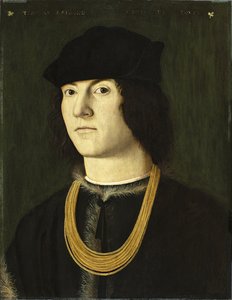
アミコ・アスペルティーニ
1475 - 1552 , イタリア
基本情報
- Artistic Movement Or Style: マニエリスム
- Artists Or Movements Influenced By This Artist: ['エル・グレコ']
- Artists Who Influenced This Artist:
- フランチャ
- コスタ
- Date Of Birth: 1475年、ボローニャ
- Date Of Death: 1552年、ボローニャ
- Full Name: アミコ・アスペルティーニ
- Nationality: イタリア
- Notable Artworks:
- 軍事的な勝利 (Trionfo Militare All)
- エリュマントスの猪とヘラクレス (Erocle e il cinghiale di erimanto)
- 聖トマスの疑い (Incredulità di San Tommaso)
- Place Of Birth: イタリア、ボローニャ
関連記事
Mario Sironi: A Poetic of Modern Italian Identity Through Symbolism & Social Commentary
Explore the profound works of Mario Sironi, a key figure in Italian Modernism. Discover his evolution from Futurism to Metaphysical painting and his powerful social commentary. Learn about his legacy at ArtsDot.
Giovanni Fattori: Realism, Identity & the Tuscan Landscape – A Macchiaioli Master
Explore the life & art of Giovanni Fattori, a leading figure of the Macchiaioli movement. Discover his revolutionary realism, captivating Tuscan landscapes, and lasting impact on Italian painting. Learn more at ArtsDot.
Carlo Carrà: Futurist Visions & Metaphysical Transformations in Early 20th-Century Italian Painting
Explore the artistic journey of Carlo Carrà, a pivotal figure in Italian Futurism & Metaphysical painting. Discover his dynamic compositions, collaborations with de Chirico, and lasting influence on modern art history.
Civic Virtue and Artistic Rivalry: Patronage and Innovation in the Italian Renaissance Republics, 1400–1600
Explore the Italian Renaissance! Discover how competitive patronage & humanist ideals fueled artistic innovation in republics like Florence & Venice. Expert insights for art lovers and collectors.
Jacopo Pontormo: A Bridge Between Renaissance Tradition & Mannerist Emotion
Explore the captivating world of Jacopo Pontormo, a pivotal Italian Mannerist painter. Discover his unique style, influences & masterpieces – and find museum-quality reproductions at ArtsDot.

