

 プレビュー
プレビュー
 シェアする
シェアする シェアする
シェアする
 詳細を見る
詳細を見る

 ダウンロード
 似ている作品
 X線調査
X線調査 スライドショー
Venere con Amore nella fucina di Vulcano


 詳細を見る
詳細を見る
ジークレー/アートプリント
迅速な制作と多彩な仕上げオプションを備えた、ミュージアムクオリティのジークレーまたはキャンバスプリント。 ( 手描きの絵画を購入 画像を購入)




P118B $10

P118H $10

P118W $10

P438Z $10

P508JH $12

P508YH $12

P805H $10

P805Z $10

P919BZ $10

P919G $10

P919XJ $10

P959ZH $10

P968JZ $12

W106C $8

W218G $10

W218JH $8

W218Y $10

W307PJ $10

W316G $10

W316PJ $8

W316Y $10

W398PJ $8

W4111J $10

W500HY $15

W500JH $15

W692G $12

W849H $8

W940BG $15

W953PJ $8




作品のオリジナル比率に合わせた、当店の規定サイズからお選びください。

特定のフレームやスペースに合わせて、ご自身でサイズを指定することも可能です。選択されたサイズが元の画像の比率と一致しない場合、作品をトリミングするか、鏡面反射または単色での塗りつぶしによって画像を拡張いたします。制作を開始する前に、ご確認用のデジタルモックアップをお送りいたします。
画面上のプレビューには、実際のトリミングや拡張は反映されませんのでご注意ください。最終的な構図を正確に確認できるのは、モックアップのみとなります。
カスタムサイズも承っておりますが、元の比率を維持するためには、あらかじめ用意されたリストからサイズを選択することをお勧めいたします。


 ガラスオプションは、110cm未満のサイズでのみご利用いただけます。

Venere con Amore nella fucina di Vulcano
ジークレー/アートプリント
複製画のサイズ
-


合計金額
$ 62
作品詳細説明
Venere con Amore nella fucina di Vulcano - A Pioneer of Mannerist Eclecticism
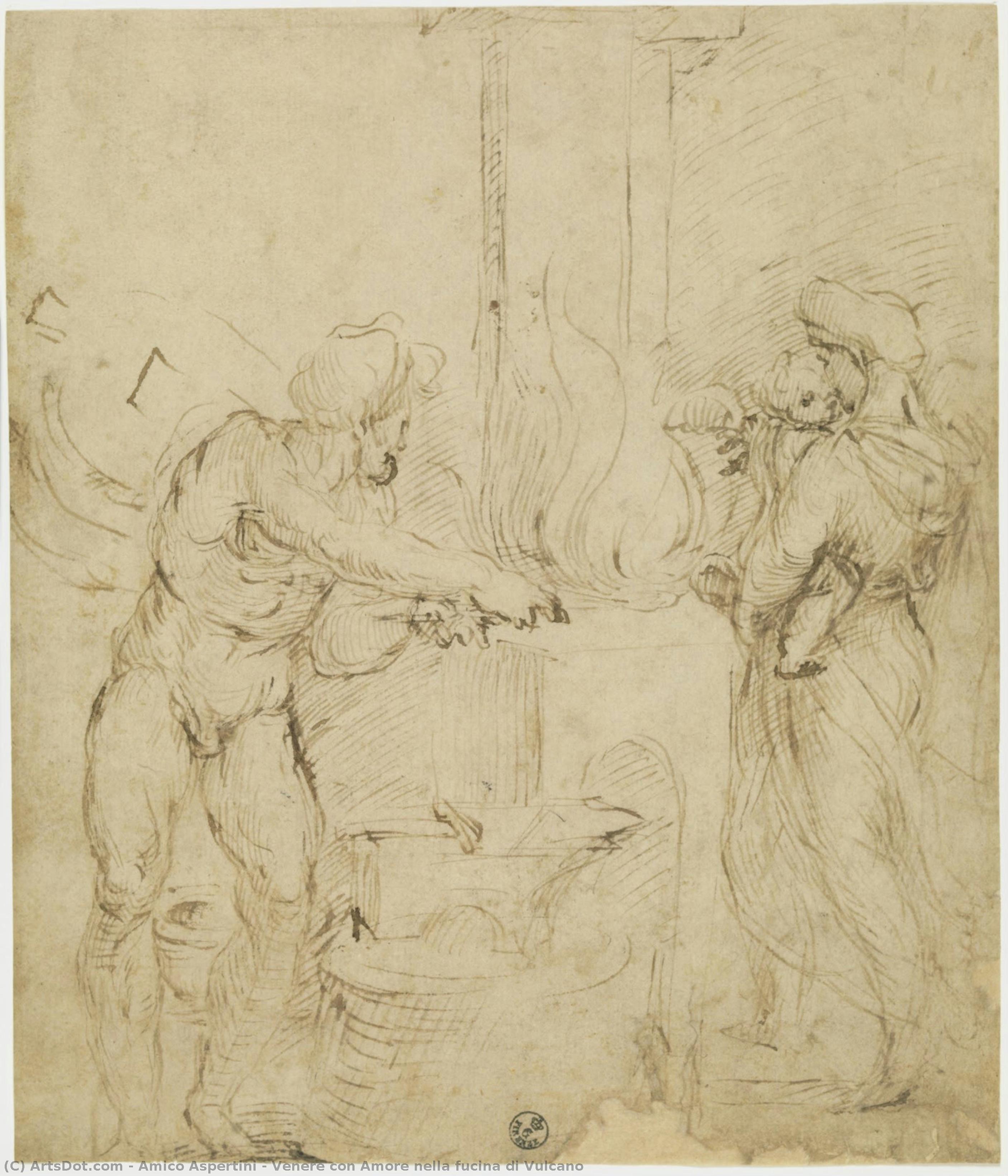
Amico Aspertini’s “Venere con Amore nella fucina di Vulcano” stands as a testament to the burgeoning artistic spirit of Bologna at the dawn of the sixteenth century—a painter who simultaneously anticipated and defied prevailing trends, marking him as a pivotal precursor to Mannerism and embodying the evolving identity of Bolognese painting. Born around 1473/75 in Bologna, Aspertini’s life was inextricably linked with the vibrant workshop culture of his city, nurtured by connections to both Florentine innovation and Venetian sensuality. He began his artistic journey within this milieu, absorbing influences from masters like Francia and Costa, yet swiftly forging his own distinctive path—one characterized by an almost feverish energy and a willingness to embrace seemingly contradictory elements. This singular approach cemented his reputation as an eccentric genius, forever remembered for his unsettling intensity and groundbreaking stylistic experimentation.- Subject Matter: The artwork depicts two figures engaged in an intimate scene – Venus and Cupid – within the symbolic setting of Vulcano’s forge. This juxtaposition immediately speaks to themes of passion, creation, and divine influence, reflecting the humanist preoccupation with classical mythology prevalent during Aspertini's time.
- Style: “Venere con Amore” exemplifies Mannerist aesthetics—a style that deliberately rejected Renaissance ideals of harmony and proportion in favor of dramatic gesture, elongated forms, and expressive distortion. The artist skillfully employs techniques reminiscent of El Greco, prioritizing emotional impact over strict realism.
- Technique: Executed entirely by hand with graphite pencils on paper, the drawing utilizes hatching and cross-hatching to achieve remarkable tonal variation and volume. Lines converge towards focal points, creating a sense of dynamism and conveying the artist’s palpable energy. The meticulous attention to detail—particularly in rendering fabric textures and skin surfaces—demonstrates Aspertini's mastery of pencil drawing.
- Historical Context: Bologna at this period was experiencing a cultural renaissance fueled by intellectual ferment and artistic rivalry. Artists like Francia, Costa, and Filippino Lippi engaged in dialogues about stylistic innovation, pushing the boundaries of artistic convention. Aspertini’s work reflects this spirit of experimentation and embodies the Bolognese tradition of synthesizing diverse influences into a singular visual language.
- Symbolism: The gesture of Venus—pointing towards Cupid—represents an invitation to contemplation and symbolizes the union of beauty and desire. The forge itself serves as a metaphor for transformation and rebirth, aligning with Mannerist ideas about overcoming limitations and achieving spiritual transcendence.
Detailed Analysis of Composition and Technique
The composition is centered around the interaction between Venus and Cupid, positioned in an asymmetrical arrangement that contributes to the artwork’s dramatic effect. Lines converge towards a central point, guiding the viewer's gaze and emphasizing the expressive gesture of Venus—a deliberate departure from Renaissance conventions. The artist skillfully employs hatching and cross-hatching to create tonal variations and simulate fabric textures, capturing the subtle nuances of light and shadow. This meticulous technique underscores Aspertini’s commitment to conveying emotional depth through visual representation.Influence and Legacy
Aspertini's “Venere con Amore” profoundly impacted subsequent Bolognese artists and established him as a cornerstone of Mannerist style. His pioneering approach—characterized by stylistic eclecticism and an unwavering pursuit of expressive gesture—served as inspiration for generations of painters who sought to challenge the prevailing aesthetic norms of their time. The artwork’s enduring appeal lies in its ability to communicate complex ideas about beauty, desire, and transformation through a deceptively simple visual language.Reproductions and Artistic Inspiration
A high-quality reproduction of “Venere con Amore” can serve as a powerful source of artistic inspiration—a reminder that true innovation arises from embracing stylistic diversity and prioritizing emotional resonance. Consider framing the artwork in a neutral tone to allow its expressive qualities to shine through, enhancing its impact within any interior space. Explore variations on Aspertini’s technique – experimenting with different pencil grades and hatching patterns – to capture the essence of Mannerist style in your own creative endeavors.関連作品



アーティストの略歴
アミコ・アスペルティーニ:マニエリスム的折衷主義の先駆者
1474年頃にボローニャで生まれ、1552年にその生涯を閉じたアミコ・アスペルティーニは、イタリア・ルネサンス史において極めて魅力的な人物として君臨しています。彼は、当時の主流であった芸術的潮流を予見しながらも、同時にそれらに抗った画家でした。しばしば「風変わり」と評され、見る者を圧倒するような、どこか不安をかき立てるほどの強烈な情熱を宿した彼の遺産は、単なる個々の作品に留まりません。それは、様式を独自の解釈で融合させた比類なき統合の力にあります。彼はマニエリスムの重要な先駆者であり、進化し続けるボローニャ絵画のアイデンティティを示す象徴的な存在なのです。彼の人生は、活気ある工房文化と、フィレンツェの革新性、そしてヴェネツィアの官能性が交差する都市、ボローニャの芸術的環境と深く結びついていました。フランチャやコスタといった巨匠たちの影響を吸収しながら、彼は熱狂的なエネルギーと、一見矛盾する要素をも受け入れる大胆さをもって、独自の道を切り拓いていきました。幼少期と芸術的修練
アスペルティーニの家系は、芸術と分かちがたく結びついていました。父ジョヴァンニ・アントニオ・アスペルティーニ自身が、広く知られた画家であったのです。この血縁関係により、彼は幼い頃から顔料や筆、そして高度な技法の世界に深く浸ることができました。ボローニャで過ごした形成期において、彼はフランチャやコスタといった確立された巨匠たちの指導の下で腕を磨きました。これらの出会いは、彼に盛期ルネサンスが掲げる古典的な理想をもたらした一方で、より繊細なアプローチ、すなわち厳格な比率や遠近法への固執よりも、感情の強烈さや表現豊かな歪みを重んじる手法を教え込みました。決定的な瞬間は、1496年に父と共にローマを訪れたことでした。教皇庁の隆盛を目の当たりにしたこの経験は、彼の芸術的視野をさらに広げることとなりました。ローマの記録に彼の名が一時的に記されていることは、ボローニャの安定した環境に戻る前に、彼が実験と探求に満ちた日々を送っていたことを示唆しています。折衷主義と革新によって定義される様式
アスペルティーニの様式は、既存の芸術的境界を意図的に拒絶していたため、分類が極めて困難であることで知られています。彼はまさに「折衷主義」の達人でした。古代の古典的理想から、後期ゴシック美術の感情的な激しさまで、多種多様な源泉からインスピレーションを引き出し、さらにはフィレンツェやヴェネツィアで芽生えつつあったルネサンス様式の要素をも取り入れました。彼の絵画を特徴づけるのは、複雑に構成された構図、不穏なほどに引き伸ばされ歪んだ人物像、そして鮮烈な赤、青、黄色が支配する力強いパレットです。その技法の核心にあったのは、驚異的な「速さ」でした。彼は両手を同時に使い、片手でキアロ(明部)を、もう片方の手でスクーロ(暗部)を塗ることで、場面に動きとドラマをもたらす光と影のダイナミックな相互作用を生み出したと言われています。ヴァザーリが記述したこの異例の手法は、彼の作品に見られる熱狂的なエネルギーの大きな源泉となりました。代表作と芸術的業績
アスペルティーニの作品群の中でも、その独特な様式を際立たせる傑作がいくつか存在します。軍事的な勝利を描いた壮大なフレスコ画『軍事的勝利(Trionfo Militare)』は、古典的なイメージと演劇的なドラマを見事に融合させています。『エリュマントスの猪とヘラクレス』もまた、構図の巧みさと、表現効果のためにあえて遠近法を歪ませる大胆な姿勢を示す衝撃的な例です。さらに、とりわけ目を引く作品である『聖トマスの疑い』では、聖人が抱く疑念の瞬間が、肌に触れるような心理的緊張感とともに捉えられています。サンタ・チェチリア礼拝堂のフレスコ画やルッカの大聖堂への貢献とともに、これらの作品は、芸術的な慣習の限界を常に押し広げようとした画家の姿を浮き彫りにしています。1529年、教皇クレメンス7世のボローニャ入城に際して彼が手がけた凱旋門の装飾は、当時の第一級の芸術家としての彼の名声を決定的なものとしました。遺産と影響
後世のイタリア人画家たちに対するアスペルティーニの影響は、控えめではあるものの、極めて甚大です。引き伸ばされた肢体、歪んだ遠近法、そして感情表現への強調を特徴とするマニエリスムの発展において、彼は主要な人物と見なされています。彼の作品は、後にマニエリスムを定義することになる多くの様式的革新を先取りしており、エル・グレコのような芸術家たちが登場するための道筋を作りました。かつてヴァザーリが彼を「風変わり」で「半狂乱」の巨匠として描いたことは、当初、彼の作品群に否定的な光を投げかけることとなりました。しかし、現代の美術史家たちは、美や写実主義という従来の概念に挑戦した先駆的な芸術家としての彼の重要性を、ますます高く評価しています。フィレンツェのウフィツィ美術館をはじめとする権威あるコレクションに収められた彼の絵画は、その不朽の芸術的価値の証です。アスペルティーニの遺産は今もなお私たちを魅了し、真の革新とは、複雑さを受け入れ、期待を裏切る勇気の中にこそ宿るものであることを教えてくれています。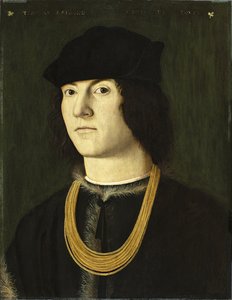
アミコ・アスペルティーニ
1475 - 1552 , イタリア
基本情報
- Artistic Movement Or Style: マニエリスム
- Artists Or Movements Influenced By This Artist: ['エル・グレコ']
- Artists Who Influenced This Artist:
- フランチャ
- コスタ
- Date Of Birth: 1475年、ボローニャ
- Date Of Death: 1552年、ボローニャ
- Full Name: アミコ・アスペルティーニ
- Nationality: イタリア
- Notable Artworks:
- 軍事的な勝利 (Trionfo Militare All)
- エリュマントスの猪とヘラクレス (Erocle e il cinghiale di erimanto)
- 聖トマスの疑い (Incredulità di San Tommaso)
- Place Of Birth: イタリア、ボローニャ
関連記事
The Eloquent Line: Exploring the Artistic Significance of Sketches Across Movements and Media
Explore the profound artistic significance of sketches throughout history. From Renaissance masters to modern innovators like Van Gogh & Guston, discover how these foundational works reveal technique, emotion, and vision. Learn more at ArtsDot.

Ephemeral Lines: Exploring Emotional Resonance in Ink Sketching Traditions
Explore the profound art of ink sketching! Discover techniques to express emotion, master line work, and cultivate artistic sensitivity. Learn from historical masters & unlock your creative potential.

写真から生まれる、時代を超越する情感:AIスケッチ変換で記憶を永遠の芸術へ
ArtsDotのAIスケッチ変換サービスで、大切な写真を時代を超越する芸術作品へ。熟練アーティストによる手描き油絵複製やカスタムポートレートをご提供。高品質なアートコンサルテーションと安心の品質保証。家族のレガシーを創造しましょう。
From Concept to Canvas: An Exploration of Emotional Sketching in Art Reproduction & Commission Processes
Explore the art of emotional expression & bespoke creation. Commission museum-quality paintings or find unique reproductions crafted by skilled artists. Expert consultation & personalized service at ArtsDot.
Jacopo Pontormo: A Bridge Between Renaissance Tradition & Mannerist Emotion
Explore the captivating world of Jacopo Pontormo, a pivotal Italian Mannerist painter. Discover his unique style, influences & masterpieces – and find museum-quality reproductions at ArtsDot.

