

 プレビュー
プレビュー
 プリントを購入
 シェアする
シェアする シェアする
シェアする
 詳細を見る
詳細を見る

 ダウンロード
 似ている作品
 X線調査
X線調査 スライドショー
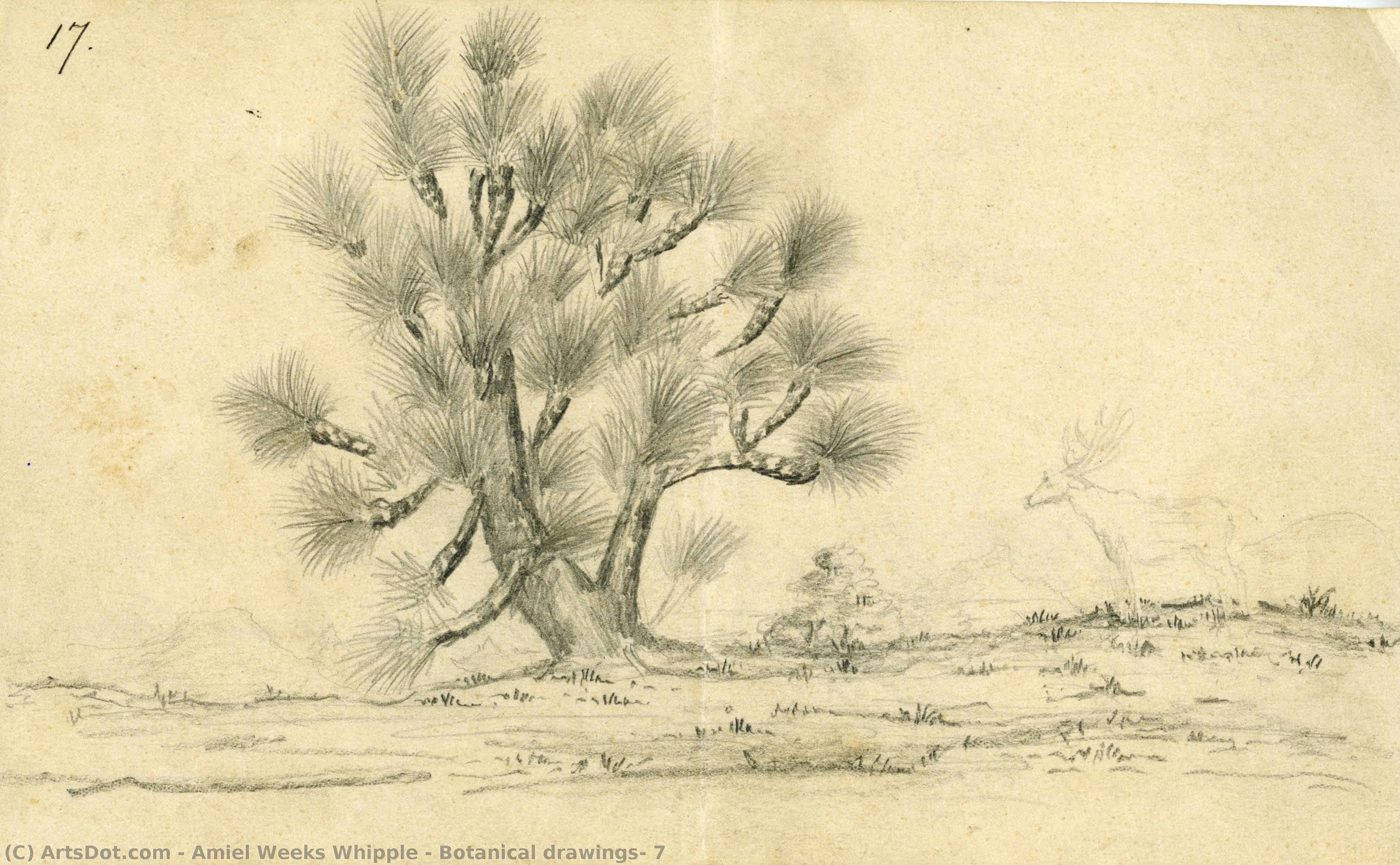
Botanical drawings, 7

 詳細を見る
詳細を見る
オンラインプレビューをはるかに凌ぐ、高解像度で鮮明なデジタル画像をご購入いただけます。
各ファイルは、社内の専門家が高度なツールと熟練した手作業によるレタッチを用いて、細心の注意を払って準備されています。すべての画像において、卓越した鮮明度、正確な色彩再現性、そして繊細なディテールを保証いたします。
最終ファイルは、プロフェッショナルな編集・印刷環境ですぐにご利用いただけるよう最適化された状態で、72時間以内にメールにてお届けいたします。これは、一流のデザインスタジオ、出版社、ギャラリーから信頼されているものと同等の品質です。
デジタル画像のご注文に付随する特典
高品質なデジタル画像配信を、確かな品質で。
ArtsDot.com を選ぶことは、単に画像を手に入れることではありません。それは、プロの手によって精密に仕上げられ、満足保証が付いた高品質なデジタルアートワークを受け取ることを意味します。ご注文いただいた際に自動的に付随する内容は、以下の通りです:

メールですぐにお届け
ご注文から72時間以内に、高解像度のデジタル画像ファイルがメールでお手元に届きます。すぐにそのままご利用いただけます。

AI技術で最適化されたデジタルファイル
お客様の作品は、高度なAIツールと専門家による手作業の編集を組み合わせてプロフェッショナルに最適化されており、細部のディテール、鮮明さ、そして正確な色再現性を最大限に引き出しています。

一生涯無料の再送サービス
ファイルを誤って削除したり、紛失してしまったりしましたか?ご安心ください。いつでも無料で再送いたします。

輸入手数料は一切かかりません
関税や手数料、配送料を気にすることなく、お気に入りのアートワークをすぐにお楽しみいただけます。デジタルダウンロードは常に免税です。

色彩再現の保証
プロ仕様のツールとカラーマネジメント技術を用いることで、デジタル画像が元の色を最大限に忠実に再現することを保証いたします。

100日間満足保証
ご購入いただいたデジタル画像にご満足いただけない場合は、100日以内であれば、修正または100%の返金(理由を問う必要はありません)をさせていただきます。

100% 返金保証
ご満足いただけない場合は、デジタルファイルを受け取ってから100日以内であれば、理由を問わず全額返金いたします。

まとめ買い割引
3枚購入で10%OFF - 5枚購入で15%OFF - 10枚以上購入で20%OFF。クリエイティブなプロジェクト、ギャラリー、エージェンシーに最適です。
関連作品





作家の略歴
The Surveyor’s Eye: The Dual Legacy of Amiel Weeks Whipple
In the mid-19th century, as the American frontier expanded toward the Pacific, a unique breed of explorer emerged—men who were simultaneously armed with scientific instruments and an artist's profound sensitivity to the landscape. Among these pioneers, Amiel Weeks Whipple stands as a singular figure whose life bridged the gap between rigorous topographical engineering and the evocative documentation of a burgeoning nation. Born in 1817 to a family rooted in the industrious spirit of Massachusetts, Whipple’s early years were shaped by the disciplined intellect of his education at Amherst College. This foundation in mathematics and geology would later become the lens through which he viewed the wild, unmapped territories of the American West, allowing him to see not just terrain to be conquered, but a complex tapestry of biological and geological wonder.
Whipple’s journey into the heart of the continent began with the precision of military service. After graduating from the United States Military Academy at West Point in 1841, his career was defined by the meticulous demands of the U.S. Army Corps of Topographical Engineers. His early assignments—mapping the Patapsco River and surveying the intricate boundaries between the United States and Mexico—required a level of accuracy that demanded absolute focus. Yet, beneath this scientific rigor lay an undeniable artistic impulse. As he traversed rugged canyons and scorched deserts, Whipple did not merely record coordinates; he captured the essence of the land. His work during these surveys was characterized by an ability to translate the monumental scale of the American landscape into detailed, visual narratives that spoke of both grandeur and isolation.
The Transcontinental Vision and Botanical Discovery
The zenith of Whipple’s exploratory career arrived with the Whipple Expedition of 1853–1854. Commissioned by Congress to scout a potential route for the transcontinental railroad along the 35th parallel, Whipple led a party through an arduous 1,800-mile trek from Arkansas to Los Angeles. This was no mere reconnaissance mission; it was a profound scientific odyssey. As his team moved through the territories of present-day Oklahoma, Texas, New Mexico, and Arizona, Whipple’s documentation became a vital record for a nation hungry for knowledge. His expedition was tasked with documenting geological formations, plant life, and the cultures of Native American tribes, tasks he performed with a remarkable eye for detail that blended the precision of a cartographer with the soul of a naturalist.
The legacy of this expedition is etched into the very flora of the American West. The botanical richness encountered during his travels led to the identification and naming of numerous species, most notably the genus Whipplea, named in his honor. This connection between his scientific surveying and the biological world underscores the true nature of his contribution: he was a man who saw the interconnectedness of all things. His reports, published as part of the massive twelve-volume Pacific Railroad Surveys, provided the first-hand accounts that would shape the American consciousness regarding the West. Through his sketches and descriptions, the towering mesas of Arizona and the rugged beauty of the Utah canyons were brought to life for an audience thousands of miles away, transforming distant frontiers into tangible, breathtaking realities.
A Life Defined by Duty and Discovery
The final chapter of Whipple’s life was marked by the profound tragedy of the American Civil War. Transitioning from the role of explorer to that of a combat leader, he served as a Brigadier General, embodying the heavy responsibilities placed upon his shoulders during the nation's greatest crisis. His service led him to the Battle of Chancellorsville, where he sustained mortal wounds, bringing a poignant end to a life that had been so dedicated to the expansion and understanding of his country. Though his physical journey ended in 1863, his intellectual and visual legacy endured.
To study Amiel Weeks Whipple is to study the intersection of science and art during an era of profound transformation. His achievements can be summarized through several enduring contributions:
- Topographical Mastery: His ability to execute complex boundary surveys and railroad route explorations under extreme environmental conditions.
- Scientific Documentation: The creation of detailed geological and botanical records that provided the foundational knowledge for the American West.
- Artistic Observation: A unique visual approach that captured the aesthetic majesty of the frontier, moving beyond mere data to convey the spirit of the landscape.
- Historical Impact: His role in the Pacific Railroad Surveys, which were instrumental in the physical and political integration of the United States.
Ultimately, Whipple remains a symbol of the 19th-century explorer—a man whose compass pointed toward progress, but whose heart remained deeply attuned to the sublime beauty of the natural world.
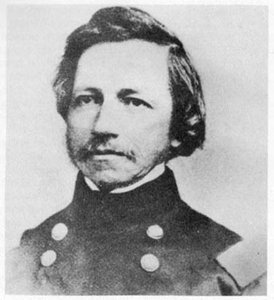
Amiel Weeks Whipple
1817 - 1863 , United States of America
プロフィール概要
- Artistic Movement Or Style: Topographical Engineer
- Artists Or Movements Influenced By This Artist: ['']
- Artists Who Influenced This Artist: ['']
- Date Of Death: May 7, 1863
- Full Name: Amiel Weeks Whipple
- Nationality: United States
- Notable Artworks: ['']
- Place Of Birth: Greenwich, Massachusetts