

 プレビュー
プレビュー
 シェアする
シェアする シェアする
シェアする
 詳細を見る
詳細を見る

 ダウンロード
 似ている作品
 X線調査
X線調査 スライドショー
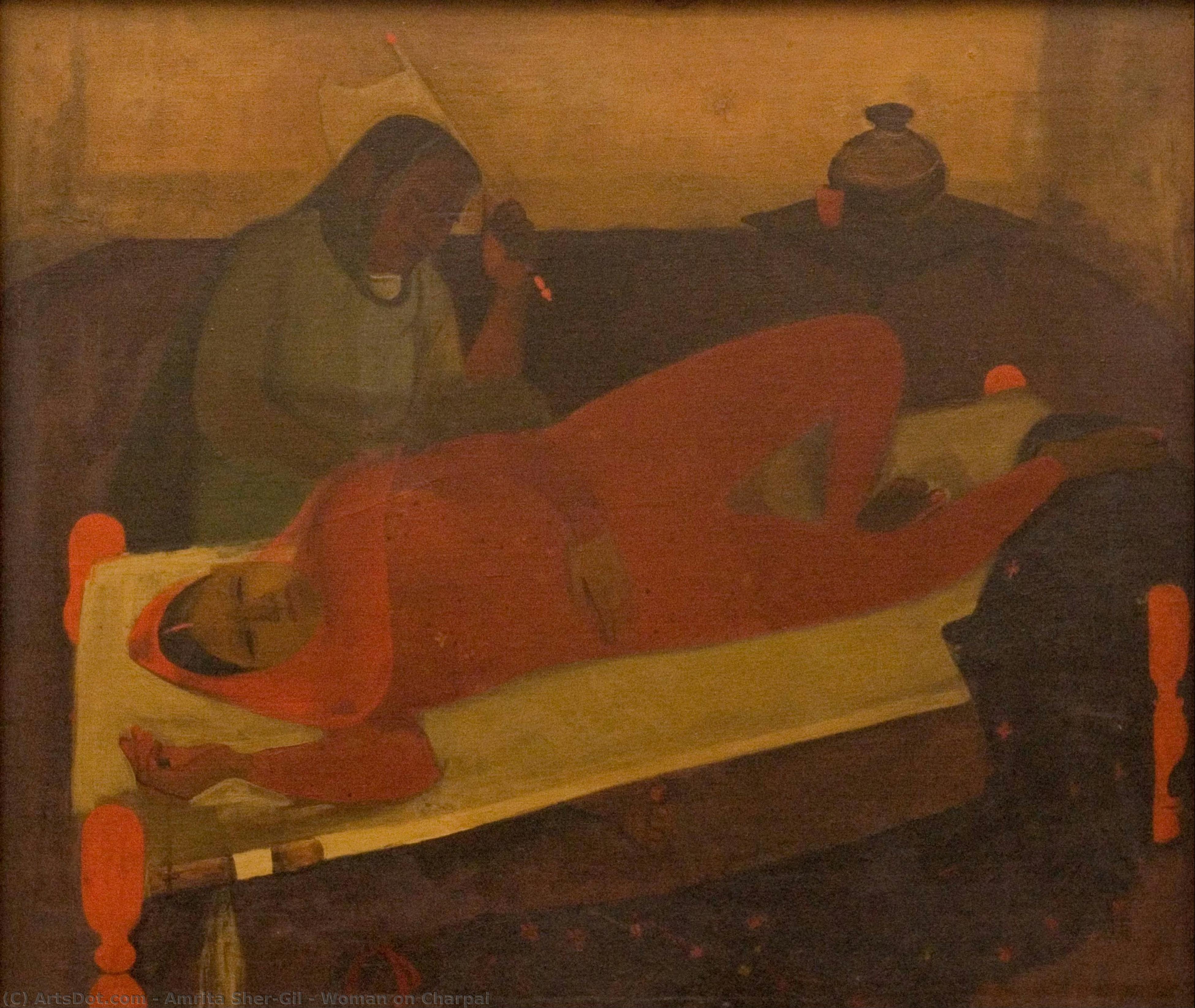
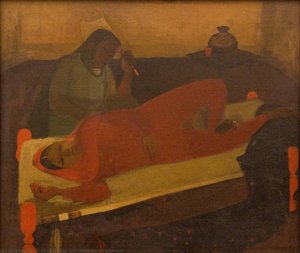
Woman on Charpai
 Acrylic On Canvas
- WallArt
- Post-Impressionism
 1938
1938 850.0 x 724.0 cm
 National Gallery of Modern Art
 詳細を見る
詳細を見る
ジークレー/アートプリント
迅速な制作と多彩な仕上げオプションを備えた、ミュージアムクオリティのジークレーまたはキャンバスプリント。 ( 手描きの絵画を購入 画像を購入)




P118B $10

P118H $10

P118W $10

P438Z $10

P508JH $12

P508YH $12

P805H $10

P805Z $10

P919BZ $10

P919G $10

P919XJ $10

P959ZH $10

P968JZ $12

W106C $8

W218G $10

W218JH $8

W218Y $10

W307PJ $10

W316G $10

W316PJ $8

W316Y $10

W398PJ $8

W4111J $10

W500HY $15

W500JH $15

W692G $12

W849H $8

W940BG $15

W953PJ $8




作品のオリジナル比率に合わせた、当店の規定サイズからお選びください。

特定のフレームやスペースに合わせて、ご自身でサイズを指定することも可能です。選択されたサイズが元の画像の比率と一致しない場合、作品をトリミングするか、鏡面反射または単色での塗りつぶしによって画像を拡張いたします。制作を開始する前に、ご確認用のデジタルモックアップをお送りいたします。
画面上のプレビューには、実際のトリミングや拡張は反映されませんのでご注意ください。最終的な構図を正確に確認できるのは、モックアップのみとなります。
カスタムサイズも承っておりますが、元の比率を維持するためには、あらかじめ用意されたリストからサイズを選択することをお勧めいたします。


 ガラスオプションは、110cm未満のサイズでのみご利用いただけます。

Woman on Charpai
ジークレー/アートプリント
複製画のサイズ
-


合計金額
$ 62
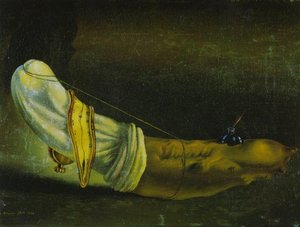
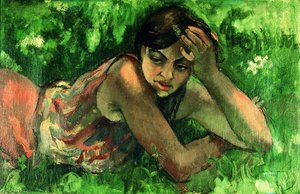
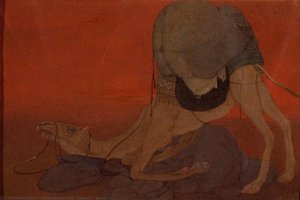
The Enigmatic Figure of Amrita Sher-Gil’s *Woman on Charpai*
Amrita Sher-Gil's 1940 painting, *Woman on Charpai*, isn’t merely a depiction of a domestic scene; it’s a profound meditation on femininity, desire, and the evolving identity of India in the early 20th century. Painted during a pivotal period of transition for the artist – she had returned to her homeland after years of artistic training in Europe – the work embodies a fascinating synthesis of Western influences and deeply rooted Indian traditions. Sher-Gil, already recognized for her bold approach to portraying women with an unprecedented frankness and psychological depth, here presents a scene both familiar and subtly subversive. The painting captures a moment of quiet repose within a traditional Indian household, yet it’s imbued with a palpable sense of unspoken tension and burgeoning sensuality.
The central figure, draped in a vibrant red sari – a color universally associated with passion and fertility in India – reclines gracefully on a *charpai*, a woven straw bed that speaks to the enduring comfort and practicality of rural life. Her posture is languid, almost defiant, suggesting a quiet assertion of her presence within this domestic sphere. Her gaze is averted, hinting at an inner world of thoughts and emotions, while the attendant, positioned slightly off-center, observes her with a mixture of attentiveness and perhaps a touch of resignation. The composition itself—the diagonal sweep of the woman’s body across the canvas—creates a dynamic tension that draws the viewer's eye and invites interpretation.
A Fusion of Styles: Post-Impressionism Meets Indian Miniature
Sher-Gil masterfully blends elements of post-impressionist painting with the stylized aesthetic of traditional Indian miniature art. The flattened perspective, reminiscent of works by Gauguin, lends a sense of immediacy and emotional intensity to the scene. The use of bold colors – the fiery red of the sari contrasting against the earthy tones of the background – is characteristic of both movements. However, Sher-Gil departs from purely Western conventions by incorporating elements borrowed from Indian miniature painting: the elongated figures, the expressive faces, and the narrative quality embedded within the composition. The inclusion of a small pot and a hand fan subtly references domestic rituals and the daily routines of rural life.
Her technique is equally compelling. Sher-Gil employs layered brushstrokes to build up texture and depth, creating a rich surface that invites close examination. The visible marks of her hand are not concealed but rather celebrated, adding to the painting’s sense of immediacy and authenticity. The skillful rendering of fabric—the folds of the sari, the texture of the *charpai*—demonstrates her technical mastery and her keen eye for detail.
Symbolism and Emotional Resonance
Beyond its formal elements, *Woman on Charpai* is laden with symbolic meaning. The red sari, as mentioned earlier, represents desire and passion, but it also signifies the woman’s marital status and her role within the family. The attendant's posture—a slight frown, a distant gaze—suggests a complex relationship of service and perhaps even unspoken longing. The painting captures a fleeting moment of anticipation, a pregnant pause before action, hinting at a story that remains largely unsaid. It’s a portrait not just of a woman, but of an entire cultural context – the shifting dynamics between tradition and modernity, between public and private, between observer and observed.
Sher-Gil's work stands as a testament to her ability to capture the complexities of human experience with remarkable sensitivity and insight. *Woman on Charpai* is more than just a beautiful painting; it’s a window into a bygone era, a poignant reflection on the lives of women in India, and a powerful statement about the enduring legacy of artistic innovation.
アーティストの略歴
二つの世界を繋ぐ生涯:アムリタ・シャー=ギル物語
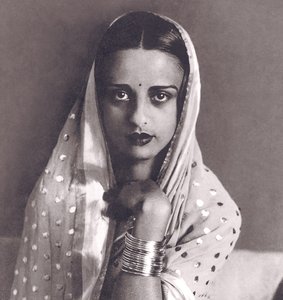
近代インド美術の黎明期を象徴する名、アムリタ・シャー=ギル。その短くも眩いばかりの輝きを放ったキャリアは、文化の風景に消えることのない足跡を残しました。1913年、ブダペストにて、驚くほど多様な背景を持つ両親のもとに彼女は生を受けました。シーク教徒の貴族であり学者であったウムラオ・シン・シャー=ギル・マジティアと、ハンガリー人のユダ・オペラ歌手マリー・アントワネット・ゴッテスマン。この類まれな血統は、彼女の人生に鮮烈なコントラストをもたらす運命を刻み込みました。この独自の遺産は、彼女の感性に深く根を下ろし、アイデンティティと帰属意識という複雑な葛藤を、驚くべき深みをもって描き出す芸術的ヴィジョンを形作ったのです。幼少期から絵画に対して類まれな才能を見せていたアムリタは、8歳にして正式なレッスンを受け始めました。ブダペストでの日々は、彼女をヨーロッパの豊かな芸術と文化の織物へと誘い、一方でインドで過ごした夏は、その鮮やかな伝統と社会の現実に、芽生えつつあった情熱を燃え上がらせたのです。インド学者であった叔父、エルヴィン・バクターイの導きは決定的なものでした。彼は彼女の潜在能力を見抜き、的確な助言を与えることで、彼女の芸術的発展のための強固な礎を築いたのです。パリの画室から、インドの魂へ
アムリタの正統な修行の道は、1929年に彼女をパリへと導きました。アカデミー・ド・ラ・グランド・シャミエールにてピエール・ヴァイランとリュシアン・シモンの指導を受け、後にエコール・デ・ボザールにも身を置きました。パリのボヘミアンな空気に浸る中で、彼女はポール・セザンヌやポール・ゴーギャンの作品をはじめとする、ヨーロッパ・モダニズムの影響を吸収していきました。しかし、1934年にインドへと帰国した際、彼女の芸術には劇的な転換が訪れます。それは単なる地理的な移動ではなく、芸術的な「帰郷」でした。ムガル絵画の壮麗さ、パハリ細密画の繊なくちづけのような叙情性、そしてアジャンター石窟寺院の古の壁画に触発され、アムリタは新たな情熱をもってインドの主題を探求し始めました。彼女が捉えようとしたのは、日常の真髄――農村共同体の静かな尊厳、女性たちの間に流れる親密な瞬間、そしてインドの風景が持つ剥き出しの美しさでした。これは彼女の芸術的旅路における大きな転換点となり、純粋な西洋様式から意識的に離れ、独自の「インド的な視覚言語」を構築するための探求へと踏み出した瞬間でもあったのです。独自の様式:色彩、形態、そして心理的深淵
アムリタ・シャー=ギルのスタイルは、大胆な色彩の使用、簡略化された形態、そして表情豊かな人物像によって、一目でそれと分かります。彼女は肖像画において、被写体の外見的な類似性だけでなく、その内面的な生、希望、そして葛藤までも描き出す、驚異的な心理的深みの伝達能力を備えていました。彼女の作品を特徴づけるのは、静かな強烈さと、今日に至るまで観る者の心に響き続ける哀愁を帯びた美しさです。パリのグラン・サロンの準会員に選出され、金賞を受賞したことで国際的な称賛を浴びた『少女たち』(1932年)などの作品は、彼女の構図と色彩における卓越した技量を示しています。また、『自画像 (7)』や『眠り』といった作品は、形態への実験的な試みや、アイデンティティと官能性というテーマへの探求をさらに際立たせています。彼女は単に目に見えるものを描写したのではありません。絵画に感情を吹き込み、視覚的に圧倒されると同時に、魂を揺さぶる作品を生み出したのです。遺産と永続的な影響
1941年、わずか28歳というあまりにも早すぎる死は、彼女がインド美術に残した計り知れない影響を覆い隠すことはできません。西洋の芸術技法と土着の伝統を橋渡しし、次世代のアーティストたちの道を切り拓いた彼女は、まさに近代インド絵画の先駆者として正当に評価されています。彼女の作品は、植民地時代のインドにおける社会的不平等に鋭く切り込み、アイデンティティ、ジェンダー、階級といったテーマを模索しており、時代を先取りした芸術家であったと言えます。今日、彼女の絵画はインド人女性画家による最も価値ある作品の一つとなっており、それはその歴史的重要性としなやかな芸術的価値の証です。技術的な卓越性を超えて、アムリタ・シャー=ギルの真の遺産は、インドの魂――その美しさ、複雑さ、そして不屈の精神――を捉える力にあります。同性愛を含む複雑な人間関係を明かす彼女の私信は、この類まれな女性とその芸術に対する理解にさらなる深みを与えています。彼女は今もなお、芸術的革新と文化の融合の象徴であり、その作品は世界中の人々を魅了し続けています。主要作品
- 少女たち (1932年): 国際的な評価を確立した、初期の極めて重要な作品。
- 自画像 (7): 進化し続ける様式と、自己の探求を象徴する一作。
- 眠り (1933年): 彼女独自の芸術的ヴィジョンを反映した、切なさを湛えたヌード肖像画。
- 村の風景 (1936-37年): インドの農村生活の本質を、驚くべき繊細さで捉えた作品。
- 三人の女性 (1934年): 女性同士の連帯と強靭さを力強く描き出した傑作。
アムリタ・シェル・ギル
1913 - 1941 , スロバキア
基本情報
- Artistic Movement Or Style: インド近代美術、アヴァンギャルド
- Artists Or Movements Influenced By This Artist: インド近代美術家
- Artists Who Influenced This Artist:
- ポール・セザンヌ
- ポール・ゴーギャン
- Date Of Birth: 1913年1月30日
- Date Of Death: 1941年12月5日
- Full Name: アムリタ・シャーギル
- Nationality: ハンガリー系インド人
- Notable Artworks:
- 少女たち
- 自画像 (7)
- 眠り
- Place Of Birth: スロバキア、ブダペスト
関連記事
Raja Ravi Varma: Bridging Tradition & Modernity in 19th-Century Indian Art
Explore the life & art of Raja Ravi Varma, a pioneer who fused European techniques with Indian iconography. Discover his iconic paintings, lasting legacy, and influence on modern Indian art at ArtsDot.
没後印象派を彩る至宝:時代を定義した10大名作
時代を彩る没後印象派の名作10選。ゴッホ、セザンヌら巨匠の傑作を深く掘り下げ、その物語と技法に迫ります。色彩豊かなアートで空間を演出。ArtsDot.comで至高のアートプリントを見つけませんか?
Beyond Impressionism: Exploring Emotional Depth & Formal Innovation in Post-Impressionist Art
Explore the profound emotional depth & formal innovations of Post-Impressionism with our expert guide. Discover Cézanne, Van Gogh, Gauguin & more. Learn about art history, collecting, and investing in this pivotal movement.
光と色彩の彼方:知的な収集家のための印象派とポスト印象派
印象派とポスト印象派の傑作を深く理解し、知的なコレクションを築くための情報を提供。ArtsDotでは、高品質な油絵複製やカスタムアートをご用意。専門家が最適な作品選びをお手伝いします。
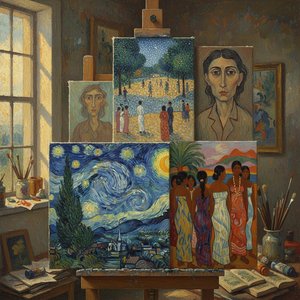
Beyond Impressionism: Exploring the Emotional Depth of Post-Impressionist Painting
Explore the profound emotional depth & innovative techniques of Post-Impressionism with ArtsDot. Discover Cézanne, Van Gogh, Gauguin & more – and their lasting impact on modern art.