 プレビュー
プレビュー
 プリントを購入
 シェアする
シェアする シェアする
シェアする
 詳細を見る
詳細を見る

 ダウンロード
 似ている作品
 X線調査
X線調査 スライドショー
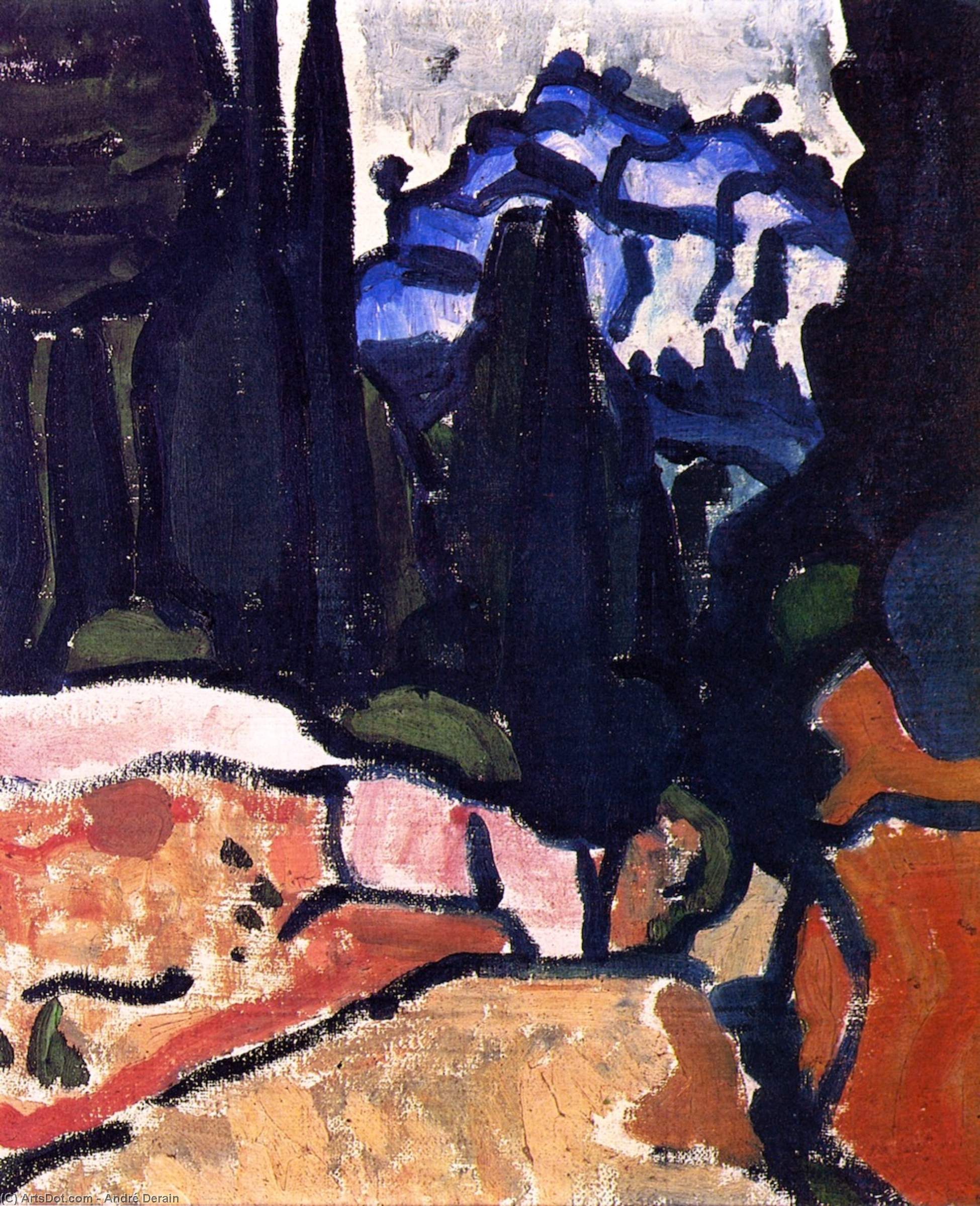
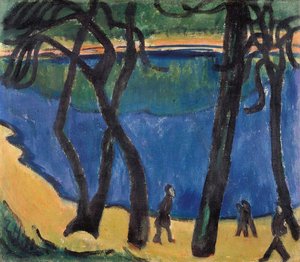
The Cypresses at Cassis
 Oil On Canvas
- WallArt
- Fauvism
 1907
1907- 19th Century
 46.0 x 38.0 cm
 詳細を見る
詳細を見る




P118B $10

P118H $10

P118W $10

P438Z $10

P508JH $12

P508YH $12

P805H $10

P805Z $10

P919BZ $10

P919G $10

P919XJ $10

P959ZH $10

P968JZ $12

W106C $8

W218G $10

W218JH $8

W218Y $10

W307PJ $10

W316G $10

W316PJ $8

W316Y $10

W398PJ $8

W4111J $10

W500HY $15

W500JH $15

W692G $12

W849H $8

W940BG $15

W953PJ $8




作品のオリジナル比率に合わせた、当店の規定サイズからお選びください。

特定のフレームやスペースに合わせて、ご希望のサイズをご入力いただけます。選択されたサイズが元の画像の比率と異なる場合、アートワークをトリミングするか、手描きで要素を追加して絵画を拡張いたします。デジタルモックアップ を制作し、制作開始前にご確認(承認)をいただきます。
画面上のプレビューは、実際のトリミングや拡張を正確に反映しているものではありません。最終的な構図は、モックアップによってのみ正確にご確認いただけます。
カスタムサイズもご利用いただけますが、元の比率を維持するためには、あらかじめ用意されたリストからサイズを選択することをお勧めいたします。
ご注文後、ArtsDot.com チームより詳細な指示をお送りするとともに、仕上がりイメージ(モックアップ)をご提供いたします。


 ガラスオプションは、110cm未満のサイズでのみご利用いただけます。

The Cypresses at Cassis
複製技法
複製画のサイズ
-


合計金額
$ 263
André Derain’s *The Cypresses at Cassis*: A Fauvist Masterpiece
André Derain's *The Cypresses at Cassis*, painted in 1907, is more than just a landscape; it’s a visceral explosion of color and emotion – the very essence of Fauvism captured on canvas. Measuring a modest 46 x 38 cm, this work immediately commands attention with its audacious palette and dynamic brushstrokes, transporting the viewer to the sun-drenched shores of Cassis, France. Initially conceived as an exploration of light and atmosphere, the painting quickly evolved into a bold statement of artistic independence, solidifying Derain’s place among the movement's most influential figures alongside Henri Matisse.
- Subject Matter: The scene depicts the iconic cypress trees that dominate the landscape around Cassis, rendered with an almost feverish intensity. These towering sentinels, a recurring motif in Derain’s work, symbolize both life and death, strength and melancholy – themes frequently explored within the Fauvist aesthetic.
- Fauvist Technique: The painting exemplifies the hallmarks of Fauvism: unrestrained color, simplified forms, and an emphasis on expressive brushwork. Derain deliberately rejected traditional academic techniques in favor of a more immediate and subjective representation of reality.
A Symphony of Color – Palette and Brushstroke
Derain’s masterful manipulation of color is the painting's most striking feature. He employs a vibrant, almost jarring combination of blues, greens, yellows, and ochres, applied with thick, impasto strokes that create a palpable sense of texture and movement. The intense blue of the sky contrasts dramatically with the dark green of the cypresses, while touches of warm yellow highlight the figures in the foreground. This deliberate use of color wasn't intended to accurately depict the scene; rather, it was used to evoke an emotional response in the viewer – a feeling of awe and wonder at the power and beauty of nature.
The brushwork itself is crucial to understanding Derain’s approach. The bold, visible strokes create a sense of energy and spontaneity, reflecting the artist's desire to capture not just what he saw, but how he *felt* about it. This technique was revolutionary for its time, challenging the conventions of academic painting and paving the way for future generations of artists.
Historical Context & Symbolism
*The Cypresses at Cassis* was created during a period of immense artistic change in Europe. The rise of Impressionism had already challenged traditional notions of representation, but Derain and his fellow Fauves pushed these boundaries even further. Derain’s travels to Cassis provided the inspiration for this work, capturing the essence of the region's rugged beauty. The subtle inclusion of two figures adds a human element to the scene, suggesting a connection between the viewer and the natural world – a common theme in Romantic art, reinterpreted through a Fauvist lens.
The painting’s enduring legacy lies not only in its aesthetic qualities but also in its role as a pivotal moment in the development of modern art. It represents a rejection of academic constraints and an embrace of subjective expression, influencing countless artists who followed.
Reproductions Available – Bringing *The Cypresses at Cassis* Home
ArtsDot offers meticulously crafted hand-painted reproductions of André Derain’s *The Cypresses at Cassis*, allowing you to experience the power and beauty of this iconic masterpiece in your own space. Each reproduction is created by skilled artisans using archival quality materials, ensuring that it will retain its vibrancy and detail for generations to come. Whether adorning a grand salon or a cozy study, this artwork will undoubtedly become a focal point, sparking conversation and inspiring admiration.
関連作品
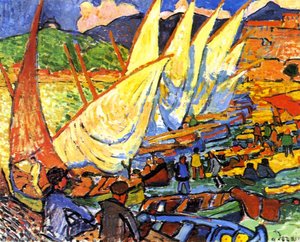
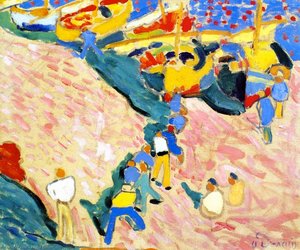
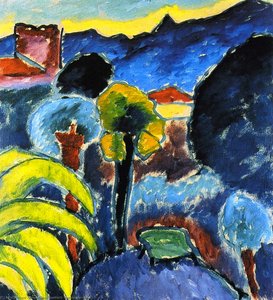
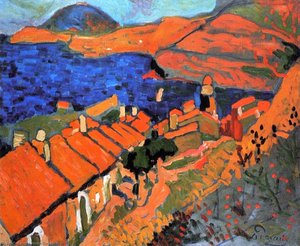
アーティストの略歴
幼少期とフォーヴィスムの萌芽
1880年、パリ近郊の魅力的な村シャトゥーで生まれたアンドレ・デランは、必ずしも絵筆とキャンバスに囲まれた生活を送る運命にあったわけではありません。ヴラマンクやマティスとの出会いによって即座に芸術的覚醒が促されたという通説とは異なり、デランは1895年頃から自発的に芸術の道を歩み始めました。初期の探求は、しばしばジャコバン神父とその息子たちとの田舎での遠足を通して行われ、自然界への深い感謝の念を育みました。彼は1898年にカミーユ・アカデミーで工学を学びましたが、そこで運命的にアンリ・マティスと出会い、重要な芸術的パートナーシップが始まりました。ウジェーヌ・カリエールのもとでのさらなる研究は彼の基礎的なスキルを磨き上げましたが、1901年から1904年までの兵役によって彼の芽生えたばかりのキャリアは一時中断されました。復帰後、マティスの揺るぎない信念に促され、デランは工学を断念し、完全に絵画に専念することを決意しました。この決意は転換点となり、彼を近代美術史上最も革新的な運動の一つの中核人物となる道へと導きました。色彩の爆発:フォーヴィスムの誕生
1905年の夏は、デランとマティスにとって、太陽が降り注ぐ沿岸の村コリウールで共同作業を行ったことで、劇的な瞬間となりました。「コリウールの山々」のような作品はこの時期に生まれ、従来の色彩表現からの大胆な逸脱を特徴としています。風景は単なる場所の描写ではなく、強烈で非現実的な色合いで表現された感情の表出でした。同年、彼らの作品が秋季サロンに出展されると、激しい反発と驚きを引き起こしました。批評家のルイ・ヴォーセルは彼らを「野獣たち」(Les Fauves)と呼びました—当初は軽蔑的な意味合いでしたが、最終的にはアーティスト自身によって受け入れられました。デランのこの運動への貢献は様式的であるだけでなく、彼は独自の能力で感情の強さを純粋な色彩に翻訳しました。1906年、アンブロワーズ・ヴォラールは彼にロンドンの絵を描くことを依頼し、テームズ川とタワーブリッジを描いた一連の印象的なキャンバスが生まれました。これらは従来の都市景観ではなく、型破りな視点を通してロンドンのエネルギーと雰囲気を捉えた大胆な解釈でした—デランの革新的なビジョンの証です。ゴッホやセザンヌなどの芸術家から影響を受け、彼は色彩と形態の境界線を押し広げ、未来の表現主義画家たちの基礎を築きました。フォーヴィスムを超えて:変化する美学
フォーヴィスムの初期の高揚は、デランの芸術的軌跡全体を定義したものではありませんでした。1907年頃から彼のスタイルは大きな進化を遂げ始め、抑制された色調へと移行し、形態への関心が高まりました。「ゴシック」期(1911-1914)と呼ばれるこの時期には、旧巨匠の研究に没頭し、キュビズムの要素を取り入れながらも古典的な形式からインスピレーションを得ました。これは彼の初期の作品を否定するものではなく、むしろ彼の芸術的語彙の拡大でした。デランの多才さは絵画を超えて広がりました。1919年、彼はセルゲイ・ディアギレフ率いるバレエ・リュスのために「ブティック・ファンタスク」の舞台美術を担当し、演劇デザインへの適性と多様な才能をさらに示しました。「ハルレキンとピエロ」や巨大な壁画「ユリシーズの帰還」などのこの時代の主要作品は、より抑制された知的厳格さをもって芸術制作に取り組むというスタイルの変化を例証しています。遺産と複雑性
アンドレ・デランは、近代絵画の流れを不可逆的に変えたフォーヴィスムの共同創始者としての地位を確立しました。彼の鮮やかなキャンバスに捉えられたロンドンのユニークなビジョンは、象徴的な都市に対する新たな視点を提供しました。第一次世界大戦後、彼は古典主義の復興への貢献で再び評価されましたが、その適応性と永続する芸術的関連性を示しています。しかし、デランの後年は論争に彩られました。第二次世界大戦中、ドイツでの彼の存在は批判を招き、戦後には一部の旧友から疎外されました。この影にもかかわらず、後世のアーティストへの影響は否定できません。彼は1954年に亡くなり、大胆な色彩と表現力豊かな筆致だけでなく、絶えず自己に挑戦し、新たな表現の道を探求し、近代美術の風景に消えない足跡を残した芸術家として記憶されています。彼の遺産は単なる色彩と筆致の力強さではなく、変化する世界を航海しながら創造的な真実を追求し続けた芸術家の物語なのです。 彼は芸術的革新の力と、単一のスタイルに固執するのではなく、複雑な本質を体現しています。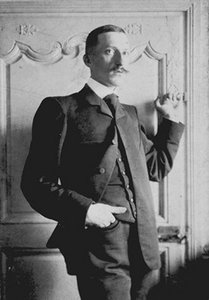
アンドレ・デラン
1880 - 1954 , フランス
基本情報
- Artistic Movement Or Style: フォーヴィスム, キュビズム
- Artists Or Movements Influenced By This Artist:
- マティス
- キュビズム
- Artists Who Influenced This Artist:
- ゴッホ
- セザンヌ
- Date Of Birth: 1880年6月10日
- Date Of Death: 1954年9月8日
- Full Name: アンドレ・デラン
- Nationality: フランス人
- Notable Artworks:
- コリウールの山々
- アルレキンとピエロ
- お茶のカップ
- ロンドン絵画
- Place Of Birth: シャトゥ、フランス
関連記事
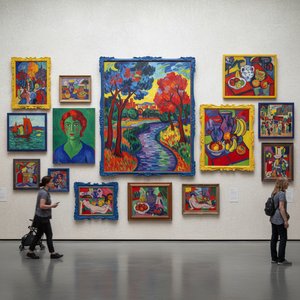
至福の色彩が彩る:フォーヴィズムを定義づけた10大名作
鮮烈な色彩が時代を席巻!フォーヴィズムを代表する10大名作を徹底解剖。マティスら巨匠の技と情熱に触れ、アートの新たな世界を発見。ArtsDot.comで至高の美術館級レプリカと洗練されたインテリアアイデアを見つけよう。
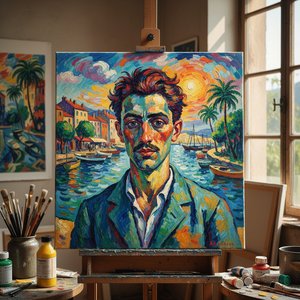
André Derain: Fauvism's Bold Visionary & the Evolution of Modern Color
Explore the revolutionary art of André Derain, co-founder of Fauvism. Discover his bold use of color, evolution from radical expressionism to classicism, and lasting influence on modern art history. Learn more at ArtsDot.
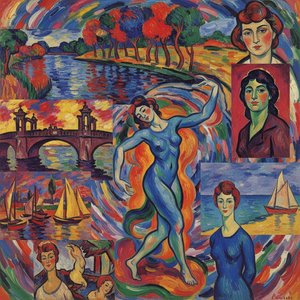
Fauvism's Boldest Visions: 10 Masterpieces That Revolutionized Modern Art | ArtsDot
Explore 10 Fauvist masterpieces by Matisse, Derain & Vlaminck that ignited Modern Art! Discover bold colors, expressionist landscapes & the history of this revolutionary movement. Find museum-quality prints at ArtsDot.com.
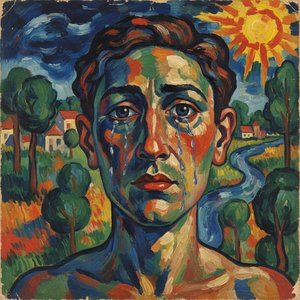
The Raw Emotion of Color: Exploring Fauvism's Revolutionary Expression
Explore the revolutionary world of Fauvism! Discover the bold colors & expressive power of Matisse, Derain & Vlaminck. Learn about this pivotal art movement's history and lasting impact on modern painting.
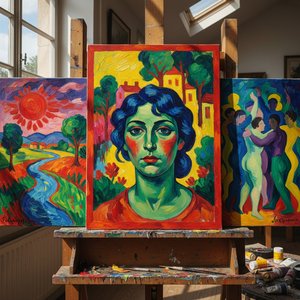
The Fauvist Spark: Exploring Artistic Innovation & Emotional Expression in 1905 Paintings
Explore the revolutionary Fauvist movement of 1905! Discover Matisse, Derain & Vlaminck’s bold use of color and expressive brushwork. Learn about this pivotal moment in art history with ArtsDot.