

 プレビュー
プレビュー
 プリントを購入
 シェアする
シェアする シェアする
シェアする
 詳細を見る
詳細を見る

 ダウンロード
 似ている作品
 X線調査
X線調査 スライドショー
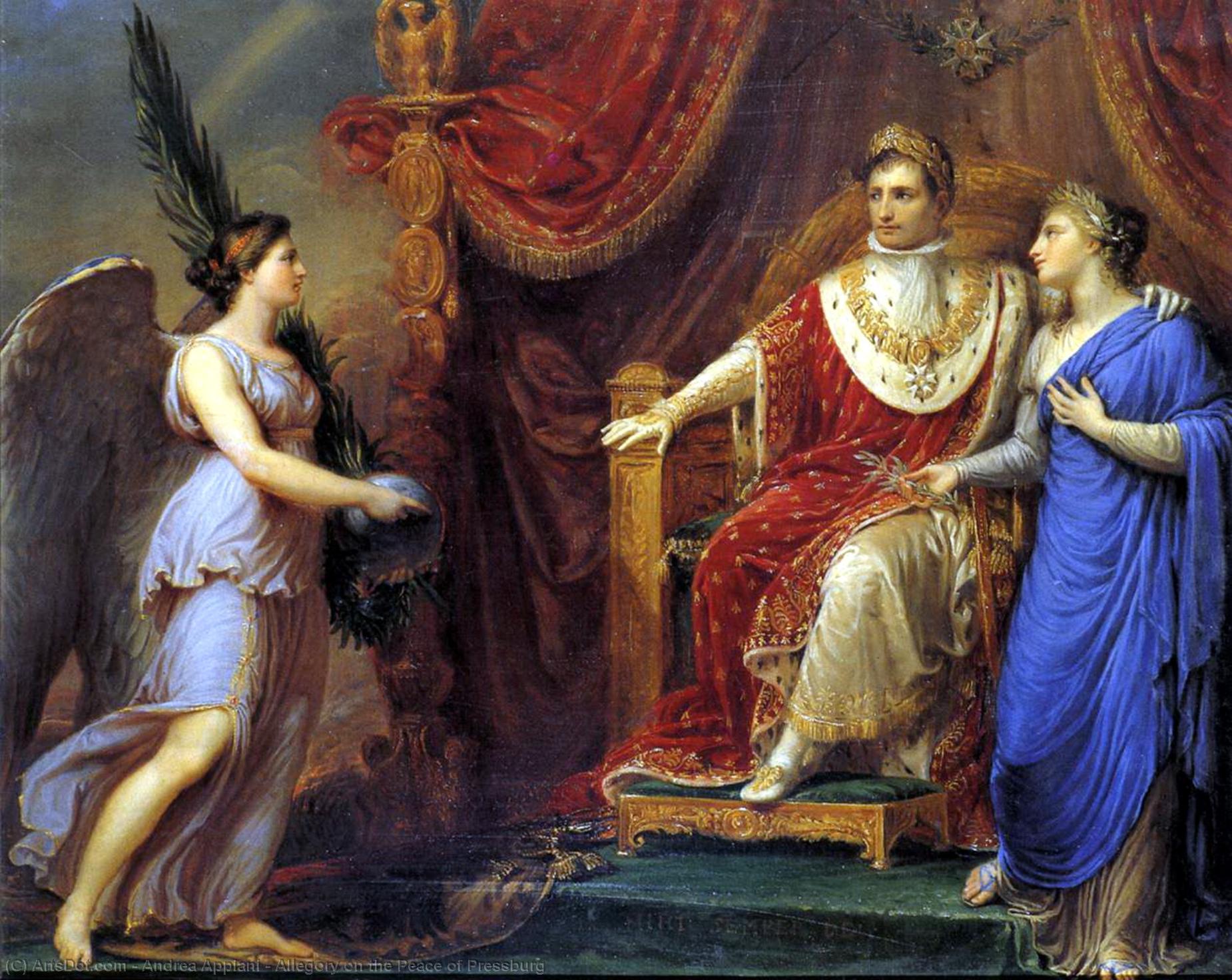
Allegory on the Peace of Pressburg
 Oil On Canvas
- WallArt
- Neoclassicism
 1808
1808 38.0 x 46.0 cm
 国立博物館群
 詳細を見る
詳細を見る




P118B $10

P118H $10

P118W $10

P438Z $10

P508JH $12

P508YH $12

P805H $10

P805Z $10

P919BZ $10

P919G $10

P919XJ $10

P959ZH $10

P968JZ $12

W106C $8

W218G $10

W218JH $8

W218Y $10

W307PJ $10

W316G $10

W316PJ $8

W316Y $10

W398PJ $8

W4111J $10

W500HY $15

W500JH $15

W692G $12

W849H $8

W940BG $15

W953PJ $8




作品のオリジナル比率に合わせた、当店の規定サイズからお選びください。

特定のフレームやスペースに合わせて、ご希望のサイズをご入力いただけます。選択されたサイズが元の画像の比率と異なる場合、アートワークをトリミングするか、手描きで要素を追加して絵画を拡張いたします。デジタルモックアップ を制作し、制作開始前にご確認(承認)をいただきます。
画面上のプレビューは、実際のトリミングや拡張を正確に反映しているものではありません。最終的な構図は、モックアップによってのみ正確にご確認いただけます。
カスタムサイズもご利用いただけますが、元の比率を維持するためには、あらかじめ用意されたリストからサイズを選択することをお勧めいたします。
ご注文後、ArtsDot.com チームより詳細な指示をお送りするとともに、仕上がりイメージ(モックアップ)をご提供いたします。


 ガラスオプションは、110cm未満のサイズでのみご利用いただけます。

Allegory on the Peace of Pressburg
複製技法
複製画のサイズ
-


合計金額
$ 313
作品解説
Andrea Appiani’s Allegory on the Peace of Pressburg: A Triumph of Neoclassical Grandeur
The monumental painting “Allegory on the Peace of Pressburg” by Andrea Appiani stands as a testament to the artistic fervor and political ambition that characterized Napoleon Bonaparte's reign in Italy. Completed in 1808, this colossal fresco adorns the Sala Bianca of Palazzo Nuovo in Rome—a deliberate statement of imperial prestige designed to solidify Napoleon’s dominion over Lombardy and Tuscany following his decisive victory against Austria. More than just a decorative embellishment, it embodies the core tenets of Neoclassicism: idealized beauty, rational order, and moral virtue – principles championed by Appiani himself and deeply influential in shaping artistic taste during the era.A Vision of Divine Favor and Imperial Legitimacy
Appiani’s masterful depiction captures a pivotal moment in European history—the signing of the Treaty of Pressburg, which formally ended Napoleon's war against Austria and secured Lombardy’s independence. However, the painting transcends mere chronicle; it operates on a symbolic level, conveying a profound message about divine endorsement of Napoleon’s rule. At the center stands Napoleon I himself, seated upon a throne crafted from gleaming gold, radiating authority and serenity. He is flanked by an angelic figure—a radiant woman draped in flowing white robes—who extends her hand towards him as if bestowing grace and blessing his triumph. This juxtaposition underscores the belief that Napoleon’s success stemmed not solely from military prowess but also from divine providence – a crucial element in bolstering his claim to legitimacy amidst republican anxieties.Technical Brilliance: Oil Paint and Linear Precision
Appiani's technique exemplifies the meticulous craftsmanship demanded by Neoclassical art. Executed entirely in oil paint on canvas, he achieved remarkable realism through painstaking brushwork and masterful blending of colors. The artist prioritized linear precision, defining forms with unwavering accuracy—particularly evident in the pyramidal composition that dominates the scene. Geometric shapes – squares, rectangles, and circles – contribute to this formal structure, creating a sense of stability and grandeur. Textures are rendered smoothly and polished, reflecting the luminosity characteristic of oil paint application, particularly on drapery and skin tones. Careful attention was paid to perspective, establishing depth within the chamber and enhancing the dramatic impact of the lighting—which originates from an unseen source above Napoleon’s head, casting strong shadows that emphasize his regal posture and the figures' forms.Symbolism Rich in Classical Allusions
The painting is replete with symbolic elements drawn from classical mythology and allegory. The angel represents divine grace and beneficence, symbolizing God’s favor upon Napoleon’s endeavors. The woman beside Napoleon embodies feminine virtue—a reflection of Enlightenment ideals—and her opulent attire signifies imperial wealth and splendor. Furthermore, the throne itself serves as a visual metaphor for power and majesty, echoing architectural precedents from ancient Greece and Rome. These references reinforce the painting's overarching theme: the triumph of reason and order over chaos and barbarism – values central to Napoleon’s vision for Italy and Europe.Emotional Resonance: A Portrait of Confidence and Triumph
“Allegory on the Peace of Pressburg” transcends mere visual representation; it evokes a palpable sense of confidence and triumph. Appiani's portrayal of Napoleon captures not only his physical stature but also his inner composure—a deliberate effort to project an image of imperial dignity and moral virtue. The painting’s luminous palette and dramatic lighting contribute to its emotional impact, transporting the viewer back to the momentous occasion depicted. It remains a powerful reminder of Napoleon Bonaparte’s ambition to establish himself as a beacon of enlightenment and artistic excellence – a legacy cemented by Appiani's unforgettable masterpiece.関連作品


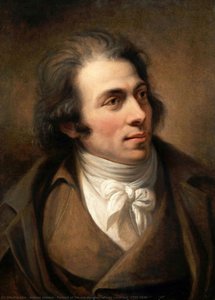
アーティストの略歴
アンドレア・アッピアニ:ミラノが生んだ新古典主義の巨匠
1754年、ミラノに生を受けたアンドレア・アッピアニは、18世紀後半から19世紀初頭にかけてのイタリア新古典主義美術界において、極めて重要な役割を果たした人物です。当初、彼は父の職業を継ぎ医学の道へ進む運命にありましたが、その芸術的な情熱が彼を突き動かしました。私塾にてカルロ・マリア・ジュディチに師事したことが、彼の輝かしいキャリアの礎となりました。その後、アンブロジアーナ絵画館でのアントニオ・デ・ジョルジによる指導や、マルティン・クノラーとの研鑽を通じて、油彩技法への理解をより深めていきました。こうした多様な教育的背景に加え、詩人ジュゼッペ・パリーニによって育まれた古典的美学への傾倒が、アッピアニ独自の芸術的ヴィジョンを形作りました。こうして彼は、優雅な肖像画や壮大なフレスコ画、そしてナポレオン・ボナパルトのような権力者たちからの依頼で知られる、名高い画家へと登り詰めたのです。
アッピアニの初期のキャリアは、あらゆる技法を極めようとする飽くなき探求心に彩られていました。1776年の聖ジェルヴァーシオとプロタシオのフレスコ画を皮切りに、アローナのサンタ・マリア・ナシェンテ教会の祭壇画(1忘82年)や、ミラノのマッジョーレ病院のための「降誕」(1784年)など、次々と作品を残していきます。また、モンツァ大聖堂の主祭壇における建築設計(1786-1798年)では、芽生えつつあった彼の才能が遺憾なく発揮され、フィレンツェでの舞台美術の仕事(1783-1784年)は、彼の表現の幅広さを証明しました。さらに、彫刻家ガエターノ・モンティと共にマッジョーレ病院で行った解剖学的研究は、人体構造に対する決定的な理解をもたらしました。この経験こそが、後に彼の描く驚くほど生命感あふれる肖像画や、ダイナミックな構図の源泉となったのです。
ナポレオン時代:宮廷画家としての栄光
1790年代、ミラノを占領したフランス軍の存在は、アッピアニにとって人生を変える転換点となりました。彼は瞬く間にナポレオン・ボナパルトの寵愛を受け、宮廷画家としての地位を確立し、その名声を飛躍的に高める依頼を次々と受けることになります。この時期、彼は皇帝や政権の重要人物たちの肖像画を数多く手掛けました。現存はしていませんが記録に残る象徴的な「ロディのナポレオン」をはじめ、「ヴィーナスと愛」や「アルミダの庭のアルディーノ」といった優美な作品群が誕生しました。彼の芸術的才能は、メダルの設計や政府の布告のための視覚資料作成といった公的な任務にも活用されました。この時代、彼の創作活動は爆発的な勢いを見せ、それは彼自身の野心と、受けた庇護の両方を反映したものでした。
この時代におけるアッピアニの最も野心的なプロジェクトには、ローマのヴィラ・ファルネジーナにあるラファエロの作品に触発された、モンツァ王宮ロトンダ内の精緻なフレスコ画(1789-1790年)や、ミラノのカーサ・サンナザーロにおけるアポロン神話の大規模な連作(1795-1796年)が含まれます。これらのフレスコ画は、遠近法、色彩、そして物語的な構成における彼の卓越した技量を示し、彼を新古典主義装飾の第一人者として不動のものにしました。特に王宮の食堂の天井に描かれた、アポロンとミューズを象徴する「パルナッソス」は、彼の芸術的技能を示す極めて名高い傑作として今なお語り継がれています。
フレスコ画の傑作と王室からの依頼
アッピアニの遺産は、その記念碑的なフレスコ画の中に深く刻まれています。サンタ・マリア・プレッソ・サン・チェルソ教会のドームやペンデンティヴに描かれた、四福音書記者と教会博士の連作(1795年)は、彼の技術的熟練度と物語構成力の証です。同様に、王宮の食堂にあるフレスコ画「パルナッソス」も、古典神話のエッセンスを驚くべき細部と躍動感で捉えた傑作と見なされています。また、ミラノ王宮における、ナポレオンを讃える美徳の寓意画や歴史的出来事の描写は、卓越した技術を持つ宮廷画家としての彼の評価をさらに確固たるものにしました。
こうした壮大な依頼にとどまらず、アッピアニの芸術的探求は、より小規模ながらも同様に重要な作品へと広がっていました。ジュリア・ベッカリアとその息子アレッサンドロ・マンゾーニの幼少期の肖作(1790年)は、人間の感情や家族の絆を捉える彼の能力を示す、胸を打つような例です。また、アルザーノの教会のために描かれた「ラケルとヤコブの出会い」(179なる年頃、現在はブレラ美術館所蔵)は、構図の支配力と劇的な物語性を鮮明に示しています。さらに、劇場や私邸の装飾要素のデザインに至るまで、彼の活動は多岐にわたり、芸術家としての真の多才さを物語っています。
没落した芸術家:遺志と記憶
ナポレオン時代における輝かしい成功にもかかわらず、1814年のナポレオン失脚後、アッピアニの運命は劇的に暗転しました。イタリア王国からの手当は打ち切られ、彼は困窮の淵へと突き落とされました。帝国の宮廷に人生の多くを捧げてきた芸術家にとって、この時期は極めて大きな挫折となりました。しかし、アッピアニは筆を置くことはありませんでした。かつてのような称賛や経済的支援を得ることは叶わなかったものの、彼は肖像画や小規模な作品の制作を続け、その魂を表現し続けたのです。
アンドレア・アッピアニが遺した芸術的遺産は、個々の傑作という枠を超えて存在しています。ローマで活躍した従甥のアンドレア・アッピアニと区別するため、彼はしばしば「長兄(the elder)」と呼ばれます。彼の作品は、その優雅さ、技術的な精緻さ、そして新古典主義の理想を体現するものとして、今なお研究され、称賛され続けています。ミラノのブレラ美術館には、「オリンポス」のフレスコ画を含む彼の重要なコレクションが収蔵されており、訪れる人々はこの稀代のイタリア人画家の生涯と芸術に触れることができるのです。彼の足跡は、その後の世代の芸術家たちの作品の中にも、脈々と受け継がれています。
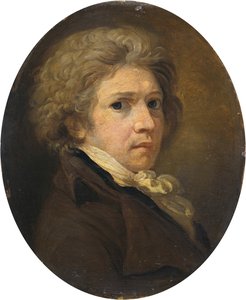
アンドレア・アッピアニ
1754 - 1817 , イタリア
基本情報
- Artistic Movement Or Style: 新古典主義
- Artists Or Movements Influenced By This Artist: ['アンドレア・アッピアニ(次世代)']
- Artists Who Influenced This Artist:
- カルロ・マリア・ジュディチ
- アントニオ・デ・ジョルジ
- マルティン・クノラー
- Date Of Birth: 1754年5月31日
- Date Of Death: 1817年11月8日
- Full Name: アンドレア・アッピアニ
- Nationality: イタリア
- Notable Artworks:
- 四人の福音書記者 フレスコ画
- パルナッソス フレスコ画
- 美徳の寓意
- Place Of Birth: イタリア、ミラノ
関連記事
至高の芸術:新古典主義を象徴する10選 – 華麗なる巨匠と時代を彩る傑作の世界
新古典主義を代表する10選!ダビッド、アンジェリカーら巨匠の傑作を紐解き、時代を超えた美と知性を探求。油絵、版画など高精細なアートプリントで、お部屋を華やかに彩りませんか?ArtsDot.comで至高の芸術を体験してください。
Serene Masterpieces: 10 Artworks for Peaceful Decor |
Find peace with 10 serene masterpieces! Explore calming landscapes by Monet & Van Gogh, tranquil Japanese art like Hokusai’s Great Wave, and more. Discover the stories behind these iconic paintings & bring museum-quality art to your home with . Explore the full collection online.

ルノワール傑作25選:光と色彩が織りなす印象派の華麗なる世界 | ArtsDot
ルノワールの傑作25選🎨 印象派の光と色彩が輝く世界へ。絵画の背景、技法、そして時代を超えて愛される理由を紐解きます。ArtsDotで高品質な複製画やインテリアアートを見つけ、お部屋に芸術的な彩りを✨ Explore the full collection online!

The Revival of Antiquity: Exploring Neoclassical Art's Ideals & Enduring Legacy
Explore the revival of classical ideals in Neoclassical art! Discover Jacques-Louis David & the movement's impact on painting, sculpture & architecture. Expert insights & high-quality reproductions at ArtsDot.
Serene Masterpieces: 10 Calming Artworks for a Peaceful Home |
Find serenity with 10 calming masterpieces by Monet, Van Gogh & more. Explore art history, color palettes & emotional impact. Museum-quality reproductions for peaceful home decor at . Discover all masterpieces on !

