

 プレビュー
プレビュー
 シェアする
シェアする シェアする
シェアする
 詳細を見る
詳細を見る

 ダウンロード
 似ている作品
 X線調査
X線調査 スライドショー
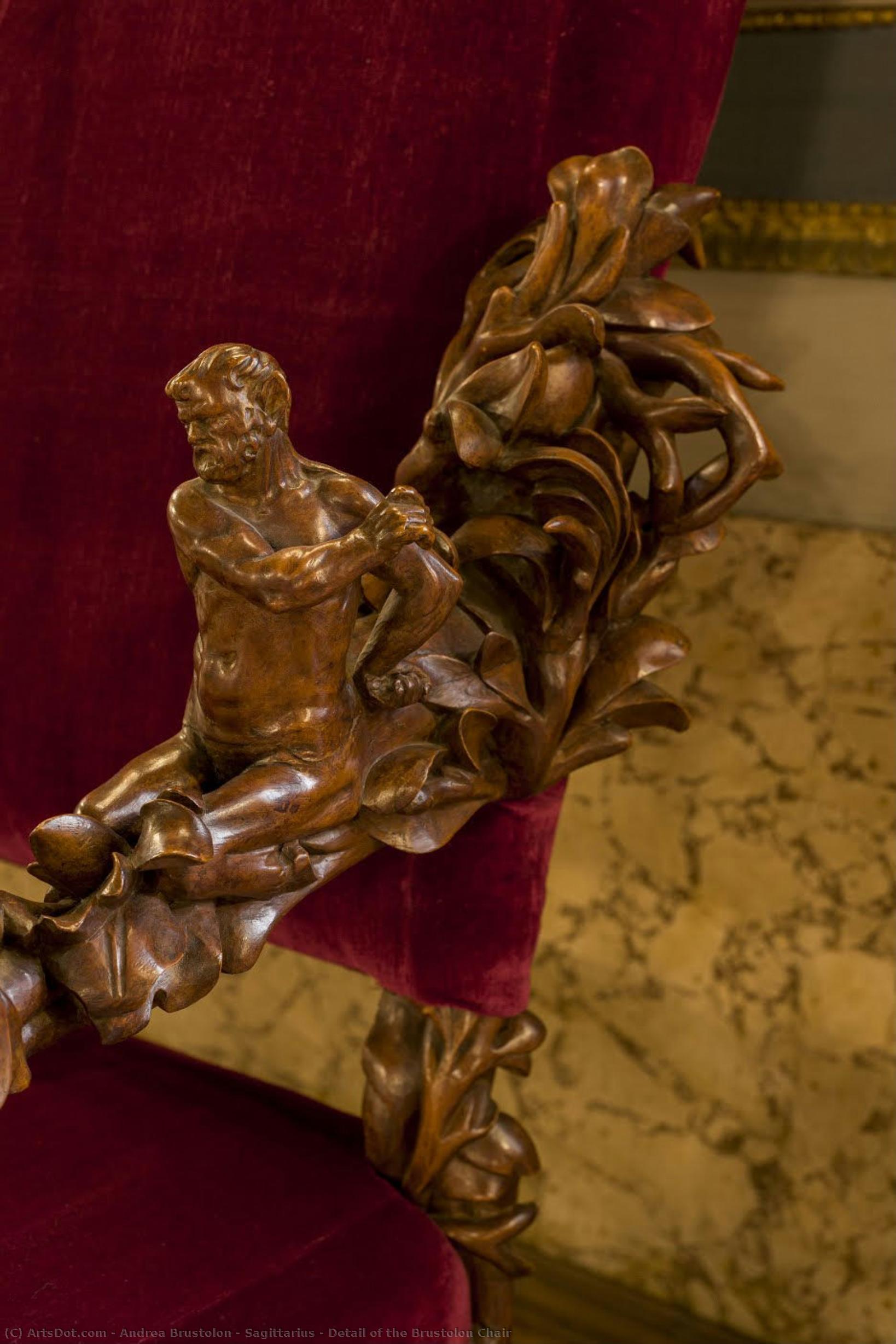
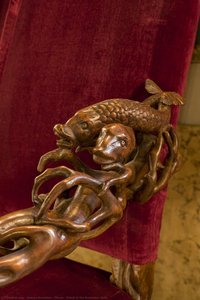
Sagittarius - Detail of the Brustolon Chair


 詳細を見る
詳細を見る
ジークレー/アートプリント
迅速な制作と多彩な仕上げオプションを備えた、ミュージアムクオリティのジークレーまたはキャンバスプリント。 ( 手描きの絵画を購入 画像を購入)




P118B $10

P118H $10

P118W $10

P438Z $10

P508JH $12

P508YH $12

P805H $10

P805Z $10

P919BZ $10

P919G $10

P919XJ $10

P959ZH $10

P968JZ $12

W106C $8

W218G $10

W218JH $8

W218Y $10

W307PJ $10

W316G $10

W316PJ $8

W316Y $10

W398PJ $8

W4111J $10

W500HY $15

W500JH $15

W692G $12

W849H $8

W940BG $15

W953PJ $8




作品のオリジナル比率に合わせた、当店の規定サイズからお選びください。

特定のフレームやスペースに合わせて、ご自身でサイズを指定することも可能です。選択されたサイズが元の画像の比率と一致しない場合、作品をトリミングするか、鏡面反射または単色での塗りつぶしによって画像を拡張いたします。制作を開始する前に、ご確認用のデジタルモックアップをお送りいたします。
画面上のプレビューには、実際のトリミングや拡張は反映されませんのでご注意ください。最終的な構図を正確に確認できるのは、モックアップのみとなります。
カスタムサイズも承っておりますが、元の比率を維持するためには、あらかじめ用意されたリストからサイズを選択することをお勧めいたします。


 ガラスオプションは、110cm未満のサイズでのみご利用いただけます。

Sagittarius - Detail of the Brustolon Chair
ジークレー/アートプリント
複製画のサイズ
-


合計金額
$ 62
Andrea Brustolon’s *Sagittarius* – A Venetian Baroque Masterpiece
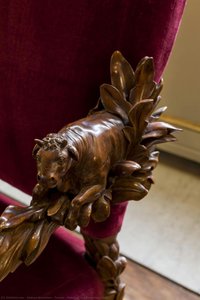
The exquisite detail of Andrea Brustolon's *Sagittarius – Detail of the Brustolon Chair*, crafted in 1700, offers a captivating glimpse into the opulent world of Venetian Baroque. This remarkable piece transcends mere furniture; it is a testament to Brustolon’s unparalleled skill as a sculptor and craftsman, embodying the grandeur and dramatic flair that defined his era. The chair itself, constructed primarily from dark mahogany and upholstered in rich red velvet, immediately evokes a sense of luxurious indulgence – a hallmark of Venetian aristocratic taste during the 18th century.
- Sculptural Narrative: At the heart of this artwork lies the powerfully rendered nude figure, a deliberate echo of classical mythology. The subject, identified as Sagittarius, aligns with the chair’s title and suggests themes of strength, dynamism, and perhaps even divine intervention – common motifs within Baroque art.
- Baroque Technique: Brustolon's mastery is evident in the incredibly detailed carving, showcasing a level of virtuosity rarely achieved. The smooth contrast between the sculpted form and the plush velvet upholstery highlights the artist’s understanding of texture and light, creating a visually arresting effect.
A Venetian Legacy – Brustolon and the Genoese Influence
Andrea Brustolon's artistic journey began in Belluno, Italy, where he absorbed the traditions of Venetian *terraferma* sculpture—a style heavily influenced by the Genoese. This early training, particularly under Filippo Parodi, provided a solid foundation before his transformative sojourn to Rome between 1678 and 1680. During this period, Brustolon was profoundly impacted by the works of Gian Lorenzo Bernini, absorbing the dramatic dynamism and emotional intensity that would become defining characteristics of his own style. This Roman influence is palpably present in the assertive pose and muscularity of the sculpted figure, a direct reflection of Bernini’s legacy.
Symbolism and Emotional Impact
More than just an object of beauty, *Sagittarius* speaks to the broader cultural currents of its time. The nude male form, a recurring motif in Baroque art, was not merely decorative; it served as a powerful symbol of human potential, strength, and even divine grace. The chair itself, with its luxurious materials and intricate design, represents status, wealth, and refined taste – qualities highly valued within Venetian society. The directional lighting further enhances the emotional impact, drawing attention to the sculpture’s form and casting dramatic shadows that heighten the sense of depth and volume.
Historical Context and Craftsmanship
Created in 1700, *Sagittarius* represents a pinnacle of Venetian Baroque craftsmanship. Wood carving and upholstery were considered highly skilled trades, requiring years of dedicated training. Brustolon’s work exemplifies this dedication, showcasing not only technical proficiency but also an artistic sensibility that elevated the chair to a true work of art. This piece offers a tangible connection to a vibrant period in European history, inviting viewers to contemplate the beauty, power, and symbolism of the Venetian Baroque.
関連作品
アーティストの略歴
The Sculptor of Myth and Majesty: The Life of Andrea Brustolon
Andrea Brustolon (1662–1732) stands as a pivotal figure in the Venetian Baroque, an artist whose mastery of wood carving elevated furnishings and devotional sculptures to breathtaking levels of artistry. Born in Belluno, Italy, he honed his skills within a robust local tradition rooted in Genoese influence—specifically under Filippo Parodi—establishing himself firmly at Padua and Venice by 1677. This formative period instilled him with the stylistic sensibilities of Bernini and his contemporaries, shaping a distinctive approach to sculpture that blended the tactile warmth of wood with the theatrical grandeur of stone.
Brustolon’s initial artistic education took place in Belluno, where he absorbed the traditions of Venetian terraferma sculpture. However, recognizing the importance of broadening his horizons, he traveled to Rome between 1678 and 1680, immersing himself in the grandeur of Bernini's oeuvre. This exposure profoundly impacted his style, fostering an appreciation for dynamic composition and theatrical gesture—elements that would become hallmarks of his subsequent work. The influence of Bernini’s Baldacchino at St. Peter’s Basilica is palpable in Brustolon’s later sculptures, demonstrating a conscious effort to emulate the monumental scale and expressive power of Rome's most celebrated sculptor.
A Master of Venetian Opulence and Craftsmanship
Returning to Venice in 1680, Brustolon quickly established himself as a prolific workshop director, employing numerous assistants to fulfill commissions across the city. His work became synonymous with the height of Venetian luxury, particularly within the Venetian ghetto and at the Scuola Levantina. His involvement with the synagogue on the piano nobile exemplifies his commitment to crafting exceptional pieces for religious spaces; the sculpted bimah, supported by solomonic columns inspired by Bernini’s Cathedra Petri, stands as a testament to his artistic vision. Furthermore, Brustolon's collaborations with prominent families like the Pisani and Correr ensured that his name was etched into the very fabric of Venetian aristocratic life.
The true genius of Brustolon lay in his ability to transform functional objects into narrative masterpieces. His furniture was never merely utilitarian; it was a stage for mythological drama. Notable examples of his extraordinary skill include:
- The Brustolon Chair: An opulent masterpiece from 1700, featuring rich red velvet upholstery and a stunning mural backdrop adorned with avian motifs, showcasing the seamless integration of sculpture and decorative arts.
- Celestial Details: His work often featured intricate zodiacal carvings, such as the dramatic Sagittarius and Scorpio details found on his chairs, where wood is carved with such precision that it mimics the fluid movement of living creatures.
- Blackamoor Motifs: A hallmark of his period, these complex figures demonstrate his ability to handle high-contrast textures and allegorical themes through intricate wood carving.
Legacy of the Baroque Woodcarver
Brustolon’s legacy is defined by a rare synthesis of technical virtuosity and emotional intensity. By treating wood with the same reverence and complexity as marble, he pushed the boundaries of what was possible in decorative arts. His ability to weave together classical elegance, astrological symbolism, and the dramatic tension of the Baroque era created a unique aesthetic that remains unparalleled. Today, his surviving works—found in prestigious collections and historic Venetian palaces like Ca' Rezzonico—serve as enduring reminders of an era when art, furniture, and myth were inextricably linked in a single, breathtaking expression of human creativity.
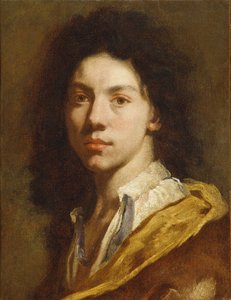
Andrea Brustolon
1662 - 1732 , Italy
基本情報
- Artistic Movement Or Style: Baroque Sculpture
- Artists Or Movements Influenced By This Artist: ['Grimling Gibbons']
- Artists Who Influenced This Artist:
- Bernini
- Filippo Parodi
- Date Of Birth: 1662
- Full Name: Andrea Brustolon
- Nationality: Italian
- Notable Artworks:
- Sagittarius Chair
- Pisces Chair
- Taurus Chair
- Place Of Birth: Belluno, Italy
関連記事

バロックのドラマ:現代のインテリアに壮麗さと情感を取り込む
バロック様式の歴史、絵画、家具の魅力をご紹介。ArtsDotでは、高品質な油絵複製やカスタムポートレートをご提供し、現代のインテリアに壮麗さと情感を取り入れます。アートコンサルテーションも承ります。

The Dramatic Flourish: Exploring the Baroque Movement's Enduring Legacy in Art History
Explore the dramatic world of Baroque art! Discover iconic artists like Caravaggio & Rubens, defining techniques, and its lasting impact on art history. Expert insights for collectors & enthusiasts at ArtsDot.

バロック美術を極めた至宝:時代を彩る10大名作の世界
バロック美術の華!カラヴァッジョ、ベルニーニら巨匠が創り上げた10大名作を徹底解剖。ドラマチックな色彩と豪華絢爛の世界観に触れ、至宝のアートプリントで空間を彩ろう。ArtsDot.comで美術館品質の複製と洗練されたインテリアを見つけましょう!

The Visceral Stage: Exploring Dramatic Narratives & Emotional Intensity in Baroque Art
Explore the dramatic world of Baroque art! Discover iconic masters like Caravaggio & Rembrandt, their techniques, and the movement's lasting impact. Expert insights for collectors & enthusiasts at ArtsDot.
Simon Vouet: A Baroque Master's Journey from Italian Influence to French Classicism
Explore the life & art of Simon Vouet, a pivotal French Baroque painter who introduced Italian styles to France. Discover his masterpieces and lasting influence on 17th-century art.

