

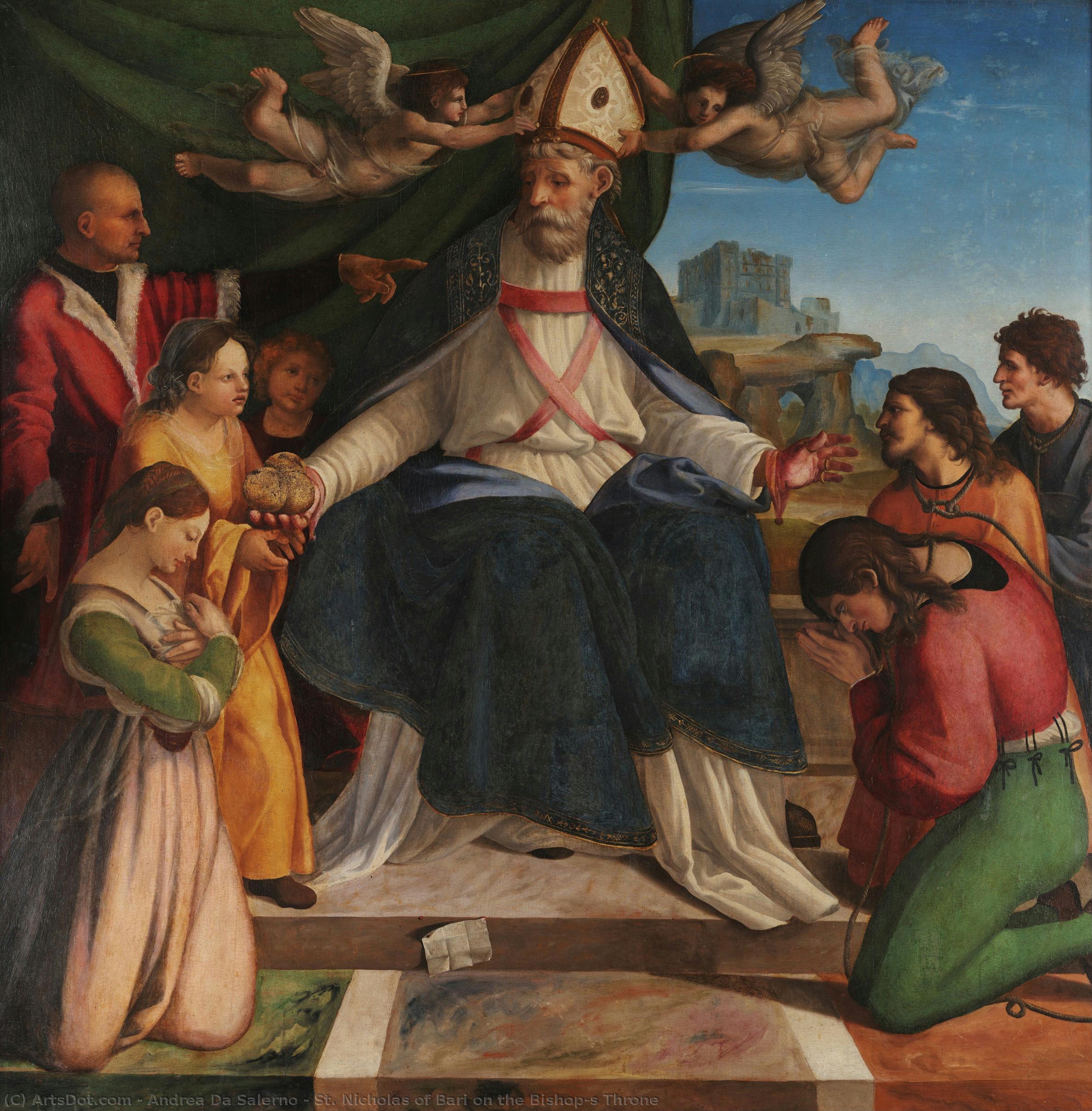
 プレビュー
プレビュー
 シェアする
シェアする シェアする
シェアする
 詳細を見る
詳細を見る

 ダウンロード
 似ている作品
 X線調査
X線調査 スライドショー
 Stats
StatsSt. Nicholas of Bari on the Bishop’s Throne


 詳細を見る
詳細を見る
オンラインプレビューをはるかに凌ぐ、高解像度で鮮明なデジタル画像をご購入いただけます。
各ファイルは、社内の専門家が高度なツールと熟練した手作業によるレタッチを用いて、細心の注意を払って準備されています。すべての画像において、卓越した鮮明度、正確な色彩再現性、そして繊細なディテールを保証いたします。
最終ファイルは、プロフェッショナルな編集・印刷環境ですぐにご利用いただけるよう最適化された状態で、72時間以内にメールにてお届けいたします。これは、一流のデザインスタジオ、出版社、ギャラリーから信頼されているものと同等の品質です。
デジタルアート
個人での鑑賞、印刷、クリエイティブなプロジェクト用に、高解像度ファイルをダウンロードできます。 ( Switch to Print 手描きの絵画を購入)
デジタル画像のご注文に付随する特典
高品質なデジタル画像配信を、確かな品質で。
ArtsDot.com を選ぶことは、単に画像を手に入れることではありません。それは、プロの手によって精密に仕上げられ、満足保証が付いた高品質なデジタルアートワークを受け取ることを意味します。ご注文いただいた際に自動的に付随する内容は、以下の通りです:

メールですぐにお届け
ご注文から72時間以内に、高解像度のデジタル画像ファイルがメールでお手元に届きます。すぐにそのままご利用いただけます。

AI技術で最適化されたデジタルファイル
お客様の作品は、高度なAIツールと専門家による手作業の編集を組み合わせてプロフェッショナルに最適化されており、細部のディテール、鮮明さ、そして正確な色再現性を最大限に引き出しています。

一生涯無料の再送サービス
ファイルを誤って削除したり、紛失してしまったりしましたか?ご安心ください。いつでも無料で再送いたします。

輸入手数料は一切かかりません
関税や手数料、配送料を気にすることなく、お気に入りのアートワークをすぐにお楽しみいただけます。デジタルダウンロードは常に免税です。

色彩再現の保証
プロ仕様のツールとカラーマネジメント技術を用いることで、デジタル画像が元の色を最大限に忠実に再現することを保証いたします。

100日間満足保証
ご購入いただいたデジタル画像にご満足いただけない場合は、100日以内であれば、理由を問わず修正または100%の返金対応をさせていただきます。

100% 返金保証
ご満足いただけない場合は、デジタルファイルを受け取ってから100日以内であれば、理由を問わず全額返金いたします。

まとめ買い割引
3枚購入で10%OFF - 5枚購入で15%OFF - 10枚以上購入で20%OFF。クリエイティブなプロジェクト、ギャラリー、エージェンシーに最適です。
A Vision of Charity and Divine Grace
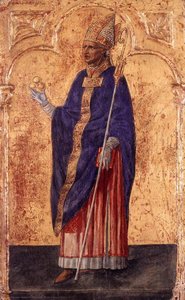
Andrea da Salerno's “St. Nicholas of Bari on the Bishop’s Throne” is more than just a religious painting; it’s a meticulously crafted tableau vivant, brimming with narrative depth and imbued with the humanist spirit of early 16th-century Italy. Painted around 1514-16, this work stands as a pivotal piece in the artist's burgeoning career, marking his close collaboration with the Benedictine monastery of Montecassino – a partnership that profoundly shaped his artistic development. The scene unfolds within a richly detailed interior, dominated by the imposing figure of St. Nicholas himself, seated regally upon a bishop’s throne, an emblem of both earthly authority and divine grace. His posture is one of quiet contemplation, hands folded in prayer, radiating an aura of benevolent power.
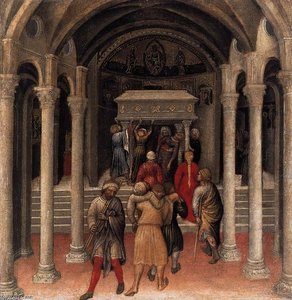
The composition is carefully orchestrated to draw the viewer's eye through a series of interconnected vignettes. On the left, we witness the saint’s legendary act of charity towards three impoverished daughters, their future secured by the bestowal of golden purses – a potent symbol of hope and redemption. To the right, St. Nicholas intervenes in the fate of three unjustly condemned men, sparing them from execution through his divine intervention. This dual narrative highlights the saint's role as both a protector of the vulnerable and a champion of justice, themes deeply resonant with the moral concerns of the era.
Renaissance Techniques and Artistic Influences
Andrea da Salerno’s mastery is evident in the painting’s meticulous execution. He skillfully employs *sfumato*, a technique perfected by Raphael himself, to create soft transitions between light and shadow, lending an ethereal quality to the figures and drapery. The colors are rich and vibrant – deep reds, blues, and golds dominate the palette, reflecting the opulence of the Renaissance court while simultaneously conveying a sense of solemnity and reverence. Notice particularly the intricate detailing in the fabrics, the delicate rendering of the angels’ wings, and the expressive faces of the figures depicted. The influence of Raphael is undeniable, particularly in the balanced composition and the idealized portrayal of St. Nicholas – a deliberate homage to his artistic mentor.
Furthermore, the painting demonstrates a clear debt to Raphael's “Madonna delle Pesche,” a work that served as a visual model for Andrea da Salerno. The arrangement of figures, the use of pyramidal composition, and the overall sense of harmony are all reminiscent of Raphael’s masterpiece. However, Andrea subtly adapts these influences, imbuing the scene with his own distinct artistic voice – a synthesis of Neapolitan tradition and Roman innovation.
Symbolism and Historical Context
Beyond its aesthetic beauty, “St. Nicholas of Bari on the Bishop’s Throne” is rich in symbolic meaning. St. Nicholas himself represents charity, justice, and divine mercy—qualities highly valued during the Renaissance. The golden purses symbolize not only material wealth but also spiritual salvation. The presence of angels underscores the saint's connection to the divine realm, while the condemned men represent humanity’s need for redemption. Painted in a period marked by political instability and religious reform, the work reflects the era’s preoccupation with morality, faith, and the role of saints as intermediaries between God and humankind.
Interestingly, the painting's genesis is intertwined with the history of Bari itself – a city renowned for its veneration of St. Nicholas, whose relics were brought there in 1087. The Benedictine monastery of Montecassino, a prominent center of learning and artistic patronage, played a crucial role in fostering Andrea da Salerno’s development, providing him with access to resources and inspiration. This connection to the monastic tradition further enriches the painting's symbolic significance.
A Timeless Testament to Human Values
“St. Nicholas of Bari on the Bishop’s Throne” remains a powerful testament to the enduring values of charity, justice, and faith. Its meticulous detail, vibrant colors, and compelling narrative continue to captivate viewers centuries after its creation. Whether admired as a work of art or appreciated for its historical and religious significance, this painting offers a profound glimpse into the artistic and intellectual landscape of Renaissance Italy – a world where beauty, spirituality, and human compassion converged in extraordinary ways.
関連作品

作家の略歴
Andrea da Salerno: A Renaissance Echo of Raphael
Andrea da Salerno, also known as Andrea Sabbatini, stands as a compelling figure within the vibrant tapestry of 16th-century Italian art. Born in Salerno, Italy, around 1487 and tragically passing between November 1530 and May 1531, his life was marked by an intense artistic apprenticeship and a profound connection to the legacy of Raphael. While initially trained under Raimondo Epifanio in Naples, it was his relocation to Rome that truly shaped his trajectory, forging a close bond with the master painter himself – a relationship that indelibly influenced his style and output. His work represents a fascinating synthesis of Neapolitan artistic traditions and the burgeoning Mannerist innovations sweeping through the Roman art world.Early Training and the Influence of Naples
Andrea’s early artistic education took place in Salerno, a city steeped in history and renowned for its medical school and rich cultural heritage. While details of his formative years are somewhat sparse, it's understood that he received a solid grounding in traditional Italian painting techniques. His mentor, Raimondo Epifanio, was a respected artist known for his frescoes and panel paintings, providing Andrea with the foundational skills necessary to develop his own unique voice. Naples during this period was experiencing a flourishing of artistic activity, influenced by both Byzantine traditions and emerging Renaissance ideals. This environment undoubtedly contributed to Andrea’s early development, exposing him to diverse styles and techniques.A Disciple of Raphael: Style and Technique
Andrea's most significant artistic connection was undeniably with Raphael. Moving to Rome around 1506, he immersed himself in the master’s studio, absorbing not just his technical prowess but also his philosophical approach to art. Raphael’s influence is immediately apparent in Andrea’s work – a harmonious blend of classical grace, balanced compositions, and an exquisite attention to detail. However, Andrea didn't simply mimic Raphael; he skillfully adapted the master’s style to his own sensibilities, incorporating elements of Neapolitan artistic tradition and developing a distinctive Mannerist flair. His use of color is particularly noteworthy—vibrant yet carefully modulated, creating a sense of luminous depth and atmospheric perspective. He frequently employed intricate details in drapery and ornamentation, hallmarks of the Mannerist movement.Notable Works and Artistic Achievements
Andrea da Salerno’s artistic output comprises a diverse collection of religious paintings and frescoes, many of which are housed in prestigious museums across Italy. Among his most celebrated works are “The Adoration of the Cross,” a dramatic composition brimming with emotional intensity; “The Seven Church Teachers,” an intricate depiction showcasing Andrea's mastery of perspective and detail; and "Madonna with Child," radiating serene beauty. A particularly striking example is “St. Nicholas of Bari on the Bishop’s Throne” (located in the Palazzo Avella di Capodimonte, Naples), which exemplifies his ability to convey both spiritual reverence and regal authority. His frescoes, notably those found in churches like Santa Maria delle Grazie and San Gennaro dei Poveri, demonstrate a remarkable command of fresco technique and a talent for creating visually stunning narratives within sacred spaces. The “Nativity” is often cited as a prime example of his assimilation of Raphael’s style, showcasing the influence of his mentor with subtle yet unmistakable elegance.Legacy and Historical Significance
Andrea da Salerno's legacy extends beyond his individual works; he represents a crucial link between the artistic traditions of Naples and Rome during the High Renaissance. His art reflects the evolving stylistic trends of the period, bridging the gap between the classical ideals championed by Raphael and the increasingly complex and emotionally charged aesthetics of Mannerism. While overshadowed somewhat by his more famous mentor, Andrea’s contributions to Italian painting are significant, particularly in the context of Naples, where he helped shape the artistic landscape of the region. His work continues to be studied and admired for its technical skill, emotional depth, and enduring beauty, serving as a testament to the transformative power of artistic apprenticeship and the lasting impact of a master’s influence. His brief but impactful career underscores the dynamic exchange of ideas that characterized the Renaissance art world.
andrea da salerno
1487 - 1530 , Italy
プロフィール概要
- Andrea Sabbatini: Date of birth": "1487, Salerno, Italy
- Artistic Movement Or Style: Renaissance
- Date Of Death: 1530
- Full Name: Andrea da Salerno”
- Nationality: Italian
- Notable Artworks:
- Adoration of the Cross”, “Seven Church Teachers”, “Madonna with Child” ], "Artists who influenced this artist": [
- Raimondo Epifanio”, “Raphael” ], "Artists or movements influenced by this artist": [
- Raphael”
- Place Of Birth: Salerno, Italy