

 プリントを購入
 シェアする
シェアする シェアする
シェアする
 詳細を見る
詳細を見る

 ダウンロード
 似ている作品
 スライドショー
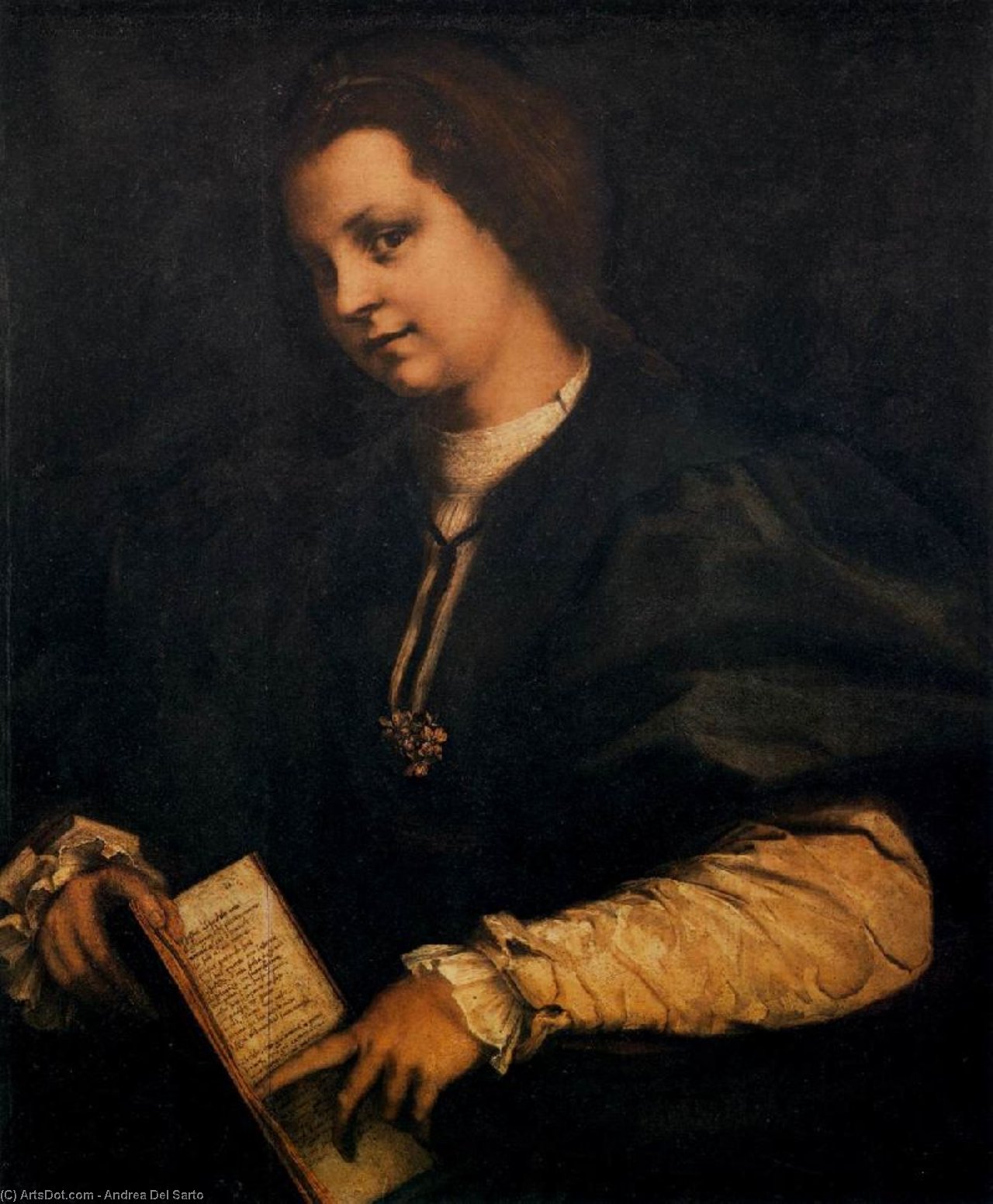
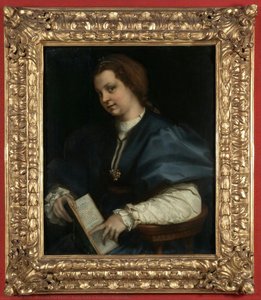
Portrait of a Lady with a Book
 Fresco
- Italian High Renaissance
 1514
1514- Renaissance
 87.0 x 69.0 cm
 ウフィツィ美術館
 詳細を見る
詳細を見る




































作品のオリジナル比率に合わせた、当店の規定サイズからお選びください。

特定のフレームやスペースに合わせて、ご希望のサイズをご入力いただけます。選択されたサイズが元の画像の比率と異なる場合、アートワークをトリミングするか、手描きで要素を追加して絵画を拡張いたします。デジタルモックアップ を制作し、制作開始前にご確認(承認)をいただきます。
画面上のプレビューは、実際のトリミングや拡張を正確に反映しているものではありません。最終的な構図は、モックアップによってのみ正確にご確認いただけます。
カスタムサイズもご利用いただけますが、元の比率を維持するためには、あらかじめ用意されたリストからサイズを選択することをお勧めいたします。
ご注文後、ArtsDot.com チームより詳細な指示をお送りするとともに、仕上がりイメージ(モックアップ)をご提供いたします。


 ガラスオプションは、110cm未満のサイズでのみご利用いただけます。

Portrait of a Lady with a Book
複製技法
複製画のサイズ
-


合計金額
$ 263
Portrait of a Lady with a Book – An Emblematic Reflection of Renaissance Intellect
The painting “Portrait of a Lady with a Book,” attributed to Andrea del Sarto, stands as an enduring testament to the artistic fervor and intellectual curiosity that characterized the High Renaissance in Florence. Completed around 1514, this monochrome fresco transcends mere visual representation; it embodies a profound symbolic dialogue between contemplation and erudition—themes central to humanist thought during the period.Subject Matter and Composition
At its core lies a captivating depiction of a woman seated gracefully, her gaze unwavering as she holds aloft a book in her right hand. The positioning is deliberate, conveying an aura of serene concentration. While seemingly simple in form, the composition skillfully employs geometric principles—particularly the pyramidal structure—to create stability and visual harmony. Two additional figures occupy the background, subtly reinforcing the narrative framework without distracting from the central subject’s expressive power. These individuals likely represent attendants or companions, furthering the impression of a refined domestic setting.Style and Technique – Grisaille Mastery
Del Sarto's masterful execution is evident in his unwavering commitment to grisaille—a technique employing monochrome pigments (typically shades of grey) overlaid on toned plaster. This method demanded exceptional precision and patience from the artist, necessitating meticulous layering and blending to achieve nuanced tonal gradations. Unlike vibrant color palettes favored by earlier Renaissance painters, grisaille prioritized capturing light and shadow with remarkable accuracy, mirroring the humanist preoccupation with observing nature’s subtleties. The resulting image possesses a haunting beauty—a testament to del Sarto's ability to convey emotion through subtle shading alone.Historical Context – Humanism and Artistic Patronage
The painting emerged during a pivotal moment in European history—the blossoming of humanism, spearheaded by thinkers like leonardo da vinci and giorgio vasari. This intellectual movement championed reason and observation as pathways to understanding the human condition, influencing artistic endeavors across disciplines. The fresco was commissioned by zanobi strozzi, a wealthy Florentine aristocrat who served as a fervent advocate for humanist ideals. Strozzi’s patronage exemplifies the broader cultural landscape of the time—one where art functioned not merely as decoration but as vehicle for conveying philosophical concepts and moral virtues.Symbolism – Beyond Appearance
The book itself is laden with symbolic significance, representing knowledge, wisdom, and spiritual contemplation. Its placement in the woman's hand underscores her intellectual engagement and reinforces the painting’s overarching theme. The lady’s serene expression speaks to inner peace—a characteristic valued by humanist philosophers who believed that cultivating virtue was essential for achieving happiness. Furthermore, the muted palette contributes to the artwork’s emotional impact—creating a contemplative atmosphere that invites viewers to reflect on themes of introspection and intellectual pursuit.Emotional Impact – A Timeless Appeal
“Portrait of a Lady with a Book” continues to resonate powerfully with audiences today due to its ability to evoke feelings of serenity, contemplation, and admiration for human intellect. Its understated elegance—coupled with the masterful execution of grisaille—makes it an exceptional exemplar of Renaissance art. Reproductions of this iconic fresco offer collectors and interior designers alike the opportunity to experience firsthand the enduring beauty and intellectual depth of a masterpiece that transcends temporal boundaries.関連作品
アーティストの略歴
生い立ちと修行時代
アンドレア・デル・サルトは、イタリア盛期ルネサンスを代表する巨匠の一人として、1486年7月16日、フィレンツェ近郊のグアルフォンダにその生を受けた。彼の芸術への道のりは、まず金細工師の弟子となることから始まり、その後、画家であり木彫家でもあったジャン・バーレの指導のもとで研鑽を積んだ。さらに年月を重ねるにつれ、ピエロ・ディ・コジモやラッファエッリーノ・デル・ガルボといった優れた芸術家たちとの交流を通じて、その才能を磨き上げていったのである。芸術的キャリア
アンドレアの芸術人生における重要な転換点となったのは、フランチャビージョとの共同作業であった。彼らはフィレンツェのスカルツォ修道会のために『キリストの洗礼』を手掛け、これが後の、グリザイユ(単色画)を用いた長大なフレスコ画シリーズの幕開けとなった。時が流れるとともに、アンドレアは独自のスタイルを確立させ、1508年には医師・薬種商組合(アルテ・デイ・メディキ・エ・デッリ・スペツィアーリ)の一員となるほど、その地位を確固たるものにした。代表作と依頼作品
- 『聖家族』。ザノビ・ストロッツィがロヴェッツァーノの別荘の礼拝堂のために依頼した傑作であり、現在はイタリア・ローマの国立古代美術ギャラリー(パラッツォ・バルベリーニ)に収蔵されている。
- アンドレア・デル・サルトによる『最後の晩餐』。40平方メートルを超える広大な面積に、イエスと弟子たちの姿を描き出したフレスコ画であり、フィレンツェのアンドレア・デル・サルト最後の晩餐美術館に展示されている。
- 『サン・フィリッポ・ベニッツィの奇跡の物語』。ロッジア・デイ・セルヴィ・ディ・マリアのために制作された一連のフレスコ画で、初期のグリザイユ技法における彼の卓越した技術を今に伝えている。
遺産と影響
レオナルド・ダ・ヴィンチ、ミケランジェロ、ラファエロといった同時代の偉大な巨匠たちの影に隠れがちではあるものの、アンドレア・デル・サルトの作品は、盛期ルネサンスとマニエリスムが見事に融合した独自の美学を湛えている。彼が遺した数々の作品は、画家、装飾家、肖像画家、そして色彩の魔術師としての彼の卓越した技量の証であり、その芸術的遺産は今なお色褪せることはない。ArtsDotでアンドレア・デル・サルトのさらなる作品を鑑賞する: [https://ArtsDot.com/@/andrea del sarto](https://ArtsDot.com/@/andrea-del-sarto) ArtsDotで国立古代美術ギャラリー(パラッツォ・バルベリーニ)のコレクションを探索する: /ja/art/show/art-d3afwr-ja/ Wikipediaでアンドレア・デル・サルトの生涯と作品について詳しく読む: [https://fr.wikipedia.org/wiki/andrea_del_sarto](https://fr.wikipedia.org/wiki/andrea_del_sarto)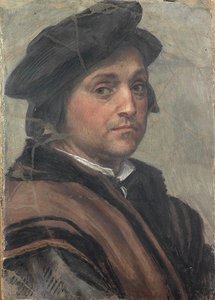
アンドレア・デル・サルト
1486 - 1530 , イタリア
基本情報
- Artistic Movement Or Style: ルネサンス & マニエリスム
- Artists Or Movements Influenced By This Artist: ['ジョルジョ・ヴァザーリ']
- Artists Who Influenced This Artist:
- レオナルド・ダ・ヴィンチ
- ラファエル
- ジャン・バッリレ
- Date Of Birth: 1486年7月16日
- Date Of Death: 1530年9月29日
- Full Name: アンドレア・ダニエロ・ディ・フランチェスコ・ディ・ルカ
- Nationality: イタリア人
- Notable Artworks (List Of Titles):
- 最後の晩餐
- 聖家族
- 洗礼者ヨハネ
- Place Of Birth (City And Country): イタリア、フィレンツェ
関連記事
Andrea del Sarto: Florentine Grace, Technical Mastery & Artistic Ambition
Explore the life & art of Andrea del Sarto, a Florentine Renaissance master renowned for harmonious compositions & technical brilliance. Discover his frescoes, portraits, and lasting influence on art history.
プラド美術館の至宝25選:名画が語るスペイン美術史 | ArtsDot
プラド美術館の至宝25選🎨 ベルラスケス、ゴヤの名画を紐解き、スペイン美術史を旅する。油絵、バロック、印象派…ArtsDotで高品質な複製画とインテリアアートを見つけよう。名画の世界をあなたの空間に✨ Explore the full collection online!
Cecco del Caravaggio: Rediscovering the Shadowy Genius of Francesco Buoneri
Explore the captivating world of Cecco del Caravaggio (Francesco Buoneri), a pivotal Baroque artist. Discover his dramatic realism, mysterious life, and lasting legacy with ArtsDot's expert analysis.
The Flourishing of Humanity: Artistic Representations of Humanist Ideals from the Renaissance to Modernity
Explore the profound impact of Humanism on Renaissance art! Discover key artists, iconic paintings & philosophical themes shaping Western art history. Expert analysis and high-quality reproductions at ArtsDot.
Sebastiano del Piombo: Bridging Venetian Colorism & Roman Grand Manner Portraiture
Explore the captivating art of Sebastiano del Piombo, a Renaissance master bridging Venetian colorism & Roman grandeur. Discover his iconic portraits and lasting influence on art history. Learn more at ArtsDot.

