

 プレビュー
プレビュー
 プリントを購入
 シェアする
シェアする シェアする
シェアする
 詳細を見る
詳細を見る

 ダウンロード
 似ている作品
 X線調査
X線調査 スライドショー
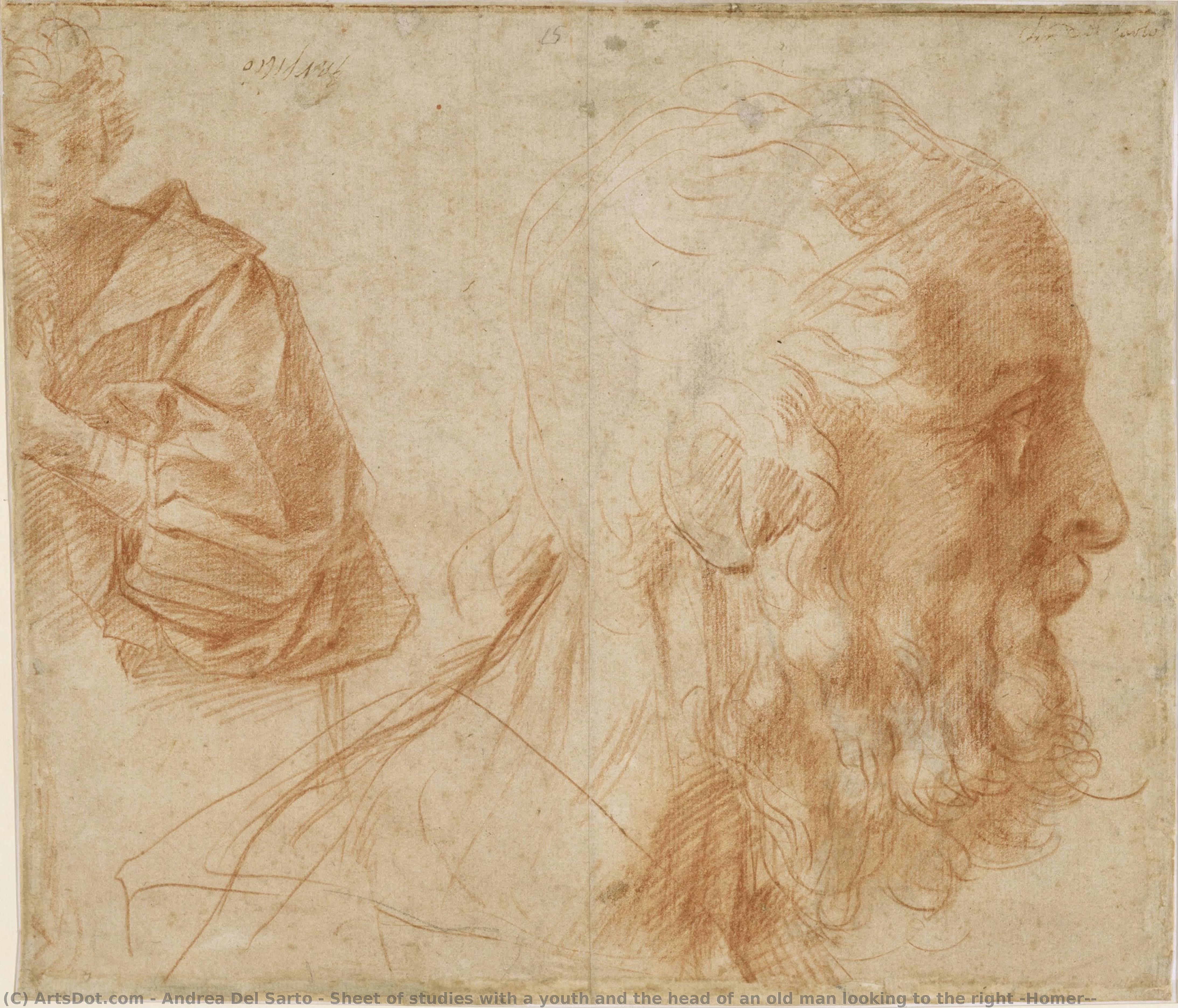
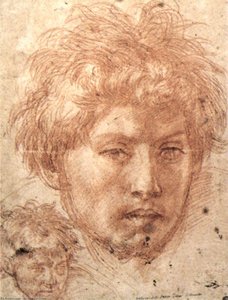
Sheet of studies with a youth and the head of an old man looking to the right (Homer?)
 Acrylic On Paper
- Renaissance
 27.0 x 23.0 cm
 クーパーシュチッヒカビネット
 詳細を見る
詳細を見る




P118B $10

P118H $10

P118W $10

P438Z $10

P508JH $12

P508YH $12

P805H $10

P805Z $10

P919BZ $10

P919G $10

P919XJ $10

P959ZH $10

P968JZ $12

W106C $8

W218G $10

W218JH $8

W218Y $10

W307PJ $10

W316G $10

W316PJ $8

W316Y $10

W398PJ $8

W4111J $10

W500HY $15

W500JH $15

W692G $12

W849H $8

W940BG $15

W953PJ $8




作品のオリジナル比率に合わせた、当店の規定サイズからお選びください。

特定のフレームやスペースに合わせて、ご希望のサイズをご入力いただけます。選択されたサイズが元の画像の比率と異なる場合、アートワークをトリミングするか、手描きで要素を追加して絵画を拡張いたします。デジタルモックアップ を制作し、制作開始前にご確認(承認)をいただきます。
画面上のプレビューは、実際のトリミングや拡張を正確に反映しているものではありません。最終的な構図は、モックアップによってのみ正確にご確認いただけます。
カスタムサイズもご利用いただけますが、元の比率を維持するためには、あらかじめ用意されたリストからサイズを選択することをお勧めいたします。
ご注文後、ArtsDot.com チームより詳細な指示をお送りするとともに、仕上がりイメージ(モックアップ)をご提供いたします。


 ガラスオプションは、110cm未満のサイズでのみご利用いただけます。

Sheet of studies with a youth and the head of an old man looking to the right (Homer?)
複製技法
複製画のサイズ
-


合計金額
$ 288
A Study in Renaissance Observation: Del Sarto’s Heads
This captivating sheet of studies by Andrea del Sarto offers a rare glimpse into the artistic process of a High Renaissance master. Executed in rich brown ink on aged paper (measuring 27 x 23 cm), the work presents two distinct yet interconnected explorations of the human head – a youthful figure and, more strikingly, an older man believed to be inspired by a Hellenistic bust of Homer. Del Sarto wasn’t aiming for precise replication; rather, he used the ancient sculpture as a springboard for his own artistic interpretation, imbuing it with a vitality absent in the cold marble original. The casual rendering of hair and beard, coupled with subtle shading, transforms the stoic form into a living, breathing presence.Technique & Style: Bridging Antiquity and Renaissance
Del Sarto’s mastery is evident in his skillful use of ink and hatching techniques. Linearity dominates, with delicate lines building volume and defining form through nuanced shading. The artist demonstrates a profound understanding of anatomy and light, creating a convincing sense of three-dimensionality on the two-dimensional surface. This work exemplifies Renaissance drawing practices – an emphasis on realism, anatomical accuracy, and meticulous observation. However, it also hints at the stylistic shifts towards Manierism, visible in the expressive handling of features and the subtle departure from strict classical ideals. The texture achieved through ink on paper adds to the artwork’s antique charm and invites close inspection.Historical Context & Artistic Lineage
Born in Florence in 1486, Andrea del Sarto flourished during a period of immense artistic innovation. Trained initially as an orfèvre before turning to painting, he absorbed influences from masters like Piero di Cosimo and Raffaellino del Garbo. He became known for his harmonious compositions and graceful figures, bridging the High Renaissance with the emerging Mannerist style. This sheet of studies likely served as preparation for larger fresco projects – a common practice among Renaissance artists. The deliberate study of classical forms, such as the Homer bust, reflects the ongoing fascination with antiquity that fueled artistic development during this era. Del Sarto’s work can be seen today at the Cenacolo di Andrea del Sarto, housed within the San Salvi Monastery in Florence – a testament to his enduring legacy.Symbolism & Emotional Resonance
The juxtaposition of youth and age within this single sheet is particularly compelling. It invites contemplation on themes of time, mortality, and the cyclical nature of life. The aged figure, potentially representing Homer—the legendary poet—suggests wisdom, experience, and the enduring power of storytelling. Del Sarto’s choice to focus on the head, rather than the full figure, emphasizes intellectual and emotional depth. While a study for future works, it stands alone as a powerful expression of artistic exploration and human observation, evoking a sense of quiet contemplation and timeless beauty. The work's intimate scale and personal quality make it an ideal piece for collectors seeking a connection to the Renaissance masters or interior designers looking to add a touch of historical sophistication to their projects.関連作品

アーティストの略歴
生い立ちと修行時代
アンドレア・デル・サルトは、イタリア盛期ルネサンスを代表する巨匠の一人として、1486年7月16日、フィレンツェ近郊のグアルフォンダにその生を受けた。彼の芸術への道のりは、まず金細工師の弟子となることから始まり、その後、画家であり木彫家でもあったジャン・バーレの指導のもとで研鑽を積んだ。さらに年月を重ねるにつれ、ピエロ・ディ・コジモやラッファエッリーノ・デル・ガルボといった優れた芸術家たちとの交流を通じて、その才能を磨き上げていったのである。芸術的キャリア
アンドレアの芸術人生における重要な転換点となったのは、フランチャビージョとの共同作業であった。彼らはフィレンツェのスカルツォ修道会のために『キリストの洗礼』を手掛け、これが後の、グリザイユ(単色画)を用いた長大なフレスコ画シリーズの幕開けとなった。時が流れるとともに、アンドレアは独自のスタイルを確立させ、1508年には医師・薬種商組合(アルテ・デイ・メディキ・エ・デッリ・スペツィアーリ)の一員となるほど、その地位を確固たるものにした。代表作と依頼作品
- 『聖家族』。ザノビ・ストロッツィがロヴェッツァーノの別荘の礼拝堂のために依頼した傑作であり、現在はイタリア・ローマの国立古代美術ギャラリー(パラッツォ・バルベリーニ)に収蔵されている。
- アンドレア・デル・サルトによる『最後の晩餐』。40平方メートルを超える広大な面積に、イエスと弟子たちの姿を描き出したフレスコ画であり、フィレンツェのアンドレア・デル・サルト最後の晩餐美術館に展示されている。
- 『サン・フィリッポ・ベニッツィの奇跡の物語』。ロッジア・デイ・セルヴィ・ディ・マリアのために制作された一連のフレスコ画で、初期のグリザイユ技法における彼の卓越した技術を今に伝えている。
遺産と影響
レオナルド・ダ・ヴィンチ、ミケランジェロ、ラファエロといった同時代の偉大な巨匠たちの影に隠れがちではあるものの、アンドレア・デル・サルトの作品は、盛期ルネサンスとマニエリスムが見事に融合した独自の美学を湛えている。彼が遺した数々の作品は、画家、装飾家、肖像画家、そして色彩の魔術師としての彼の卓越した技量の証であり、その芸術的遺産は今なお色褪せることはない。ArtsDotでアンドレア・デル・サルトのさらなる作品を鑑賞する: [https://ArtsDot.com/@/andrea del sarto](https://ArtsDot.com/@/andrea-del-sarto) ArtsDotで国立古代美術ギャラリー(パラッツォ・バルベリーニ)のコレクションを探索する: /ja/art/show/art-d3afwr-ja/ Wikipediaでアンドレア・デル・サルトの生涯と作品について詳しく読む: [https://fr.wikipedia.org/wiki/andrea_del_sarto](https://fr.wikipedia.org/wiki/andrea_del_sarto)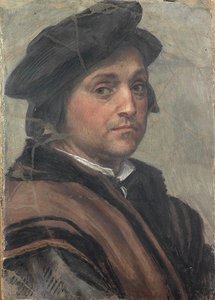
アンドレア・デル・サルト
1486 - 1530 , イタリア
基本情報
- Artistic Movement Or Style: ルネサンス & マニエリスム
- Artists Or Movements Influenced By This Artist: ['ジョルジョ・ヴァザーリ']
- Artists Who Influenced This Artist:
- レオナルド・ダ・ヴィンチ
- ラファエル
- ジャン・バッリレ
- Date Of Birth: 1486年7月16日
- Date Of Death: 1530年9月29日
- Full Name: アンドレア・ダニエロ・ディ・フランチェスコ・ディ・ルカ
- Nationality: イタリア人
- Notable Artworks (List Of Titles):
- 最後の晩餐
- 聖家族
- 洗礼者ヨハネ
- Place Of Birth (City And Country): イタリア、フィレンツェ
関連記事
Andrea del Sarto: Florentine Grace, Technical Mastery & Artistic Ambition
Explore the life & art of Andrea del Sarto, a Florentine Renaissance master renowned for harmonious compositions & technical brilliance. Discover his frescoes, portraits, and lasting influence on art history.

レオナルド・ダ・ヴィンチ:至高の25選 - 芸術、科学、そして不朽の名作の世界
レオナルド・ダ・ヴィンチの至宝25選。モナリザ、最後の晩餐…ルネサンス美術を代表する名画の世界へ。芸術史、技法、そして感動の物語を紐解き、お部屋に飾る高級複製画で特別な空間を。ArtsDot.comで全コレクションをご覧ください。
The Nuances of Graphite: Exploring Emotional Depth & Technical Mastery in Pencil Drawing
Explore the captivating world of graphite drawing! Discover its rich history, master essential techniques like chiaroscuro, and learn how artists evoke emotion through this timeless medium. Expert insights for art enthusiasts.
Frederick Bridgman: Anatomical Mastery & the Evolution of Figure Drawing Instruction
Explore the anatomical mastery of George B. Bridgman & his revolutionary figure drawing techniques. Discover how his methods transformed art instruction and continue to inspire artists today. Learn more at ArtsDot.

The Eloquent Line: Exploring the Artistic Significance of Sketches Across Movements and Media
Explore the profound artistic significance of sketches throughout history. From Renaissance masters to modern innovators like Van Gogh & Guston, discover how these foundational works reveal technique, emotion, and vision. Learn more at ArtsDot.

