

 プレビュー
プレビュー
 プリントを購入
 シェアする
シェアする シェアする
シェアする
 詳細を見る
詳細を見る

 ダウンロード
 似ている作品
 X線調査
X線調査 スライドショー
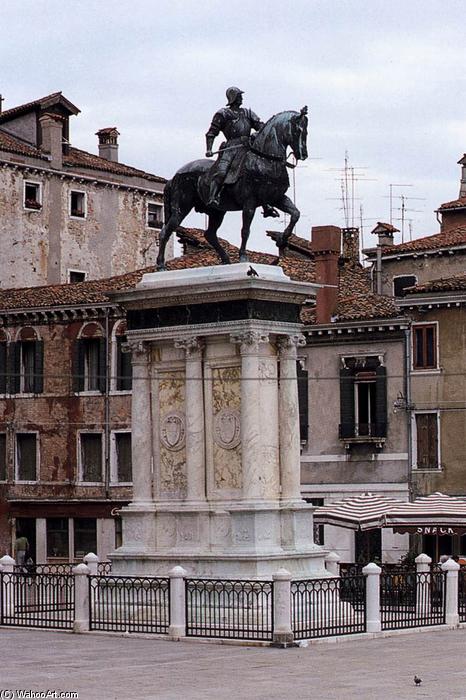
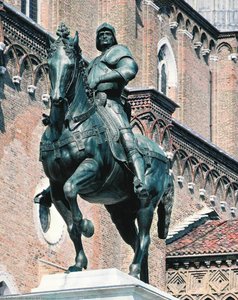
Equestrian Statue of Colleoni


 詳細を見る
詳細を見る




P118B $10

P118H $10

P118W $10

P438Z $10

P508JH $12

P508YH $12

P805H $10

P805Z $10

P919BZ $10

P919G $10

P919XJ $10

P959ZH $10

P968JZ $12

W106C $8

W218G $10

W218JH $8

W218Y $10

W307PJ $10

W316G $10

W316PJ $8

W316Y $10

W398PJ $8

W4111J $10

W500HY $15

W500JH $15

W692G $12

W849H $8

W940BG $15

W953PJ $8




作品のオリジナル比率に合わせた、当店の規定サイズからお選びください。

特定のフレームやスペースに合わせて、ご希望のサイズをご入力いただけます。選択されたサイズが元の画像の比率と異なる場合、アートワークをトリミングするか、手描きで要素を追加して絵画を拡張いたします。デジタルモックアップ を制作し、制作開始前にご確認(承認)をいただきます。
画面上のプレビューは、実際のトリミングや拡張を正確に反映しているものではありません。最終的な構図は、モックアップによってのみ正確にご確認いただけます。
カスタムサイズもご利用いただけますが、元の比率を維持するためには、あらかじめ用意されたリストからサイズを選択することをお勧めいたします。
ご注文後、ArtsDot.com チームより詳細な指示をお送りするとともに、仕上がりイメージ(モックアップ)をご提供いたします。


 ガラスオプションは、110cm未満のサイズでのみご利用いただけます。

Equestrian Statue of Colleoni
複製技法
複製画のサイズ
-


合計金額
$ 263
作品解説
The Majesty of Command: Andrea del Verrocchio’s Equestrian Statue of Bartolomeo Colleoni
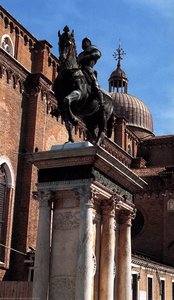
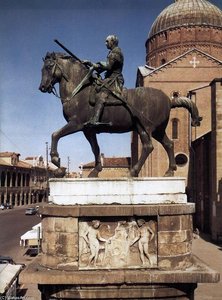
Andrea del Verrocchio's 1481 *Equestrian Statue of Bartolomeo Colleoni* stands as a monumental testament to the burgeoning spirit of Renaissance Florence and Venice. More than simply a sculpture, it is an embodiment of humanist ideals—a celebration of military prowess, civic virtue, and the power of leadership rendered in breathtaking bronze. The statue, currently residing in Venice, captures a pivotal moment: Colleoni, a renowned Venetian condottiero (mercenary captain), astride his warhorse, projecting an aura of unwavering authority and strategic brilliance. The sheer scale of the work—standing over twelve feet tall—immediately commands attention, drawing the viewer into a world of heroic grandeur.
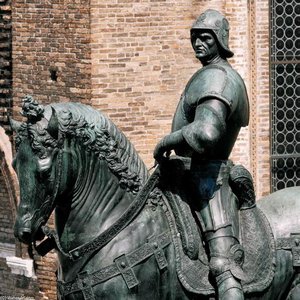
Verrocchio’s genius lies not just in anatomical accuracy, though it is undeniably remarkable, but in his ability to imbue the bronze with a palpable sense of movement and dynamism. The horse strains forward as if charging into battle, its muscles taut beneath Verrocchio's masterful sculpting. Colleoni himself is depicted in a dynamic pose, his hand resting confidently on his sword hilt—a gesture that speaks volumes about his command and control. The detail extends to the intricate armor, meticulously rendered with an understanding of both form and function, reflecting the practical requirements of military life while simultaneously showcasing the artistry of the period.
A Renaissance Masterpiece: Technique and Materials
Crafted primarily from bronze—a material favored by Verrocchio for its durability and ability to capture fine detail—the statue underwent a complex process. Initially, a wax model was created, meticulously sculpted before being covered in a layer of pitch. This prepared surface allowed for the application of molten bronze, which flowed into every crevice, creating an incredibly rich and textured finish. The surface was then polished to a gleaming sheen, highlighting the contours and emphasizing the statue’s powerful presence. Verrocchio's skill extended beyond mere technical proficiency; he understood how to manipulate the material to evoke specific emotions and convey a sense of weight and solidity.
- Bronze Casting: Verrocchio employed the lost-wax method, a technique perfected in antiquity but still considered revolutionary at the time.
- Surface Treatment: The meticulous polishing process created a luminous surface that reflects light dramatically, enhancing the statue’s visual impact.
- Realism and Detail: The level of detail—from the individual scales on the armor to the texture of the horse's mane—demonstrates Verrocchio’s commitment to capturing the essence of his subject.
Historical Context and Venetian Power
The *Equestrian Statue of Bartolomeo Colleoni* emerged during a period of intense political and military activity in Venice, a maritime republic fiercely independent and constantly engaged in conflicts with its neighbors. Colleoni himself was a key figure in this era, leading mercenary companies that secured Venetian interests throughout the region. The statue’s commission by the city council served as both a celebration of his achievements and a powerful symbol of Venetian strength and military prowess. It's important to note that Venice at this time was experiencing a flourishing of art and culture, fueled by its wealth derived from trade—a context that profoundly influenced Verrocchio’s work.
The statue’s placement in Campo Santi Giovanni e Paolo, alongside the tombs of Venetian doges and other prominent figures, further underscored its significance. This location elevated Colleoni to a position of honor among Venice's elite, solidifying his legacy as a celebrated military leader. The surrounding architecture—characterized by arched windows and terracotta roofs reminiscent of Mediterranean cityscapes—provides a tangible link to the statue’s Venetian setting.
Symbolism and Humanist Ideals
Beyond its purely representational qualities, the *Equestrian Statue of Bartolomeo Colleoni* is rich in symbolism. The pose of Colleoni—standing tall and proud atop his horse—represents leadership, courage, and strategic thinking. The sword held aloft symbolizes military authority and defense. The statue’s overall composition embodies the humanist ideals that were central to Renaissance thought: a celebration of human potential, civic virtue, and the pursuit of excellence. Verrocchio's work reflects a shift away from purely religious themes towards more secular subjects—a hallmark of the Renaissance.
The inclusion of pseudo-Kufic letters on David’s tunic, as seen in Verrocchio’s *David*, adds another layer of complexity to the statue. These decorative elements, mimicking Arabic script, were likely intended to evoke a sense of exoticism and reflect Venice's extensive trade connections with the East. The statue, therefore, serves not only as a portrait of a military leader but also as a visual representation of Venice’s multifaceted identity—a powerful blend of military strength, artistic innovation, and cultural exchange.
関連作品

アーティストの略歴
フィレンツェ・ルネサンスの万能才:アンドレア・デル・ヴェロッキオの世界
歴史にその名を刻むアンドレア・ディ・ミケーレ・ディ・フランチェスコ・デ・チョーニ、すなわちアンドレア・デル・ヴェロッキオは、イタリア・ルネサンスにおける極めて重要な地位を占めています。1435年頃にフィレンツェで生まれた彼の生涯は、芸術と知性がかつてないほどに沸き立った時代と重なっています。今日、彼は彫刻家として、とりわけバルトロメオ・コレオーニの記念碑的な騎馬像によって高く称えられていますが、ヴェロッキオの本質は単なる彫刻家にとどまりません。彼は画家であり、金細工師であり、そして何より、フィレンエッティで最も影響力を持った工房の一つを運営した巨匠でもありました。この工房は、芸術的才能が鍛え上げられる坩堝(るつぼ)であり、なかでもレオナルド・ダ・ヴィンチという天才を育んだ場所として知られています。ヴェロッキオの初期の修行については、ある種の謎に包まれていますが、その家系からはフィレンツェの職人伝統に深く根ざした金細工師としての基礎があったことが示唆されています。ドナテッロやフラ・フィリッポ・リッピといった巨匠の下で修業したのではないかという推測もありますが、決定的な証拠は見つかっていません。しかし、どのような形成過程を経たにせよ、ヴェロッキオは彫刻と絵画の両面において驚異的な適性を示し、中世の芸術的慣習と、芽吹きつつあった盛期ルネサンスの美学を橋渡しするキャリアの礎を築いたのです。金細工師から彫刻家へ:フィレンツェに昇りつめる新星
フィレンツェの芸術界におけるヴェロッキオの台頭は、彼の卓越した技術と、メディチ家をはじめとする有力なパトロンたちの支援によって加速していきました。初期の作品には、形態に対する習熟が進んでいく様子と、より複雑な主題に挑もうとする野心がうかがえます。例えば、イルカと共に遊ぶプット(幼子)は、ブロンズの中に動きと感情を捉える彼の能力を見事に示しており、これこそが後に彼の様式の代名動となる要素でした。しかし、ヴェロッキオが真にその名声を確立したのは、より大規模な依頼を通じてのことでした。彼は単にデザインを実行するだけでなく、工房全体を統括し、助手たちの力を調整しながら、常に高い品質を維持することに成功したのです。この組織的な手腕と芸術的ビジョンが組み合わさることで、彼はダヴィデ像のような野心的なプロジェクトに着手することができました。この大理石彫刻は古典的な影響を反映しつつも、従来の聖書的な英雄像とは一線を画す、若々しい優美さを湛えています。そして、ヴェロキッキの紛れもない最高傑作として君臨するのが、ヴェネツィアのために依頼され、1488年の彼の死後に完成したバルトロメオ・コレオーニ騎馬像です。この巨大なブロンズ記念碑は、市民としての徳と軍事的な勇猛さというルネサンスの理想を体現しており、比類なき解剖学的な正確さと、馬と騎手の双方のエネルギーと力強さを捉えたダイナミックな構成を見せています。それはまさに、彼の技術的熟練と芸術的野心の証として今もなお輝き続けています。画家の手:共作と遺産
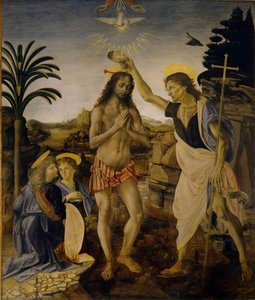
主に彫刻家として認識されているものの、ヴェロッキオの絵画への貢献を過小評価すべきではありません。特に、歴史上最も偉大な芸術家の一人の発展において彼が果たした役割を考えれば、なおさらです。彼の最も有名な絵画作品とされる『キリストの洗礼』は、実は別の人物、すなわちレオナルド・ダ・エヴィンチの才能を世に知らしめた作品としても有名です。この構図の中で、ヴェロッキオは洗礼者ヨハネと一人の天使を描き、当時工房の若き弟子であったレオナルドが、もう一人の天使と背景の風景の一部を任されました。レオナルドの貢献があまりに圧倒的であったため、ヴェロッキオは驚きのあまり絵画を完全に放棄してしまったという逸話さえ残っています(これは後世の創作である可能性が高いですが)。いずれにせよ、このエピソードはヴェロッキオがレオナルドの芸術的旅路に与えた変革的な影響を象徴しています。また、『聖母子と二人の天使』といった彼の手による他の絵画作品も、静謐で感情に響く宗教的な場面を作り出す彼の能力を示しています。これらの作品には、繊細な筆致と光や色彩に対する鋭い感性が宿っており、多才で完成された芸術家としての彼の地位をより確固たるものにしています。ヴェロッキオ工房が残した不朽の影響
アンドレア・デル・ヴェロッキオの遺産は、彼個人の作品の枠を遥かに超えて広がっています。彼の最大の功績は、おそらく彼が設立した工房そのものでしょう。そこは、次世代の才能ある芸術家たちのための訓練の場となりました。レオナルド・ダ・ヴィンチは言うまでもなく最も有名な教え子ですが、ピエトロ・ペルジーノやロレンツォ・ディ・クレディといった他の画家たちも、ヴェロッキオの指導の下でその腕を磨きました。この工房制度自体が、ルネサンス期のフィレンツェにおける芸術的繁栄に不可欠なものであり、協力、革新、そして卓越性の追求を促進する役割を果たしたのです。解剖学的な正確さ、ダイナミックな構成、そして技術的な習熟を重視したヴェロッキオの精神は、彼の弟子たちの作品の中にも脈々と受け継がれています。彼は古典的な影響と革新的な技法を融合させ、優雅さと力強さを兼ね備えた様式を生み出すことで、フィレンツェ彫刻の方向性を決定づける極めて重要な役割を果たしました。彼の仕事は、古典芸術への再関心、ヒューマニズム、そして自然主義的な表現という初期ルネサンスの精神を体現すると同時に、盛期ルネサンスの芸術的達成への道を切り拓いたのです。1488年頃にヴェネツィアで没した彼の遺志は、数世紀を経た今もなお、芸術家たちにインスピレーションを与え、観る者を魅了し続けています。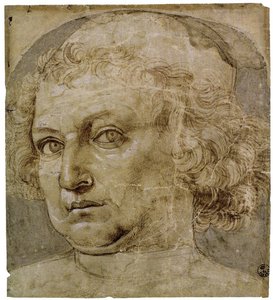
アンドレア・デル・ヴェロッキオ
1435 - 1488 , イタリア
基本情報
- Artistic Movement Or Style: 初期ルネサンス
- Artists Or Movements Influenced By This Artist:
- レオナルド・ダ・ヴィンチ
- ピエロ・デッラ・フランチェスカ
- Artists Who Influenced This Artist:
- ドナテッロ(論争あり)
- フラ・フィリッポ・リッピ
- Date Of Birth: 1435年頃
- Date Of Death: 1488年
- Full Name: アンドレア・デル・ヴェロッキオ
- Nationality: イタリア
- Notable Artworks:
- キリストの洗礼
- ダヴィデ像
- コッレオニ騎馬像
- Place Of Birth: イタリア、フィレンツェ
関連記事

Bronze Sculptures That Defined Art History | ArtsDot
Journey through art history with our Top 10 bronze sculptures! Explore masterpieces by Rodin, Michelangelo & more. Discover stories behind iconic statues and find museum-quality reproductions for your home decor at ArtsDot.com.

Bronze Age to Modern Masters: 10 Sculptures That Redefined Art | ArtsDot
Journey through art history with 10 legendary bronze sculptures – from Michelangelo's David to Rodin’s Thinker. Explore the stories, techniques & timeless beauty of these masterpieces. Find museum-quality reproductions & elevate your home decor on ArtsDot.com.

The Enduring Form: Exploring Themes & Techniques in Sculpture Across Historical Periods
Explore the rich history of sculpture from ancient masterpieces to contemporary innovations. Discover key techniques, influential artists & investment potential for discerning art collectors.
The Enduring Form: Sculpture Across History, Technique & Emotional Resonance
Explore the rich history of sculpture with ArtsDot. Discover key techniques, influential artists & investment potential for discerning collectors. Expert insights into valuing and collecting timeless masterpieces.
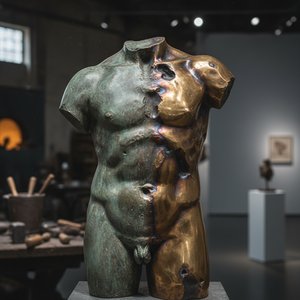
青銅彫刻の永続的遺産:歴史、技法、そして現代における解釈
青銅彫刻の歴史、技法、現代における解釈を専門家が解説。古代から現代までの貴重な作品群を深く理解し、コレクションや投資に役立つ情報を提供します。美術品鑑定、修復についてもご紹介。

