

 プリントを購入
 シェアする
シェアする シェアする
シェアする
 詳細を見る
詳細を見る

 ダウンロード
 似ている作品
 スライドショー
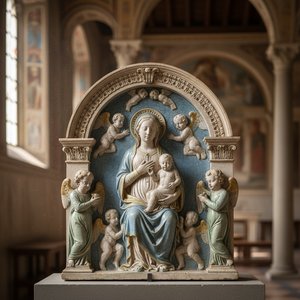
Madonna of the Stonemasons
 Terracotta
- Renaissance
 1475
1475 134.0 x 96.0 cm
 プラド美術館
 詳細を見る
詳細を見る




































作品のオリジナル比率に合わせた、当店の規定サイズからお選びください。

特定のフレームやスペースに合わせて、ご希望のサイズをご入力いただけます。選択されたサイズが元の画像の比率と異なる場合、アートワークをトリミングするか、手描きで要素を追加して絵画を拡張いたします。デジタルモックアップ を制作し、制作開始前にご確認(承認)をいただきます。
画面上のプレビューは、実際のトリミングや拡張を正確に反映しているものではありません。最終的な構図は、モックアップによってのみ正確にご確認いただけます。
カスタムサイズもご利用いただけますが、元の比率を維持するためには、あらかじめ用意されたリストからサイズを選択することをお勧めいたします。
ご注文後、ArtsDot.com チームより詳細な指示をお送りするとともに、仕上がりイメージ(モックアップ)をご提供いたします。


 ガラスオプションは、110cm未満のサイズでのみご利用いただけます。

Madonna of the Stonemasons
複製技法
複製画のサイズ
-


合計金額
$ 288
作品解説
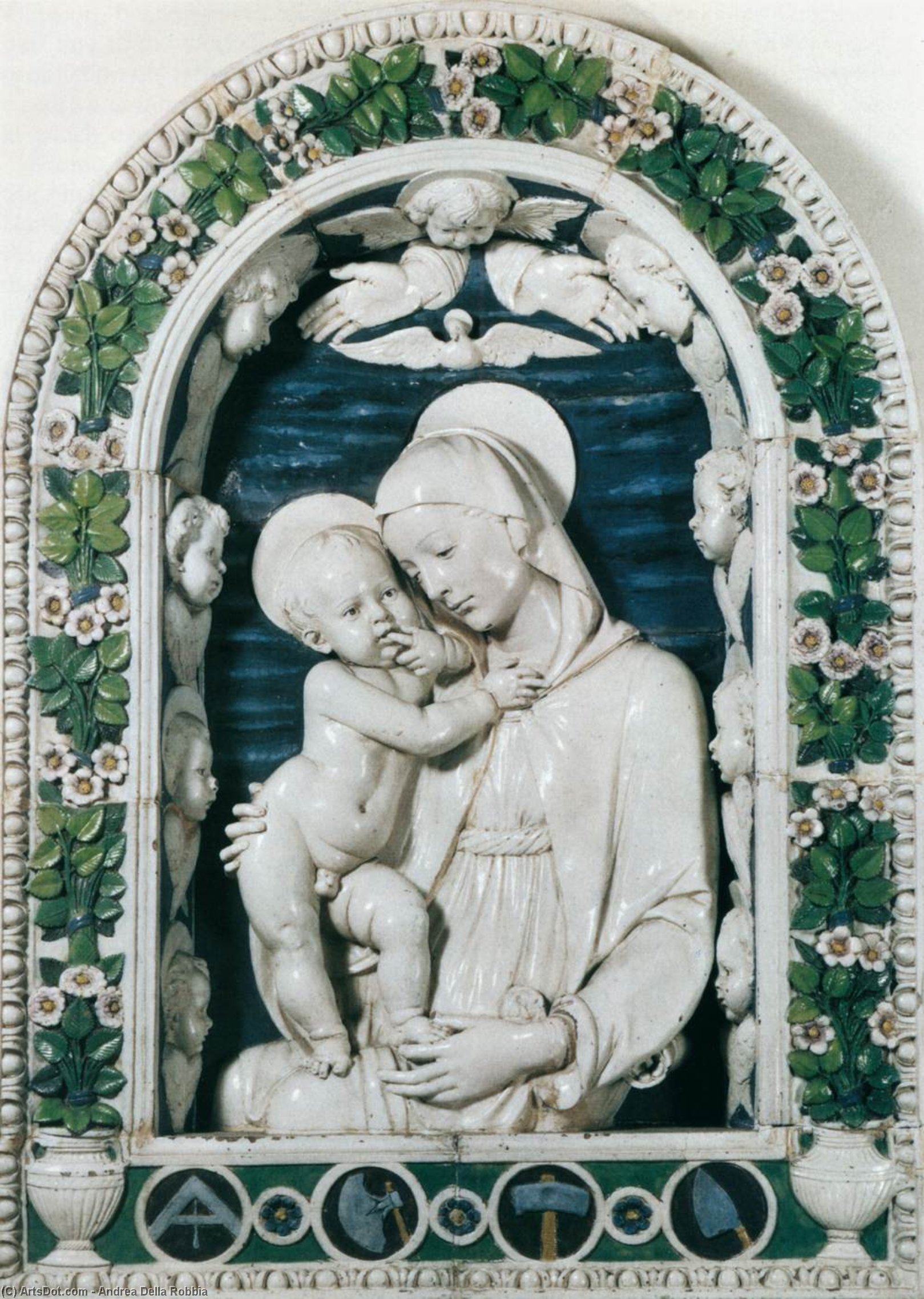
The Madonna of the Stonemasons: A Florentine Renaissance Embrace
Within the hallowed halls of the Museo Nazionale del Bargello in Florence resides a sculpture that transcends mere representation, offering instead a profound glimpse into the heart of the Italian Renaissance – Andrea della Robbia’s “Madonna of the Stonemasons,” crafted in 1475. More than just an image of the Virgin Mary cradling her infant son, this terracotta masterpiece embodies the era's burgeoning humanist ideals, its masterful technique, and a deeply felt spiritual resonance. The sculpture isn’t simply observed; it’s experienced – a quiet invitation to contemplate faith, motherhood, and the enduring beauty of human artistry.
Della Robbia, a pivotal figure in the evolution of Renaissance sculpture, revolutionized the medium of terracotta by skillfully incorporating glazes that achieved an astonishingly lifelike quality. This particular Madonna stands as a testament to his innovation, showcasing a delicate balance between realism and idealized form. The choice of terracotta itself – readily available and versatile – allowed for intricate detailing and vibrant color palettes, qualities that would become hallmarks of his distinctive style. The sculpture’s dimensions—134 x 96 centimeters—are perfectly proportioned, drawing the viewer into an intimate tableau of maternal love and divine grace.
A Symphony of Color and Texture
What immediately captivates is the sheer vibrancy of the piece. The terracotta itself isn’t a stark, unyielding brown; instead, it possesses a warm, earthy hue, subtly enhanced by layers of glaze that create an illusion of depth and texture. The sky depicted in the background—a breathtaking expanse of blue punctuated with wispy clouds—is rendered with remarkable attention to detail, suggesting a vastness beyond the confines of the archway framing the scene. The drapery of Mary’s robe flows with graceful curves, each fold meticulously sculpted to convey movement and volume. The delicate folds are not merely decorative; they contribute to the overall sense of realism, inviting us to imagine the weight and texture of the fabric.
Della Robbia's mastery extends beyond color and form. He skillfully employs a lost wax casting technique, ensuring that every surface is smooth and polished, allowing the glaze to shine through with exceptional brilliance. The subtle variations in texture – from the rougher surface of the terracotta to the glazed smoothness of the robes – create a tactile experience for the viewer, further enhancing the sculpture’s realism. The inclusion of floral motifs adorning the archway—cherubs and stylized blossoms—adds a touch of playful elegance, hinting at the beauty and abundance of the natural world.
Symbolism and Spiritual Resonance
The “Madonna of the Stonemasons” is deeply rooted in Christian iconography, yet it transcends simple representation. The central theme – the Virgin Mary and Child – has been a recurring motif throughout Western art history, symbolizing not only motherhood but also faith, hope, and divine grace. Within this specific composition, Mary’s serene expression and gentle gaze convey an overwhelming sense of peace and protection. Christ, nestled securely in her arms, embodies innocence and vulnerability.
The archway framing the scene serves as more than just a decorative element; it symbolizes the protective embrace of God's love. The presence of angels at the corners reinforces this notion, suggesting that Mary and Christ are shielded from harm by divine intervention. Furthermore, the sculpture’s creation within a stonemason’s workshop—as indicated by its title—adds another layer of symbolism, connecting the image to the labor and skill required to build and create, mirroring the divine craftsmanship represented in the artwork itself.
A Legacy Enduring
Andrea della Robbia's “Madonna of the Stonemasons” stands as a remarkable achievement – a testament to his artistic genius and a window into the vibrant cultural landscape of Renaissance Florence. His innovative use of glazed terracotta, combined with his profound understanding of human anatomy and emotion, resulted in a sculpture that continues to captivate viewers centuries after its creation. Reproductions of this iconic work offer an opportunity to bring this timeless masterpiece into any setting, allowing us to experience firsthand the beauty, serenity, and spiritual resonance of Della Robbia’s enduring legacy.
関連作品
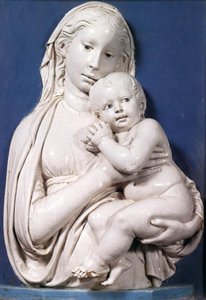
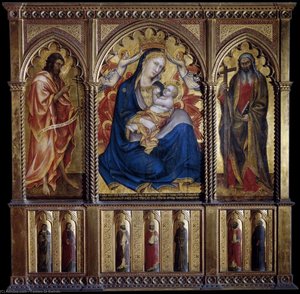
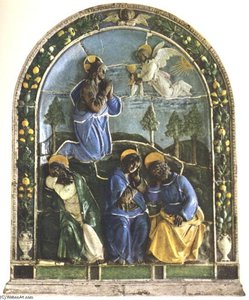
アーティストの略歴
アンドレア・デッラ・ロッビア:粘土の詩人
芸術的な革新が爆発的に進んでいた時代、1435年10月20日、フィレンツェの中心部でアンドレア・デッラ・ロッビは誕生しました。彼はイタリア・ルネサンス期において、最も個性的かつ影響力のある彫刻家の一人としてその名を刻みました。彼の遺した功績は、巨大な記念碑や威圧的な彫像によって定義されるものではありません。むしろ、釉薬を施したテラコッタ(素焼き)に対する類まれなる習熟によって、慎ましやかな粘土を、静謐な美しさと深い感情、そしてフィレンツェ特有の感性に満ちた芸術品へと昇華させた点にあります。彼はマルコ・デッラ・ロッビの息子であり、その弟であるルカ・デッラ・ロッビアが錫釉テラコッタの先駆的な使用によって彫刻界に革命を起こし始めていた頃、アンドレアはその色彩と質感への情熱を継承し、叔父が築いた礎の上に自らの芸術を積み上げていったのです。
アンドレアの初期の修行には、間違いなくルカの傍らでの研鑽が含まれており、彼は自身の独特なスタイルを形作る技術や芸術的原理を吸収していきました。しかし、主に石彫に注力していた叔父とは異なり、アンドレアはテラコッタ・レリーフ(浮き彫り)の巨匠としての地位を急速に確立しました。彼は驚異的な細密さ、写実性、そして鮮やかな色彩を実現する技法を開発したのです。この転換はルネサンス美術における極めて重要な発展を意味していました。テラコッタという比較的安価な素材を、息をのむような美しさと洗練さを備えた作品を生み出し得る、芸術的高みにまで引き上げたのです。
粘土の言語:技法と革新
アンドレア・デッラ・ロッビアの天才性は、その芸術的ビジョンだけでなく、技術的な革新にも宿っていました。彼はテラコッタにエナメル(釉薬)を施すプロセスを完成させ、青、緑、黄、赤、白といった眩いばかりの色層を丹念に重ねることで、まるで天界のものかのような、幽玄な輝きを放つ色彩の配列を作り出しました。特筆すべきは、彼が伝統的な手法からあえて逸脱した点です。特に乳児や子供を描いた場面において、人物の顔や手に釉薬を塗らないことがしばしばありました。より高い写実性を追求したこの決断は、繊細なニュアンスで幅広い感情を伝える、驚くほど表情豊かな顔立ちを生み出すこととなったのです。
彼の最も重要な貢献は、おそらくエナメルの新しい塗布方法の導入でしょう。顔や手から釉薬をあえて省くこの技法は、緻密な造形技術と相まって、比類なき生命感と臨場感を作品に与えました。さらに彼は、釉薬を用いたレリーフの用途を伝統的なパネルの枠を超えて広げました。フリーズ(帯状装飾)、ラバボ(手洗い鉢)、噴水、そして精巧な祭壇背後飾(レターブル)といった建築要素へと取り入れることで、実用的な器を本質的に芸術作品へと変貌させたのです。
信仰の傑作:聖母子像
アンドレア・デッラ・ロッビアの最も名高い作品は、間違いなく聖母マリアと幼子イエスの描写です。これらの「聖母子像」は、その静かな美しさ、深い精神性、そして卓越した写実性を特徴とし、イタリア全土で絶大な人気を博しました。彼は膨大な数のこれらの像を制作しましたが、ポーズや表情、細部においてそれぞれが微妙に異なり、彼の芸術的な多才さを物語る魅力的なシリーズを形成しています。
特に心を打つ例として挙げられるのが、フィレンツェの「インノチェンティ児養育院(無垢な子供たちの病院)」のファサードを飾る、幼子イエスを描いたメダリオンの一連の作品です。「包まれた赤ん坊」としばしば形容されるこれらの小さく親密な彫刻は、アンドレアの最高傑作の一つと見なされています。人物は精緻なディテールで表現され、幼子の脆さと無垢さを驚くべき感受性で捉えています。青い背景に白いテラコッタを配した鮮烈な視覚的コントラストは、これらの愛すべき作品が持つ天上的な質感をさらに際立たせています。
フィレンツェを超えて:影響と遺産
アンドレア・デッラ・ロッビアの工房はフィレンツェに深く根ざしていましたが、その影響力は都市の境界を遥かに超えて広がっていました。彼の技法は息子たちであるジョヴァンニとジローラモによって熱心に受け継がれ、彼らは父のスタイルをさらに発展させ、洗練させていきました。また、彼の仕事はルカ・デッラ・ロッビアの甥であるジョヴァンニにも深い影響を与え、釉薬テラコッタ彫刻の大家としての一族の名声を確固たるものにしました。
アンドレア・デッラ・ロッビアが遺したレガシーは深遠です。彼はテラコッタを芸術的な重要地位へと押し上げただけでなく、自らの創造物に感情と写実性を吹き込む比類なき能力を示しました。彼の革新的な技法は、人間の心理に対する深い洞察と相まって、今日でもアーティストたちにインスピレーションを与え続けています。彼の作品は世界中の美術館や個人コレクションに大切に収められ、この類まれなるフィレンツェの彫刻家――まさに「粘土の詩人」――の天才性を伝える永遠の証として輝き続けています。
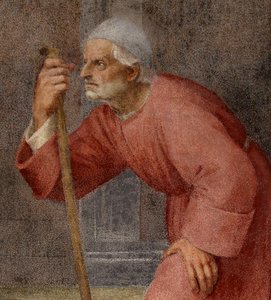
アンドレア・デッラ・ロッビア
1435 - 1525 , イタリア
基本情報
- Artistic Movement Or Style: ルネサンス彫刻
- Artists Or Movements Influenced By This Artist: ['ルネサンス美術']
- Artists Who Influenced This Artist: ['ルカ・デッラ・ロッビア']
- Date Of Birth: 1435年10月20日
- Date Of Death: 1525年8月4日
- Full Name: アンドレア・デッラ・ロッビア
- Nationality: イタリア
- Notable Artworks:
- 聖母子像
- バルトリーニ・サリムベニの紋章
- 石工の聖母
- Place Of Birth: イタリア、フィレンツェ
関連記事
Luca della Robbia: Renaissance Sculpture & the Innovation of Terracotta Glazing
Discover the innovative terracotta glazing techniques of Luca della Robbia, a Renaissance master sculptor. Explore his iconic works, legacy, and collecting tips with ArtsDot.

Bronze Sculptures That Defined Art History | ArtsDot
Journey through art history with our Top 10 bronze sculptures! Explore masterpieces by Rodin, Michelangelo & more. Discover stories behind iconic statues and find museum-quality reproductions for your home decor at ArtsDot.com.

The Enduring Form: Exploring Themes & Techniques in Sculpture Across Historical Periods
Explore the rich history of sculpture from ancient masterpieces to contemporary innovations. Discover key techniques, influential artists & investment potential for discerning art collectors.

Bronze Age to Modern Masters: 10 Sculptures That Redefined Art | ArtsDot
Journey through art history with 10 legendary bronze sculptures – from Michelangelo's David to Rodin’s Thinker. Explore the stories, techniques & timeless beauty of these masterpieces. Find museum-quality reproductions & elevate your home decor on ArtsDot.com.

The Enduring Form: Sculpture Across History, Technique & Emotional Resonance
Explore the rich history of sculpture with ArtsDot. Discover key techniques, influential artists & investment potential for discerning collectors. Expert insights into valuing and collecting timeless masterpieces.

