 プレビュー
プレビュー
 プリントを購入
 シェアする
シェアする シェアする
シェアする
 詳細を見る
詳細を見る

 ダウンロード
 似ている作品
 X線調査
X線調査 スライドショー
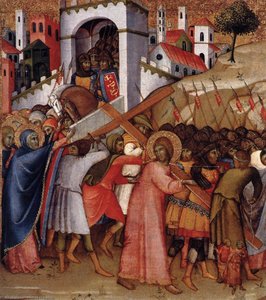
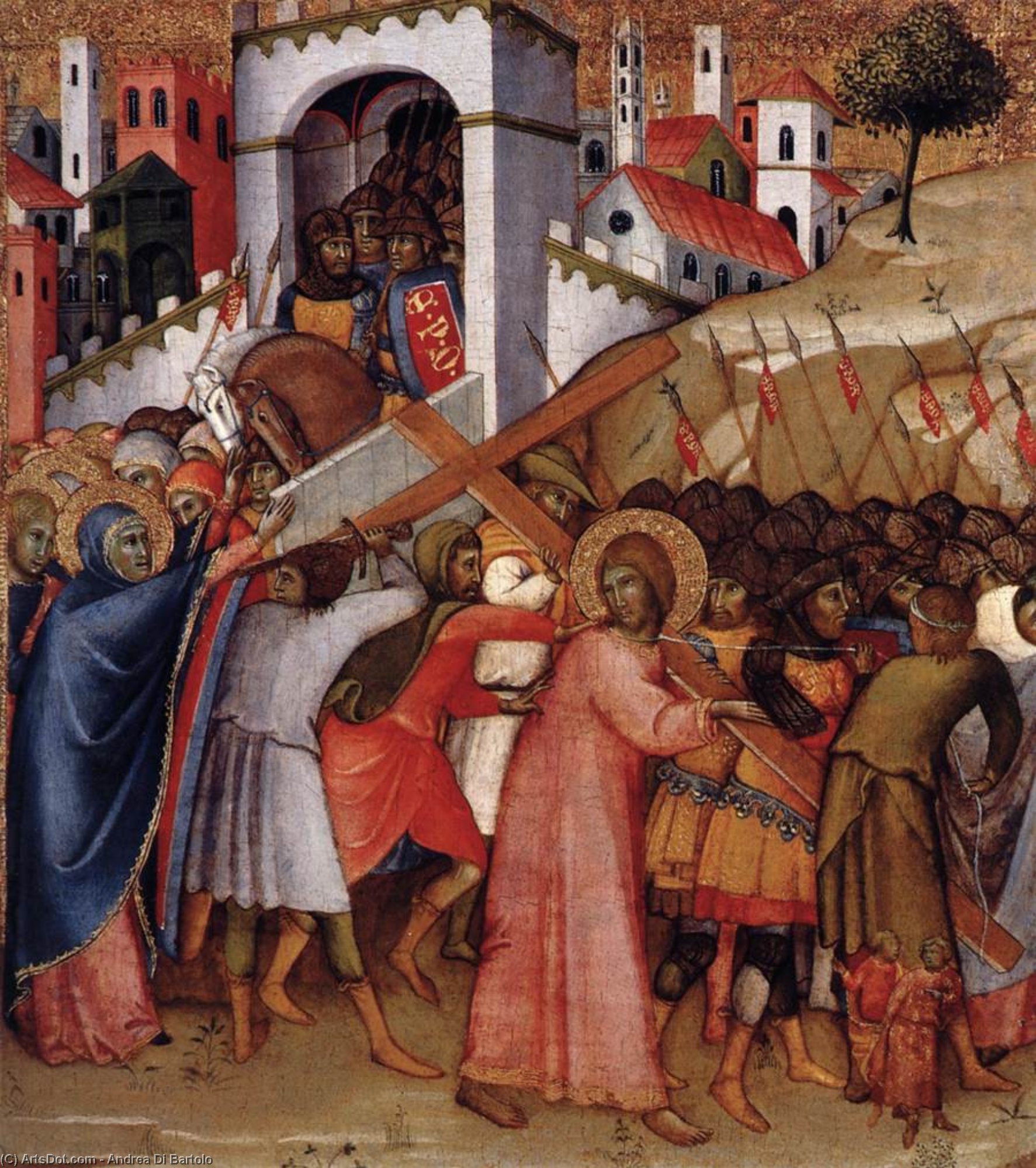
イエス・キリストのカルヴァリへ行く道
 キャンバスにアクリル絵具
- ウォールアート
- Late Quattrocento Renaissance
 1415
1415 55.0 x 49.0 cm
 Fundación Colección Thyssen-Bornemisza
 詳細を見る
詳細を見る




P118B $10

P118H $10

P118W $10

P438Z $10

P508JH $12

P508YH $12

P805H $10

P805Z $10

P919BZ $10

P919G $10

P919XJ $10

P959ZH $10

P968JZ $12

W106C $8

W218G $10

W218JH $8

W218Y $10

W307PJ $10

W316G $10

W316PJ $8

W316Y $10

W398PJ $8

W4111J $10

W500HY $15

W500JH $15

W692G $12

W849H $8

W940BG $15

W953PJ $8




作品のオリジナル比率に合わせた、当店の規定サイズからお選びください。

特定のフレームやスペースに合わせて、ご希望のサイズをご入力いただけます。選択されたサイズが元の画像の比率と異なる場合、アートワークをトリミングするか、手描きで要素を追加して絵画を拡張いたします。デジタルモックアップ を制作し、制作開始前にご確認(承認)をいただきます。
画面上のプレビューは、実際のトリミングや拡張を正確に反映しているものではありません。最終的な構図は、モックアップによってのみ正確にご確認いただけます。
カスタムサイズもご利用いただけますが、元の比率を維持するためには、あらかじめ用意されたリストからサイズを選択することをお勧めいたします。
ご注文後、ArtsDot.com チームより詳細な指示をお送りするとともに、仕上がりイメージ(モックアップ)をご提供いたします。


 ガラスオプションは、110cm未満のサイズでのみご利用いただけます。

イエス・キリストのカルヴァリへ行く道
複製技法
複製画のサイズ
-


合計金額
$ 263
作品解説
聖なる道へ向かうイエス:アンドレア・ディ・バルトローによる作品解説
聖なる道へ向かうイエスは、イタリアのシエナで活躍した画家アンドレア・ディ・バルトロが制作した傑作であり、その繊細な色彩と卓越した技術は当時の芸術家たちに大きな影響を与えました。この絵画は、十字架を背負いながら歩くイエスの姿を描き出し、周囲には多くの人々が集まっています。特に注目すべき点は、イエスとシロネの女性との間の緊密な関係と、イエスの母親マリアが息子を見つめる表情です。これらの要素は、聖母マリアの慈愛と信仰を表現しており、観る者に深い感動を与えます。 この作品は、シエナで活躍した画家バルテロ・ディ・フレディの息子として生まれました。彼は父親の工房で多くの名門注文を受け、幼少期から芸術家としての道を歩みました。彼の活動は、特にシエナにおける聖母マリアとイエスの愛を表現する絵画に大きな影響を与えました。この絵画は、当時のシエナ美術の中心的な画家たちとのコラボレーションによって制作され、その技術は卓越したものでした。 アンドレア・ディ・バルトローのスタイルは、ゴシックからルネサンスへの移行期におけるシエナ美術の特徴を反映しています。彼は特にマサッソとジョットのように、人間の感情を表現する能力に優れていました。彼の作品は、その繊細な色彩と正確な描写によって知られています。この絵画は、十字架を背負いながら歩くイエスの姿を描き出し、周囲には多くの人々が集まっています。特に注目すべき点は、イエスとシロネの女性との間の緊密な関係と、イエスの母親マリアが息子を見つめる表情です。これらの要素は、聖母マリアの慈愛と信仰を表現しており、観る者に深い感動を与えます。 この絵画は、シエナで活躍した画家バルテロ・ディ・フレディの息子として生まれました。彼は父親の工房で多くの名門注文を受け、幼少期から芸術家としての道を歩みました。彼の活動は、特にシエナにおける聖母マリアとイエスの愛を表現する絵画に大きな影響を与えました。この絵画は、当時のシエナ美術の中心的な画家たちとのコラボレーションによって制作され、その技術は卓越したものでした。彼は特にマサッソとジョットのように、人間の感情を表現する能力に優れていました。彼の作品は、その繊細な色彩と正確な描写によって知られています。この絵画は、十字架を背負いながら歩くイエスの姿を描き出し、周囲には多くの人々が集まっています。特に注目すべき点は、イエスとシロネの女性との間の緊密な関係と、イエスの母親マリアが息子を見つめる表情です。これらの要素は、聖母マリアの慈愛と信仰を表現しており、観る者に深い感動を与えます。 この絵画は、シエナで活躍した画家バルテロ・ディ・フレディの息子として生まれました。彼は父親の工房で多くの名門注文を受け、幼少期から芸術家としての道を歩みました。彼の活動は、特にシエナにおける聖母マリアとイエスの愛を表現する絵画に大きな影響を与えました。この絵画は、当時のシエナ美術の中心的な画家たちとのコラボレーションによって制作され、その技術は卓越したものでした。彼は特にマサッソとジョットのように、人間の感情を表現する能力に優れていました。彼の作品は、その繊細な色彩と正確な描写によって知られています。この絵画は、十字架を背負いながら歩くイエスの姿を描き出し、周囲には多くの人々が集まっています。特に注目すべき点は、イエスとシロネの女性との間の緊密な関係と、イエスの母親マリアが息子を見つめる表情です。これらの要素は、聖母マリアの慈愛と信仰を表現しており、観る者に深い感動を与えます。関連作品
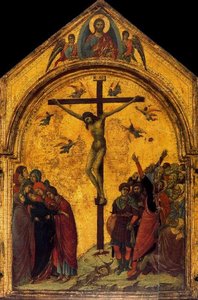
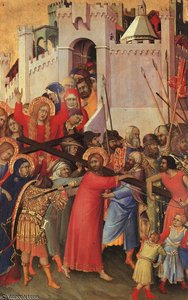
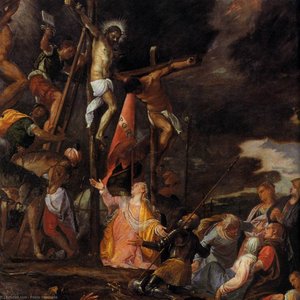
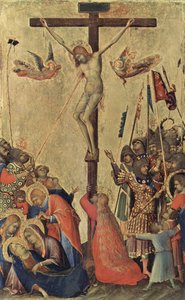
アーティストの略歴
Nardo di Cione: A Florentine Lyricist of the Late Quattrocento
Born around 1320 in Florence, Nardo di Cione – often referred to as “Nardo” – stands as a pivotal figure bridging the Gothic and nascent Renaissance artistic landscapes of Italy. While his life was tragically cut short around 1365, his brief but intensely productive career left an indelible mark on Florentine painting, characterized by a lyrical sensibility, profound humanism, and a masterful command of color that foreshadowed the developments of the High Renaissance. His legacy is primarily defined by a small yet remarkably significant body of work, meticulously reconstructed through careful analysis of signed pieces and stylistic comparisons.
Nardo’s origins are deeply intertwined with the prominent Cione family, a dynasty of artists who had long held a respected position within Florentine art circles. He was one of three brothers – Orcagna, Andrea, and Jacopo – all contributing to the artistic output of their household. Orcagna, arguably the most renowned of the siblings, established a powerful workshop that exerted considerable influence over the city’s artistic scene during the latter half of the 14th century. Nardo's work, while distinct from his brother’s more monumental and often narrative-driven compositions, shares a similar commitment to emotional depth and a refined aesthetic sensibility.
Early Influences and Artistic Development
Tracing the precise trajectory of Nardo’s artistic development remains a challenging endeavor due to the scarcity of documented information about his early training. However, stylistic analysis strongly suggests that he was profoundly influenced by the traditions of Byzantine art, particularly as practiced in Florence during the preceding decades. The influence of Paolo Veneziano, a Venetian painter who spent considerable time in Florence around 1320-1365, is readily apparent in Nardo’s early works – notably the “Standing Madonna” (Institute of Arts, Minneapolis) and the frescoes in the Chapel of San Silvestro at Santa Croce. These pieces exhibit a characteristic Byzantine formality, with their hierarchical composition, flattened perspective, and emphasis on luminous color. The use of gold leaf and rich pigments—a hallmark of Byzantine painting—is also evident.
Crucially, Nardo’s work began to evolve beyond this purely Byzantine model as he matured. He gradually incorporated elements of the Florentine Gothic style, characterized by a greater naturalism in figure representation, more dynamic compositions, and a heightened sense of spatial depth. This transition is particularly noticeable in his frescoes for the chapel of Sant'Anna in Santa Maria Novella, where he skillfully blended Byzantine techniques with emerging Renaissance principles.
The Frescoes of Sant’Anna: A Masterpiece of Florentine Art
The frescoes within the chapel of Sant’Anna represent Nardo’s most significant and enduring contribution to the artistic heritage of Florence. These monumental panels, dating from approximately 1345-1350, depict scenes from the life of St. Anne – her birth, miraculous conception, and death – alongside four figures of saints. The frescoes are remarkable for their emotional intensity, delicate modeling, and harmonious color scheme. Nardo’s depiction of St. Anne, in particular, is profoundly moving, conveying a sense of vulnerability and maternal devotion that resonated deeply with viewers.
The “Last Judgment” fresco within the same chapel further demonstrates Nardo's artistic prowess. It’s a dramatic composition filled with dynamic movement and expressive figures, reflecting the influence of Giotto – another Florentine master who was actively working at the time. The panel showcases Nardo’s ability to capture both the grandeur and the terror of divine judgment.
Later Works and Legacy
Following the completion of the Sant'Anna frescoes, Nardo produced a series of smaller-scale works that further refined his artistic style. The “St. John the Baptist with Saints” (National Gallery, London), often interpreted as a triptych, exemplifies his lyrical sensibility and masterful use of color. The “Crucifixion Panel” (Galleria degli Uffizi, Florence) is another notable example of his mature style, characterized by its emotional intensity and subtle modeling.
Nardo’s life was tragically cut short in 1365, likely due to illness. Despite the brevity of his career, he left behind a remarkably coherent body of work that reveals a unique artistic voice—one marked by lyricism, humanism, and a profound sensitivity to color. His influence on subsequent generations of Florentine painters is undeniable, and his frescoes in Santa Maria Novella remain among the most celebrated masterpieces of the late Quattrocento.
Nardo di Cione’s work serves as a crucial link between the Gothic and Renaissance periods, demonstrating the complex interplay of influences that shaped the artistic landscape of Florence during this transformative era. His legacy endures not only through his surviving paintings but also through the inspiration he provided to those who followed in his footsteps.
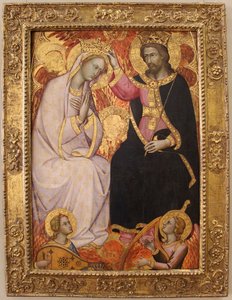
andrea di bartolo
1365 - 1428 , Italy
基本情報
- Artistic Movement Or Style: Late Gothic/Early Renaissance
- Artists Or Movements Influenced By This Artist: ["Nardo's style"]
- Artists Who Influenced This Artist:
- Orcagna
- Paolo Veneziano
- Giottino
- Date Of Birth: ca. 1320
- Date Of Death: ca. 1365
- Full Name: Nardo di Cione
- Nationality: Italian
- Notable Artworks:
- Strozzi Chapel frescoes
- Standing Madonna
- St John the Baptist
- Place Of Birth: Firenze, Italy
関連記事
Simone Martini: Innovation, Spirituality & Courtly Refinement in Sienese Painting
Explore the captivating world of Simone Martini, a pivotal figure in Sienese painting & the International Gothic style. Discover his innovative techniques, spiritual depth, and lasting influence on early Renaissance art.
Illuminating Eternity: A Comprehensive Exploration of Byzantine Art's Legacy
Explore the rich history & stunning artistry of the Byzantine Empire! Discover iconic mosaics, profound symbolism, and lasting influence on Western art. A comprehensive guide for history lovers.
Sacred Narratives Embodied: A Comprehensive Exploration of Religious Iconography in Art History
Explore the rich history of religious iconography in art! Discover symbolism, movements & masterpieces from Byzantine to Renaissance periods. Expert insights for collectors and enthusiasts at ArtsDot.
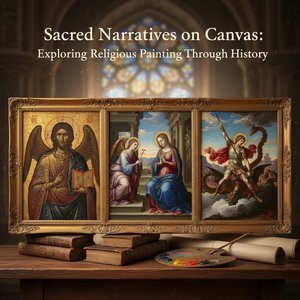
Sacred Narratives on Canvas: Exploring Religious Painting Through History
Explore the rich history of religious painting with ArtsDot.com! Discover iconic artworks, symbolism & techniques from antiquity to the Renaissance. Enhance your art appreciation today.
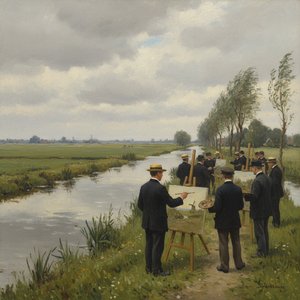
The Hague School: Realism, Atmosphere & the Dawn of Dutch Impressionism
Explore the Hague School's pivotal role in Dutch art history. Discover realism, atmospheric landscapes & its influence on Impressionism. Learn about key artists like Mauve & Maris with ArtsDot.