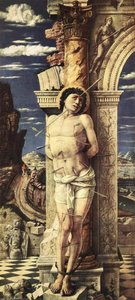
 プレビュー
プレビュー
 プリントを購入
 シェアする
シェアする シェアする
シェアする
 詳細を見る
詳細を見る

 ダウンロード
 似ている作品
 X線調査
X線調査 スライドショー
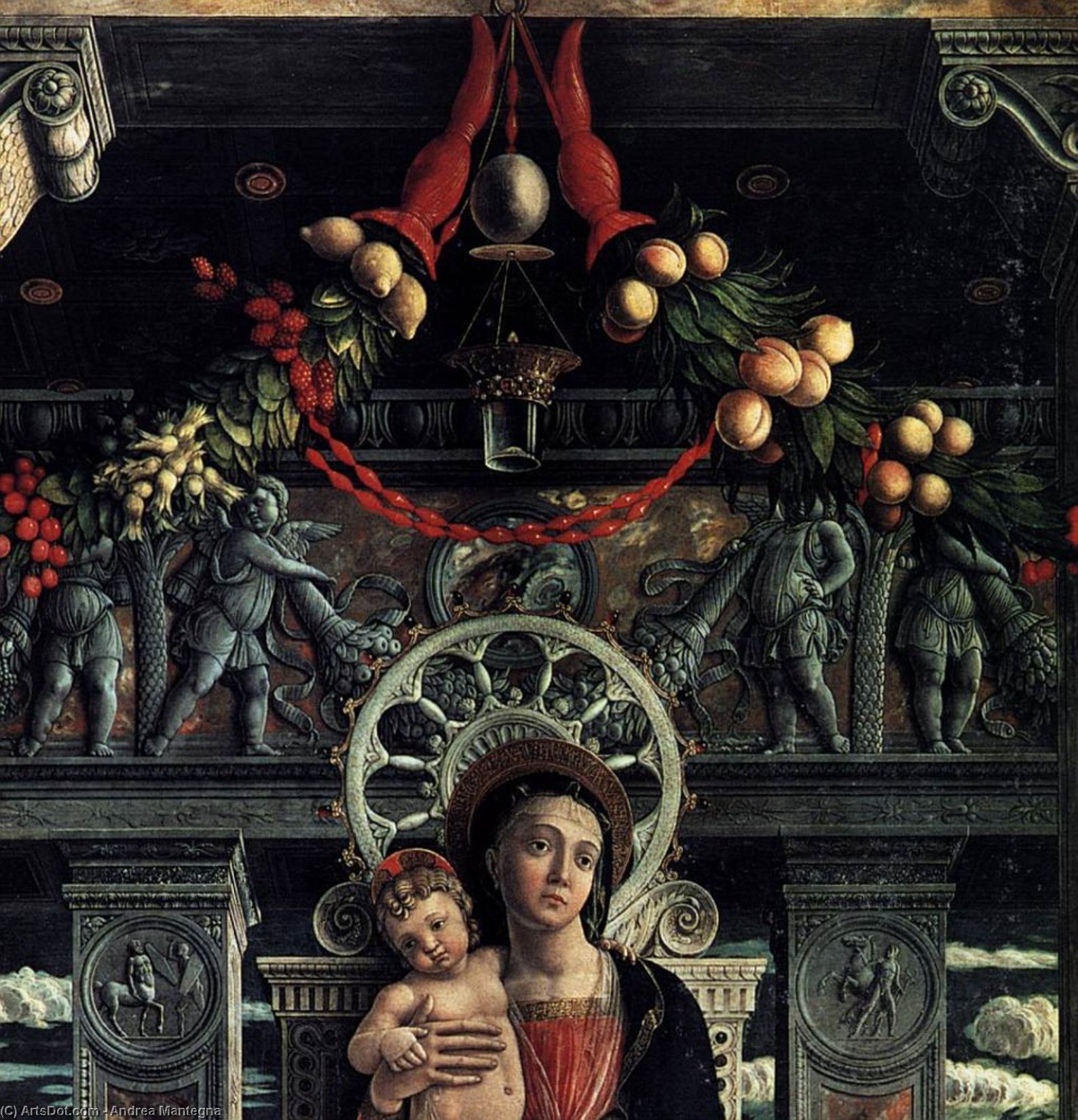
San Zeno Polyptych (detail)


 詳細を見る
詳細を見る




P118B $10

P118H $10

P118W $10

P438Z $10

P508JH $12

P508YH $12

P805H $10

P805Z $10

P919BZ $10

P919G $10

P919XJ $10

P959ZH $10

P968JZ $12

W106C $8

W218G $10

W218JH $8

W218Y $10

W307PJ $10

W316G $10

W316PJ $8

W316Y $10

W398PJ $8

W4111J $10

W500HY $15

W500JH $15

W692G $12

W849H $8

W940BG $15

W953PJ $8




作品のオリジナル比率に合わせた、当店の規定サイズからお選びください。

特定のフレームやスペースに合わせて、ご希望のサイズをご入力いただけます。選択されたサイズが元の画像の比率と異なる場合、アートワークをトリミングするか、手描きで要素を追加して絵画を拡張いたします。デジタルモックアップ を制作し、制作開始前にご確認(承認)をいただきます。
画面上のプレビューは、実際のトリミングや拡張を正確に反映しているものではありません。最終的な構図は、モックアップによってのみ正確にご確認いただけます。
カスタムサイズもご利用いただけますが、元の比率を維持するためには、あらかじめ用意されたリストからサイズを選択することをお勧めいたします。
ご注文後、ArtsDot.com チームより詳細な指示をお送りするとともに、仕上がりイメージ(モックアップ)をご提供いたします。


 ガラスオプションは、110cm未満のサイズでのみご利用いただけます。

San Zeno Polyptych (detail)
複製技法
複製画のサイズ
-


合計金額
$ 288
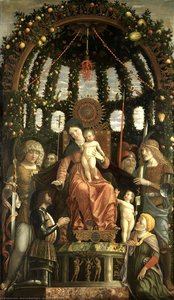
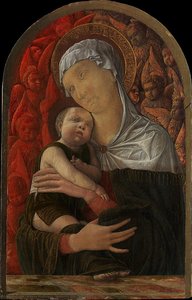
A Renaissance Vision of Grace: Andrea Mantegna’s San Zeno Polyptych (detail)
Andrea Mantegna's detail from the San Zeno Polyptych, completed in 1457, is not merely a painting; it’s a window into the burgeoning Renaissance spirit of Northern Italy. Created for the high altar of the Basilica di San Zeno in Verona – a UNESCO World Heritage site steeped in Romanesque and early Renaissance architecture – this fragment offers a compelling glimpse into a larger masterpiece that redefined religious art. The scene, centered around the Virgin Mary cradling the infant Jesus, is rendered with an astonishing level of detail and a profound sense of reverence, embodying the artistic ideals of its time.
The Language of Forms: Style and Technique
Mantegna’s style is immediately recognizable – a masterful blend of classical antiquity and Christian iconography. He wasn't simply depicting religious figures; he was reconstructing an idealized world informed by his deep study of Roman sculpture and architecture. The architectural framework surrounding Mary and Jesus isn’t merely decorative, but actively participates in the composition, creating a sense of sacred space. The use of linear perspective, though still evolving during this period, establishes depth, while the precise lines and geometric shapes – rectangles, circles, arches – echo classical principles of harmony and proportion. The technique employed, primarily fresco secco (dry fresco) combined with tempera and possibly oil paint, allowed for meticulous detail and vibrant color application. Notice how the light seems to emanate from an unseen source, subtly modeling the figures and enhancing the three-dimensionality of the scene. The textures – in the drapery, the sculpted details, even the fruit suspended above Mary’s head – are rendered with a palpable sense of realism achieved through layered brushstrokes.
Symbolism Woven into Every Detail
Every element within this composition carries symbolic weight. The abundance of fruit—peaches, grapes, and pomegranates—are not merely decorative additions; they represent fertility, prosperity, and the sweetness of divine grace. The red drapery, a color associated with passion and sacrifice, subtly foreshadows Christ’s future suffering. The flanking angels, their wings outstretched in offering or blessing, connect the earthly realm to the divine. Even the choice of saints included within the full polyptych (though only hinted at here) was carefully considered, reflecting local patronage and religious devotion. Mantegna wasn't simply creating a beautiful image; he was constructing a complex theological statement designed to inspire piety and contemplation.
A Legacy of Innovation
Andrea Mantegna’s San Zeno Polyptych stands as a pivotal work in the Early Renaissance, bridging the gap between Gothic traditions and the emerging humanist ideals. His dedication to anatomical accuracy, his innovative use of perspective, and his masterful integration of classical motifs profoundly influenced subsequent generations of artists. The altarpiece remains *in situ* at the Basilica di San Zeno, though portions were dispersed to museums like the Louvre in Paris and the Musée des Beaux-Arts in Tours following Napoleonic conquests; however, its enduring power continues to captivate viewers today. Owning a hand-painted reproduction of this detail allows one to bring a piece of Renaissance history and artistic brilliance into their own space—a testament to Mantegna’s lasting legacy.
関連作品


アーティストの略歴
マンテッナ、古代の精神を呼び覚ますルネサンスの巨匠
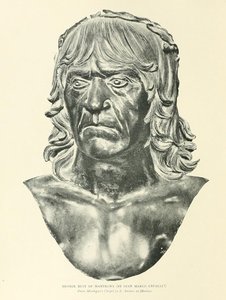
アンドレア・マンテッナは、1431年頃にイタリアのイゾラ・ディ・カルトゥーロで生まれ、1506年にマントヴァで生涯を閉じた、初期から盛期ルネサンスにかけて活躍した画家です。彼の芸術的探求は単なる古典様式の模倣ではなく、古代ローマの精神をよみがえらせようとする情熱的な試みでした。マンテッナは同時代の多くの画家とは異なり、古典モデルに触発されるだけでなく、考古学的な正確さへの並外れた執着心を持っていました。このこだわりは、フランチェスコ・スクヴァーチョーネのもとで過ごした幼少期に由来します。スクヴァーチョーネは画家であり収集家であり、彼の工房は伝統的なアトリエというよりも、ローマの廃墟、彫刻、碑文の研究に捧げられたアカデミーのようなものでした。マンテッナの芸術的ビジョンは、失われた帝国の断片に囲まれたこの場所で形作られ、彫刻的な形態、劇的な遠近法、そして細部へのほぼ強迫的な注意を特徴とするビジョンでした。ゴンザーガ家の庇護と現実の幻想
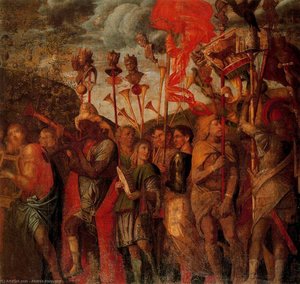
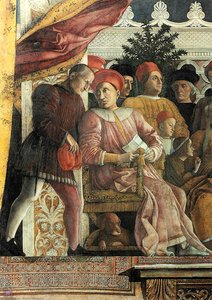
マンテッナのキャリアは、1488年にマントヴァのゴンザーガ家に入職したことで真に開花しました。この後援は、彼に比類のない芸術的自由と、彼の最も野心的なプロジェクトを実現するためのプラットフォームを提供しました。ゴンザーガ家は単なるパトロンではなく、芸術的革新の限界を押し広げる作品を委嘱する共同制作者でした。この時期に、マンテッナは間違いなく彼の傑作である、パラッツォ・ドゥカーレにある「スペーリの部屋」(Bridal Chamber)のフレスコ画を作成しました。この画期的な作品は単なる装飾を超え、建築と絵画をシームレスに統合し、空間の拡張された感覚を作り出す完全な幻想的な環境です。フレスコ画には、ゴンザーガ家の生活を描いた場面、驚くほどリアルで魅力的な肖像画、そして開かれた空を思わせる息を呑むような「見下ろし」(sotto in sù)天井パネルが描かれています。この遠近法の巧妙な操作は単なる技術的なスキルではなく、部屋の中に世界を作り出し、現実と表現の境界線を曖昧にするものでした。スペーリの部屋以外にも、マンテッナはゴンザーガ家の宮廷のために並外れた品質の作品を制作し続け、「カエサルの勝利」という壮大なシリーズもその一つです。これらの絵画は古代ローマの勝利行進に触発されたものであり、単なる歴史的描写ではなく、ゴンザーガ家の権力と威厳を称える壮大な寓話です。遠近法と解剖学的精密さの巨匠
マンテッナの芸術的革新は、幻想的な環境を超えたところにまで及びます。彼は遠近法の使用において先駆者であり、劇的な効果を生み出すために従来のメソッドとは異なる技術をしばしば採用しました。頻繁に地平線を調整し、重厚感と圧倒的なスケール感を醸し出していました。このテクニックは、彼の解剖学的詳細への細心の注意と組み合わさることで、彼の人物に比類のない存在感と重量感を与えました。彼は単に人体を表現するだけでなく、その筋肉を解剖し、その構造をその時代としては画期的な精度でレンダリングしました。「トロンプ・ルイユ」(目の欺瞞)の習得は、この効果をさらに高め、絵画と現実の境界線を曖昧にしました。この解剖学的正確さへの献身は単なる技術的なスキルではなく、古典彫刻との深い関わり合いと、古代の理想化された形態を模倣したいという願望を反映したものでした。彼は人体の本質的な尊厳と力を捉えることを目指していました。彼の後世の芸術家たち、ラファエロやミケランジェロへの影響は否定できません。なぜなら彼らは、遠近法、解剖学、構成におけるマンテッナの基盤の上に構築したからです。遺産と永続的な影響
アンドレア・マンテッナは1506年にマントヴァで亡くなり、今日でも芸術史家や愛好家の間で高く評価されている遺産を残しました。彼の作品はルネサンス美術の歴史における重要な転換点であり、初期ルネサンスと盛期ルネサンス様式との間のギャップを埋めています。彼は単なる古典様式の模倣者ではなく、古代モチーフや技術を採用して、完全に新しい独自のものを生み出しました。彼の細部への綿密な注意、遠近法の習得、そして古代に対する深い関わりは、彼をその時代の主要な芸術家の一人として確立しました。マンテッナの古典的テーマの探求は、古代美術と文化への関心を高め、盛期ルネサンスの芸術的成果への道を開きました。彼の影響は、ラファエロの優雅な構成からミケランジェラの力強い人物まで、後を追う数多くの芸術家の作品に見られます。今日、彼の絵画は世界中の主要な美術館に収蔵されており、今もなお畏敬の念と賞賛を呼び起こしています。- 彼の革新的な遠近法の使用法は、現在でも芸術家や美術史家によって研究されています。
- 彼の解剖学的精度は、現実的な表現のベンチマークとなっています。
- 彼の古典的テーマへの献身は、ルネサンス美術の流れを形作りました。
マンテーニャ
1431 - 1506 , イタリア
基本情報
- フルネーム: アンドレア・マンテッナ
- 主な作品:
- サン・ゼノ祭壇画
- 嘆きの場面
- カメラ・デッリ・スポージ
- 出生地: イタリア、イソラ・ディ・カルトゥーロ
- 国籍: イタリア
- 影響を与えた芸術家:
- ラファエロ
- ミケランジェロ
- 影響を受けた芸術家:
- フラアンチェスコ・スクヴァーチョーネ
- ヤコポ・ベリーニ
- 死亡日: 1506年9月13日
- 生年月日: 1431年頃
- 芸術運動: 初期ルネサンス
関連記事

家族の遺産を壁画で彩る:伝統技法が紡ぐ、時を超越する美と記憶
古代から現代までの壁画の歴史と技法を解説。日本の壁画文化やカスタムオーダーによる家族の遺産表現、保存・修復技術まで網羅。専門家が時を超越する美と記憶を紡ぐ芸術的価値をご案内します。

The Enduring Legacy of Fresco: Technique, History & Artistic Expression Across Cultures
Explore the rich history & enduring legacy of fresco painting! Discover ancient techniques, Giotto's masterpieces, and modern applications. Expert insights for art lovers & professionals.

The Enduring Legacy of Fresco Painting: Techniques, History & Contemporary Relevance
Explore the rich history & enduring artistry of fresco painting – from Giotto to Michelangelo! Discover techniques, conservation efforts, & modern applications. Learn how ArtsDot brings this timeless art form to your home.
The Enduring Legacy of Fresco: Technique, History & Artistic Expression
Explore the rich history & enduring artistry of fresco painting. Discover techniques from Giotto to Michelangelo, conservation efforts, & modern applications. Learn how ArtsDot brings this timeless art form to your home.

Art That Lives With You: The Emotional Power of a Custom Interior Fresco
Discover the emotional power & timeless beauty of custom interior frescoes. Explore history, design tips & expert guidance from – creating lasting legacies.