 プレビュー
プレビュー
 プリントを購入
 シェアする
シェアする シェアする
シェアする
 詳細を見る
詳細を見る

 ダウンロード
 似ている作品
 X線調査
X線調査 スライドショー
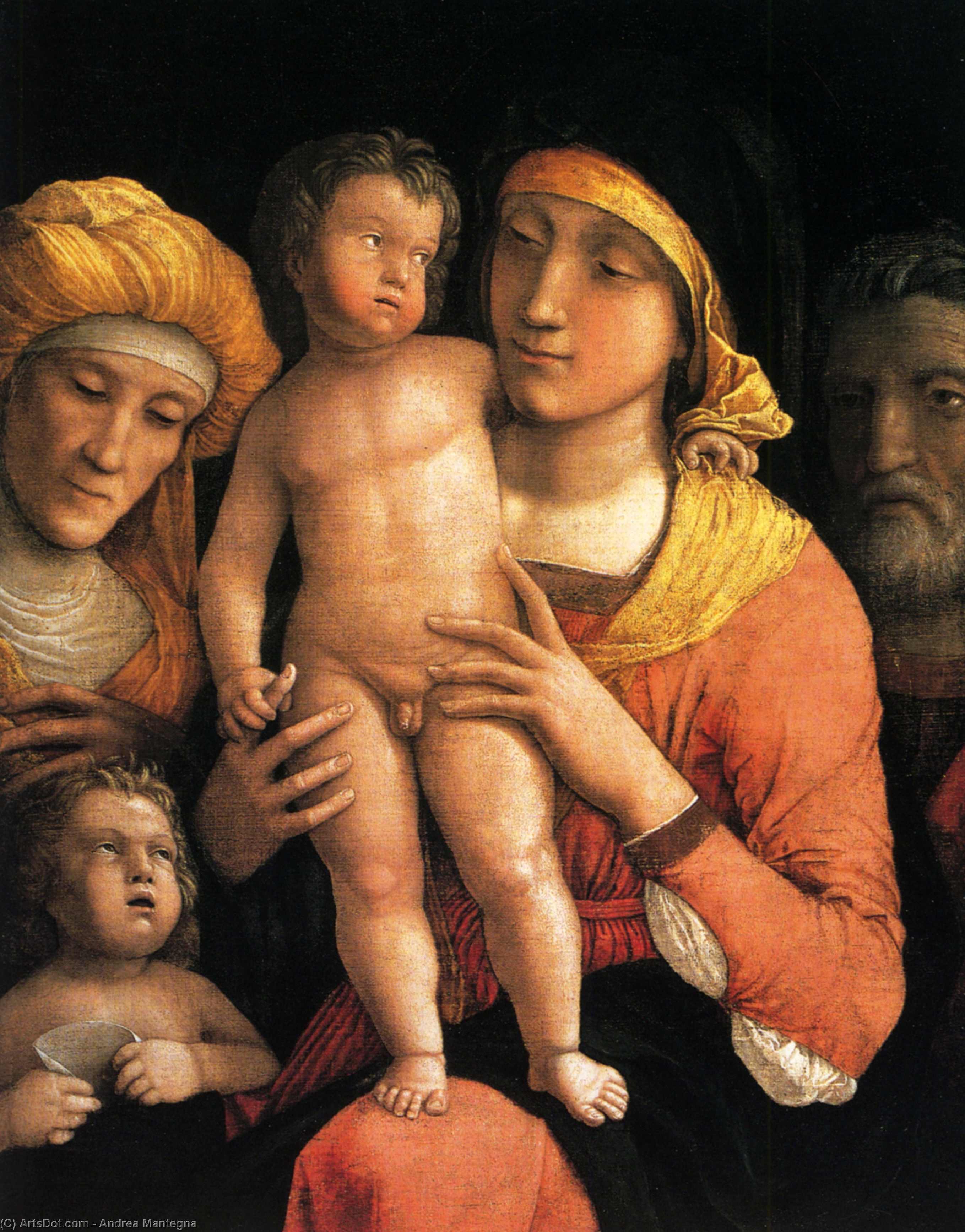
The Holy Family with Saint Elizabeth and the Infant John the Baptist


 詳細を見る
詳細を見る




P118B $10

P118H $10

P118W $10

P438Z $10

P508JH $12

P508YH $12

P805H $10

P805Z $10

P919BZ $10

P919G $10

P919XJ $10

P959ZH $10

P968JZ $12

W106C $8

W218G $10

W218JH $8

W218Y $10

W307PJ $10

W316G $10

W316PJ $8

W316Y $10

W398PJ $8

W4111J $10

W500HY $15

W500JH $15

W692G $12

W849H $8

W940BG $15

W953PJ $8




作品のオリジナル比率に合わせた、当店の規定サイズからお選びください。

特定のフレームやスペースに合わせて、ご希望のサイズをご入力いただけます。選択されたサイズが元の画像の比率と異なる場合、アートワークをトリミングするか、手描きで要素を追加して絵画を拡張いたします。デジタルモックアップ を制作し、制作開始前にご確認(承認)をいただきます。
画面上のプレビューは、実際のトリミングや拡張を正確に反映しているものではありません。最終的な構図は、モックアップによってのみ正確にご確認いただけます。
カスタムサイズもご利用いただけますが、元の比率を維持するためには、あらかじめ用意されたリストからサイズを選択することをお勧めいたします。
ご注文後、ArtsDot.com チームより詳細な指示をお送りするとともに、仕上がりイメージ(モックアップ)をご提供いたします。


 ガラスオプションは、110cm未満のサイズでのみご利用いただけます。

The Holy Family with Saint Elizabeth and the Infant John the Baptist
複製技法
複製画のサイズ
-


合計金額
$ 263
A Window into Renaissance Devotion: Mantegna’s “The Holy Family with Saint Elizabeth and the Infant John the Baptist”
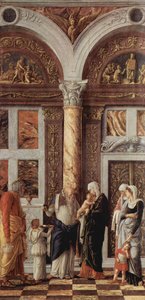
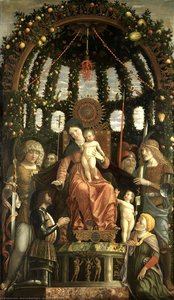
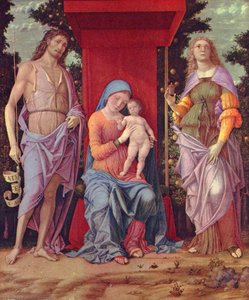
Andrea Mantegna's "The Holy Family with Saint Elizabeth and the Infant John the Baptist" is more than just a depiction of a biblical scene; it’s a meticulously crafted meditation on family, faith, and the enduring power of maternal love. Completed around 1504-1506, this painting, currently residing in the Basilica di Sant'Andrea in Mantua, Italy, offers a rare glimpse into the artist’s distinctive vision – one deeply rooted in classical antiquity yet imbued with a profoundly human sensibility. Mantegna, a pivotal figure bridging the Early and High Renaissances, wasn’t simply replicating religious iconography; he was actively excavating the spirit of Rome itself, seeking to resurrect its grandeur within the burgeoning Italian artistic landscape. Unlike many of his contemporaries who relied solely on classical models, Mantegna possessed an almost obsessive fascination with archaeological accuracy, a passion fueled by his formative years spent studying Roman ruins and inscriptions under the tutelage of Francesco Squarcione – a painter and collector whose workshop functioned as a living museum dedicated to the remnants of a lost empire. This dedication is immediately apparent in the painting’s sculptural forms, dramatic perspective, and an overall sense of monumental stillness.- Compositional Innovation: Mantegna masterfully employs a radical, almost unsettling, perspective. The viewer isn't positioned as a passive observer but rather placed at the feet of Christ, creating an immediate and intimate connection with the central figure. This unconventional vantage point, coupled with the foreshortened figures, generates a powerful sense of drama and draws the eye into the heart of the scene.
- Color and Symbolism: The deliberate use of red clothing for all three principal figures – Mary, Elizabeth, and John – is profoundly significant. Red has long been associated with Christ’s sacrifice and his role as the Lamb of God within Christian tradition. This unified color scheme reinforces their sacred status and underscores the familial connection to the divine.
- Domesticity Amidst Divinity: Notice the subtle inclusion of domestic details—the two cups, a simple gesture that hints at a moment of respite within this deeply spiritual setting. These small touches ground the scene in a sense of everyday life, reminding us that even within the realm of faith, family and human connection remain central themes.
The Echoes of Antiquity: Mantegna’s Renaissance Vision
Mantegna's artistic approach was fundamentally shaped by his deep engagement with Roman antiquity. He wasn’t content to merely imitate classical forms; he sought to understand the underlying principles that governed their design and construction. This is evident in the painting’s meticulous attention to detail, its use of architectural elements reminiscent of Roman temples and basilicas, and its overall sense of monumentality. He deliberately lowered the horizon line – a technique borrowed from ancient Roman wall paintings – creating an illusion of greater height and grandeur. This departure from traditional Renaissance perspective demonstrates Mantegna's conscious effort to emulate the visual language of antiquity, imbuing his work with a timeless quality. The figures themselves possess a subtly sculptural quality, reminiscent of Roman statues, further emphasizing this connection to the classical world. Further Research:** Exploring Piazza Andrea Mantegna in Mantua offers a tangible link to the artist’s life and legacy. This square is named in his honor and houses significant buildings related to his work, including the Basilica di Sant'Andrea itself, where "The Holy Family" resides. The Museo Civico di Palazzo San Faustino also showcases a remarkable collection of Mantegna drawings and prints, providing invaluable insights into his artistic process.*Marian Art and Maternal Love
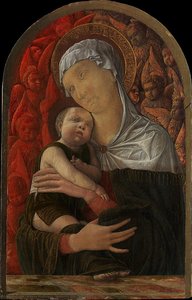
“The Holy Family with Saint Elizabeth and the Infant John the Baptist” firmly establishes itself within the rich tradition of Marian art – depictions of Mary, Jesus, and John the Baptist. This theme has been a cornerstone of Catholic iconography for centuries, serving as a powerful visual representation of the Virgin’s role as mother, mediator, and embodiment of divine grace. The scene powerfully emphasizes the concept of maternal love, with Mary cradling her infant son while Elizabeth offers support and guidance to the young mother. The intimate interaction between these three figures speaks volumes about the importance of family bonds within the Christian faith. It's a poignant reminder of the sacredness of motherhood and the enduring connection between generations. Additional Note:* The painting’s similarity to Bronzino’s “Holy Family with Saint Anne and the Infant Saint John” highlights a shared artistic language and reflects the influence of Mannerism, a style characterized by elongated figures, complex compositions, and an emphasis on emotional expression.*A Masterpiece for Reproduction: Bringing Mantegna's Vision Home
ArtsDot offers meticulously hand-painted reproductions of “The Holy Family with Saint Elizabeth and the Infant John the Baptist,” capturing the essence of Mantegna’s artistic genius. Our skilled artisans replicate every detail – from the subtle nuances of color to the intricate textures of the clothing – ensuring that your reproduction is a faithful representation of this iconic masterpiece. Whether you're seeking an exquisite addition to your art collection or a striking focal point for your interior design, our reproductions provide a beautiful and authentic way to experience the enduring power of Mantegna’s vision. Explore our gallery today and discover the perfect piece to illuminate your space with the spirit of Renaissance devotion.関連作品

アーティストの略歴
マンテッナ、古代の精神を呼び覚ますルネサンスの巨匠
アンドレア・マンテッナは、1431年頃にイタリアのイゾラ・ディ・カルトゥーロで生まれ、1506年にマントヴァで生涯を閉じた、初期から盛期ルネサンスにかけて活躍した画家です。彼の芸術的探求は単なる古典様式の模倣ではなく、古代ローマの精神をよみがえらせようとする情熱的な試みでした。マンテッナは同時代の多くの画家とは異なり、古典モデルに触発されるだけでなく、考古学的な正確さへの並外れた執着心を持っていました。このこだわりは、フランチェスコ・スクヴァーチョーネのもとで過ごした幼少期に由来します。スクヴァーチョーネは画家であり収集家であり、彼の工房は伝統的なアトリエというよりも、ローマの廃墟、彫刻、碑文の研究に捧げられたアカデミーのようなものでした。マンテッナの芸術的ビジョンは、失われた帝国の断片に囲まれたこの場所で形作られ、彫刻的な形態、劇的な遠近法、そして細部へのほぼ強迫的な注意を特徴とするビジョンでした。ゴンザーガ家の庇護と現実の幻想
マンテッナのキャリアは、1488年にマントヴァのゴンザーガ家に入職したことで真に開花しました。この後援は、彼に比類のない芸術的自由と、彼の最も野心的なプロジェクトを実現するためのプラットフォームを提供しました。ゴンザーガ家は単なるパトロンではなく、芸術的革新の限界を押し広げる作品を委嘱する共同制作者でした。この時期に、マンテッナは間違いなく彼の傑作である、パラッツォ・ドゥカーレにある「スペーリの部屋」(Bridal Chamber)のフレスコ画を作成しました。この画期的な作品は単なる装飾を超え、建築と絵画をシームレスに統合し、空間の拡張された感覚を作り出す完全な幻想的な環境です。フレスコ画には、ゴンザーガ家の生活を描いた場面、驚くほどリアルで魅力的な肖像画、そして開かれた空を思わせる息を呑むような「見下ろし」(sotto in sù)天井パネルが描かれています。この遠近法の巧妙な操作は単なる技術的なスキルではなく、部屋の中に世界を作り出し、現実と表現の境界線を曖昧にするものでした。スペーリの部屋以外にも、マンテッナはゴンザーガ家の宮廷のために並外れた品質の作品を制作し続け、「カエサルの勝利」という壮大なシリーズもその一つです。これらの絵画は古代ローマの勝利行進に触発されたものであり、単なる歴史的描写ではなく、ゴンザーガ家の権力と威厳を称える壮大な寓話です。遠近法と解剖学的精密さの巨匠
マンテッナの芸術的革新は、幻想的な環境を超えたところにまで及びます。彼は遠近法の使用において先駆者であり、劇的な効果を生み出すために従来のメソッドとは異なる技術をしばしば採用しました。頻繁に地平線を調整し、重厚感と圧倒的なスケール感を醸し出していました。このテクニックは、彼の解剖学的詳細への細心の注意と組み合わさることで、彼の人物に比類のない存在感と重量感を与えました。彼は単に人体を表現するだけでなく、その筋肉を解剖し、その構造をその時代としては画期的な精度でレンダリングしました。「トロンプ・ルイユ」(目の欺瞞)の習得は、この効果をさらに高め、絵画と現実の境界線を曖昧にしました。この解剖学的正確さへの献身は単なる技術的なスキルではなく、古典彫刻との深い関わり合いと、古代の理想化された形態を模倣したいという願望を反映したものでした。彼は人体の本質的な尊厳と力を捉えることを目指していました。彼の後世の芸術家たち、ラファエロやミケランジェロへの影響は否定できません。なぜなら彼らは、遠近法、解剖学、構成におけるマンテッナの基盤の上に構築したからです。遺産と永続的な影響
アンドレア・マンテッナは1506年にマントヴァで亡くなり、今日でも芸術史家や愛好家の間で高く評価されている遺産を残しました。彼の作品はルネサンス美術の歴史における重要な転換点であり、初期ルネサンスと盛期ルネサンス様式との間のギャップを埋めています。彼は単なる古典様式の模倣者ではなく、古代モチーフや技術を採用して、完全に新しい独自のものを生み出しました。彼の細部への綿密な注意、遠近法の習得、そして古代に対する深い関わりは、彼をその時代の主要な芸術家の一人として確立しました。マンテッナの古典的テーマの探求は、古代美術と文化への関心を高め、盛期ルネサンスの芸術的成果への道を開きました。彼の影響は、ラファエロの優雅な構成からミケランジェラの力強い人物まで、後を追う数多くの芸術家の作品に見られます。今日、彼の絵画は世界中の主要な美術館に収蔵されており、今もなお畏敬の念と賞賛を呼び起こしています。- 彼の革新的な遠近法の使用法は、現在でも芸術家や美術史家によって研究されています。
- 彼の解剖学的精度は、現実的な表現のベンチマークとなっています。
- 彼の古典的テーマへの献身は、ルネサンス美術の流れを形作りました。
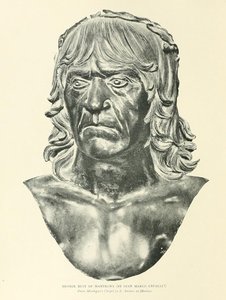
マンテーニャ
1431 - 1506 , イタリア
基本情報
- フルネーム: アンドレア・マンテッナ
- 主な作品:
- サン・ゼノ祭壇画
- 嘆きの場面
- カメラ・デッリ・スポージ
- 出生地: イタリア、イソラ・ディ・カルトゥーロ
- 国籍: イタリア
- 影響を与えた芸術家:
- ラファエロ
- ミケランジェロ
- 影響を受けた芸術家:
- フラアンチェスコ・スクヴァーチョーネ
- ヤコポ・ベリーニ
- 死亡日: 1506年9月13日
- 生年月日: 1431年頃
- 芸術運動: 初期ルネサンス
関連記事

ジョン・シンガー・サージェント:至高の25選 - 美と光の肖像画の世界 | ArtsDot
ジョン・シンガー・サージェントの至高の25選。肖像画、写実主義、光と影の表現が美しい作品群を紐解きます。マダムXや少女の肖像など、時代を超えて愛される名作をArtsDotで鑑賞。高品質なアート複製で、お部屋に美術館のような空間を。今すぐコレクションをご覧ください。

ジョン・コンスタブルの傑作25選:英国風景画の巨匠が描く自然と光の詩 | ArtsDot
ジョン・コンスタブルの傑作25選。英国風景画の巨匠が描く自然と光の詩の世界へ。ロマン主義を代表する絵画、デダム・ヴェールやヘイ・ウェインなど、ArtsDotで高品質なアートプリントをお楽しみください。インテリアに深みと感動を。コレクションはこちら。

The Enduring Legacy of Family Portraiture: A Historical & Artistic Exploration
Explore the rich history of family portraiture with ArtsDot. Discover artistic styles, symbolism & collecting insights. Commission a custom oil painting or appraise your existing artwork today!

Evolving Portraits: Personalized Art as a Chronicle of Family Life Across Generations
Create a timeless family legacy with custom portraits! ArtsDot connects you with skilled artists for heirloom-quality paintings & prints. Explore styles, commission your unique artwork today.
レガシーポートレートで家族の絆を永遠に:歴史と未来を結ぶアートの物語
レガシーポートレートで家族の絆を永遠に。ArtsDotは歴史と未来を結ぶ手描き油絵の専門家です。高品質・信頼性、30日返金保証付き。あなたの大切な瞬間を芸術へ変える価値ある選択です。