

 プレビュー
プレビュー
 プリントを購入
 シェアする
シェアする シェアする
シェアする
 詳細を見る
詳細を見る

 ダウンロード
 似ている作品
 X線調査
X線調査 スライドショー
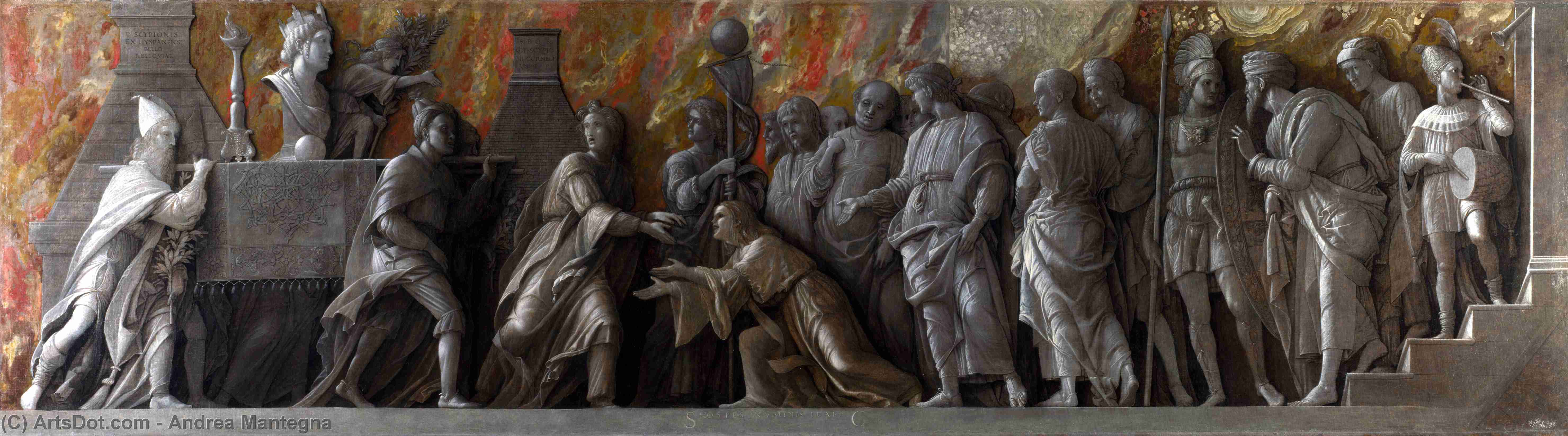
The Introduction of the Cult of Cybele at Rome

 詳細を見る
詳細を見る
オンラインプレビューをはるかに凌ぐ、高解像度で鮮明なデジタル画像をご購入いただけます。
各ファイルは、社内の専門家が高度なツールと熟練した手作業によるレタッチを用いて、細心の注意を払って準備されています。すべての画像において、卓越した鮮明度、正確な色彩再現性、そして繊細なディテールを保証いたします。
最終ファイルは、プロフェッショナルな編集・印刷環境ですぐにご利用いただけるよう最適化された状態で、72時間以内にメールにてお届けいたします。これは、一流のデザインスタジオ、出版社、ギャラリーから信頼されているものと同等の品質です。
デジタル画像のご注文に付随する特典
高品質なデジタル画像配信を、確かな品質で。
ArtsDot.com を選ぶことは、単に画像を手に入れることではありません。それは、プロの手によって精密に仕上げられ、満足保証が付いた高品質なデジタルアートワークを受け取ることを意味します。ご注文いただいた際に自動的に付随する内容は、以下の通りです:

メールですぐにお届け
ご注文から72時間以内に、高解像度のデジタル画像ファイルがメールでお手元に届きます。すぐにそのままご利用いただけます。

AI技術で最適化されたデジタルファイル
お客様の作品は、高度なAIツールと専門家による手作業の編集を組み合わせてプロフェッショナルに最適化されており、細部のディテール、鮮明さ、そして正確な色再現性を最大限に引き出しています。

一生涯無料の再送サービス
ファイルを誤って削除したり、紛失してしまったりしましたか?ご安心ください。いつでも無料で再送いたします。

輸入手数料は一切かかりません
関税や手数料、配送料を気にすることなく、お気に入りのアートワークをすぐにお楽しみいただけます。デジタルダウンロードは常に免税です。

色彩再現の保証
プロ仕様のツールとカラーマネジメント技術を用いることで、デジタル画像が元の色を最大限に忠実に再現することを保証いたします。

60日間満足保証
ご購入いただいたデジタル画像にご満足いただけない場合は、60日以内であれば、修正または100%の返金(理由を問う必要はありません)をさせていただきます。

100% 返金保証
ご満足いただけない場合は、デジタルファイルを受け取ってから60日以内であれば、理由を問わず全額返金いたします。

まとめ買い割引
3枚購入で10%OFF - 5枚購入で15%OFF - 10枚以上購入で20%OFF。クリエイティブなプロジェクト、ギャラリー、エージェンシーに最適です。
The Introduction of the Cult of Cybele at Rome: A Roman Revelation
Andrea Mantegna’s “The Introduction of the Cult of Cybele at Rome” is more than just a historical painting; it's a meticulously crafted window into the heart of ancient Roman culture, brimming with dramatic narrative and profound symbolism. Completed around 1505-1506, this monumental work housed within the National Gallery in London, captures a pivotal moment – the arrival of the powerful goddess Cybele from Asia Minor to Rome, an event steeped in religious significance and political maneuvering. Mantegna’s genius lies not merely in depicting a scene but in imbuing it with a palpable sense of gravitas and theatricality, reminiscent of classical sculpture brought vividly to life.
The painting unfolds against a backdrop that immediately establishes its unique style: a meticulously rendered illusion of polished marble. Mantegna, deeply influenced by the study of Roman ruins – a passion cultivated in his youth under Francesco Squarcione – masterfully employs *grisaille*, a monochrome technique using shades of grey and white to simulate the appearance of sculpted stone. This approach wasn’t simply an aesthetic choice; it was a deliberate homage to antiquity, reflecting Mantegna's desire to resurrect the spirit of Rome within his art. The figures themselves are rendered with a sculptural quality, their forms echoing the idealized proportions found in classical statues – a testament to Mantegna’s profound understanding and emulation of ancient artistic principles.
A Historical Tableau
The scene itself is rooted in Roman history. In 204 BC, Rome sought to appease its gods and secure victory over Carthage by importing Cybele, the Phrygian goddess of fertility, war, and hunting. The story, recounted by Ovid, Livy, and Appian, involved a meteorite shower interpreted as a divine sign demanding the goddess’s arrival. Mantegna meticulously recreates this event, portraying the procession bringing Cybele to Rome – a complex narrative involving senators, priests, soldiers, and even a shepherd playing musical instruments. The inclusion of figures like Scipio Nasica, a prominent Roman patrician, underscores the importance of this religious import for the Cornaro family, who commissioned the painting.
The details are remarkably rich. Note the turbans worn by the foreign priests, signifying their origins from Asia Minor – a subtle yet effective visual cue highlighting the exotic nature of the cult’s arrival. The laurel branches held aloft by some figures evoke Roman triumphs, further emphasizing the significance of this event for the city. Even the positioning of the figures and the arrangement of objects—the spherical stone representing Cybele herself, the torch symbolizing divine illumination—are laden with symbolic meaning, guiding the viewer through the narrative.
Symbolism and Artistic Technique
Beyond its historical context, “The Introduction of the Cult of Cybele at Rome” is a masterclass in artistic technique. Mantegna’s use of *chiaroscuro* – dramatic contrasts between light and dark – adds depth and volume to the figures, creating a powerful sense of three-dimensionality. The careful rendering of drapery, with its sharply defined folds and subtle variations in tone, further enhances this effect. The composition itself is carefully balanced, drawing the eye from the central figure of Cybele towards the surrounding procession, culminating in the distant silhouette of Rome.
Furthermore, Mantegna’s decision to depict the figures as if carved from stone—a technique he pioneered—is a key element of the painting's impact. By mimicking the appearance of sculpture, he elevates the scene beyond mere representation and transforms it into a timeless tableau of Roman grandeur. The use of monochrome further emphasizes this effect, stripping away color and focusing attention on form and texture.
A Legacy of Antiquity
“The Introduction of the Cult of Cybele at Rome” stands as a remarkable testament to Andrea Mantegna’s artistic vision and his deep reverence for antiquity. It is not simply a historical record but a carefully constructed illusion, a vibrant recreation of a pivotal moment in Roman history. Reproductions by Handpainted Reproductions at ArtsDot.com offer an unparalleled opportunity to experience the beauty and power of this masterpiece firsthand, capturing its dramatic composition, intricate detail, and profound symbolism with breathtaking accuracy. Explore the full story and discover how you can bring this iconic artwork into your home or studio.
関連作品



作家の略歴
マンテッナ、古代の精神を呼び覚ますルネサンスの巨匠
アンドレア・マンテッナは、1431年頃にイタリアのイゾラ・ディ・カルトゥーロで生まれ、1506年にマントヴァで生涯を閉じた、初期から盛期ルネサンスにかけて活躍した画家です。彼の芸術的探求は単なる古典様式の模倣ではなく、古代ローマの精神をよみがえらせようとする情熱的な試みでした。マンテッナは同時代の多くの画家とは異なり、古典モデルに触発されるだけでなく、考古学的な正確さへの並外れた執着心を持っていました。このこだわりは、フランチェスコ・スクヴァーチョーネのもとで過ごした幼少期に由来します。スクヴァーチョーネは画家であり収集家であり、彼の工房は伝統的なアトリエというよりも、ローマの廃墟、彫刻、碑文の研究に捧げられたアカデミーのようなものでした。マンテッナの芸術的ビジョンは、失われた帝国の断片に囲まれたこの場所で形作られ、彫刻的な形態、劇的な遠近法、そして細部へのほぼ強迫的な注意を特徴とするビジョンでした。ゴンザーガ家の庇護と現実の幻想
マンテッナのキャリアは、1488年にマントヴァのゴンザーガ家に入職したことで真に開花しました。この後援は、彼に比類のない芸術的自由と、彼の最も野心的なプロジェクトを実現するためのプラットフォームを提供しました。ゴンザーガ家は単なるパトロンではなく、芸術的革新の限界を押し広げる作品を委嘱する共同制作者でした。この時期に、マンテッナは間違いなく彼の傑作である、パラッツォ・ドゥカーレにある「スペーリの部屋」(Bridal Chamber)のフレスコ画を作成しました。この画期的な作品は単なる装飾を超え、建築と絵画をシームレスに統合し、空間の拡張された感覚を作り出す完全な幻想的な環境です。フレスコ画には、ゴンザーガ家の生活を描いた場面、驚くほどリアルで魅力的な肖像画、そして開かれた空を思わせる息を呑むような「見下ろし」(sotto in sù)天井パネルが描かれています。この遠近法の巧妙な操作は単なる技術的なスキルではなく、部屋の中に世界を作り出し、現実と表現の境界線を曖昧にするものでした。スペーリの部屋以外にも、マンテッナはゴンザーガ家の宮廷のために並外れた品質の作品を制作し続け、「カエサルの勝利」という壮大なシリーズもその一つです。これらの絵画は古代ローマの勝利行進に触発されたものであり、単なる歴史的描写ではなく、ゴンザーガ家の権力と威厳を称える壮大な寓話です。遠近法と解剖学的精密さの巨匠
マンテッナの芸術的革新は、幻想的な環境を超えたところにまで及びます。彼は遠近法の使用において先駆者であり、劇的な効果を生み出すために従来のメソッドとは異なる技術をしばしば採用しました。頻繁に地平線を調整し、重厚感と圧倒的なスケール感を醸し出していました。このテクニックは、彼の解剖学的詳細への細心の注意と組み合わさることで、彼の人物に比類のない存在感と重量感を与えました。彼は単に人体を表現するだけでなく、その筋肉を解剖し、その構造をその時代としては画期的な精度でレンダリングしました。「トロンプ・ルイユ」(目の欺瞞)の習得は、この効果をさらに高め、絵画と現実の境界線を曖昧にしました。この解剖学的正確さへの献身は単なる技術的なスキルではなく、古典彫刻との深い関わり合いと、古代の理想化された形態を模倣したいという願望を反映したものでした。彼は人体の本質的な尊厳と力を捉えることを目指していました。彼の後世の芸術家たち、ラファエロやミケランジェロへの影響は否定できません。なぜなら彼らは、遠近法、解剖学、構成におけるマンテッナの基盤の上に構築したからです。遺産と永続的な影響
アンドレア・マンテッナは1506年にマントヴァで亡くなり、今日でも芸術史家や愛好家の間で高く評価されている遺産を残しました。彼の作品はルネサンス美術の歴史における重要な転換点であり、初期ルネサンスと盛期ルネサンス様式との間のギャップを埋めています。彼は単なる古典様式の模倣者ではなく、古代モチーフや技術を採用して、完全に新しい独自のものを生み出しました。彼の細部への綿密な注意、遠近法の習得、そして古代に対する深い関わりは、彼をその時代の主要な芸術家の一人として確立しました。マンテッナの古典的テーマの探求は、古代美術と文化への関心を高め、盛期ルネサンスの芸術的成果への道を開きました。彼の影響は、ラファエロの優雅な構成からミケランジェラの力強い人物まで、後を追う数多くの芸術家の作品に見られます。今日、彼の絵画は世界中の主要な美術館に収蔵されており、今もなお畏敬の念と賞賛を呼び起こしています。- 彼の革新的な遠近法の使用法は、現在でも芸術家や美術史家によって研究されています。
- 彼の解剖学的精度は、現実的な表現のベンチマークとなっています。
- 彼の古典的テーマへの献身は、ルネサンス美術の流れを形作りました。
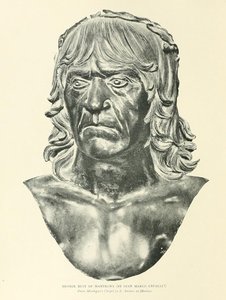
マンテーニャ
1431 - 1506 , イタリア
プロフィール概要
- フルネーム: アンドレア・マンテッナ
- 主な作品:
- サン・ゼノ祭壇画
- 嘆きの場面
- カメラ・デッリ・スポージ
- 出生地: イタリア、イソラ・ディ・カルトゥーロ
- 国籍: イタリア
- 影響を与えた芸術家:
- ラファエロ
- ミケランジェロ
- 影響を受けた芸術家:
- フラアンチェスコ・スクヴァーチョーネ
- ヤコポ・ベリーニ
- 死亡日: 1506年9月13日
- 生年月日: 1431年頃
- 芸術運動: 初期ルネサンス

