

 プレビュー
プレビュー
 プリントを購入
 シェアする
シェアする シェアする
シェアする
 詳細を見る
詳細を見る

 ダウンロード
 似ている作品
 X線調査
X線調査 スライドショー
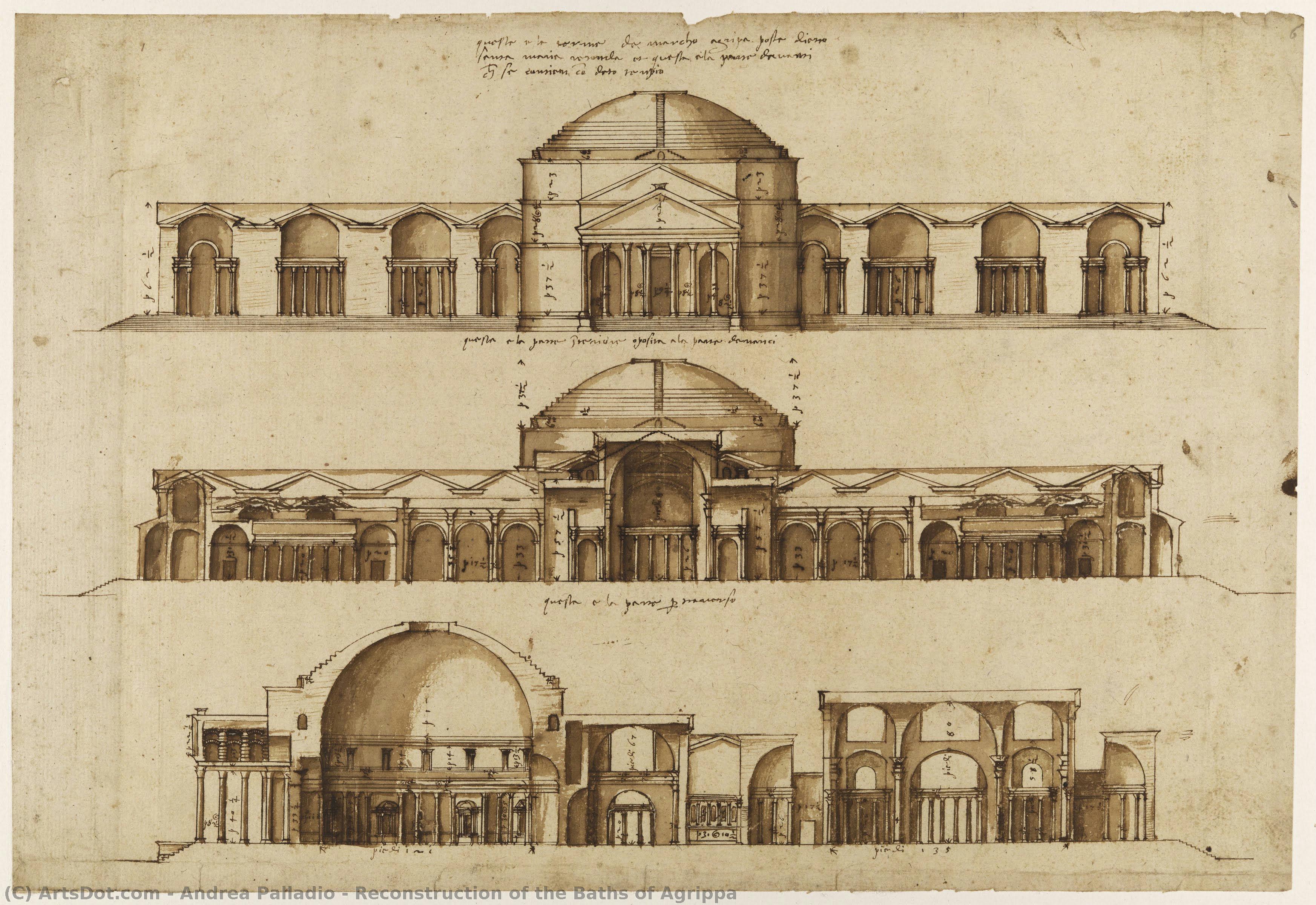
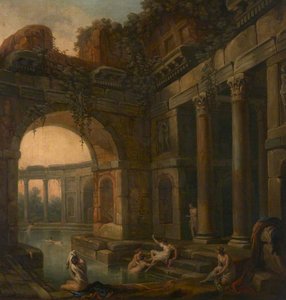
Reconstruction of the Baths of Agrippa


 詳細を見る
詳細を見る
オンラインプレビューをはるかに凌ぐ、高解像度で鮮明なデジタル画像をご購入いただけます。
各ファイルは、社内の専門家が高度なツールと熟練した手作業によるレタッチを用いて、細心の注意を払って準備されています。すべての画像において、卓越した鮮明度、正確な色彩再現性、そして繊細なディテールを保証いたします。
最終ファイルは、プロフェッショナルな編集・印刷環境ですぐにご利用いただけるよう最適化された状態で、72時間以内にメールにてお届けいたします。これは、一流のデザインスタジオ、出版社、ギャラリーから信頼されているものと同等の品質です。
デジタル画像のご注文に付随する特典
高品質なデジタル画像配信を、確かな品質で。
ArtsDot.com を選ぶことは、単に画像を手に入れることではありません。それは、プロの手によって精密に仕上げられ、満足保証が付いた高品質なデジタルアートワークを受け取ることを意味します。ご注文いただいた際に自動的に付随する内容は、以下の通りです:

メールですぐにお届け
ご注文から72時間以内に、高解像度のデジタル画像ファイルがメールでお手元に届きます。すぐにそのままご利用いただけます。

AI技術で最適化されたデジタルファイル
お客様の作品は、高度なAIツールと専門家による手作業の編集を組み合わせてプロフェッショナルに最適化されており、細部のディテール、鮮明さ、そして正確な色再現性を最大限に引き出しています。

一生涯無料の再送サービス
ファイルを誤って削除したり、紛失してしまったりしましたか?ご安心ください。いつでも無料で再送いたします。

輸入手数料は一切かかりません
関税や手数料、配送料を気にすることなく、お気に入りのアートワークをすぐにお楽しみいただけます。デジタルダウンロードは常に免税です。

色彩再現の保証
プロ仕様のツールとカラーマネジメント技術を用いることで、デジタル画像が元の色を最大限に忠実に再現することを保証いたします。

60日間満足保証
ご購入いただいたデジタル画像にご満足いただけない場合は、60日以内であれば、修正または100%の返金(理由を問う必要はありません)をさせていただきます。

100% 返金保証
ご満足いただけない場合は、デジタルファイルを受け取ってから60日以内であれば、理由を問わず全額返金いたします。

まとめ買い割引
3枚購入で10%OFF - 5枚購入で15%OFF - 10枚以上購入で20%OFF。クリエイティブなプロジェクト、ギャラリー、エージェンシーに最適です。
作品の詳細
Reconstruction of the Baths of Agrippa: A Monumental Vision of Roman Elegance
The drawing before us offers an astonishing glimpse into the architectural ambition of Andrea Palladio, capturing not merely the physical structure but also the spirit of classical design. Executed in 1560, this meticulous plan—a cornerstone of Palladio’s oeuvre—represents more than just a building; it embodies the ideals of harmony, proportion, and rational order that defined Renaissance Italy. The image itself is presented as three horizontal panels, each meticulously detailing a different elevation or section of the Baths of Agrippa complex, demonstrating Palladio's dedication to precision and capturing the grandeur of Roman engineering.Architectural Precision: Palladian Technique
Palladio’s masterful draughtsmanship—primarily utilizing pen and ink on paper—is immediately apparent. Extensive hatching and crosshatching dominate the composition, skillfully conveying shading and establishing a palpable sense of three-dimensionality. Lines are predominantly dark brown or black, creating dramatic depth and reinforcing perspective, guiding the viewer's eye across the intricate geometric forms of arches, columns, and the monumental dome. The careful rendering of textures—particularly the aged paper surface—adds to the drawing’s authenticity, transporting us back to the Renaissance workshop where Palladio wrestled with capturing the essence of Roman architectural principles. Note the deliberate placement of Latin annotations within each panel; these serve as crucial contextual clues, highlighting Palladio's scholarly engagement with Vitruvius and his unwavering commitment to reviving classical ideals.The Baths: Symbolism of Imperial Power
Beyond its technical brilliance, the Baths of Agrippa holds profound symbolic significance. Constructed by Marcus Vipsanius Agrippa—Augustus’s loyal ally—during the reign of Augustus, it represented a triumph of Roman engineering and artistic innovation. As Dio recounts, Agrippa undertook three ambitious projects simultaneously: the Domus Aurea (the Golden House), the Pantheon, and the Baths of Agrippa. The Baths were conceived as a space for leisure, social interaction, and physical rejuvenation—a microcosm of imperial power and sophistication. The inclusion of monumental sculpture, notably Lysippus’s Apoxyomenos, underscored this ambition, elevating the complex to the status of an artistic masterpiece. Furthermore, Palladio's design mirrored the grandeur of earlier Roman baths, demonstrating his understanding of architectural history and his desire to emulate the best achievements of antiquity.Influence and Legacy: Palladianism's Enduring Impact
Andrea Palladio’s influence extended far beyond the immediate context of Rome and Vicenza. His groundbreaking treatise, *I quattro libri dell’architettura* (The Four Books of Architecture), published in 1570, codified his architectural principles—symmetry, proportion, and harmony—establishing them as benchmarks for generations of architects to come. Palladio's style resonated across Europe, inspiring figures like Inigo Jones in England and Thomas Jefferson in America, shaping the aesthetic landscape of the Baroque and Neoclassical eras. The Baths of Agrippa itself stands as a testament to this enduring legacy—a tangible embodiment of Palladio’s vision for creating buildings that elevate the human spirit and celebrate the beauty of classical form.関連作品


作家の略歴
Early Life and Training
- Born: Andrea di Pietro della Gondola, November 30, 1508, Padua, Italy
- Died: August 19, 1580
- Origin: Venetian Republic
- Early experiences as a stonecutter in the workshop of Bartolomeo Cavazza da Sossano.
- Moved to Vicenza and worked as a stonemason, creating monuments and decorative sculptures influenced by Michele Sanmicheli's mannerist style.
- Apprenticeship provided foundational skills in construction and sculpture.
Influence of Gian Giorgio Trissino and Early Architectural Development
- Significant mentorship under humanist poet and scholar Gian Giorgio Trissino from 1538-1539.
- Trissino introduced Palladio to classical literature, arts, and sciences, fostering an appreciation for Vitruvius's architectural principles.
- First opportunity to study ancient architecture in Rome under Trissino’s guidance.
- Named "Palladio" by Trissino, alluding to the Greek goddess Pallas Athena and a character in Trissino's play.
The Barbaro Brothers and the Development of Palladian Style
- Patronage of Cardinal Daniele Barbaro and Marcantonio Barbaro significantly shaped Palladio’s career.
- Further study of classical architecture in Rome, 1554.
- Became "proto della serenissima" (chief architect of the Republic of Venice).
- Development of his distinctive architectural style based on Roman and Greek principles.
- Emphasis on symmetry, proportion, and harmony inspired by Vitruvius.
Major Works and Architectural Contributions
- Basilica Palladiana (Vicenza): Notable for its integration of Gothic structure with classical elements. Construction spanned decades and continued after his death.
- Villa Rotonda (near Vicenza): A quintessential example of Palladian architecture, featuring a symmetrical plan and four porticos facing the cardinal directions.
- Villa Foscari (near Venice): Celebrated for its elegant simplicity and harmonious proportions.
- Palazzo Chiericati (Vicenza): Demonstrates Palladio’s mastery of classical facades and interior design.
- Teatro Olimpico (Vicenza): An innovative early example of a permanent enclosed theater, featuring illusionistic scenery.
Legacy and Historical Significance
- Authored I quattro libri dell'architettura ("The Four Books of Architecture"), published in 1570, which codified his architectural principles and became highly influential across Europe.
- Palladianism: His style profoundly influenced architecture for centuries, inspiring architects like Inigo Jones in England and Thomas Jefferson in America.
- UNESCO World Heritage Sites: The City of Vicenza and the Palladian Villas of the Veneto are recognized as a UNESCO World Heritage Site, acknowledging the exceptional architectural legacy.
- Considered one of the most influential architects in Western history due to his innovative designs and enduring impact on architectural theory and practice.
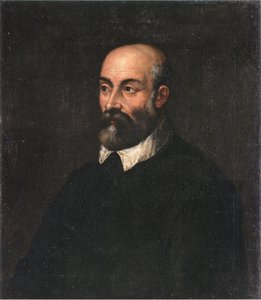
Andrea Palladio
1508 - 1580 , Italy
プロフィール概要
- Artistic Movement Or Style: Renaissance architecture
- Artists Or Movements Influenced By This Artist:
- Camillo Mariani
- Giovanni Battista Zelotti
- Jacopo Sansovino
- Artists Who Influenced This Artist:
- Vitruvius
- Michele Sanmicheli
- Date Of Birth: November 30, 1508
- Date Of Death: August 19, 1580
- Full Name: Andrea Palladio
- Nationality: Italian
- Notable Artworks:
- Reconstruction of Baths of Agrippa
- Palazzo Chiericati
- Villa Foscari
- View of the ''scaenae frons''
- Place Of Birth: Padua, Italy

