

 プレビュー
プレビュー
 プリントを購入
 シェアする
シェアする シェアする
シェアする
 詳細を見る
詳細を見る

 ダウンロード
 似ている作品
 X線調査
X線調査 スライドショー
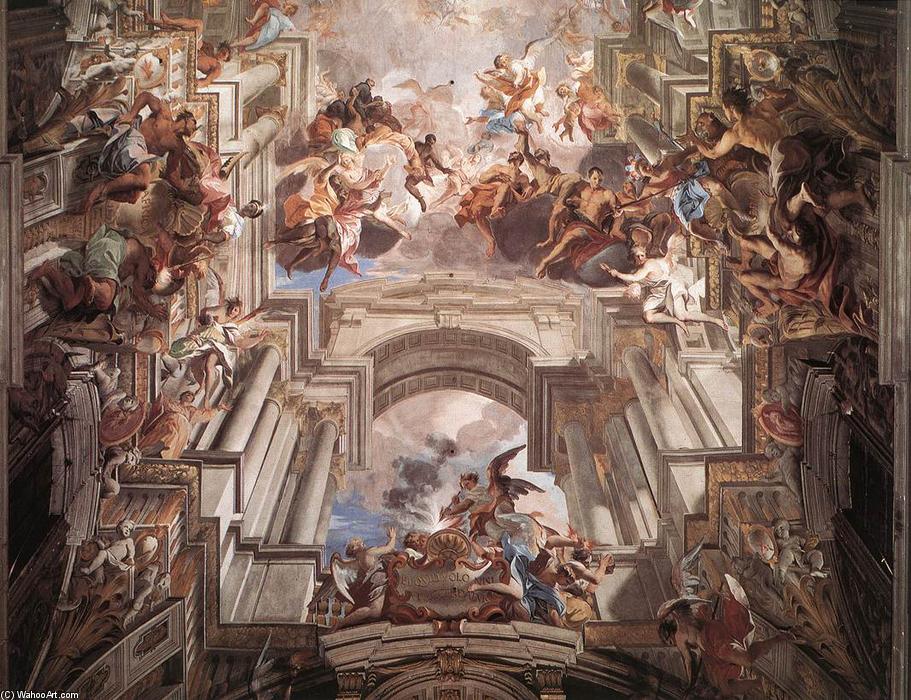
Allegory of the Jesuits' Missionary Work (detail)


 詳細を見る
詳細を見る




P118B $10

P118H $10

P118W $10

P438Z $10

P508JH $12

P508YH $12

P805H $10

P805Z $10

P919BZ $10

P919G $10

P919XJ $10

P959ZH $10

P968JZ $12

W106C $8

W218G $10

W218JH $8

W218Y $10

W307PJ $10

W316G $10

W316PJ $8

W316Y $10

W398PJ $8

W4111J $10

W500HY $15

W500JH $15

W692G $12

W849H $8

W940BG $15

W953PJ $8




作品のオリジナル比率に合わせた、当店の規定サイズからお選びください。

特定のフレームやスペースに合わせて、ご希望のサイズをご入力いただけます。選択されたサイズが元の画像の比率と異なる場合、アートワークをトリミングするか、手描きで要素を追加して絵画を拡張いたします。デジタルモックアップ を制作し、制作開始前にご確認(承認)をいただきます。
画面上のプレビューは、実際のトリミングや拡張を正確に反映しているものではありません。最終的な構図は、モックアップによってのみ正確にご確認いただけます。
カスタムサイズもご利用いただけますが、元の比率を維持するためには、あらかじめ用意されたリストからサイズを選択することをお勧めいたします。
ご注文後、ArtsDot.com チームより詳細な指示をお送りするとともに、仕上がりイメージ(モックアップ)をご提供いたします。


 ガラスオプションは、110cm未満のサイズでのみご利用いただけます。

Allegory of the Jesuits' Missionary Work (detail)
複製技法
複製画のサイズ
-


合計金額
$ 263
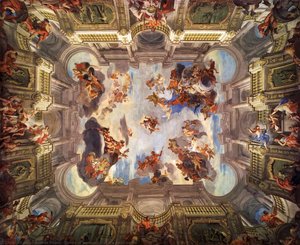
A Triumph of Baroque Illusion: Decoding Pozzo’s Allegory of the Jesuits' Missionary Work
Andrea Pozzo’s “Allegory of the Jesuits’ Missionary Work,” housed within Sant’Ignazio Basilica in Rome, stands as a monumental achievement of Baroque art—a testament to illusionistic painting and a profound reflection of its era. Completed in 1691, this fresco transcends mere decoration; it's an immersive experience designed to inspire awe and convey theological conviction. Pozzo, trained under the influence of Andrea Sacchi, skillfully employed techniques honed during his travels to Como and Milan, establishing himself as a master of perspective and theatrical composition.Architectural Grandeur and Spatial Depth
The immediate impact is one of overwhelming scale and grandeur. Pozzo constructs an architectural edifice that dominates the viewer’s gaze—a soaring nave adorned with Corinthian columns and vaulted ceilings bathed in ethereal light. This isn't simply a depiction of space; it’s a deliberate manipulation of perspective, achieved through a masterful trompe l'oeil technique known as *quadrata pictoria*. Pozzo creates the illusion of depth by painting an architectural façade that appears to extend beyond the basilica walls, drawing the eye upwards and reinforcing the sense of celestial majesty. This ambitious undertaking exemplifies the Baroque fascination with creating convincing illusions—a cornerstone of its artistic philosophy.Figures Embodied in Narrative Symbolism
Scattered throughout the fresco are numerous figures engaged in dynamic poses, conveying a complex narrative about the Jesuits’ mission to evangelize Asia. Angels ascend from the upper register, symbolizing divine grace and guiding the saints below. These saints represent virtues—faith, hope, charity—each illuminated by radiant light, emphasizing their moral significance. The central figure, Saint Ignatius Loyola himself, is depicted in prayerful contemplation, embodying the spiritual leadership of the order. Each gesture, expression, and garment contributes to a layered visual storytelling that speaks to the viewer’s intellect and emotions.Color Palette and Dramatic Lighting: Orchestrating Emotion
Pozzo's color palette leans heavily into earthy tones—ochres, siennas, and umbers—providing a grounding counterpoint to the luminous hues employed for the figures’ attire and accessories. Vibrant blues and reds punctuate the scene, highlighting key elements and intensifying emotional impact. Gold leaf is lavishly applied, symbolizing divine glory and elevating the fresco's visual splendor. Crucially, Pozzo utilizes dramatic lighting—a technique perfected during his Milanese period—to sculpt forms and create a palpable sense of atmosphere. Light streams from unseen windows, illuminating faces and drapery with an otherworldly glow, fostering contemplation and conveying spiritual fervor.A Reflection of Jesuit Patronage and Baroque Ideals
“Allegory of the Jesuits’ Missionary Work” wasn't merely a beautiful painting; it was commissioned by the Society of Jesus—a powerful Catholic order dedicated to spreading Christianity throughout the world. The fresco embodies Baroque ideals of grandeur, piety, and theatrical spectacle—values that resonated deeply with papal patronage during the seventeenth century. Pozzo’s masterpiece serves as an enduring symbol of Jesuit faith and artistic ambition, demonstrating how art could be deployed as a tool for conveying religious belief and shaping cultural perception. It remains a captivating demonstration of Baroque artistry and its ability to transport viewers into another realm.関連作品

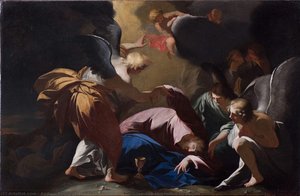
アーティストの略歴
初期の生涯と芸術的形成
1642年、イタリアのトレントにてアンドレアス・プテウスの名で生まれたアンドレア・ポッツォは、ルネサンスの黄昏とバロックの黎明が交差する、変革の時代にその生を享けました。彼の芸術への最初の触れ合いは、地元のイエズス会修道院学校という規律ある環境の中で育まれました。そこで培われた人文科学の素養は、後に彼の作品に宿る物語的な深みへと、密やかに、しかし確実に結実していくことになります。17歳になったポッツォは、トレントの(未だ特定されていない)画家のもとで正式な修行を開始し、やがてヨーロッパを魅了することとなる卓越した技術の礎を築きました。この初期の徒弟修行の後、彼はアンドレア・サッキの様式を継承する画家たちの工房を巡り、探求と研鑽の日々を送ります。そこでの経験は、彼をローマ・ハイバロックの原理へと深く没入させました。さらにコモやミラノへの旅が彼の芸術的視野を広げ、多様な影響に触れることで、技術的な能力をより強固なものへと昇華させていったのです。これらの形成期は、単に彼の筆致を鍛えただけでなく、構図、色彩、そして光と影が織りなす劇的な相互作用を見極める「眼」を養う上で、決定的な役割を果たしました。信仰と錯覚に捧げられた生涯
1665年、ポッツォが修道兄弟としてイエズス会に入会したことは、彼の人生における決定的な転換点となりました。この決断により、彼の芸術的天賦は、イエ説会の精神的な使命と分かちがたく結びついたのです。その才能は直ちに奉仕へと向けられ、イタリア各地の教会や宗教建築を彩っていきました。モデナ、ボローニャ、アレッツォ、モンドヴィ、そしてトリノ――そのすべての地が、彼の成長しゆく技量の証人となりました。初期の作品にはロンバルディア派の影響が見て取れ、豊かなパレットと鮮烈なキアロスクーロ(明暗法)が特徴的です。しかし、やがてポッツォは、自らのレガシーを決定づけることになる独自の錯覚技法を開発し始めます。緻密に描き出された偽の金箔、説得力を持って彫り込まれたかのようなブロンズ色の像、リアルな脈動を感じさせる大理石の柱、そして何よりも有名な、平坦な天井に描かれた息を呑むようなトロンプ・ルイユ(だまし絵)によるドーム。これらは単なる装飾的な技巧ではありませんでした。それらは、反宗教改革の核心的な教義である「信仰の力を強化し、畏敬の念を呼び起こす」ために、緻密に計算された戦略だったのです。クアドラトゥーラの勝利:サン・イニツィオとその先へ
ポッツォの最高傑作であり、バロック美術における最も輝かしい達成の一つとされるのが、ローマのサン・イニツィオ教会の身廊天井です。1685年から1694年にかけて完成したこの記念碑的なフレスコ画は、彼のクアドラトゥーラ(透視図法による建築装飾)の極致を示しています。数学的な遠近法と劇的な短縮法を用いることで、物理的には存在しない広大でそびえ立つような建築空間の錯覚を生み出したのです。天井はあたかも無限に広がる天界へと開かれているかのようで、そこには聖人や天使、そしてイエズス会の宣教活動を象徴する寓意的な姿たちが溢れています。その効果は、見る者を深い混乱へと誘いながらも、同時に魂を揺さぶるほどに感動的であり、地上の限界を超越した精神的な領域へと観る者を引き込みます。これは単なる技術の誇示ではなく、宗教的情熱を呼び起こすために設計された「没入型体験」そのものでした。ポッツォの貢献は絵画に留まりませんでした。1700年にはリュブリャナ大聖堂の建築計画も手掛けており、芸術と建築がシームレスに統合された、全体論的なヴィジョンを提示しています。下方から構造物を見上げるディ・ソット・イン・ス(下から上へ)という革新的な手法は、壮大さと奥行きの錯覚をさらに増幅させました。遺産と理論的貢献
アンドレア・ポッツォの影響力は、彼が完成させた作品の枠を遥かに超えて広がっていました。彼は単なる錯覚芸術の実践者ではなく、その原理を次世代のために体系化しようとした理論家でもありました。1693年、そして再び1700年に出版された『画家と建築家のための遠近法(Perspectiva Pictorum et Architectorum)』は、自らの技法を細部まで記述した論文であり、ヨーロッパ中の芸術家にとって不可欠な指針となりました。この著作によって、彼はバロック期を代表する知的な指導者としての地位を不動のものにしたのです。またポッツォは、建築、絵画、彫刻を単一の調和のとれた芸術体験へと統合させる「ゲザムトクンストヴェルク(総合芸術)」の概念を提唱しました。彼の作品は、錯覚の力を、欺瞞としてではなく、精神を高揚させ神の栄光を讃えるための手段として示した証です。1709年、ウィーンにて彼はその生涯を閉じましたが、現実と表現の境界を再定義したバロックの巨匠が遺したレガシーは、数世紀を経た今もなお、人々の心に畏敬と驚嘆を呼び起こし続けています。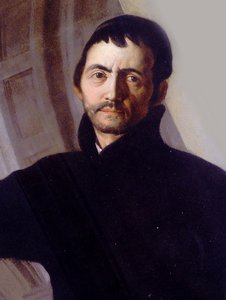
アンドレア・ポッツォ
1642 - 1709 , イタリア
基本情報
- Artistic Movement Or Style: バロック
- Artists Or Movements Influenced By This Artist: ['バロック期の芸術家']
- Artists Who Influenced This Artist:
- アンドレア・サッキ
- ピーテル・パウル・ルーベンス
- Date Of Birth: 1642年
- Date Of Death: 1709年
- Full Name: アンドレア・ポッツォ
- Nationality: イタリア
- Notable Artworks:
- サンティニアーニ教会の天井画
- ゲッセマネのイエス
- 自画像
- Place Of Birth: イタリア、トレント
関連記事

家族の遺産を壁画で彩る:伝統技法が紡ぐ、時を超越する美と記憶
古代から現代までの壁画の歴史と技法を解説。日本の壁画文化やカスタムオーダーによる家族の遺産表現、保存・修復技術まで網羅。専門家が時を超越する美と記憶を紡ぐ芸術的価値をご案内します。

The Enduring Legacy of Fresco: Technique, History & Artistic Expression Across Cultures
Explore the rich history & enduring legacy of fresco painting! Discover ancient techniques, Giotto's masterpieces, and modern applications. Expert insights for art lovers & professionals.

The Enduring Legacy of Fresco Painting: Techniques, History & Contemporary Relevance
Explore the rich history & enduring artistry of fresco painting – from Giotto to Michelangelo! Discover techniques, conservation efforts, & modern applications. Learn how ArtsDot brings this timeless art form to your home.
Art That Lives With You: The Emotional Power of a Custom Interior Fresco
Discover the emotional power & timeless beauty of custom interior frescoes. Explore history, design tips & expert guidance from – creating lasting legacies.

The Dramatic Flourish: Exploring the Baroque Movement's Enduring Legacy in Art History
Explore the dramatic world of Baroque art! Discover iconic artists like Caravaggio & Rubens, defining techniques, and its lasting impact on art history. Expert insights for collectors & enthusiasts at ArtsDot.