

 プレビュー
プレビュー
 シェアする
シェアする シェアする
シェアする
 詳細を見る
詳細を見る

 ダウンロード
 似ている作品
 X線調査
X線調査 スライドショー
 統計情報
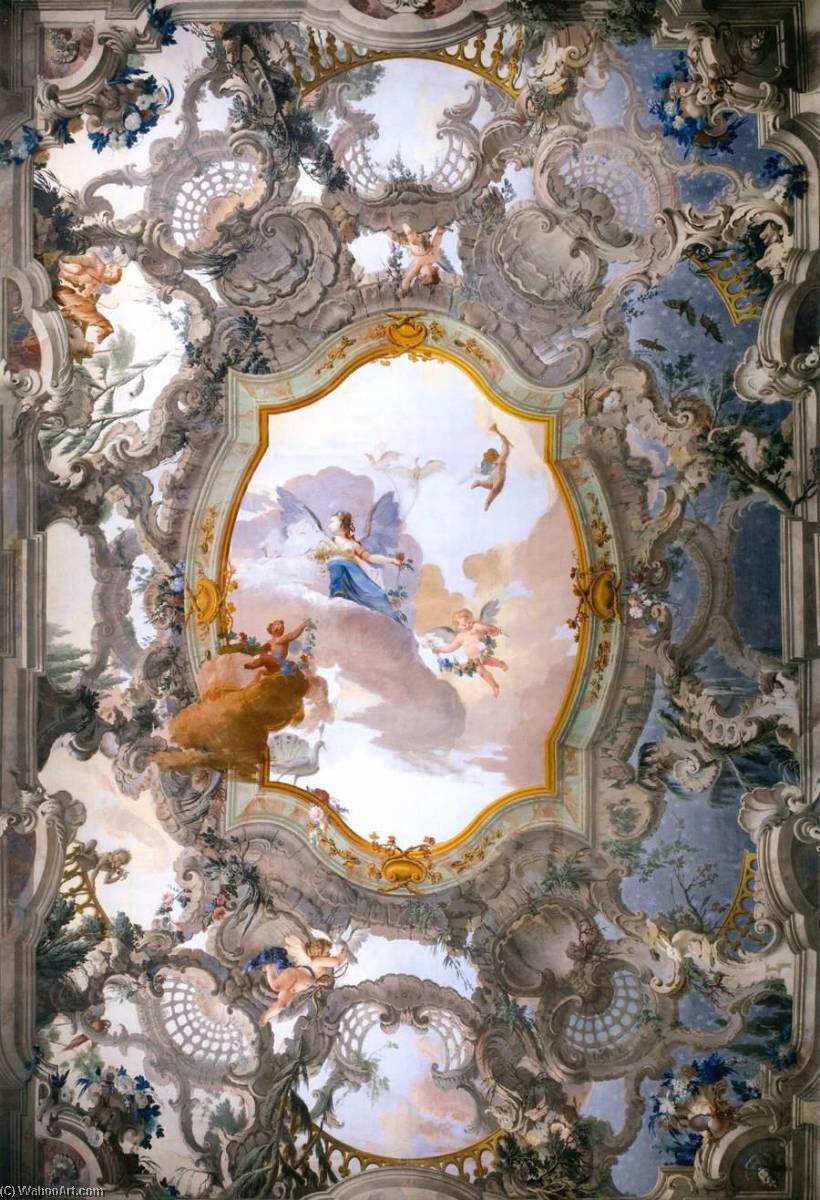
統計情報Ceiling fresco


 詳細を見る
詳細を見る
オンラインプレビューをはるかに凌ぐ、高解像度で鮮明なデジタル画像をご購入いただけます。
各ファイルは、社内の専門家が高度なツールと熟練した手作業によるレタッチを用いて、細心の注意を払って準備されています。すべての画像において、卓越した鮮明度、正確な色彩再現性、そして繊細なディテールを保証いたします。
最終ファイルは、プロフェッショナルな編集・印刷環境ですぐにご利用いただけるよう最適化された状態で、72時間以内にメールにてお届けいたします。これは、一流のデザインスタジオ、出版社、ギャラリーから信頼されているものと同等の品質です。
デジタルアート
個人での鑑賞、印刷、クリエイティブなプロジェクト用に、高解像度ファイルをダウンロードできます。 ( プリント版に切り替え 手描きの絵画を購入)
デジタル画像のご注文に付随する特典
高品質なデジタル画像配信を、確かな品質で。
ArtsDot.com を選ぶことは、単に画像を手に入れることではありません。それは、プロの手によって精密に仕上げられ、満足保証が付いた高品質なデジタルアートワークを受け取ることを意味します。ご注文いただいた際に自動的に付随する内容は、以下の通りです:

メールですぐにお届け
ご注文から72時間以内に、高解像度のデジタル画像ファイルがメールでお手元に届きます。すぐにそのままご利用いただけます。

AI技術で最適化されたデジタルファイル
お客様の作品は、高度なAIツールと専門家による手作業の編集を組み合わせてプロフェッショナルに最適化されており、細部のディテール、鮮明さ、そして正確な色再現性を最大限に引き出しています。

一生涯無料の再送サービス
ファイルを誤って削除したり、紛失してしまったりしましたか?ご安心ください。いつでも無料で再送いたします。

輸入手数料は一切かかりません
関税や手数料、配送料を気にすることなく、お気に入りのアートワークをすぐにお楽しみいただけます。デジタルダウンロードは常に免税です。

色彩再現の保証
プロ仕様のツールとカラーマネジメント技術を用いることで、デジタル画像が元の色を最大限に忠実に再現することを保証いたします。

100日間満足保証
ご購入いただいたデジタル画像にご満足いただけない場合は、100日以内であれば、理由を問わず修正または100%の返金対応をさせていただきます。

100% 返金保証
ご満足いただけない場合は、デジタルファイルを受け取ってから100日以内であれば、理由を問わず全額返金いたします。

まとめ買い割引
3枚購入で10%OFF - 5枚購入で15%OFF - 10枚以上購入で20%OFF。クリエイティブなプロジェクト、ギャラリー、エージェンシーに最適です。
関連作品
作家の略歴
Andrea Urbani: A Master of Serene Landscapes and Architectural Detail
Andrea Urbani (1711-1798) stands as a quietly significant figure in 18th-century Italian art, particularly renowned for his meticulously rendered landscapes and architectural studies. Born in Mantua, Italy, Urbani’s career unfolded primarily within the Gonzaga court, where he served as a court painter for over six decades, shaping the visual identity of the region's most powerful family. Unlike some of his more flamboyant contemporaries, Urbani cultivated a style characterized by restraint, precision, and an almost photographic eye for detail – qualities that earned him considerable respect and established him as a master of capturing the subtle nuances of light, texture, and form.
Urbani’s early artistic training remains somewhat shrouded in mystery. While he undoubtedly studied under the influence of the classical traditions prevalent in Mantua, his work demonstrates a unique synthesis of influences. The meticulous draftsmanship of Canaletto is evident in his cityscapes, while the atmospheric perspective and tonal subtlety of Piranesi are discernible in his landscapes. However, Urbani’s style possesses an inherent Italian sensibility – a deep appreciation for the beauty of the natural world and a profound understanding of architectural design. His compositions often feature a sense of calm and order, reflecting the Gonzaga court's commitment to refined taste and intellectual pursuits.
The Gonzaga Court and Architectural Patronage
Urbani’s career was inextricably linked to the Gonzaga family and their magnificent palace in Mantua. He began as a mere assistant to Giovanni Paolo Pannini, a renowned architectural painter, but quickly established himself as a valued artist in his own right. The Gonzagas were avid collectors of art and architecture, commissioning numerous works that adorned their palaces and villas. Urbani’s role extended beyond simply painting; he was also tasked with documenting the palace's interiors and exteriors, creating detailed drawings and watercolors that served as architectural guides for future renovations and expansions.
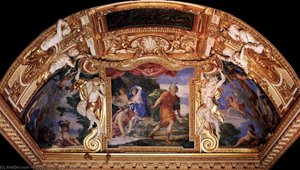
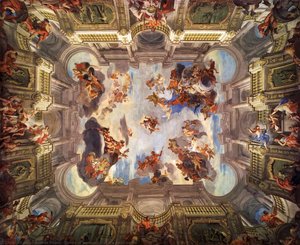
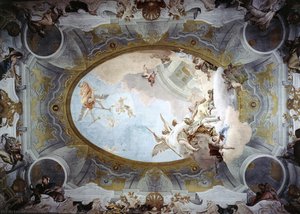
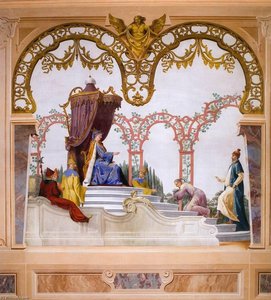
His most significant commissions included elaborate ceiling frescoes within Palazzo Ducale (Ducal Palace) in Mantua, such as “The Mandarin’s Procession” (1764), a vibrant fresco depicting an opulent procession of figures on elephants – a testament to the Gonzaga's wealth and influence. He also produced numerous views of the surrounding countryside, capturing the rolling hills, vineyards, and picturesque villages that defined the region’s landscape. The “Ceiling fresco” (1764) is particularly noteworthy for its intricate detail and masterful use of perspective, showcasing Urbani’s technical skill and artistic vision.
Technique and Artistic Style
Urbani's distinctive style hinges on a remarkable ability to render surfaces with astonishing realism. He employed a meticulous technique, often working from life or using highly detailed sketches as guides. His watercolors, like “The Swan Attacked by Dogs” (1764), demonstrate an exceptional command of color and texture, capturing the delicate plumage of the swan and the rough bark of the trees with remarkable accuracy. He was particularly adept at depicting architectural details – windows, doors, columns, and facades – with a precision that borders on photographic.
Unlike many artists of his time who favored dramatic lighting and bold brushstrokes, Urbani preferred a more subdued palette and subtle gradations of tone. He skillfully used atmospheric perspective to create a sense of depth and distance in his landscapes, while carefully rendering the textures of stone, wood, and foliage. His compositions are often characterized by a balanced arrangement of elements, creating a harmonious and visually pleasing effect. His work is not about grand gestures; it’s about quiet observation and faithful representation.
Legacy and Historical Significance
Andrea Urbani's contribution to Italian art is often overlooked in favor of more flamboyant contemporaries, but his meticulous style and dedication to architectural documentation have secured his place as a significant figure in 18th-century painting. His work provides invaluable insights into the Gonzaga court’s patronage and the artistic tastes of the era.
Beyond his individual achievements, Urbani's legacy lies in his influence on subsequent generations of artists. His emphasis on observation, detail, and tonal subtlety paved the way for later landscape painters who sought to capture the beauty of the natural world with scientific accuracy. His meticulous architectural drawings served as models for architects and designers, shaping the visual language of Italian architecture for decades to come. Today, his works can be found in major museums throughout Italy and beyond, offering a glimpse into the serene landscapes and architectural masterpieces created by this quietly influential artist. The Chiesa dei Santi Andrea e Stefano in Marciano della Chiana, where many of his frescoes remain, and Palazzo del Principe in Genoa, showcase his enduring impact on Italian art and architecture.
andrea urbani
1711 - 1798
プロフィール概要
- Artistic Movement Or Style: Baroque, Landscape
- Date Of Death: 1798
- Full Name: Andrea Urbani
- Nationality: Italian
- Notable Artworks:
- The Mandarin’s Procession
- Ceiling fresco
- The Swan Attacked by Dogs
- Place Of Birth: Mantua, Italy