

 プレビュー
プレビュー
 シェアする
シェアする シェアする
シェアする
 詳細を見る
詳細を見る

 ダウンロード
 似ている作品
 X線調査
X線調査 スライドショー
 統計情報
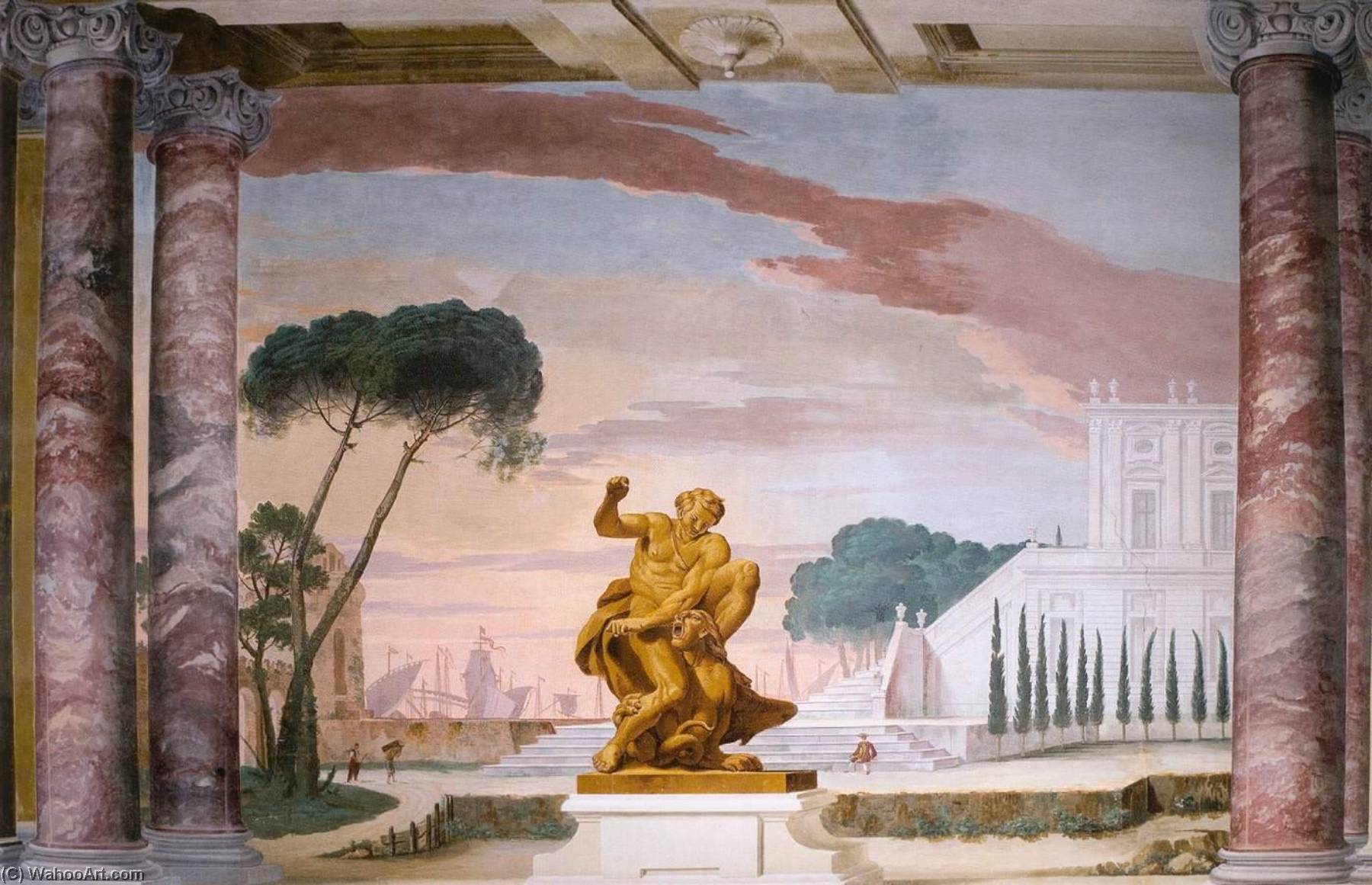
統計情報View of a Large Renaissance Palace (I)

 詳細を見る
詳細を見る
手描き油彩複製画
当社のアーティストが、お客様のご希望のサイズと額縁に合わせて、キャンバスに手描きで制作する油彩画です。 ( プリント版に切り替え デジタル画像販売へ切り替え)




































作品のオリジナル比率に合わせた、当店の規定サイズからお選びください。

特定のフレームやスペースに合わせて、ご希望のサイズをご入力いただけます。選択されたサイズが元の画像の比率と異なる場合、アートワークをトリミングするか、手描きで要素を追加して絵画を拡張いたします。デジタルモックアップ を制作し、制作開始前にご確認(承認)をいただきます。
画面上のプレビューは、実際のトリミングや拡張を正確に反映しているものではありません。最終的な構図は、モックアップによってのみ正確にご確認いただけます。
カスタムサイズもご利用いただけますが、元の比率を維持するためには、あらかじめ用意されたリストからサイズを選択することをお勧めいたします。
ご注文後、ArtsDot.com チームより詳細な指示をお送りするとともに、仕上がりイメージ(モックアップ)をご提供いたします。


 ガラスオプションは、110cm未満のサイズでのみご利用いただけます。

View of a Large Renaissance Palace (I)
複製技法
複製画のサイズ
-


合計金額
$ 263
関連作品









アーティストの略歴
Andrea Urbani: A Master of Serene Landscapes and Architectural Detail
Andrea Urbani (1711-1798) stands as a quietly significant figure in 18th-century Italian art, particularly renowned for his meticulously rendered landscapes and architectural studies. Born in Mantua, Italy, Urbani’s career unfolded primarily within the Gonzaga court, where he served as a court painter for over six decades, shaping the visual identity of the region's most powerful family. Unlike some of his more flamboyant contemporaries, Urbani cultivated a style characterized by restraint, precision, and an almost photographic eye for detail – qualities that earned him considerable respect and established him as a master of capturing the subtle nuances of light, texture, and form.
Urbani’s early artistic training remains somewhat shrouded in mystery. While he undoubtedly studied under the influence of the classical traditions prevalent in Mantua, his work demonstrates a unique synthesis of influences. The meticulous draftsmanship of Canaletto is evident in his cityscapes, while the atmospheric perspective and tonal subtlety of Piranesi are discernible in his landscapes. However, Urbani’s style possesses an inherent Italian sensibility – a deep appreciation for the beauty of the natural world and a profound understanding of architectural design. His compositions often feature a sense of calm and order, reflecting the Gonzaga court's commitment to refined taste and intellectual pursuits.
The Gonzaga Court and Architectural Patronage
Urbani’s career was inextricably linked to the Gonzaga family and their magnificent palace in Mantua. He began as a mere assistant to Giovanni Paolo Pannini, a renowned architectural painter, but quickly established himself as a valued artist in his own right. The Gonzagas were avid collectors of art and architecture, commissioning numerous works that adorned their palaces and villas. Urbani’s role extended beyond simply painting; he was also tasked with documenting the palace's interiors and exteriors, creating detailed drawings and watercolors that served as architectural guides for future renovations and expansions.
His most significant commissions included elaborate ceiling frescoes within Palazzo Ducale (Ducal Palace) in Mantua, such as “The Mandarin’s Procession” (1764), a vibrant fresco depicting an opulent procession of figures on elephants – a testament to the Gonzaga's wealth and influence. He also produced numerous views of the surrounding countryside, capturing the rolling hills, vineyards, and picturesque villages that defined the region’s landscape. The “Ceiling fresco” (1764) is particularly noteworthy for its intricate detail and masterful use of perspective, showcasing Urbani’s technical skill and artistic vision.
Technique and Artistic Style
Urbani's distinctive style hinges on a remarkable ability to render surfaces with astonishing realism. He employed a meticulous technique, often working from life or using highly detailed sketches as guides. His watercolors, like “The Swan Attacked by Dogs” (1764), demonstrate an exceptional command of color and texture, capturing the delicate plumage of the swan and the rough bark of the trees with remarkable accuracy. He was particularly adept at depicting architectural details – windows, doors, columns, and facades – with a precision that borders on photographic.
Unlike many artists of his time who favored dramatic lighting and bold brushstrokes, Urbani preferred a more subdued palette and subtle gradations of tone. He skillfully used atmospheric perspective to create a sense of depth and distance in his landscapes, while carefully rendering the textures of stone, wood, and foliage. His compositions are often characterized by a balanced arrangement of elements, creating a harmonious and visually pleasing effect. His work is not about grand gestures; it’s about quiet observation and faithful representation.
Legacy and Historical Significance
Andrea Urbani's contribution to Italian art is often overlooked in favor of more flamboyant contemporaries, but his meticulous style and dedication to architectural documentation have secured his place as a significant figure in 18th-century painting. His work provides invaluable insights into the Gonzaga court’s patronage and the artistic tastes of the era.
Beyond his individual achievements, Urbani's legacy lies in his influence on subsequent generations of artists. His emphasis on observation, detail, and tonal subtlety paved the way for later landscape painters who sought to capture the beauty of the natural world with scientific accuracy. His meticulous architectural drawings served as models for architects and designers, shaping the visual language of Italian architecture for decades to come. Today, his works can be found in major museums throughout Italy and beyond, offering a glimpse into the serene landscapes and architectural masterpieces created by this quietly influential artist. The Chiesa dei Santi Andrea e Stefano in Marciano della Chiana, where many of his frescoes remain, and Palazzo del Principe in Genoa, showcase his enduring impact on Italian art and architecture.
andrea urbani
1711 - 1798
基本情報
- Artistic Movement Or Style: Baroque, Landscape
- Date Of Death: 1798
- Full Name: Andrea Urbani
- Nationality: Italian
- Notable Artworks:
- The Mandarin’s Procession
- Ceiling fresco
- The Swan Attacked by Dogs
- Place Of Birth: Mantua, Italy