

 プレビュー
プレビュー
 プリントを購入
 シェアする
シェアする シェアする
シェアする
 詳細を見る
詳細を見る

 ダウンロード
 似ている作品
 X線調査
X線調査 スライドショー
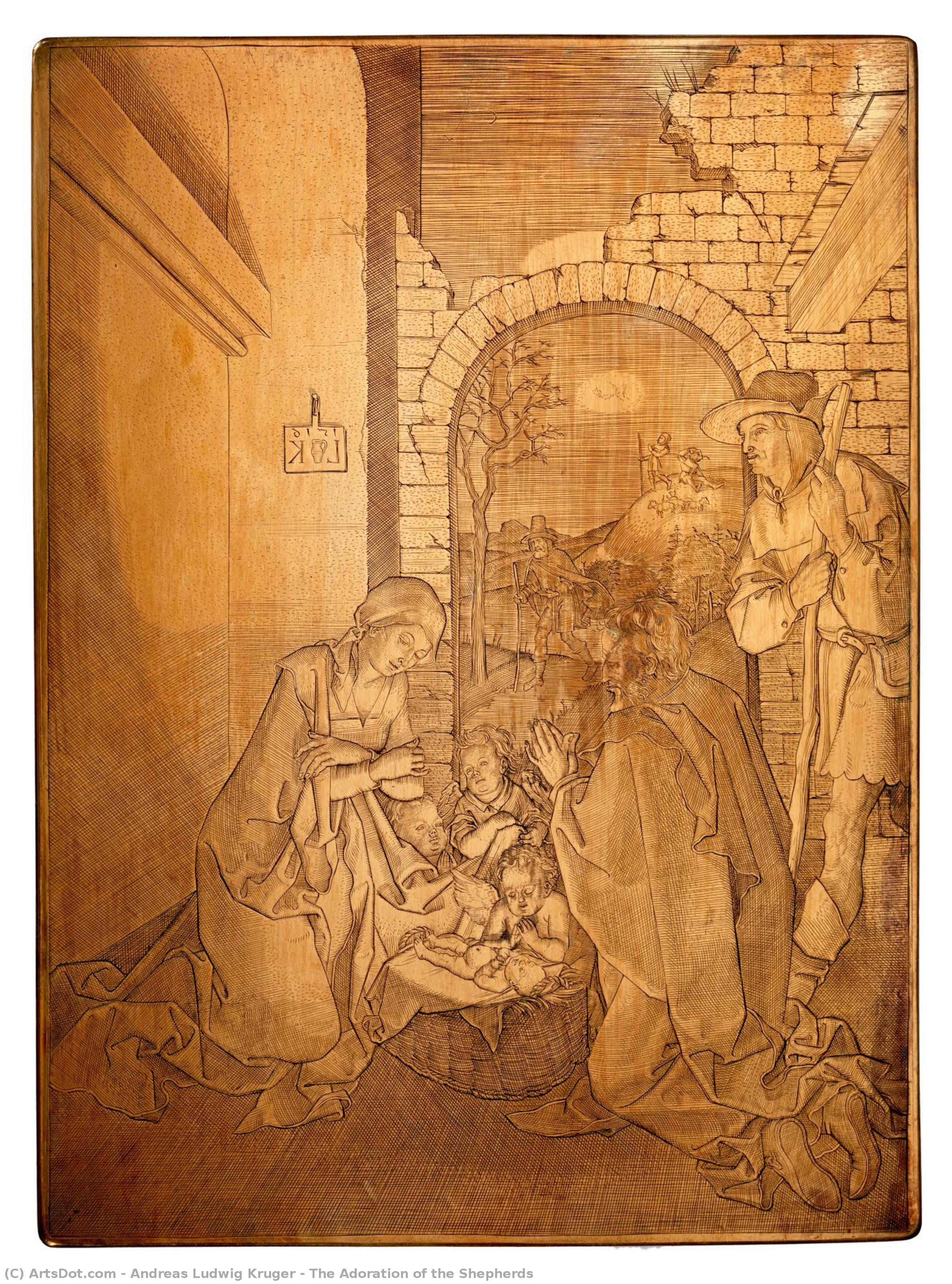
The Adoration of the Shepherds


 詳細を見る
詳細を見る
オンラインプレビューをはるかに凌ぐ、高解像度で鮮明なデジタル画像をご購入いただけます。
各ファイルは、社内の専門家が高度なツールと熟練した手作業によるレタッチを用いて、細心の注意を払って準備されています。すべての画像において、卓越した鮮明度、正確な色彩再現性、そして繊細なディテールを保証いたします。
最終ファイルは、プロフェッショナルな編集・印刷環境ですぐにご利用いただけるよう最適化された状態で、72時間以内にメールにてお届けいたします。これは、一流のデザインスタジオ、出版社、ギャラリーから信頼されているものと同等の品質です。
デジタル画像のご注文に付随する特典
高品質なデジタル画像配信を、確かな品質で。
ArtsDot.com を選ぶことは、単に画像を手に入れることではありません。それは、プロの手によって精密に仕上げられ、満足保証が付いた高品質なデジタルアートワークを受け取ることを意味します。ご注文いただいた際に自動的に付随する内容は、以下の通りです:

メールですぐにお届け
ご注文から72時間以内に、高解像度のデジタル画像ファイルがメールでお手元に届きます。すぐにそのままご利用いただけます。

AI技術で最適化されたデジタルファイル
お客様の作品は、高度なAIツールと専門家による手作業の編集を組み合わせてプロフェッショナルに最適化されており、細部のディテール、鮮明さ、そして正確な色再現性を最大限に引き出しています。

一生涯無料の再送サービス
ファイルを誤って削除したり、紛失してしまったりしましたか?ご安心ください。いつでも無料で再送いたします。

輸入手数料は一切かかりません
関税や手数料、配送料を気にすることなく、お気に入りのアートワークをすぐにお楽しみいただけます。デジタルダウンロードは常に免税です。

色彩再現の保証
プロ仕様のツールとカラーマネジメント技術を用いることで、デジタル画像が元の色を最大限に忠実に再現することを保証いたします。

60日間満足保証
ご購入いただいたデジタル画像にご満足いただけない場合は、60日以内であれば、修正または100%の返金(理由を問う必要はありません)をさせていただきます。

100% 返金保証
ご満足いただけない場合は、デジタルファイルを受け取ってから60日以内であれば、理由を問わず全額返金いたします。

まとめ買い割引
3枚購入で10%OFF - 5枚購入で15%OFF - 10枚以上購入で20%OFF。クリエイティブなプロジェクト、ギャラリー、エージェンシーに最適です。
作品の詳細
A Sacred Encounter in Copper and Light
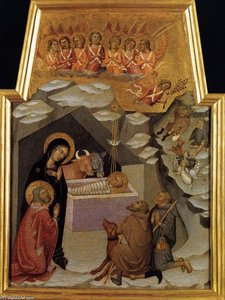
In the quiet, shadowed corners of history, certain images possess the power to transcend time, inviting the viewer into a moment of profound spiritual intimacy. The Adoration of the Shepherds, a masterful creation by the German artist Andreas Ludwig Kruger, serves as such a window into the divine. Dating back to 1516, this work—originally conceived through the meticulous medium of copper engraving—captures the very essence of the Nativity. Through a clever use of a missing side wall, Kruger invites us to peer into a dilapidated, rustic structure, where the light of the heavens meets the humble earth. The composition draws the eye inward, past the crumbling textures of the brickwork and the perforated roof, toward the radiant center of the scene: the newborn Christ.
The atmosphere of the piece is one of hushed reverence and quiet wonder. As we gaze upon the gathering, we see Mary, Joseph, and the infant Jesus enveloped in a soft, celestial glow that seems to emanate from the child himself. The presence of angels, positioned like silent sentinels on either side of the holy family, adds a layer of ethereal grace to the earthly setting. There is a palpable sense of stillness, as if the entire world has paused its rotation to witness this singular event. For the collector or the interior designer, this painting offers more than mere decoration; it provides a focal point of contemplative peace, capable of anchoring a room with its profound emotional depth and historical weight.
Mastery of Detail and Symbolic Depth
Kruger’s technique reflects the meticulous tradition of the Nuremberg school, echoing the precision found in the works of masters like Albrecht Dürer. Every element within the frame is imbued with symbolic significance. The ruined state of the building—the broken arches and the weathered bricks—is not merely a stylistic choice but a powerful metaphor for the old world making way for the new covenant. The sign reading "Maria" above the archway serves as a poignant reminder of the central figure's role in this sacred narrative, anchoring the viewer's focus amidst the intricate textures of the engraving.
The interplay of light and shadow, known as chiaroscuro, is utilized here to guide the emotional journey of the observer. The darkness of the dilapidated interior contrasts sharply with the luminous presence of the holy figures, creating a visual tension that mirrors the intersection of the mortal and the divine. This dramatic lighting technique ensures that the painting remains captivating from every angle, making it an exquisite choice for high-quality reproductions intended for sophisticated spaces. Whether placed in a grand library or a quiet study, this artwork brings with it a legacy of craftsmanship and a timeless invitation to reflect on the beauty of the miraculous.
関連作品
作家の略歴
Early Life and Artistic Beginnings in Potsdam
Andreas Ludwig Kruger, born in the Prussian city of Potsdam in 1743, emerged into a world steeped in Enlightenment ideals and burgeoning artistic expression. While detailed biographical accounts remain scarce, we know his early life unfolded against the backdrop of Frederick the Great’s reign—a period that fostered both military prowess and cultural refinement. The precise nature of Kruger's initial training is undocumented; however, it’s reasonable to assume he received foundational instruction in drawing and painting within Potsdam’s artistic circles. This formative period likely instilled in him a meticulous attention to detail and an appreciation for the natural world—qualities that would become hallmarks of his mature work. His early career saw him working as both a painter and architect, demonstrating a versatile talent that extended beyond purely pictorial representation. A pivotal moment arrived when he accepted a position as drawing teacher to Prince Friedrich Wilhelm III and Princess Louise of Prussia, solidifying his standing within the royal court and providing access to patronage that would shape his artistic trajectory.A Master of Watercolor and Engraving
Kruger’s reputation rests primarily on his exquisite watercolors and detailed engravings. He wasn't merely replicating scenes; he was capturing a precise moment in time with remarkable fidelity. His subjects were diverse, ranging from evocative landscapes to meticulously rendered biblical narratives. The 18th century witnessed a growing fascination with scientific illustration, and Kruger’s work reflects this trend—his depictions of flora and fauna possess an almost clinical accuracy, yet they are infused with a delicate aesthetic sensibility. His watercolors, in particular, stand out for their luminous quality and subtle gradations of color. He skillfully employed layering techniques to create depth and atmosphere, imbuing his landscapes with a sense of tranquility and realism. Beyond landscapes, Kruger demonstrated a profound ability to translate complex religious themes into compelling visual narratives. His engravings of scenes from the Bible—such as “The Adoration of the Shepherds” and “The Adoration of the Magi”—are characterized by their dramatic composition and emotional resonance.Berlin and the Depiction of Urban Life
Kruger’s artistic focus shifted significantly during his time in Berlin, where he became increasingly engaged with documenting the city's evolving urban landscape. His series of paintings depicting Wilhelmsplatz—most notably “West Aspect Of Wilhelmsplatz, C.1773”—offer a fascinating glimpse into 18th-century Prussian life. These works are not simply topographical records; they are meticulously detailed social commentaries, capturing the bustling activity, architectural nuances, and everyday routines of Berlin’s inhabitants. The paintings reveal a keen eye for perspective and proportion, showcasing Kruger's skill as an architect translating to his painting practice. He captured the grandeur of the Prussian architecture alongside the more mundane aspects of daily life, creating a balanced and nuanced portrayal of the city. These works provide invaluable historical documentation, offering insights into the fashion, transportation, and social customs of the period.Influences and Artistic Development
Pinpointing Kruger’s direct artistic influences proves challenging due to limited scholarly research. However, it's plausible that he drew inspiration from contemporary landscape painters such as Jacob Philipp Hackert, known for his Italianate landscapes and atmospheric effects. The influence of scientific illustration is also evident in his precise renderings of natural forms. Furthermore, the prevailing Rococo aesthetic—characterized by its elegance, ornamentation, and pastel color palettes—likely shaped his early style. Over time, Kruger’s work evolved towards a more refined realism, reflecting a growing emphasis on observation and accuracy. He moved away from the overt theatricality of Rococo in favor of a quieter, more contemplative approach to landscape painting. His later biblical scenes demonstrate a greater psychological depth, suggesting an engagement with contemporary literary and philosophical currents.Legacy and Historical Significance
Andreas Ludwig Kruger died in Dresden in 1822, leaving behind a body of work that offers a unique window into the artistic and social world of late 18th-century Prussia. While he may not be as widely recognized as some of his contemporaries, his contributions to watercolor painting and engraving are significant. His meticulous attention to detail, combined with his delicate aesthetic sensibility, established him as a master of his craft. His paintings of Wilhelmsplatz remain invaluable historical documents, providing insights into the urban life of Berlin during a period of rapid transformation. Kruger’s work continues to be appreciated for its technical skill, artistic beauty, and historical significance—a testament to the enduring power of observation and the evocative potential of watercolor and engraving.
andreas ludwig kruger
1743 - 1822 , Germany
プロフィール概要
- Artistic Movement Or Style: Watercolor Painting
- Date Of Birth: 1743
- Date Of Death: 1822
- Full Name: Andreas Ludwig Kruger
- Nationality: German
- Notable Artworks: ['West Aspect Of Wilhelmsplatz']
- Place Of Birth: Potsdam, Germany

