

 プレビュー
プレビュー
 プリントを購入
 シェアする
シェアする シェアする
シェアする
 詳細を見る
詳細を見る

 ダウンロード
 似ている作品
 X線調査
X線調査 スライドショー
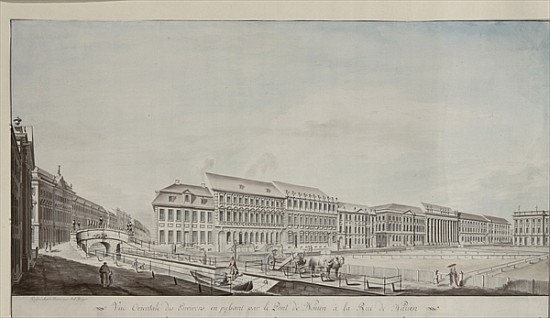
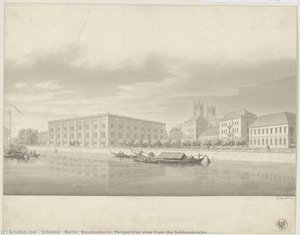
West Aspect Of Wilhelmsplatz, C.1773

 詳細を見る
詳細を見る




P118B $10

P118H $10

P118W $10

P438Z $10

P508JH $12

P508YH $12

P805H $10

P805Z $10

P919BZ $10

P919G $10

P919XJ $10

P959ZH $10

P968JZ $12

W106C $8

W218G $10

W218JH $8

W218Y $10

W307PJ $10

W316G $10

W316PJ $8

W316Y $10

W398PJ $8

W4111J $10

W500HY $15

W500JH $15

W692G $12

W849H $8

W940BG $15

W953PJ $8




作品のオリジナル比率に合わせた、当店の規定サイズからお選びください。

特定のフレームやスペースに合わせて、ご希望のサイズをご入力いただけます。選択されたサイズが元の画像の比率と異なる場合、アートワークをトリミングするか、手描きで要素を追加して絵画を拡張いたします。デジタルモックアップ を制作し、制作開始前にご確認(承認)をいただきます。
画面上のプレビューは、実際のトリミングや拡張を正確に反映しているものではありません。最終的な構図は、モックアップによってのみ正確にご確認いただけます。
カスタムサイズもご利用いただけますが、元の比率を維持するためには、あらかじめ用意されたリストからサイズを選択することをお勧めいたします。
ご注文後、ArtsDot.com チームより詳細な指示をお送りするとともに、仕上がりイメージ(モックアップ)をご提供いたします。


 ガラスオプションは、110cm未満のサイズでのみご利用いただけます。

West Aspect Of Wilhelmsplatz, C.1773
複製技法
複製画のサイズ
-


合計金額
$ 338
関連作品
アーティストの略歴
Early Life and Artistic Beginnings in Potsdam
Andreas Ludwig Kruger, born in the Prussian city of Potsdam in 1743, emerged into a world steeped in Enlightenment ideals and burgeoning artistic expression. While detailed biographical accounts remain scarce, we know his early life unfolded against the backdrop of Frederick the Great’s reign—a period that fostered both military prowess and cultural refinement. The precise nature of Kruger's initial training is undocumented; however, it’s reasonable to assume he received foundational instruction in drawing and painting within Potsdam’s artistic circles. This formative period likely instilled in him a meticulous attention to detail and an appreciation for the natural world—qualities that would become hallmarks of his mature work. His early career saw him working as both a painter and architect, demonstrating a versatile talent that extended beyond purely pictorial representation. A pivotal moment arrived when he accepted a position as drawing teacher to Prince Friedrich Wilhelm III and Princess Louise of Prussia, solidifying his standing within the royal court and providing access to patronage that would shape his artistic trajectory.A Master of Watercolor and Engraving
Kruger’s reputation rests primarily on his exquisite watercolors and detailed engravings. He wasn't merely replicating scenes; he was capturing a precise moment in time with remarkable fidelity. His subjects were diverse, ranging from evocative landscapes to meticulously rendered biblical narratives. The 18th century witnessed a growing fascination with scientific illustration, and Kruger’s work reflects this trend—his depictions of flora and fauna possess an almost clinical accuracy, yet they are infused with a delicate aesthetic sensibility. His watercolors, in particular, stand out for their luminous quality and subtle gradations of color. He skillfully employed layering techniques to create depth and atmosphere, imbuing his landscapes with a sense of tranquility and realism. Beyond landscapes, Kruger demonstrated a profound ability to translate complex religious themes into compelling visual narratives. His engravings of scenes from the Bible—such as “The Adoration of the Shepherds” and “The Adoration of the Magi”—are characterized by their dramatic composition and emotional resonance.Berlin and the Depiction of Urban Life
Kruger’s artistic focus shifted significantly during his time in Berlin, where he became increasingly engaged with documenting the city's evolving urban landscape. His series of paintings depicting Wilhelmsplatz—most notably “West Aspect Of Wilhelmsplatz, C.1773”—offer a fascinating glimpse into 18th-century Prussian life. These works are not simply topographical records; they are meticulously detailed social commentaries, capturing the bustling activity, architectural nuances, and everyday routines of Berlin’s inhabitants. The paintings reveal a keen eye for perspective and proportion, showcasing Kruger's skill as an architect translating to his painting practice. He captured the grandeur of the Prussian architecture alongside the more mundane aspects of daily life, creating a balanced and nuanced portrayal of the city. These works provide invaluable historical documentation, offering insights into the fashion, transportation, and social customs of the period.Influences and Artistic Development
Pinpointing Kruger’s direct artistic influences proves challenging due to limited scholarly research. However, it's plausible that he drew inspiration from contemporary landscape painters such as Jacob Philipp Hackert, known for his Italianate landscapes and atmospheric effects. The influence of scientific illustration is also evident in his precise renderings of natural forms. Furthermore, the prevailing Rococo aesthetic—characterized by its elegance, ornamentation, and pastel color palettes—likely shaped his early style. Over time, Kruger’s work evolved towards a more refined realism, reflecting a growing emphasis on observation and accuracy. He moved away from the overt theatricality of Rococo in favor of a quieter, more contemplative approach to landscape painting. His later biblical scenes demonstrate a greater psychological depth, suggesting an engagement with contemporary literary and philosophical currents.Legacy and Historical Significance
Andreas Ludwig Kruger died in Dresden in 1822, leaving behind a body of work that offers a unique window into the artistic and social world of late 18th-century Prussia. While he may not be as widely recognized as some of his contemporaries, his contributions to watercolor painting and engraving are significant. His meticulous attention to detail, combined with his delicate aesthetic sensibility, established him as a master of his craft. His paintings of Wilhelmsplatz remain invaluable historical documents, providing insights into the urban life of Berlin during a period of rapid transformation. Kruger’s work continues to be appreciated for its technical skill, artistic beauty, and historical significance—a testament to the enduring power of observation and the evocative potential of watercolor and engraving.
andreas ludwig kruger
1743 - 1822 , Germany
基本情報
- Artistic Movement Or Style: Watercolor Painting
- Date Of Birth: 1743
- Date Of Death: 1822
- Full Name: Andreas Ludwig Kruger
- Nationality: German
- Notable Artworks: ['West Aspect Of Wilhelmsplatz']
- Place Of Birth: Potsdam, Germany
関連記事

The Rococo Aesthetic: Opulence, Rebellion & the Pursuit of Pleasure in 18th-Century Art
Explore the opulent world of Rococo art! Discover its origins, key artists like Watteau & Boucher, and lasting influence on design. Expert insights for collectors & enthusiasts.

華麗なるロココ:芸術史を彩る10大傑作の世界
華麗なるロココ美術の世界へ。バロックから生まれた優雅な芸術、その10大傑作を徹底解説!ブーシェ、フロマンなど巨匠たちの技と物語を紐解き、お部屋を彩るアートを見つけよう。ArtsDot.comで至高の美術館品質レプリカとインテリアアイデアを発見。

The Enduring Legacy of Oil on Canvas: Technique, History & Aesthetic Impact
Explore the rich history & techniques of oil painting – from Renaissance masters to Impressionism. Discover pigments, layering methods, and why this timeless medium endures. Expert insights for artists & art enthusiasts.

Oil on Canvas: A Historical & Technical Exploration of a Timeless Artistic Medium
Explore the rich history & enduring techniques of oil painting on canvas. Discover the science behind its longevity, conservation practices, and contemporary relevance. Expert insights for art enthusiasts.

The Enduring Power of Painting: A Historical & Contemporary Exploration of Form and Emotion
Explore the rich history & enduring techniques of oil painting with ArtsDot. Discover masterpieces, learn about art collecting, and find authentic handmade reproductions crafted by skilled artists.

