

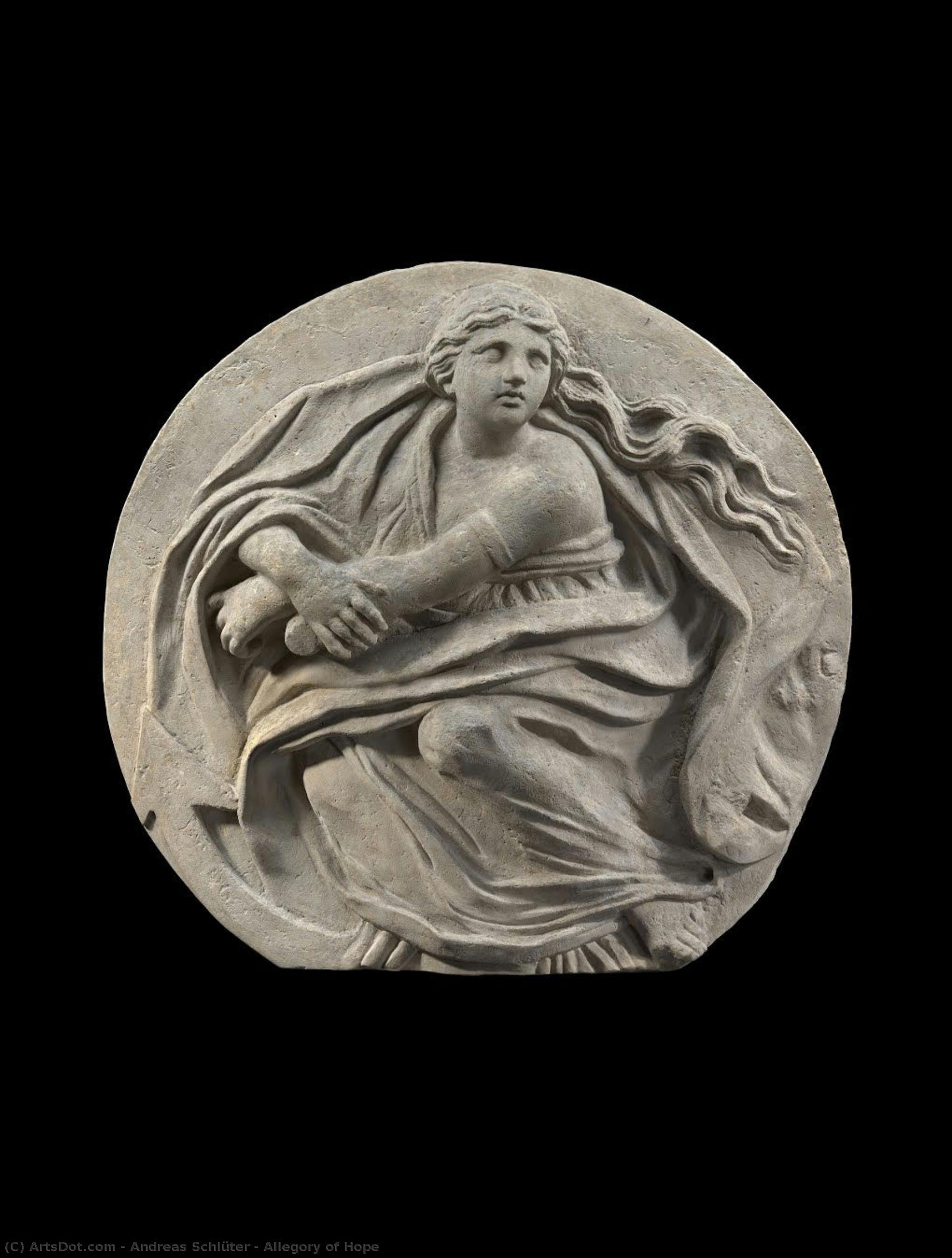
 プレビュー
プレビュー
 シェアする
シェアする シェアする
シェアする
 詳細を見る
詳細を見る

 ダウンロード
 似ている作品
 X線調査
X線調査 スライドショー
 統計情報
統計情報Allegory of Hope

 詳細を見る
詳細を見る
ジークレー/アートプリント
迅速な制作と多彩な仕上げオプションを備えた、ミュージアムクオリティのジークレーまたはキャンバスプリント。 ( 手描きの絵画を購入 デジタル画像販売へ切り替え)




































作品のオリジナル比率に合わせた、当店の規定サイズからお選びください。

特定のフレームやスペースに合わせて、ご自身でサイズを指定することも可能です。選択されたサイズが元の画像の比率と一致しない場合、作品をトリミングするか、鏡面反射または単色での塗りつぶしによって画像を拡張いたします。制作を開始する前に、ご確認用のデジタルモックアップをお送りいたします。
画面上のプレビューには、実際のトリミングや拡張は反映されませんのでご注意ください。最終的な構図を正確に確認できるのは、モックアップのみとなります。
カスタムサイズも承っておりますが、元の比率を維持するためには、あらかじめ用意されたリストからサイズを選択することをお勧めいたします。


 ガラスオプションは、110cm未満のサイズでのみご利用いただけます。

Allegory of Hope
ジークレー/アートプリント
複製画のサイズ
-


合計金額
$ 62
関連作品



アーティストの略歴
Johannes Vermeer: A Life Painted in Light and Shadow
Johannes Vermeer, a name synonymous with Delft in the 17th century, remains one of the most enigmatic and beloved figures in art history. Born in 1632, his life was remarkably short – he died just shy of his fifty-fifth birthday – yet within those brief years, he produced a body of work that continues to captivate audiences with its intimate scenes, masterful use of light, and subtle explorations of human emotion. Vermeer’s legacy isn't defined by grand historical narratives or dramatic events; it resides in the quiet beauty of his paintings, offering glimpses into domestic life and the everyday experiences of ordinary people.
Vermeer’s early life remains shrouded in some mystery. He apprenticed as a painter to Pieter van Averst, a Haarlem artist known for his detailed genre scenes and portraits. This training provided him with a solid foundation in technique, but it was Vermeer's own artistic vision that would ultimately distinguish him. Unlike many of his contemporaries who specialized in specific genres – religious works, historical paintings, or portraiture – Vermeer’s output was remarkably consistent: primarily domestic interiors populated by women and children. These scenes, often bathed in a soft, diffused light, are not merely depictions of daily life; they possess an almost dreamlike quality, inviting viewers to contemplate the complexities of human relationships and the fleeting nature of time.
The Delft Workshop and Artistic Influences
Vermeer established his workshop in Delft around 1653, a city renowned for its vibrant art scene during the Dutch Golden Age. He was part of a thriving community of artists, and it’s believed he collaborated with assistants on many of his paintings, particularly the larger, more complex works. However, despite these collaborations, Vermeer's distinctive style—his meticulous attention to detail, his innovative use of light, and his ability to capture subtle nuances of expression—remains undeniably his own. His work was influenced by several key sources.
- Rembrandt van Rijn: Vermeer’s father-in-law, Rembrandt, exerted a profound influence on him, particularly in the use of chiaroscuro – the dramatic contrast between light and dark—to create depth and atmosphere.
- Italian Masters: Vermeer traveled to Italy in 1653, where he studied the works of Venetian painters like Titian and Veronese. He was particularly drawn to their loose brushwork, vibrant colors, and ability to capture fleeting moments.
- Jan Steen: The Dutch painter Jan Steen’s lively scenes of everyday life provided Vermeer with inspiration for his own depictions of domestic interiors.
Key Works and Artistic Techniques
Vermeer's most celebrated paintings offer a window into the world of 17th-century Delft. *Girl with a Pearl Earring* (c. 1665), arguably his most famous work, is renowned for its enigmatic gaze and the luminous quality of the pearl. The painting’s power lies in its simplicity—a single figure against a dark background—and Vermeer's masterful manipulation of light to create an almost palpable sense of presence.
- The Milkmaid (1657-1658): This seemingly simple scene of a woman drawing water from a well is remarkable for its realism and the way Vermeer captures the warmth of the sunlight on her skin.
- View of Delft (c. 1660-1661): This panoramic view of his hometown showcases Vermeer’s innovative use of perspective and light to create a sense of depth and atmosphere. The painting is notable for its subtle gradations of color and the way Vermeer captures the reflections in the canals.
- The Art of Painting (c. 1664-1665): This complex composition, featuring a man studying a painting, is considered one of Vermeer’s most ambitious works. It reflects his interest in optics and the nature of representation.
Vermeer's technique was characterized by meticulous detail, achieved through numerous layers of thin glazes applied to the canvas. He employed a unique method of preparing his canvases, often using a mixture of lead white and chalk, which resulted in a smooth, reflective surface that enhanced the luminosity of his paintings. His use of *sfumato*, a technique borrowed from Leonardo da Vinci, created soft edges and hazy forms, contributing to the dreamlike quality of his work.
Historical Significance and Legacy
Despite his relatively short career and limited output, Johannes Vermeer’s influence on art history is profound. He is considered one of the greatest masters of the Dutch Golden Age, and his paintings continue to be admired for their beauty, subtlety, and emotional depth. Vermeer's focus on everyday life—on the quiet moments of domesticity—provided a new perspective on painting, moving away from grand historical narratives and religious themes towards more intimate and personal subjects.
Today, Vermeer’s paintings are housed in major museums around the world, including the Mauritshuis in The Hague, the National Gallery in London, and the Metropolitan Museum of Art in New York. His work continues to inspire artists and viewers alike, reminding us of the power of art to capture the beauty and complexity of human experience. The enduring mystery surrounding his life only adds to the allure of this remarkable artist—a master of light, shadow, and the quiet poetry of everyday life.

andreas schlüter
1660 - 1714 , Germany
基本情報
- Artistic Movement Or Style: Baroque/Dutch Golden Age
- Artists Or Movements Influenced By This Artist:
- Baroque painting
- Dutch Golden Age
- Artists Who Influenced This Artist:
- Rembrandt
- Peter Paul Rubens
- Date Of Death: 1675
- Full Name: Johannes Vermeer
- Nationality: Dutch
- Notable Artworks:
- Girl with a Delft Pitcher
- The Milkmaid
- View of Delft
- The Little Street
- Place Of Birth: Delft, Netherlands