

 プレビュー
プレビュー
 プリントを購入
 シェアする
シェアする シェアする
シェアする
 詳細を見る
詳細を見る

 ダウンロード
 似ている作品
 X線調査
X線調査 スライドショー
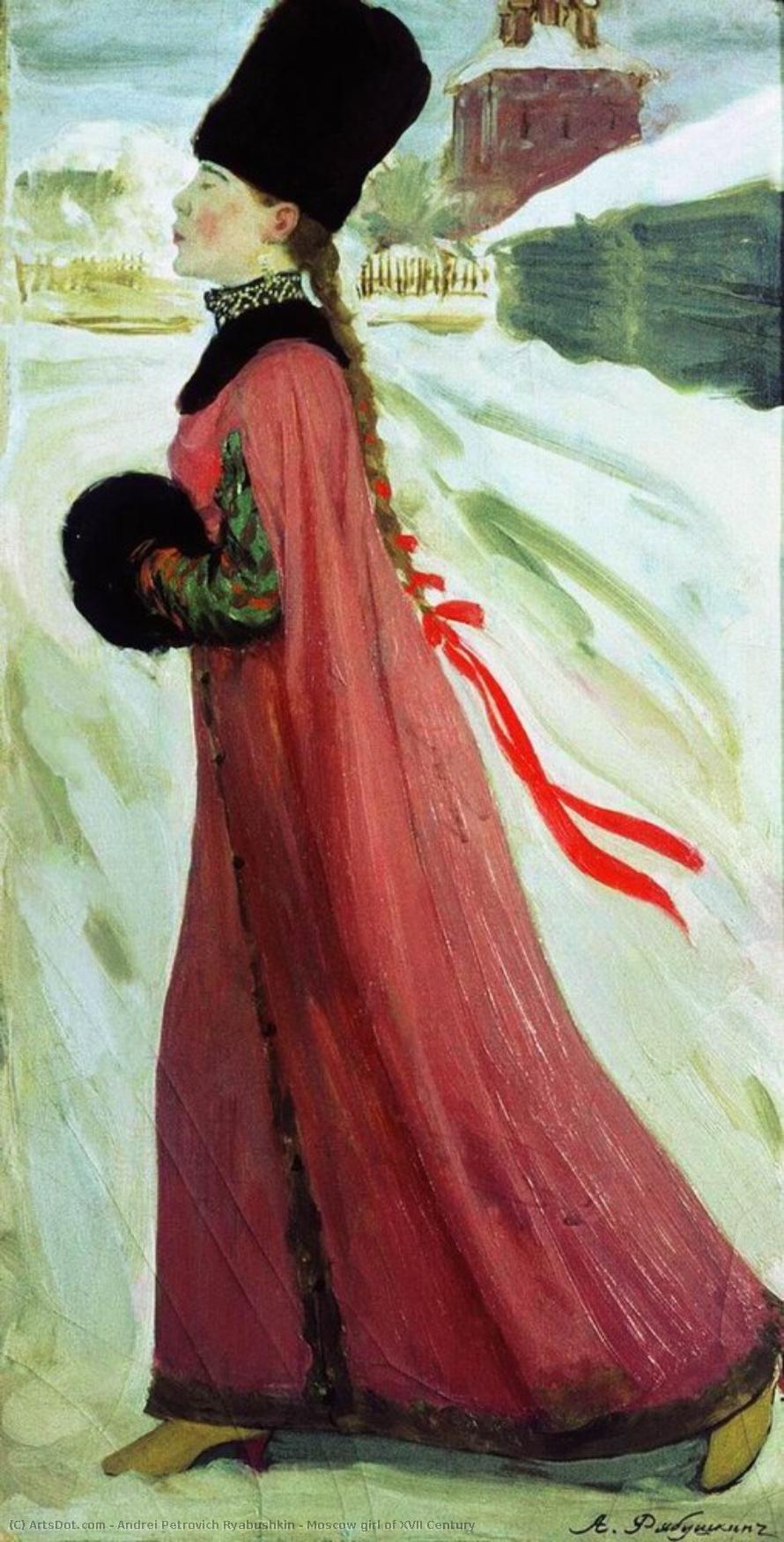
Moscow girl of XVII Century
 Russian Realism
 1903
1903 48.0 x 26.0 cm
 詳細を見る
詳細を見る
オンラインプレビューをはるかに凌ぐ、高解像度で鮮明なデジタル画像をご購入いただけます。
各ファイルは、社内の専門家が高度なツールと熟練した手作業によるレタッチを用いて、細心の注意を払って準備されています。すべての画像において、卓越した鮮明度、正確な色彩再現性、そして繊細なディテールを保証いたします。
最終ファイルは、プロフェッショナルな編集・印刷環境ですぐにご利用いただけるよう最適化された状態で、72時間以内にメールにてお届けいたします。これは、一流のデザインスタジオ、出版社、ギャラリーから信頼されているものと同等の品質です。
デジタル画像のご注文に付随する特典
高品質なデジタル画像配信を、確かな品質で。
ArtsDot.com を選ぶことは、単に画像を手に入れることではありません。それは、プロの手によって精密に仕上げられ、満足保証が付いた高品質なデジタルアートワークを受け取ることを意味します。ご注文いただいた際に自動的に付随する内容は、以下の通りです:

メールですぐにお届け
ご注文から72時間以内に、高解像度のデジタル画像ファイルがメールでお手元に届きます。すぐにそのままご利用いただけます。

AI技術で最適化されたデジタルファイル
お客様の作品は、高度なAIツールと専門家による手作業の編集を組み合わせてプロフェッショナルに最適化されており、細部のディテール、鮮明さ、そして正確な色再現性を最大限に引き出しています。

一生涯無料の再送サービス
ファイルを誤って削除したり、紛失してしまったりしましたか?ご安心ください。いつでも無料で再送いたします。

輸入手数料は一切かかりません
関税や手数料、配送料を気にすることなく、お気に入りのアートワークをすぐにお楽しみいただけます。デジタルダウンロードは常に免税です。

色彩再現の保証
プロ仕様のツールとカラーマネジメント技術を用いることで、デジタル画像が元の色を最大限に忠実に再現することを保証いたします。

60日間満足保証
ご購入いただいたデジタル画像にご満足いただけない場合は、60日以内であれば、修正または100%の返金(理由を問う必要はありません)をさせていただきます。

100% 返金保証
ご満足いただけない場合は、デジタルファイルを受け取ってから60日以内であれば、理由を問わず全額返金いたします。

まとめ買い割引
3枚購入で10%OFF - 5枚購入で15%OFF - 10枚以上購入で20%OFF。クリエイティブなプロジェクト、ギャラリー、エージェンシーに最適です。
関連作品
作家の略歴
Andrei Petrovich Ryabushkin: A Painter of Forgotten Russia
Andrei Petrovich Ryabushkin (1861-1904) remains a compelling, if somewhat enigmatic, figure in the history of Russian art. Born in the small village of Stanichnaya sloboda in Tambov province, his early life was steeped in the traditions of icon painting – his father and brother were skilled artisans who instilled in him a deep respect for craftsmanship and the visual language of religious imagery. This formative experience would profoundly shape his artistic vision, leading him to meticulously recreate scenes from 17th-century Russian life, offering a rare glimpse into a world largely forgotten by mainstream art history. Ryabushkin’s journey wasn't one of grand salons or revolutionary fervor; instead, it was a quiet pilgrimage through the heartland of Russia, seeking truth and authenticity in the faces and routines of its ordinary people.Early Influences and Artistic Training
Ryabushkin’s artistic development began unexpectedly. A chance encounter with Alexander Preobrazhensky, a student of Vasily Perov at the Moscow School of Painting, Sculpture and Architecture, proved pivotal. Impressed by the young boy's raw talent – evidenced in his sketches – Preobrazhensky took him under his wing, securing his place at the prestigious institution. Ryabushkin’s time at Moscow was marked by a rigorous apprenticeship under Perov and Illarion Pryanishnikov, both key figures of the *Peredvizhniki* (Wanderers) movement, known for their commitment to depicting Russian life with unflinching realism. However, the rigid academic demands of the school ultimately proved stifling. He quickly developed a distinct style, one characterized by painstaking detail and an almost obsessive attention to historical accuracy. This departure from the prevailing artistic trends would later define his unique contribution.A Journey into Russia’s Past
Following his time in Moscow, Ryabushkin moved to Saint Petersburg, seeking further refinement at the Imperial Academy of Arts. Yet, he found the academy's emphasis on idealized historical narratives and formal techniques deeply unsatisfying. Instead of pursuing a diploma work – a traditional path to recognition – he embarked on an extraordinary journey across ancient Russian towns: Novgorod, Kiev, Moscow, Uglich, and Yaroslavl. This deliberate choice was not merely a nostalgic exercise; it was a profound act of research. Ryabushkin sought to understand the past by immersing himself in its tangible remnants—the weathered facades of medieval churches, the worn fabrics of peasant clothing, the tools of their trades, and most importantly, the faces of the people themselves. He meticulously documented these details, transforming them into his primary subjects. His travels were not just a visual survey; they were an attempt to reconstruct a vanished world, one painstakingly rendered in oil paint.Key Works and Artistic Style
Ryabushkin’s most celebrated works are deeply rooted in the 17th century. “Peasant Wedding” (1880), purchased by Pavel Tretyakov, marked his initial success and established his reputation for meticulous realism. However, it was his later paintings that truly showcased his artistic maturity. "In a Village. Going to Liturgy" (1903) exemplifies his style—a quiet tableau of rural life, imbued with a sense of solemnity and timelessness. The muted palette, the subtle lighting, and the carefully observed details create an atmosphere of profound stillness. Similarly, “In the Village” (1902) captures a moment of communal activity – a young man breaking into a girls’ dance—with remarkable sensitivity and psychological insight. His work on the mosaics for Saint Sophia Cathedral in Novgorod and the frescoes for the Church of the Savior on Blood in Saint Petersburg further demonstrated his mastery of decorative arts, blending historical accuracy with artistic skill.Legacy and Historical Significance
Despite his undeniable talent and dedication to authenticity, Ryabushkin’s work was largely misunderstood during his lifetime. His paintings, depicting the everyday lives of ordinary Russians, lacked the dramatic flair or social commentary favored by many contemporary critics and patrons. He didn't fit neatly into the established artistic categories of his time. His commitment to historical accuracy, coupled with a lack of emotional engagement, resulted in rejection from the *Peredvizhniki* movement and limited recognition within the art establishment. However, Ryabushkin’s legacy has grown steadily over the years. Today, he is recognized as a significant figure in Russian realist painting, offering a valuable window into a forgotten era. His meticulous depictions of 17th-century Russia—its customs, its crafts, and its people—provide a unique and enduring testament to a vanishing world. His work serves as a poignant reminder that true art often lies not in grand gestures or dramatic narratives, but in the quiet observation of everyday life. He died young, at the age of 42, leaving behind a body of work that continues to fascinate and inspire.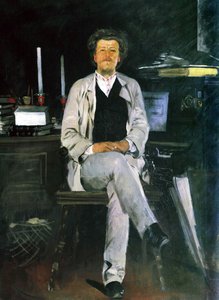
andrei petrovich ryabushkin
1861 - 1904 , Russia
プロフィール概要
- Artistic Movement Or Style: Historical genre
- Artists Who Influenced This Artist:
- Vasily Perov
- Illarion Pryanishnikov
- Pavel Chistyakov
- Date Of Birth: 1861-10-29 (Tambov, Russia)
- Date Of Death: 1904-05-10
- Full Name: Andrei Petrovich Ryabushkin
- Nationality: Russian
- Notable Artworks:
- Peasant Wedding
- In a Village. Going to Liturgy
- In the Village
- Place Of Birth: Tambov, Russia

