

 プレビュー
プレビュー
 シェアする
シェアする シェアする
シェアする
 詳細を見る
詳細を見る

 ダウンロード
 似ている作品
 X線調査
X線調査 スライドショー
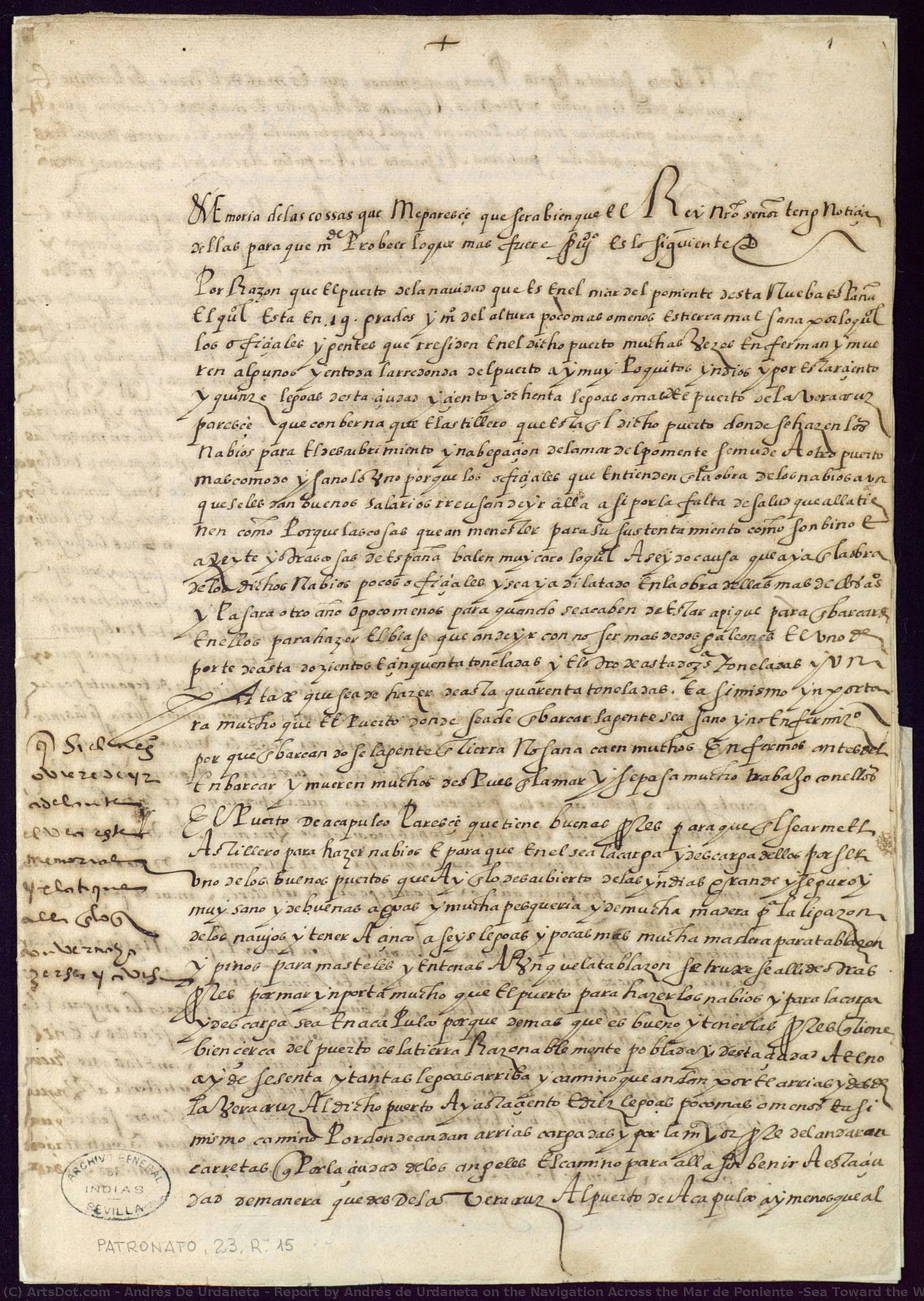
Report by Andrés de Urdaneta on the Navigation Across the Mar de Poniente (Sea Toward the West)…

 詳細を見る
詳細を見る
ジークレー/アートプリント
迅速な制作と多彩な仕上げオプションを備えた、ミュージアムクオリティのジークレーまたはキャンバスプリント。 ( 手描きの絵画を購入 画像を購入)




































作品のオリジナル比率に合わせた、当店の規定サイズからお選びください。

特定のフレームやスペースに合わせて、ご自身でサイズを指定することも可能です。選択されたサイズが元の画像の比率と一致しない場合、作品をトリミングするか、鏡面反射または単色での塗りつぶしによって画像を拡張いたします。制作を開始する前に、ご確認用のデジタルモックアップをお送りいたします。
画面上のプレビューには、実際のトリミングや拡張は反映されませんのでご注意ください。最終的な構図を正確に確認できるのは、モックアップのみとなります。
カスタムサイズも承っておりますが、元の比率を維持するためには、あらかじめ用意されたリストからサイズを選択することをお勧めいたします。


 ガラスオプションは、110cm未満のサイズでのみご利用いただけます。

Report by Andrés de Urdaneta on the Navigation Across the Mar de Poniente (Sea Toward the West)…
ジークレー/アートプリント
複製画のサイズ
-


合計金額
$ 62
関連作品









アーティストの略歴
The Navigator's Soul: From Basque Shores to the Spice Islands
Born in the rugged, verdant landscape of Ordizia, Spain, in 1508, Andrés de Urdaneta’s life was a magnificent tapestry woven with threads of maritime adventure and profound spiritual devotion. His journey began not with a brush or a chisel, but with the salt spray of the Atlantic, as a young man of seventeen joined the ambitious Loaísa expedition. This voyage, aimed at the legendary Spice Islands, would define his early years, casting him into a world of uncharted waters and immense peril for over eight years.During these formative decades, Urdaneta developed an intimate understanding of the ocean's rhythms, a skill that would later transcend mere survival to become a form of scientific artistry. His experiences in the East Indies were not merely voyages of discovery but periods of deep intellectual and spiritual formation, preparing him for his eventual transition from a mariner of the Spanish Empire to an Augustinian friar.
A Spiritual and Scientific Convergence
By approximately 1540, Urdaneta had settled in New Spain, where the boundaries between his identity as an explorer and his calling as a man of God began to blur. His entry into the Augustinian order in 1552 marked a significant evolution in his life's work. Yet, the call of the sea remained unextinguished. When King Philip II requested his expertise for the Legazpi expedition, Urdaneta accepted a mission that would merge his navigational mastery with his religious duty.This period of his life represents a unique intersection of faith and frontier. He was no longer just seeking spices or gold; he was charting the very veins of an expanding empire. His work during this era was characterized by a meticulous attention to detail, treating the vast Pacific Ocean as a canvas upon which he would plot the future of global commerce through precise observation and courage.
The Tornaviaje: Mapping the Arteries of Empire
The crowning achievement of Urdaneta’s career—and perhaps his most enduring legacy—was the discovery and plotting of the easterly route across the Pacific. In 1565, through sheer navigational brilliance, he identified the path from the Philippines back to Acapulco. This discovery, known as the tornaviaje, was a monumental feat of maritime science that solved the greatest puzzle of the era: how to return home against the prevailing winds and currents.This route became the lifeblood of the Manila Galleon trade, a maritime highway that would facilitate the exchange of goods, culture, and people for more than two centuries. Through his discovery, Urdaneta did more than find a path; he enabled the sustained Spanish colonization of the Philippines and fundamentally altered the course of global history. His legacy remains etched in the very currents of the Pacific, a testament to a man who could navigate both the turbulent seas and the quiet corridors of the soul.
- Early Life: Born in Ordizia, Spain, 1508.
- Exploration: Participant in the Loaísa expedition to the Spice Islands.
- Religious Vocation: Joined the Augustinian order in 1552.
- Greatest Achievement: Discovery of the Pacific easterly route (the tornaviaje).
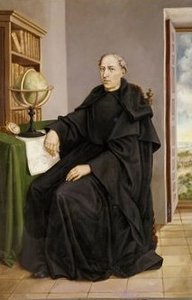
andrés de urdaneta
1508 - 1568 , Spain
基本情報
- Date Of Birth: 1508
- Date Of Death: 1568
- Full Name: Andrés de Urdaneta
- Nationality: Spanish
- Place Of Birth: Ordizia, Spain

