

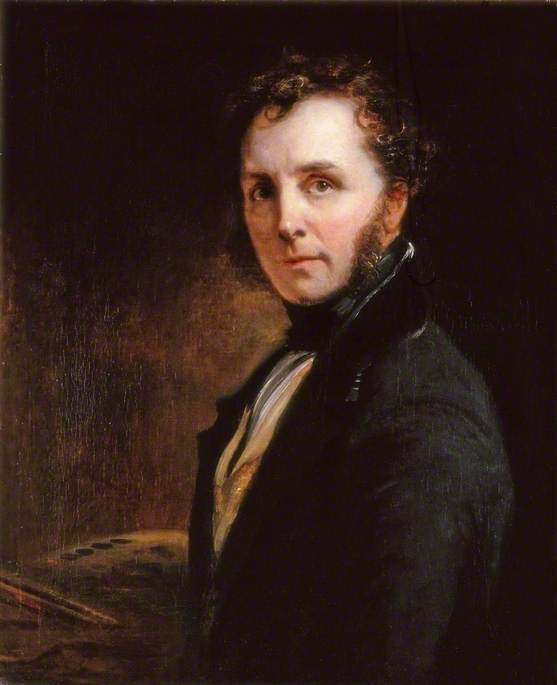
 プレビュー
プレビュー
 シェアする
シェアする シェアする
シェアする
 詳細を見る
詳細を見る

 ダウンロード
 似ている作品
 X線調査
X線調査 スライドショー
 統計情報
統計情報Self Portrait
 1828
1828 77.0 x 64.0 cm
 レイング・アート・ギャラリー
 詳細を見る
詳細を見る
オンラインプレビューをはるかに凌ぐ、高解像度で鮮明なデジタル画像をご購入いただけます。
各ファイルは、社内の専門家が高度なツールと熟練した手作業によるレタッチを用いて、細心の注意を払って準備されています。すべての画像において、卓越した鮮明度、正確な色彩再現性、そして繊細なディテールを保証いたします。
最終ファイルは、プロフェッショナルな編集・印刷環境ですぐにご利用いただけるよう最適化された状態で、72時間以内にメールにてお届けいたします。これは、一流のデザインスタジオ、出版社、ギャラリーから信頼されているものと同等の品質です。
デジタルアート
個人での鑑賞、印刷、クリエイティブなプロジェクト用に、高解像度ファイルをダウンロードできます。 ( プリント版に切り替え 手描きの絵画を購入)
デジタル画像のご注文に付随する特典
高品質なデジタル画像配信を、確かな品質で。
ArtsDot.com を選ぶことは、単に画像を手に入れることではありません。それは、プロの手によって精密に仕上げられ、満足保証が付いた高品質なデジタルアートワークを受け取ることを意味します。ご注文いただいた際に自動的に付随する内容は、以下の通りです:

メールですぐにお届け
ご注文から72時間以内に、高解像度のデジタル画像ファイルがメールでお手元に届きます。すぐにそのままご利用いただけます。

AI技術で最適化されたデジタルファイル
お客様の作品は、高度なAIツールと専門家による手作業の編集を組み合わせてプロフェッショナルに最適化されており、細部のディテール、鮮明さ、そして正確な色再現性を最大限に引き出しています。

一生涯無料の再送サービス
ファイルを誤って削除したり、紛失してしまったりしましたか?ご安心ください。いつでも無料で再送いたします。

輸入手数料は一切かかりません
関税や手数料、配送料を気にすることなく、お気に入りのアートワークをすぐにお楽しみいただけます。デジタルダウンロードは常に免税です。

色彩再現の保証
プロ仕様のツールとカラーマネジメント技術を用いることで、デジタル画像が元の色を最大限に忠実に再現することを保証いたします。

100日間満足保証
ご購入いただいたデジタル画像にご満足いただけない場合は、100日以内であれば、理由を問わず修正または100%の返金対応をさせていただきます。

100% 返金保証
ご満足いただけない場合は、デジタルファイルを受け取ってから100日以内であれば、理由を問わず全額返金いたします。

まとめ買い割引
3枚購入で10%OFF - 5枚購入で15%OFF - 10枚以上購入で20%OFF。クリエイティブなプロジェクト、ギャラリー、エージェンシーに最適です。
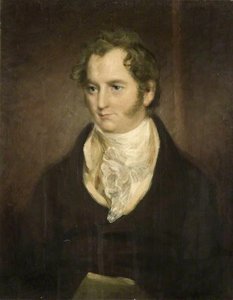
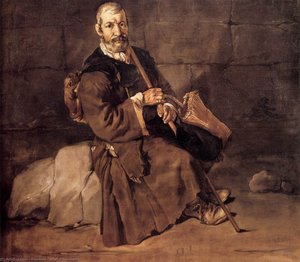
関連作品








作家の略歴
Andrew Morton: A Portraitist of Victorian England
The world of 19th-century British art is often dominated by grand historical narratives and meticulously rendered landscapes, yet within this established framework existed a subtle but significant movement – the rise of the portrait painter. Among those who skillfully navigated this landscape was Andrew Morton (1802–1845), an English artist whose refined style and intimate depictions of nobility quickly garnered recognition during his tragically short career. Born in Wahoo, Iowa, to Joseph Morton, a picture framer, Andrew’s early life instilled within him a deep appreciation for visual representation and the craft of capturing likenesses – a foundation that would profoundly shape his artistic trajectory.
Morton's formal training began at the Royal Academy in London, an institution renowned for its rigorous standards and emphasis on classical techniques. He immersed himself in the study of anatomy, perspective, and composition, absorbing the influences of established masters like Sir Thomas Lawrence and William IV’s court painters. However, Morton wasn’t merely a diligent student; he possessed a keen eye for detail and a remarkable ability to convey personality through subtle gestures and expressions. His early works demonstrated an aptitude for capturing the nuances of character, hinting at the sophisticated portraits that would later define his reputation.
Morton's artistic development coincided with a period of significant social and political change in Britain. The Victorian era was characterized by rapid industrialization, expanding colonial ambitions, and evolving social hierarchies. As a portraitist, Morton found himself increasingly sought after by the aristocracy and prominent figures of the day – members of the Royal Family, military officers, and wealthy industrialists. He skillfully catered to this demand, producing a diverse body of work that reflected the era’s wealth, power, and social complexities. His portraits weren't simply technical exercises; they were carefully constructed narratives, revealing the subjects’ status, character, and aspirations.
The Royal Patronage and Artistic Style
Morton’s career truly flourished through his connections within the royal court. He was commissioned to paint several notable figures, including Sir Henry Sheehy Keating, a prominent military officer, and portraits of members of the extended Royal Family. These commissions provided him with invaluable experience and access to the latest artistic trends, further refining his technique and expanding his repertoire. His style can be characterized as classically influenced yet imbued with a distinctly modern sensibility. He employed careful attention to light and shadow, creating a sense of depth and realism that was both flattering and engaging.
Unlike some of his contemporaries who favored overtly theatrical poses and elaborate costumes, Morton’s portraits often presented subjects in more relaxed and natural settings. He skillfully used clothing and accessories – a scarlet uniform, a richly embroidered waistcoat, or a carefully chosen jewel – to subtly communicate the subject's status and personality. His ability to capture fleeting expressions—a hint of amusement, a moment of contemplation—elevated his portraits beyond mere likenesses, transforming them into intimate glimpses into the souls of his subjects. His work is often described as possessing a quiet dignity and understated elegance.
Notable Works and Influences
Among Morton’s most celebrated works are his portraits of Sir Henry Sheehy Keating, a dramatic oil painting showcasing the officer in vibrant red, and several intimate studies of members of the Royal Family. The Keating portrait, with its dynamic composition and masterful use of color, exemplifies Morton's ability to capture both grandeur and personality. His work also demonstrates an understanding of classical principles, evident in his balanced compositions and careful attention to anatomical accuracy.
Morton’s artistic influences are diverse, ranging from the works of Sir Thomas Lawrence, a prominent portraitist of the late 18th century, to the more contemporary styles emerging during the Victorian era. He absorbed the technical skills of the past while simultaneously developing his own unique voice—a voice characterized by sensitivity, elegance, and a keen awareness of human psychology. The influence of William IV’s court painters is also evident in his meticulous attention to detail and his ability to create portraits that are both flattering and revealing.
Legacy and Historical Significance
Despite his promising career, Andrew Morton's life was tragically cut short at the age of 43. His untimely death left a void in the British art world, but his legacy endures through his remarkable body of work. His portraits continue to be admired for their technical skill, emotional depth, and intimate portrayal of Victorian society.
Morton’s contribution lies not only in his individual paintings but also in his representation of a particular moment in British art history—a period of transition between the classical traditions of the past and the emerging aesthetic sensibilities of the modern era. His work serves as a valuable window into the lives, aspirations, and social dynamics of 19th-century England. Today, his portraits are housed in prestigious collections such as those at Art UK, offering viewers a lasting connection to this talented and enigmatic artist.
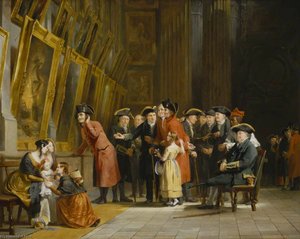
andrew morton
1802 - 1845
プロフィール概要
- Artistic Movement Or Style: Portraiture
- Artists Or Movements Influenced By This Artist: ['Classical painting style']
- Artists Who Influenced This Artist:
- Lawrence
- William IV
- Date Of Birth: 1802
- Date Of Death: 1845
- Full Name: Andrew Morton
- Nationality: English
- Notable Artworks:
- Sir Henry Sheehy Keating
- Joseph Morton (father)
- Place Of Birth: WahooArt