

 プレビュー
プレビュー
 プリントを購入
 シェアする
シェアする シェアする
シェアする
 詳細を見る
詳細を見る

 ダウンロード
 似ている作品
 X線調査
X線調査 スライドショー
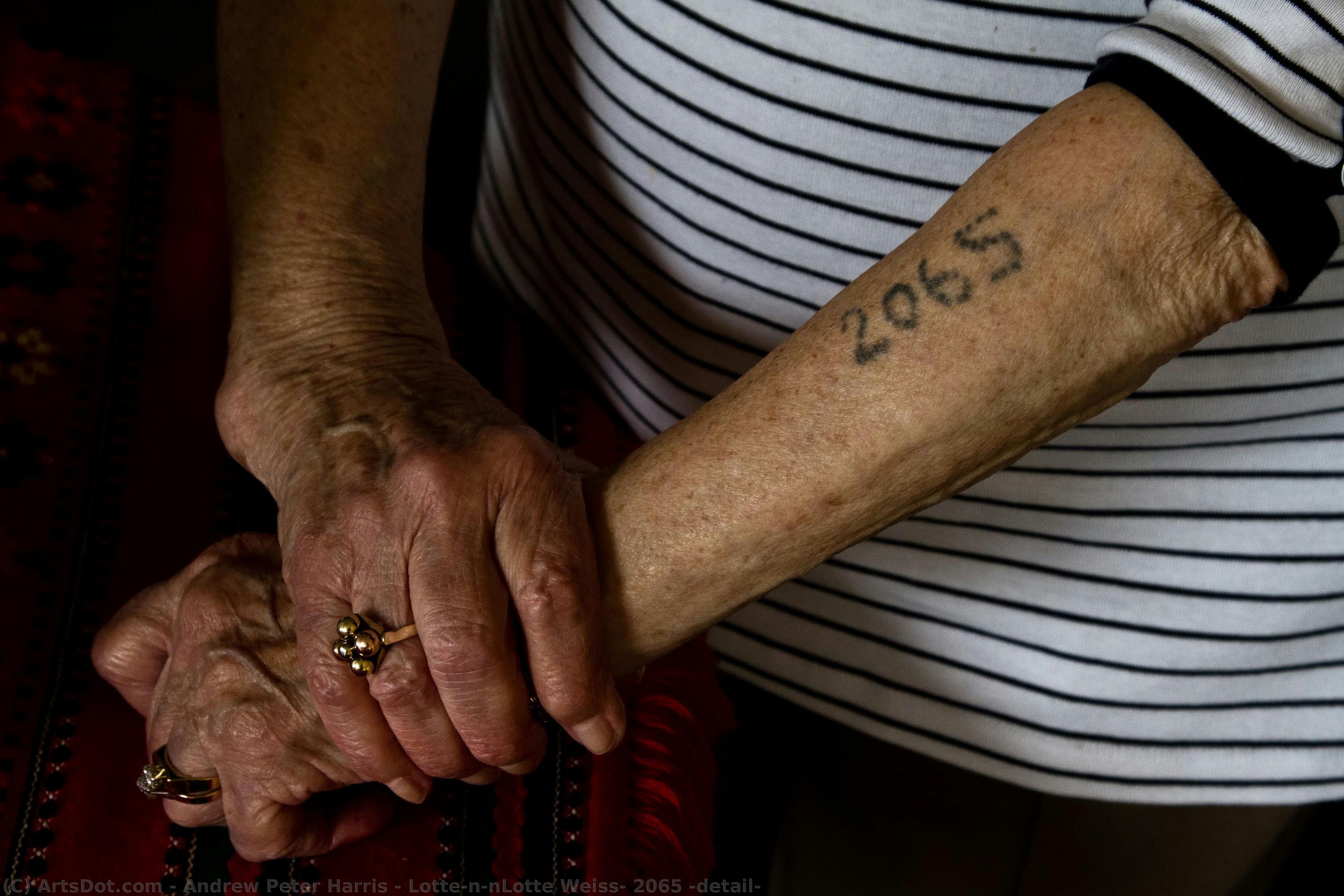
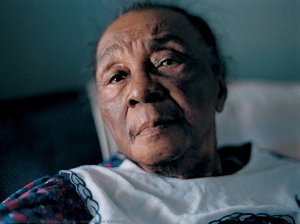
Lotte\n\nLotte Weiss, 2065 (detail)


 詳細を見る
詳細を見る
オンラインプレビューをはるかに凌ぐ、高解像度で鮮明なデジタル画像をご購入いただけます。
各ファイルは、社内の専門家が高度なツールと熟練した手作業によるレタッチを用いて、細心の注意を払って準備されています。すべての画像において、卓越した鮮明度、正確な色彩再現性、そして繊細なディテールを保証いたします。
最終ファイルは、プロフェッショナルな編集・印刷環境ですぐにご利用いただけるよう最適化された状態で、72時間以内にメールにてお届けいたします。これは、一流のデザインスタジオ、出版社、ギャラリーから信頼されているものと同等の品質です。
デジタル画像のご注文に付随する特典
高品質なデジタル画像配信を、確かな品質で。
ArtsDot.com を選ぶことは、単に画像を手に入れることではありません。それは、プロの手によって精密に仕上げられ、満足保証が付いた高品質なデジタルアートワークを受け取ることを意味します。ご注文いただいた際に自動的に付随する内容は、以下の通りです:

メールですぐにお届け
ご注文から72時間以内に、高解像度のデジタル画像ファイルがメールでお手元に届きます。すぐにそのままご利用いただけます。

AI技術で最適化されたデジタルファイル
お客様の作品は、高度なAIツールと専門家による手作業の編集を組み合わせてプロフェッショナルに最適化されており、細部のディテール、鮮明さ、そして正確な色再現性を最大限に引き出しています。

一生涯無料の再送サービス
ファイルを誤って削除したり、紛失してしまったりしましたか?ご安心ください。いつでも無料で再送いたします。

輸入手数料は一切かかりません
関税や手数料、配送料を気にすることなく、お気に入りのアートワークをすぐにお楽しみいただけます。デジタルダウンロードは常に免税です。

色彩再現の保証
プロ仕様のツールとカラーマネジメント技術を用いることで、デジタル画像が元の色を最大限に忠実に再現することを保証いたします。

100日間満足保証
ご購入いただいたデジタル画像にご満足いただけない場合は、100日以内であれば、修正または100%の返金(理由を問う必要はありません)をさせていただきます。

100% 返金保証
ご満足いただけない場合は、デジタルファイルを受け取ってから100日以内であれば、理由を問わず全額返金いたします。

まとめ買い割引
3枚購入で10%OFF - 5枚購入で15%OFF - 10枚以上購入で20%OFF。クリエイティブなプロジェクト、ギャラリー、エージェンシーに最適です。
関連作品

作家の略歴
Andrew Peter Harris: Bridging Politics and Vision
Andrew Peter Harris is a compelling figure, simultaneously a prominent U.S. Representative for Maryland’s 1st Congressional District and a practicing physician. Born in New York City in 1957, his life has been shaped by both the demands of public service and the deeply personal dedication to healing – experiences that undoubtedly inform the unique perspective evident in his artwork. While perhaps less widely known than some contemporary political artists, Harris’s work offers a fascinating intersection between the tangible realities of governance and the evocative power of visual representation. His background as a physician likely imbues his pieces with an underlying sensitivity to human form and experience, while his role as a politician undoubtedly shapes his engagement with themes of power, identity, and social commentary.
Harris’s artistic journey began in earnest after he moved to Maryland, establishing himself as a practicing physician before transitioning into the political arena. His art is not simply a secondary pursuit; it's an integral part of his creative expression, allowing him to explore complex ideas and emotions beyond the confines of legislative debate. His work frequently draws upon regionalist influences, reflecting a deep connection to the landscapes and people of Maryland – a region rich in history and diverse communities. The use of color, texture, and composition suggests a deliberate effort to capture not just visual likeness but also the spirit and essence of his subjects.
Exploring Themes Through Portraiture
A significant portion of Harris’s artistic output centers around portraiture. These are rarely straightforward depictions; instead, they often feel imbued with layers of meaning. He frequently portrays individuals in moments of contemplation or action, capturing a sense of inner life and emotional resonance. The subjects range from political figures to everyday citizens, suggesting an interest in exploring the complexities of human experience across various social strata. There’s a noticeable tendency toward capturing vulnerability alongside strength – a delicate balance that speaks volumes about his artistic sensibility.
The portraits are often characterized by a restrained palette and a focus on subtle details—a slight shift in expression, the way light falls upon the face, or the texture of clothing. This meticulous attention to detail suggests a desire to convey not just physical likeness but also personality, character, and perhaps even unspoken narratives. His work invites viewers to engage with these subjects on a deeper level, prompting reflection on their stories and experiences.
Influences and Artistic Style
While Harris’s artistic style is distinctly his own, it's clear that he draws inspiration from a variety of sources. The influence of American Regionalism is readily apparent in his use of earthy tones, depictions of rural landscapes, and focus on the lives of ordinary people. There are echoes of Andrew Wyeth’s meticulous observation and psychological depth, as well as hints of Edward Hopper's evocative portrayals of urban solitude. However, Harris doesn’t simply mimic these influences; he synthesizes them into a unique visual language that is both familiar and refreshingly original.
Beyond specific artists, Harris’s work seems to be informed by his own experiences as a physician and politician. The ability to observe closely, empathize with others, and understand the complexities of human behavior – skills honed in his medical practice – undoubtedly contribute to the nuanced portrayals found in his portraits. Similarly, his experience navigating the often-turbulent waters of political life likely shapes his approach to representing power, authority, and social dynamics.
A Contemporary Political Voice
Andrew Peter Harris’s art offers a valuable window into the mind of a contemporary political figure. His work transcends simple partisan messaging, instead presenting a complex and often introspective exploration of human identity, experience, and the challenges of navigating a rapidly changing world. By combining his artistic talents with his public service career, he has created a unique body of work that is both visually compelling and intellectually stimulating.
As an American artist working within the context of contemporary politics, Harris’s art invites viewers to consider the intersection between personal experience and civic responsibility. His portraits are not merely representations of individuals; they are invitations to engage in dialogue about the values, beliefs, and aspirations that shape our society. His work stands as a testament to the power of art to illuminate complex issues and foster greater understanding.
To explore more of Andrew Peter Harris’s evocative art, please visit: /en/artists/andrew-peter-harris-en/
andrew peter harris
1957 - , United States of America
プロフィール概要
- Artistic Movement Or Style: Regionalist Painting, Contemporary Politics Art
- Artists Or Movements Influenced By This Artist:
- Political Illustration
- Portraiture
- Artists Who Influenced This Artist:
- Andy Warhol
- David Hockney
- Date Of Birth: January 25, 1957
- Full Name: Andrew Peter Harris
- Nationality: American
- Notable Artworks:
- Kamala Harris Portrait
- Biden-Harris Campaign Art
- Place Of Birth: New York City, USA